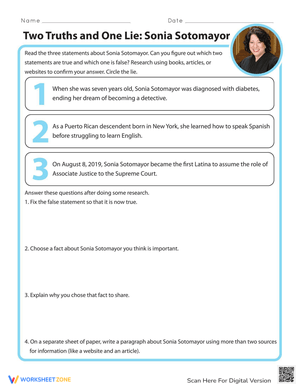
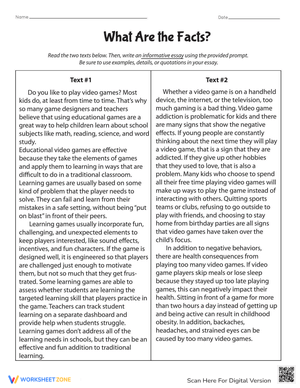
These writing process printable worksheets for 5th grade give teachers a stage-by-stage sequence that makes the journey from blank page to finished piece visible and teachable — planning, drafting, revising, editing, and publishing, each with its own goal and its own place in the writing week. The set covers opinion, informational, and narrative writing, so the same materials carry through different units without requiring a separate collection for each genre.
What Each Worksheet in the Set Covers
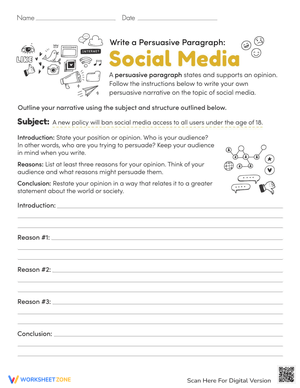
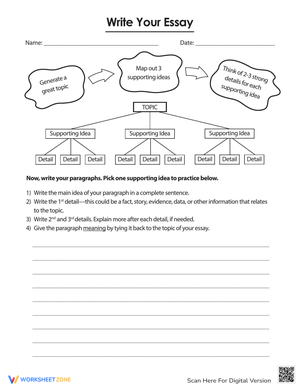
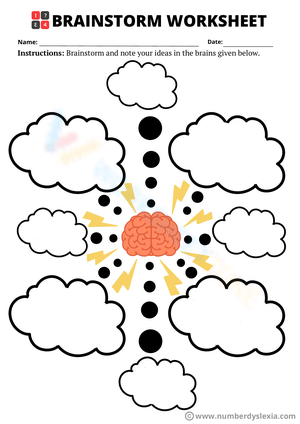
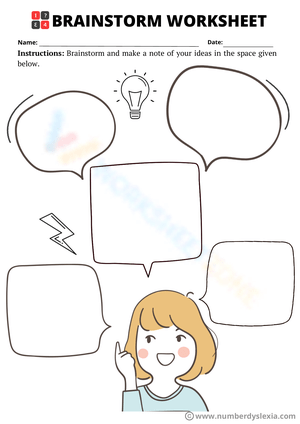
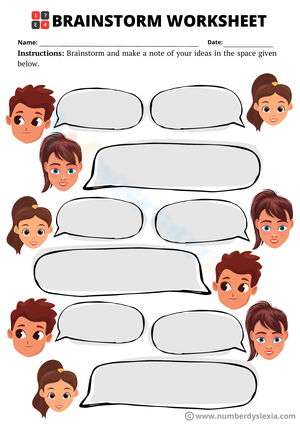
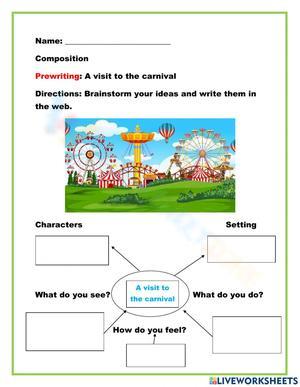
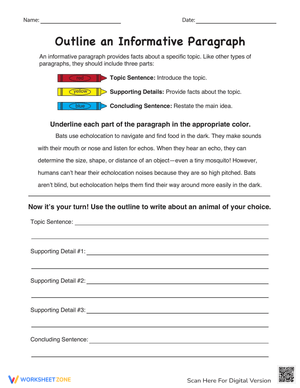
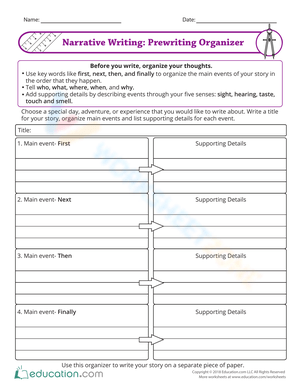
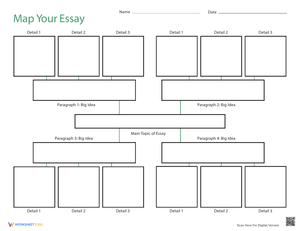
The prewriting worksheet asks students to identify a topic, name their purpose and audience, and sort supporting details before writing a sentence. Fifth graders who skip that step often produce drafts with strong openings that dissolve into disconnected statements by paragraph two — because nothing was sorted before the writing started.
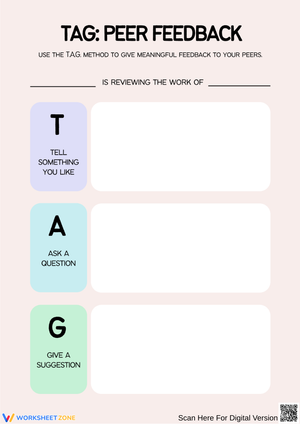
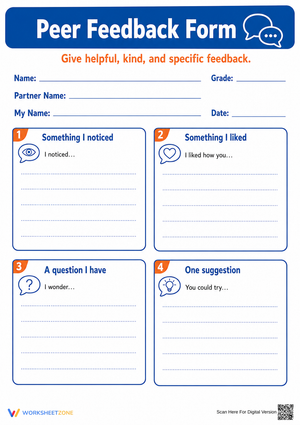
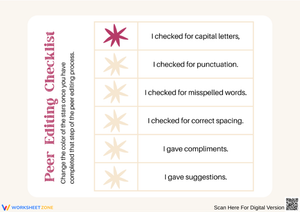
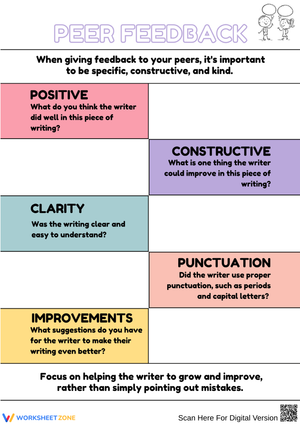
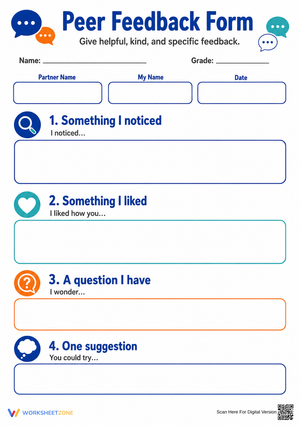
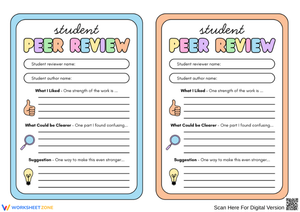
Draft worksheets give students room to convert notes into paragraphs without pressure to polish anything. The signal — this is for getting ideas down — removes some of the paralysis that stops students mid-sentence so they can erase and reword instead of pressing forward. Revision worksheets then ask bigger questions: Is the opinion claim actually arguable? Does the informational piece group facts into categories a reader can follow, or are they just listed one after another? Does the narrative actually build through events, or does it summarize the middle in a single vague sentence? Editing worksheets narrow the focus to conventions — end marks, capitalization, verb agreement, common spelling patterns fifth graders are expected to control at this level. Peer response worksheets give student readers a specific job: underline the sentence where the main idea got unclear, circle the place where a transition is missing, mark the moment where more detail was needed. A publishing worksheet closes the sequence by requiring a clean, readable final copy rather than a revised draft treated as finished.
Fitting These Worksheets Into the Writing Week
The most effective routines anchor each worksheet to a specific moment in the week rather than distributing the full set at once. A prewriting worksheet fits Monday's mini-lesson — introduce the task, then students fill out the organizer during independent writing time that same session. Drafting gets its own day, typically Tuesday or Wednesday, when students work from their completed plans without switching attention to revision decisions. The revision worksheet runs Thursday, when the draft exists and students have some distance from it. An editing checklist follows on Friday or the Monday after, depending on how much time the class needs. That four-session rhythm lowers the number of competing demands students manage at once: on drafting day, the only job is getting ideas down; on revision day, the only job is improving meaning.
These writing process printable worksheets for 5th grade also fit smaller, targeted moments across the writing week:
- A peer response sheet anchors a 15-minute conference rotation while the rest of the class drafts independently.
- An editing checklist works as a warm-up when students return to in-progress drafts after a longer break.
- A prewriting organizer functions as a structured task for students who finish an early draft and need a clear next step rather than free time.
- A revision worksheet becomes a discussion tool in small-group intervention — teacher and students work through each prompt together rather than independently.
The Errors That Surface Most in Fifth-Grade Writing
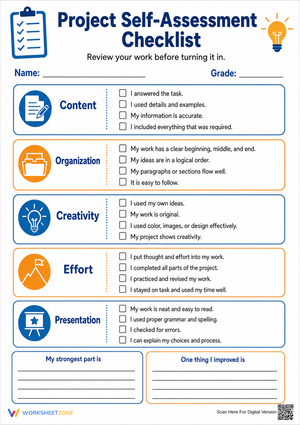
The most consistent student mistake is collapsing revision and editing into a single surface-level pass — or skipping revision entirely. A student who thinks "revising" means finding typos will return a draft with accurate punctuation and an absent thesis. The revision worksheet disrupts that habit by asking students to confirm, in writing, that their claim is actually stated, their evidence is linked to the claim, and their conclusion does something beyond restating the introduction. When all three are checked "yes" and the draft does not deliver on any of them, that gap becomes a focused conference point rather than a vague note on a rubric.
A second error is thin elaboration that looks adequate until you read closely. A fifth grader writing about deep-ocean zones might produce: "The midnight zone is very dark. There is no sunlight. Animals live there." Three sentences with a paragraph break — it reads like a complete idea. The revision prompt — "Did you explain your facts, or just state them?" — makes the gap visible. The student has to look at those three sentences and decide whether any explanation happened. That moment of productive discomfort is where revision instruction actually lands.
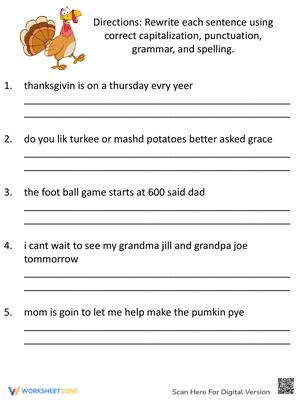
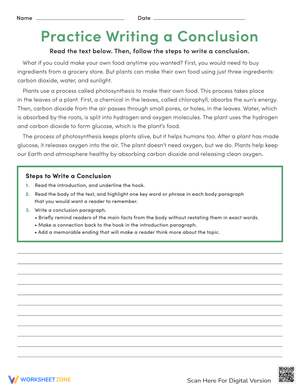
At the editing stage, inconsistent verb tense is the most frequent oversight, especially in narratives. Students who open a story in past tense drift into present tense by the second paragraph and miss the shift during a surface read. The editing worksheet addresses this directly by listing tense consistency as a named, active task — rather than assuming students will notice it while scanning for spelling errors.
Standard Alignment
These worksheets align to CCSS.ELA-LITERACY.W.5.5, which requires fifth graders to strengthen writing through planning, revising, editing, rewriting, or trying a new approach. That standard frames process instruction as grade-level work — not enrichment, not remediation — which supports teachers who want these materials at the center of their writing units rather than on the margins. W.5.4 is also relevant: it calls for students to produce writing appropriate to task, purpose, and audience, which is exactly what the prewriting and revision worksheets ask students to examine and confirm before moving to the next stage.
Using These Worksheets With Writers at Different Stages
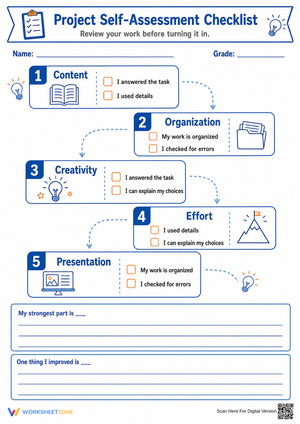
For students who write fluently, the revision worksheet offers the clearest room to push beyond surface completion. Instead of checking criteria off as a compliance exercise, those students annotate each checked item with a specific line from their draft that proves the criterion is met. If they cannot point to an exact sentence, the check does not count. That shift moves fast finishers from self-report to evidence-based self-assessment — a meaningfully different skill.
For students who struggle with stamina or organization, the prewriting worksheet reduces the scale of the first decision. Rather than facing a blank draft page, they arrive at drafting having already sorted their ideas into categories. Some of those students also benefit from completing the revision worksheet orally during a brief teacher conference, using the prompts as a conversation structure rather than an independent writing task. That approach preserves the revision thinking while removing the written output demand that stops some writers entirely.
The writing process printable worksheets for 5th grade in this set include enough white space and clear prompt phrasing to support students with processing or attention challenges. For those students, splitting the editing worksheet into two separate passes — one read for sentence boundaries and end marks, a second for spelling and verb form — addresses a genuine cognitive load issue rather than a motivation problem. Naming it that way changes how the support is framed and how students receive it.
Frequently Asked Questions
Can the same worksheets work across opinion, informational, and narrative writing?
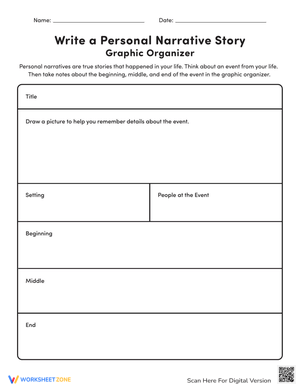
Yes, with adjustments to the revision checklist prompts. The planning and drafting worksheets stay structurally consistent across genres, but the questions students answer shift to match the task. Opinion planning asks for a claim and reasons; informational planning asks for a topic, grouped facts, and text-based support; narrative planning asks for characters, setting, problem, events, and resolution. Teachers can write genre-specific language directly into the checklist items or use a version of the set that includes separate revision prompts for each writing type.
How long should a full writing process sequence take at this grade level?
A four-session sequence — planning, drafting, revising, editing and publishing — fits most fifth-grade writing assignments spread across one school week. Topics that require research or extended discussion before students are ready to plan may stretch to a week and a half. Multi-paragraph informational reports often need two drafting sessions and a more careful revision pass before editing begins. Each worksheet in the set functions independently, so teachers are not locked into a fixed daily schedule to make the sequence work.
Are these resources appropriate for students who are significantly behind grade level?
The writing process printable worksheets for 5th grade in this set work for below-grade writers when paired with additional teacher modeling during the first run through the sequence. The structure that keeps on-grade students organized gives struggling writers a visible path through a task that otherwise feels shapeless. The prewriting worksheet especially helps students who freeze at an open prompt — they answer a series of smaller, specific questions rather than staring at blank space. Most students who need extra support benefit from working through the first two revision prompts with a teacher during a brief conference before continuing independently, and that investment typically pays off by the end of the same writing unit.












 Interactive Worksheet Maker
 Quiz Maker
 Word Search Maker
 Crossword Puzzle Maker
 Word Scramble Generator
 Sentence Scramble Generator
 Handwriting Worksheet Generator
 Name Tracing Generator
 Fill In The Blank Generator