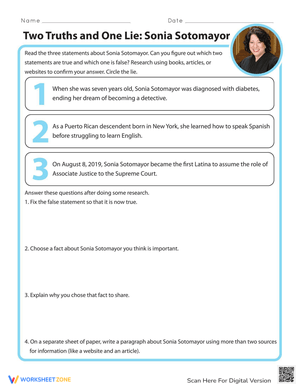
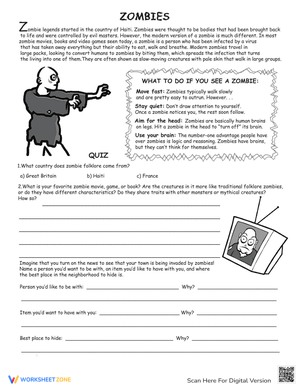
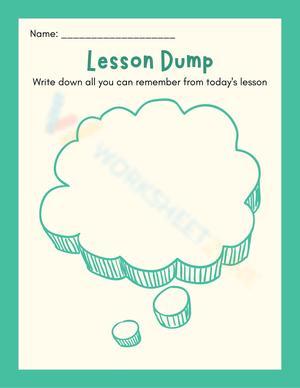
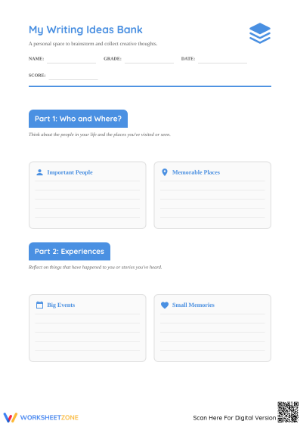
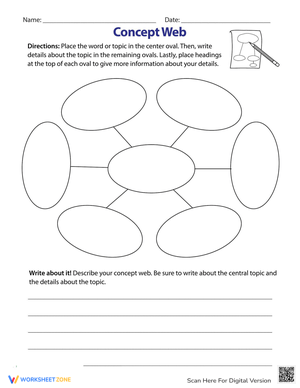
These brainstorming worksheets for 5th grade address the gap between knowing an assignment and being able to begin it — which in fifth grade writing usually comes down to having no structure for organizing the thinking before drafting starts. Each worksheet gives that thinking a visible home before the demands of full sentences kick in. The set spans the four writing types fifth graders work with most: opinion, informative, narrative, and reading response.
What's Inside the Set
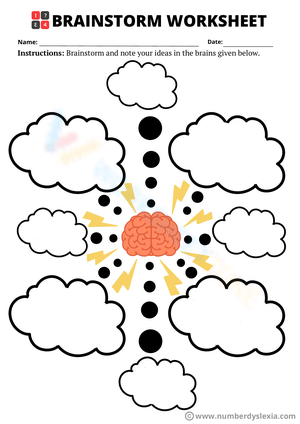
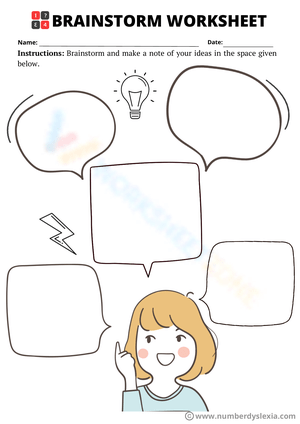
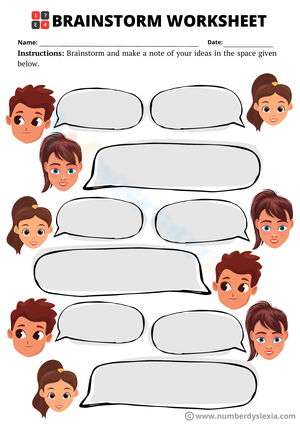
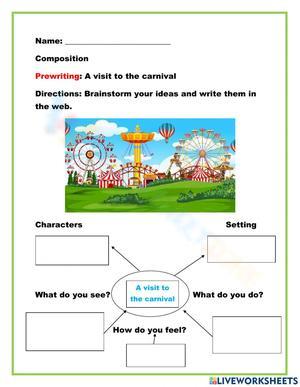
Each worksheet targets a distinct prewriting move. Topic webs help students generate possibilities around a central subject before narrowing a focus. T-charts help students sort reasons, evidence, or two competing positions into separate columns so they can see the shape of an argument before writing it. Story maps give narrative writers a place to plan characters, setting, problem, events, and resolution in sequence. Detail lists let students jot fast — words and fragments, not sentences — which suits writers who have a lot to say but get slowed down by organizing too early. A fifth format, the claim-and-reasons frame, holds the main opinion and up to three supporting reasons in view at the same time.
The worksheets leave deliberate space for messy, generative thinking. Labels are short, sections are clearly separated, and each worksheet signals what students do first and what comes after without crowding the layout with instructions. A student should be able to pick one up, read it once, and begin writing within thirty seconds.
Building These Worksheets Into Your Writing Block
The natural placement is right after the mini-lesson — a five-to-eight-minute window where students fill the organizer with quick notes before independent writing begins. Modeling makes a real difference here: show a prompt, think aloud through two or three entries yourself, then stop and let students continue. A partial model demonstrates the pace without doing the thinking for them. The critical instruction before the timer starts: words and phrases, not full sentences.
A routine that holds up across the year is keeping three default organizer types in steady rotation — one web, one T-chart, one story map. That three-template system covers most writing tasks a fifth grade unit assigns and eliminates the weekly question of which worksheet to copy. Once students recognize the formats from repeated use, setup takes almost no time and the class moves straight into thinking work.
- Use the web worksheet at the start of a new writing unit, when students need to explore multiple angles before settling on a focus.
- Pull the T-chart for opinion and argument writing — students see both their strongest reasons and possible objections in front of them before drafting a word.
- Assign the story map the day before students begin a narrative draft, especially when they tend to rush to the action before establishing setting or character.
- Keep extras in your conferring supplies. When a student says "I don't know what to write," a quick oral rehearsal followed by two minutes on a worksheet gets a draft going faster than extended conversation.
Student Mistakes Worth Catching Early
The most consistent error is writing full sentences in every box. A student who fills the claim section with "My opinion is that school should start later because teenagers need more sleep and it would help their grades" has done sentence-level composition work inside a planning tool — slowing the brainstorm and not producing more ideas. Posting a standing reminder before the timer starts — "words and phrases only, no complete sentences" — shifts what students put down and how quickly they move through the organizer.
A second pattern is trying to order ideas before generating enough of them. Students conflate brainstorming with outlining, which produces neat but thin organizers — two or three tidy entries, a lot of empty space, and no material to select from when drafting begins. Telling students explicitly to overfill the worksheet first, then star the strongest details and cross out anything off-topic after the timer, builds the habit of generating before curating.
Also watch for students who treat a partially filled web as a failure. If only two branches appear, some students stop entirely rather than treating what they have as a starting point. A brief prompt — "write one detail under each branch you've got, then look for a third" — usually gets things moving again without requiring a full conference.
Standard Alignment
These worksheets align directly with CCSS.ELA-LITERACY.W.5.5, which requires fifth graders to develop and strengthen writing through planning with adult and peer guidance. That standard is the explicit curricular home for prewriting instruction — not a stretch alignment. The individual organizers also support the three writing-type standards: W.5.1 (opinion), W.5.2 (informative/explanatory), and W.5.3 (narrative), since each type the standards name maps directly to at least one organizer in the set.
In classroom terms, W.5.5 often gets less dedicated instructional time than the drafting and revision standards, partly because planning is harder to assess and collect. These worksheets make the planning stage visible and concrete — teachers can review a completed organizer during a conference and see whether a student is ready to draft or still needs more support before sentence writing begins.
Making the Set Work for Every Writer in the Room
The brainstorming worksheets for 5th grade work well across ability levels without wholesale modification. For students who freeze even with a structure in front of them, adding a brief sentence starter inside the relevant box — "One reason I believe this is..." or "The first thing that happens in my story is..." — reduces the barrier enough to get an initial entry down. Most students continue on their own from there.
For multilingual learners, the category headings and labeled sections already reduce the linguistic demand of the task. Pairing any worksheet with a short relevant word bank or a visual related to the prompt makes the brainstorm more generative — students who are thinking across two languages tend to produce more when they have something concrete to respond to rather than an open blank field.
Students who generate ideas quickly benefit from a push into specificity. A small handwritten note in the margin — "add one detail or text example under each reason" — shifts those students from surface-level brainstorming into the close-detail work their drafts often need. The worksheet does different-level work for different learners while the core structure stays constant across the class.
Frequently Asked Questions
Which organizer works best for opinion writing?
The claim-and-reasons frame handles it most directly — one box for the main claim and separate sections for each reason with space for supporting examples. If the assignment asks students to consider counterarguments, start with the T-chart instead: reasons in favor on one side, objections and responses on the other. Both approaches give students something to select from before they write a full sentence.
How long should the brainstorming stage last in a fifth grade writing lesson?
Five to eight minutes is enough for a first pass on any of these worksheets. If students are still writing at the ten-minute mark, check whether they are producing notes or drafting full sentences — the latter means the planning stage has quietly turned into informal drafting, which defeats the purpose of keeping the two stages separate.
Can students use these organizers during timed on-demand writing tasks?
Yes. Students who have used the same format repeatedly during instruction carry the planning process into timed situations. Teachers who run a consistent brainstorming worksheets for 5th grade routine throughout the year find that students use the planning window more efficiently during district or state on-demand assessments — typically five to ten minutes before drafting begins — because the process is already automatic rather than newly introduced.
How do these worksheets support students receiving writing intervention?
The organizer makes the source of difficulty visible before the draft begins. If a student fills the worksheet comfortably but struggles to construct sentences from it, the issue is likely at the production stage — sentence formation — rather than idea generation. If the worksheet stays nearly blank, the student may need a narrower prompt, an oral rehearsal, or fewer sections to respond to at once. Either way, the completed worksheet reveals more about where to intervene than a finished or unfinished draft does. The full brainstorming worksheets for 5th grade set is especially useful in small-group intervention because each worksheet gives the teacher a concrete, low-stakes artifact to discuss with the student during the conference.












 Interactive Worksheet Maker
 Quiz Maker
 Word Search Maker
 Crossword Puzzle Maker
 Word Scramble Generator
 Sentence Scramble Generator
 Handwriting Worksheet Generator
 Name Tracing Generator
 Fill In The Blank Generator