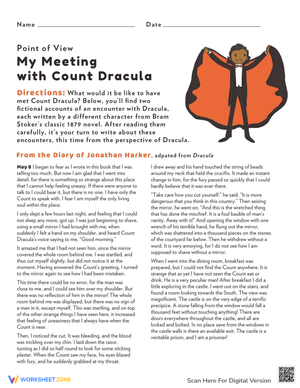
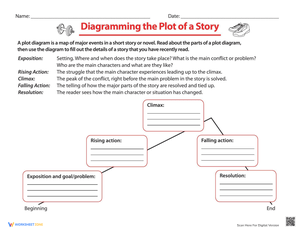
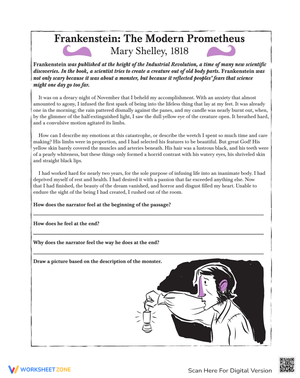
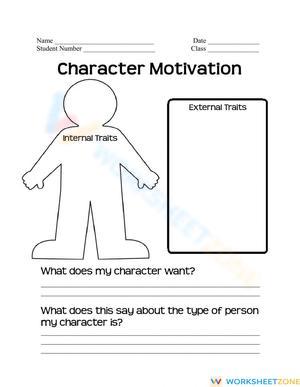
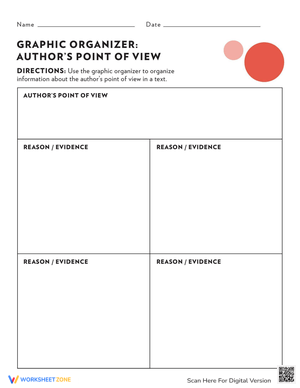
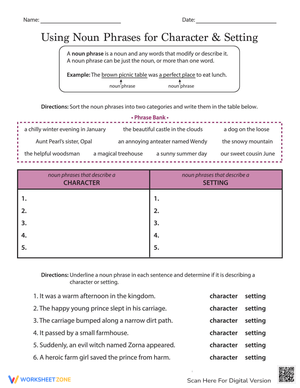
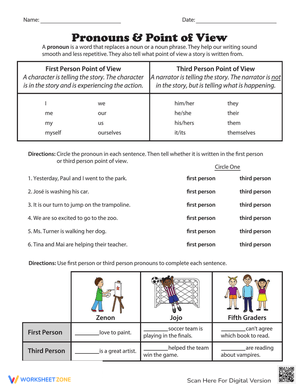
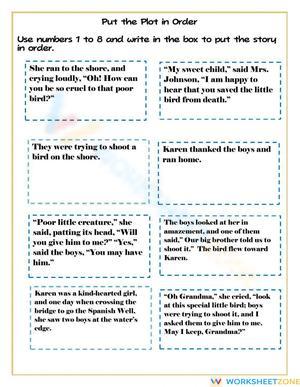
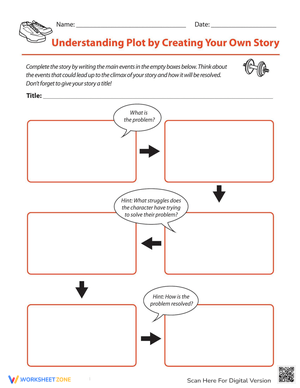
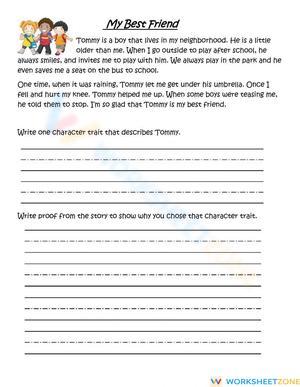
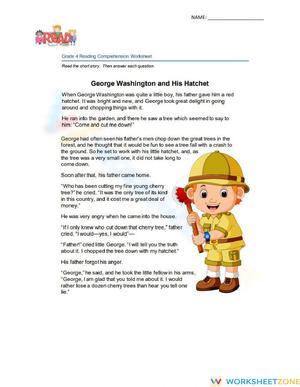
These 5th grade analyzing story structure worksheets resources give teachers printable practice that moves fifth graders past simple story-element identification and into the analytical work of explaining how a narrative's parts connect and build on each other. At grade 5, that distinction matters — students who can name a climax often still struggle to explain why the events leading up to it made it feel earned, and that explanatory gap is exactly where these worksheets focus.
What Each Worksheet Asks Students to Do
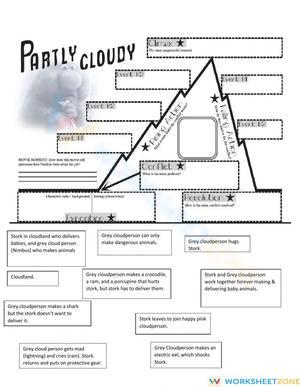
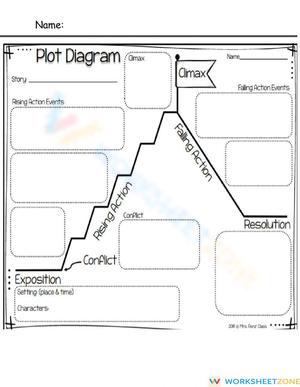
Each worksheet in the set works through the core components of narrative structure — characters, setting, conflict, rising-action events, climax, and resolution — with task design that pushes past checklist-style identification. Unlike basic story maps that stop at "name the problem," the strongest 5th grade analyzing story structure worksheets resources ask students to explain how the conflict develops, why the climax carries weight, and how the resolution ties back to earlier events. That explanatory move is the specific shift the grade 5 reading standard requires, and it's the one most students need the most practice making.
The skills addressed across the set include:
- Tracking how character decisions drive plot events forward
- Identifying how setting shapes the central problem or conflict
- Distinguishing individual rising-action events from the climax
- Explaining how the resolution connects back to the original conflict
- Citing specific text details to support structural analysis rather than falling back on general summary
Common Student Mistakes Worth Watching For and Addressing
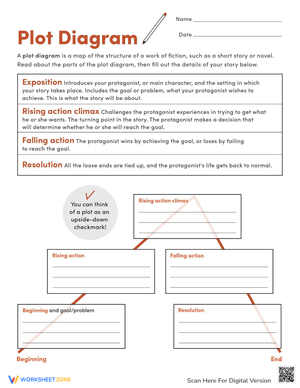
The most persistent error in fifth-grade story structure work isn't mislabeling the climax — it's treating every event as equally important. Students list five or six things that happened, stamp "rising action" on all of them, and label the final event the climax because it came last. That's sequencing, not analysis. Worksheets that ask "why does this event matter to the conflict?" rather than "what happened next?" interrupt that pattern directly.
A second consistent problem: students conflate the resolution with the ending. They write that the problem was solved because the story ended, not because of any specific decision or action. A targeted question — "What specific event or choice resolved the main conflict, and where in the story did it happen?" — draws that distinction better than a whole-class mini-lesson alone, because students have to locate the moment in the text rather than accept an explanation from the front of the room.
The third pattern worth watching is the "and then" summary dressed up as analysis: "First the character found the map, and then they got lost, and then they found the treasure." Questions that ask "how does this event change what comes next?" or "why does this feel like a turning point rather than just another event?" push students toward the causal reasoning that story structure analysis actually demands.
Standard Alignment
CCSS RL.5.5 asks students to explain how chapters, scenes, or stanzas fit together to provide the overall structure of a story, drama, or poem. The operative word is explain — not identify, not label. That distinction matters when selecting practice materials, because a worksheet that only asks students to fill in a story map addresses a prerequisite skill, not the standard itself.
These worksheets are calibrated to RL.5.5's explanatory demand. Students do complete organizers, but those organizers lead directly into written response prompts that require articulating relationships between parts. A student who can explain why the events of the second act made the climax feel necessary is demonstrating RL.5.5 in the way it's assessed in most state ELA frameworks. A practical classroom sequence is to use one worksheet focused on identifying major plot points as an entry-level task, then follow with a second worksheet that shifts entirely to written explanation — that progression gives students a concrete foundation before asking for the analysis the standard requires.
Working These Worksheets Into Your Lesson Planning
Teachers who build 5th grade analyzing story structure worksheets resources into a short structured routine — rather than treating each one as a stand-alone assignment — report stronger retention of plot vocabulary and better transfer to independent writing. The pattern that works consistently is roughly five minutes rereading a key passage section, five minutes completing the organizer portion of the worksheet, and five minutes writing one analytical response. That progression keeps the task self-contained while still requiring higher-level thinking by the end.
For small-group intervention, walking through one event at a time and asking "why does this matter to the conflict?" before students mark anything on the worksheet builds the verbal rehearsal that consistently improves written answer quality. In centers, the organizer and written response portions split cleanly: students complete the graphic section at the reading station, discuss it briefly with a partner, then finish the analysis writing independently before moving on.
Sub plans are a reliable use case. A PDF worksheet paired with a short passage gives a substitute self-sufficient directions while keeping students in familiar reading routines. For test preparation, a worksheet from earlier in the unit works as low-stakes review — students revisit a text they already know and practice the explanatory moves the assessment will require without the pressure of an unfamiliar passage under timed conditions.
Using These Worksheets Across Different Student Readiness Levels
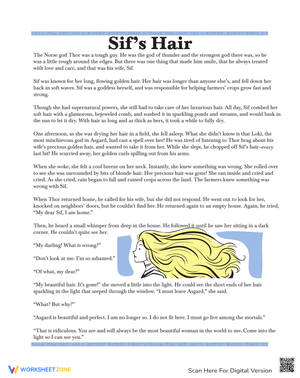
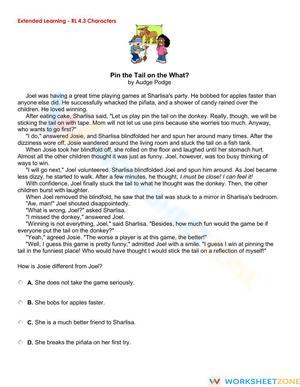
Within a mixed-ability class, 5th grade analyzing story structure worksheets practice that pairs a graphic organizer with a written response prompt serves a wider range of learners than graphic organizers alone. Students still working on narrative vocabulary have a concrete place to sort events before attempting any written analysis. Students who move through the organizer quickly carry more weight in the written response — and those students benefit from follow-up prompts that connect structural choices to the author's purpose rather than stopping at plot-level observation.
Adjusting text length is usually more effective than rewriting the worksheet itself. For students reading below grade level, a shorter passage or a graphic novel excerpt reduces the reading demand without changing the analytical task — the thinking about how one event leads to another stays the same. For students ready for additional challenge, working through two worksheets on texts with contrasting structures and then comparing how each author handled the climax is a strong extension move that keeps the analytical skill central without inflating the difficulty of the task itself.
Frequently Asked Questions
What is the difference between a story map and a story structure analysis worksheet?
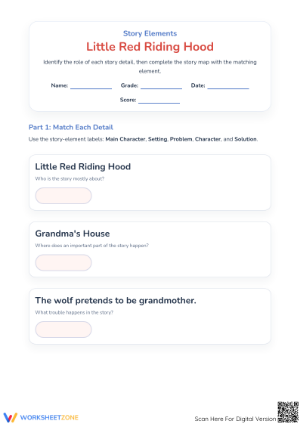
A story map asks students to identify elements — who, what, where, problem, solution. A story structure analysis worksheet goes further by asking students to explain how those elements interact: how the conflict grows more complicated through rising-action events, why the climax marks a turning point rather than just another event, and how the resolution directly addresses what was established early in the story. Identification is a starting point, not the final task.
How long are the passages used with these worksheets?
Passage length varies across the set. Some worksheets work with short fiction excerpts in the 300-to-500-word range — practical for targeted skill practice and homework. Others work with longer passages or full short stories that require students to track structure across a more extended narrative. That range allows teachers to match text length to available time and student readiness without switching to a different skill entirely.
Can these worksheets be used with class novels or picture books rather than included passages?
Yes. The organizer and written response questions on most worksheets in the set work with any fictional narrative. Many teachers attach them to chapters from a class novel, using the worksheet as a structured response task after a shared reading day. The written response questions hold up because they focus on structural relationships — questions about how the conflict developed or why a particular event marked the turning point apply to most fiction at the fifth-grade level.
How do these worksheets fit into test preparation?
State ELA assessments at grade 5 typically include narrative passages paired with selected-response and short-answer questions about story structure. These worksheets build the same analytical habits those assessments measure: identifying how events build toward a climax, explaining how the resolution addresses the central conflict, and citing text evidence to support structural observations. Using the worksheets across a unit — not just the week before a test — gives students enough repetitions that the analytical moves start to feel automatic rather than effortful.












 Interactive Worksheet Maker
 Quiz Maker
 Word Search Maker
 Crossword Puzzle Maker
 Word Scramble Generator
 Sentence Scramble Generator
 Handwriting Worksheet Generator
 Name Tracing Generator
 Fill In The Blank Generator