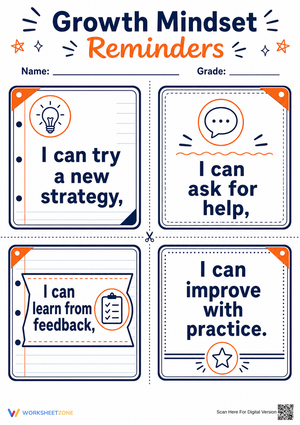
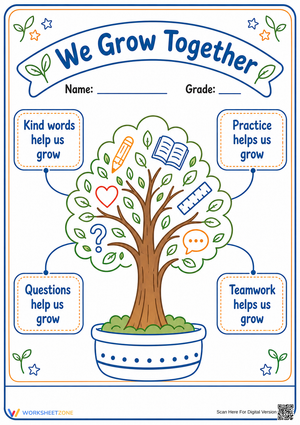
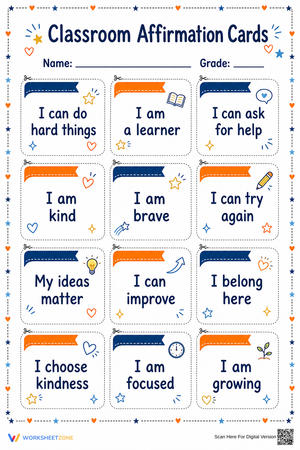
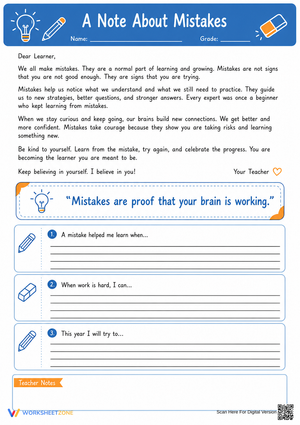
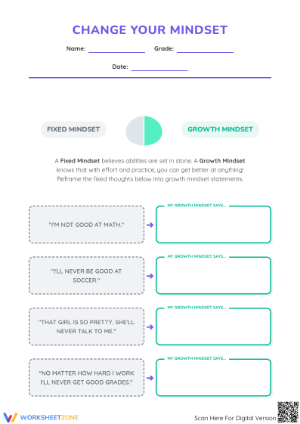
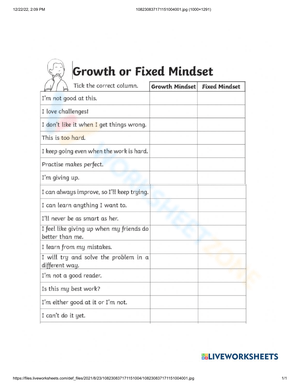
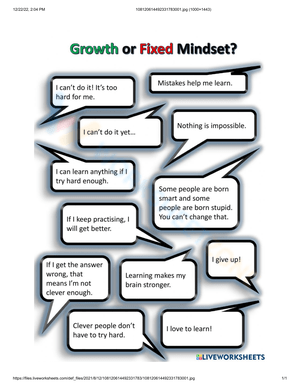
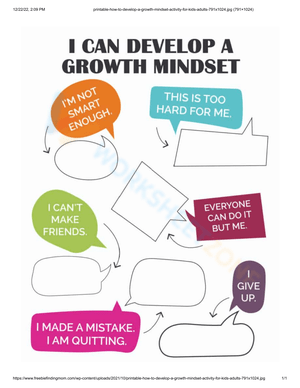
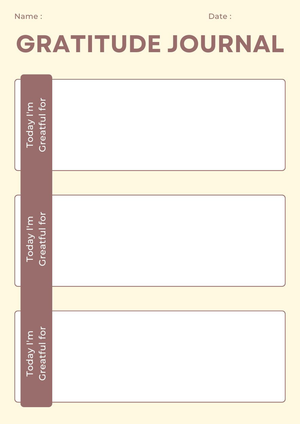
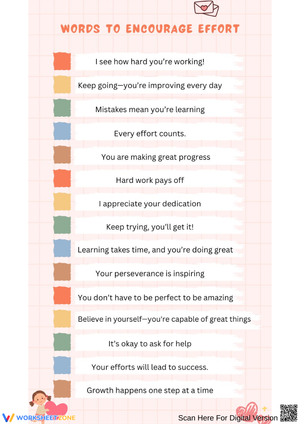
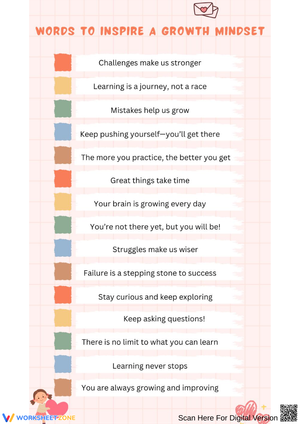
Growth mindset fits naturally inside social-emotional learning because students are doing more than improving academics. They are learning how to respond to stress, accept feedback, and make productive choices after a setback. That is why these printables can work during SEL blocks, behavior follow-up, counseling groups, or class meetings as well as during academic instruction.
CASEL describes SEL through 5 interrelated areas: self-awareness, self-management, social awareness, relationship skills, and responsible decision-making. That 5-part frame is useful for 5th grade growth mindset work because one worksheet can build reflection, persistence, and next-step planning at the same time, according to CASEL: What Is the CASEL Framework?
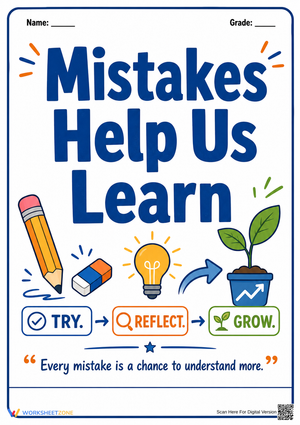
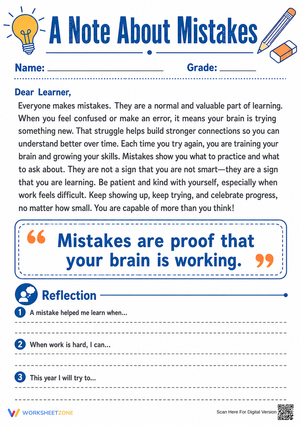
A worksheet about mistakes, for example, can ask students to notice their inner response, choose a calmer action, and plan how to recover. That sequence supports self-awareness and self-management while keeping the work tied to responsible decisions in class. It also helps teachers connect mindset language to the routines students already hear in social-skills instruction.
What strong 5th grade growth mindset worksheets should include
If the tone sounds too young or the task only asks students to agree with positive statements, many 5th graders will rush through it. Effective pages respect their age level and ask them to think through a challenge in a realistic way.
- Real classroom scenarios: mistakes on a quiz, tough reading passages, revision after feedback, group work problems, or frustration during multi-step tasks.
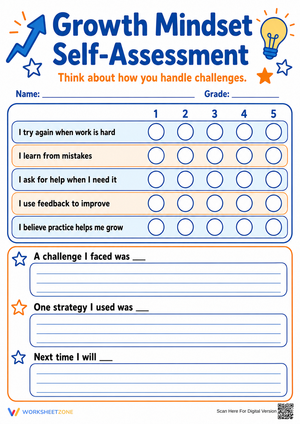
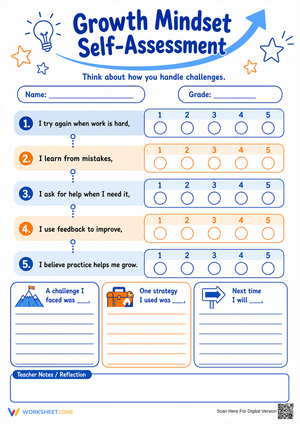
- Reflection prompts: questions about what the student thought, felt, and chose during the challenge.
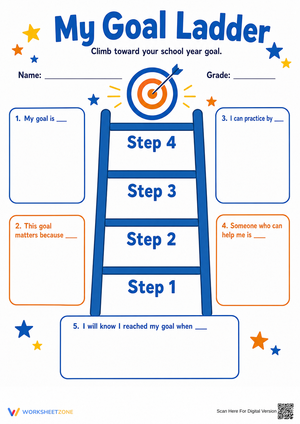
- Next-step planning: a place to name one strategy, one support, or one goal for the next attempt.
- Short writing demands: enough space for thoughtful responses without creating another barrier for discouraged students.
- Age-fit wording: language that sounds appropriate for 5th grade rather than early primary.
Teachers often see better results when a worksheet moves from awareness to action. A prompt like “What can you try if your first strategy does not work?” is much more helpful than a page that simply repeats that effort matters. Students need practice making decisions during challenge, not just recognizing a slogan.
Where teachers can use growth mindset worksheets during the week
One reason teachers look for growth mindset worksheets for 5th grade is flexibility. A strong printable can fit into morning work, a short SEL mini-lesson, an early finisher bin, independent reflection after a hard task, or homework that prompts a family conversation about perseverance. It does not need a large setup if the prompts are clear and tied to common classroom experiences.
These pages also work well after revision and reteaching moments. A student who struggled during a math review or writing conference can use a worksheet to identify what felt hard, what support helped, and what to try next. In small groups, counselors and interventionists can use the same format to open discussion before students share examples from their own week.
Edutopia: The Power of Learning From Mistakes reinforces this classroom use because the article highlights mistakes as part of learning, not something students should hide. A worksheet helps 5th graders turn that message into action by giving them a structure for reflection, revision, and trying again.
Classroom Implementation
Teachers usually get stronger results when the worksheet is part of a routine instead of a one-time lesson. A simple structure works well: introduce one realistic challenge, give students quiet time to complete the page, ask for partner talk, and close with one written commitment. That keeps the task grounded and makes it easier to transfer back to academic work.
The best time to use a mindset worksheet is often right after a visible struggle point such as a test review, project checkpoint, or writing conference. When students reflect on a fresh experience, their answers are more specific and more honest. That timing also helps the teacher connect the worksheet to an immediate next move, which makes the lesson feel useful instead of generic.
It also helps to keep the written demand manageable. Fifth graders can reflect deeply, but too much open-ended writing may create resistance for students who already feel discouraged. Short prompts, sentence frames, or one focused goal box often produce clearer thinking than a long response page.
Consistency matters more than length. Using one short worksheet each week for several weeks usually builds stronger classroom habits than a single long lesson at the start of the year. Students begin to expect that mistakes, feedback, and revision will be discussed in practical ways, not treated as side topics.
Frequently Asked Questions
1. What should a growth mindset worksheet include for 5th graders?
It should include realistic school scenarios, short reflection questions, and a clear next-step prompt. Fifth graders usually need more than slogans. They respond better when the page helps them connect a challenge to a strategy they can actually use in class.
2. How can teachers use growth mindset worksheets during SEL or morning meeting?
They work well as a brief opener, partner discussion prompt, or weekly reflection page. In morning meeting, teachers can use one scenario and one written response. During SEL, the same page can lead into discussion about feedback, perseverance, and self-management.
3. Are growth mindset worksheets appropriate for counseling groups or behavior intervention?
Yes. They are especially useful when students avoid hard work, use negative self-talk, or shut down after mistakes. In those settings, the worksheet should guide reflection and planning rather than act as a consequence.
4. How do growth mindset activities connect to social-emotional learning standards?
They connect most directly to self-awareness, self-management, and responsible decision-making. A worksheet can help students notice their reaction during difficulty, regulate their response, and choose a productive next step, which is why mindset work fits naturally inside SEL routines.












 Interactive Worksheet Maker
 Quiz Maker
 Word Search Maker
 Crossword Puzzle Maker
 Word Scramble Generator
 Sentence Scramble Generator
 Handwriting Worksheet Generator
 Name Tracing Generator
 Fill In The Blank Generator