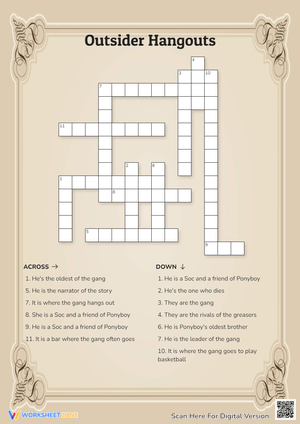
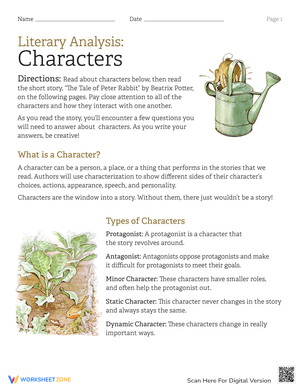
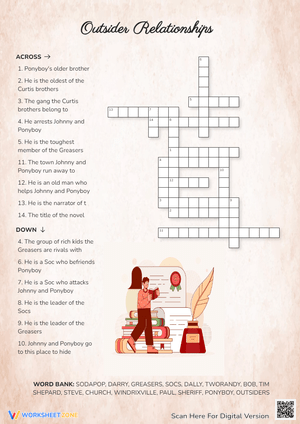
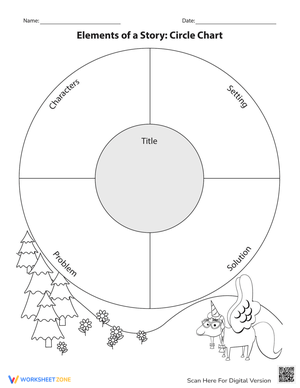
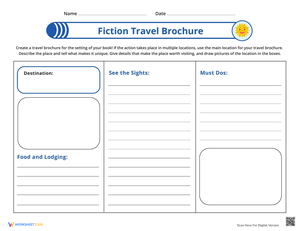
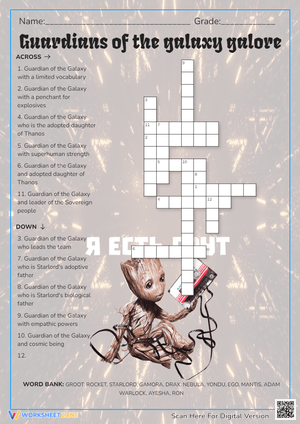
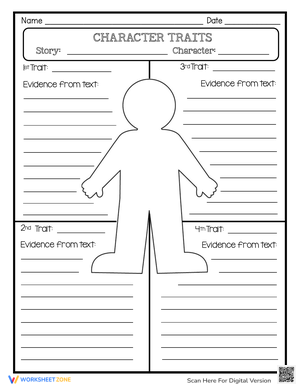
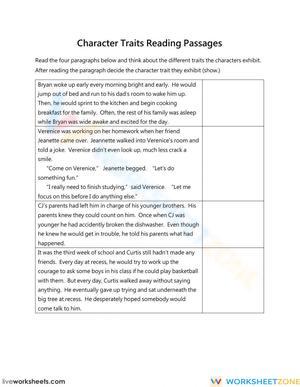
These analyzing character pdf worksheets for 4th grade give teachers a targeted set of resources for pushing students past basic plot recall and into the harder, more interesting work of figuring out who a character actually is and why they act the way they do. The set covers traits, motivations, text evidence, and character change — the four threads that appear across nearly every Grade 4 reading standard dealing with literary characters.
The Specific Skills Each Worksheet Targets
Each worksheet in the set addresses a distinct dimension of characterization. Rather than asking students to describe a character generally, the tasks direct attention to specific textual evidence — dialogue, actions, or an author's direct description — and require students to explain what that evidence reveals. Skills covered include:
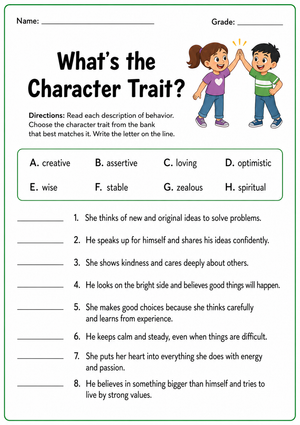
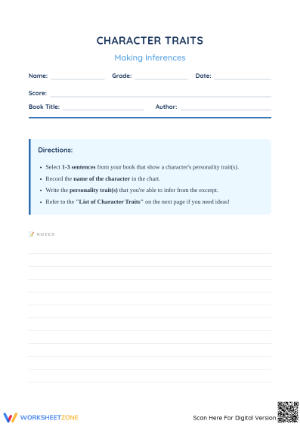
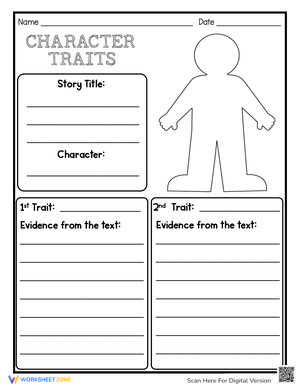
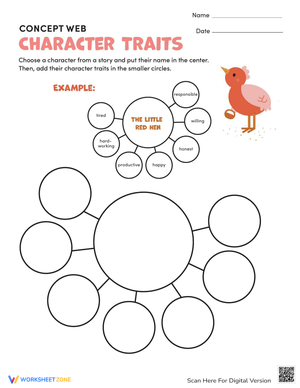
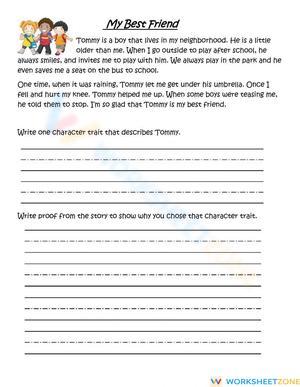
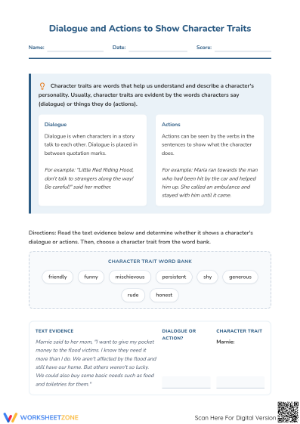
- Identifying character traits from indirect evidence — students mark the relevant passage, name the trait it reveals, and write a sentence explaining their reasoning
- Sorting traits from feelings — exercises presenting a list of character descriptors and asking students to categorize them as temporary emotional reactions versus enduring personality patterns
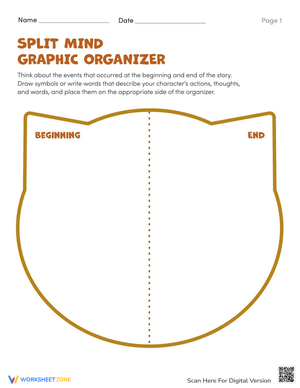
- Tracking character change — a before-and-after format where students record how a character's outlook or behavior shifts across key story events
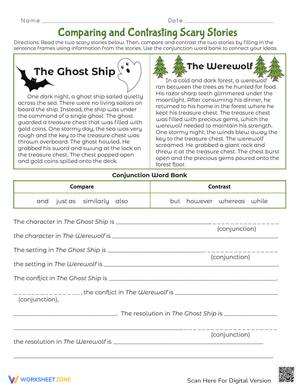
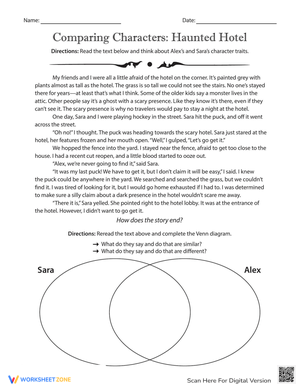
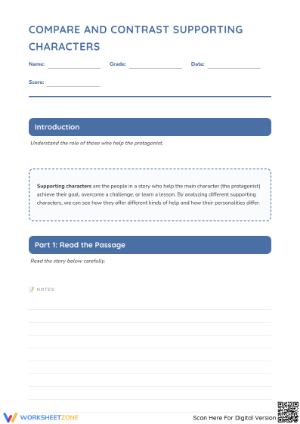
- Comparing two characters — a structured comparison format useful for analyzing protagonist-antagonist relationships
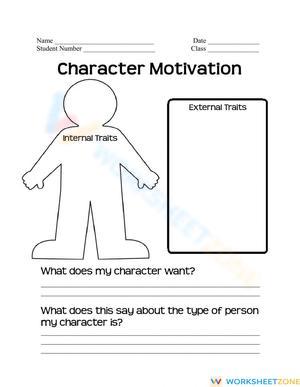
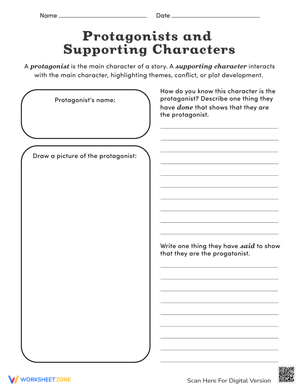
- Evaluating motivation — students identify what a character wants, what stands in the way, and how those forces shape the character's decisions
The STEAL framework — Speech, Thoughts, Effect on Others, Actions, Looks — runs through several worksheets as an organizing lens. One worksheet asks students to find one piece of evidence for each STEAL category from a passage they've read, then write a claim sentence connecting that evidence to a specific trait. The sequence — evidence first, claim second — directly addresses a pattern that shows up constantly in student work: kids who write "brave" at the top of the page and then hunt for quotes to confirm it, rather than letting the evidence shape their conclusion.
Student Errors Worth Anticipating Before You Hand These Out
The most consistent error in fourth-grade character analysis is conflating feeling-words with trait-words. A student will write "Charlotte is sad" because Charlotte cries when Wilbur is in danger. That's accurate, but it describes a momentary emotional state, not a personality trait. The distinction matters because RL.4.3 asks for depth — sustained analysis across the text, not isolated reactions. Several worksheets in this set include a traits-versus-feelings sort for exactly this reason. Running it as a whole-group warm-up before students begin independent work significantly reduces the number of feeling-words that appear as supposed traits in written responses.
A second error, subtler but equally common, involves evidence quality. Students cite a line of dialogue as proof of a trait and then stop there. The quote sits on the page, but the reasoning — why does this quote reveal that trait? — is missing entirely. You can almost predict which students will do this: usually strong decoders who have learned that "finding evidence" means locating a quote, full stop. Each analysis worksheet here builds in an explicit reasoning step between the quote and the trait label, asking students to write a connecting sentence ("This shows _____ because..."). That single inserted step cuts the unsupported inference problem sharply.
How to Build These Worksheets Into Your Weekly Literacy Block
The most effective placement is the transition between whole-group instruction and independent reading. Use the first ten to twelve minutes of your literacy block to model trait identification with a mentor text — a picture book or a single chapter from your read-aloud works well — then send students off with one worksheet that mirrors exactly what you demonstrated. Students are applying a strategy they just watched, not generating an approach on their own, and the gap between instruction and practice stays narrow.
During reading conferences, a completed or partially completed worksheet is one of the most useful diagnostic tools you have. You can see immediately whether a student is stuck at evidence-finding or whether they found evidence but cannot connect it to a trait. That distinction shapes a three-minute conference far better than a verbal check-in. The analyzing character pdf worksheets for 4th grade in this set are also repeatable — the same format applies to a different text each week, which builds the routine of evidence-based analysis without requiring students to learn a new task structure every time.
Standard Alignment
The primary standard addressed across the set is CCSS.ELA-LITERACY.RL.4.3: "Describe in depth a character, setting, or event in a story or drama, drawing on specific details in the text (e.g., a character's thoughts, words, or actions)." In instructional terms, this standard marks a clear shift from Grade 3, where students identify characters using text details, to Grade 4, where the expectation is depth — multi-point analysis rather than a list of adjectives. The worksheets move from single-trait identification through comparative analysis and motivation inference, which mirrors the progression a teacher would build across a unit. Teachers in states using modified standards should cross-reference RL.4.3 with their own framework, though the core skill set is consistent across most state adaptations.
Differentiating These Worksheets for a Range of Learners
For students still working on basic text evidence — pulling a quote and connecting it to a named trait — start with the single-trait worksheets that include a sentence frame: "I know _____ is _____ because the text says..." The frame gives students the structure of an analytical claim without requiring them to generate the language from scratch. Once they complete that format fluently and consistently, remove the frame and ask them to write the connecting sentence in their own words.
For students who move quickly through the trait work, the comparative and motivation-focused worksheets offer more challenge. Holding two characters in mind simultaneously, or reasoning about cause and effect across multiple story events, pushes toward the analytical thinking fourth graders will need in fifth grade. If a student is already writing multi-sentence trait analyses without prompting, adding an evaluative question to the motivation worksheet — "Is this character's motivation justified by what happens in the story?" — adds a layer that sharpens the reasoning even when the base skill is already strong. These analyzing character pdf worksheets for 4th grade give you enough range in the set to meet students at different points without preparing entirely separate tasks.
Frequently Asked Questions
Can these worksheets be used with any text, or do they require specific books?
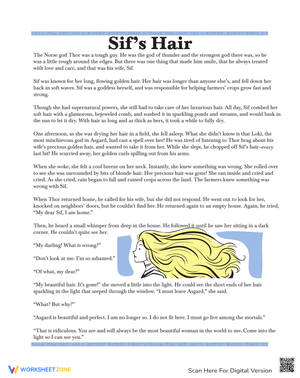
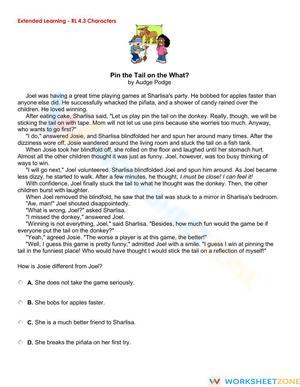
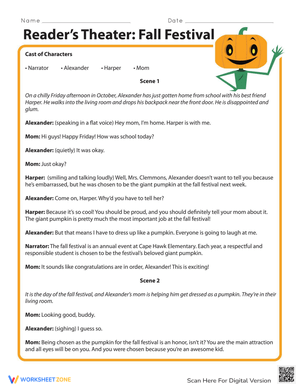
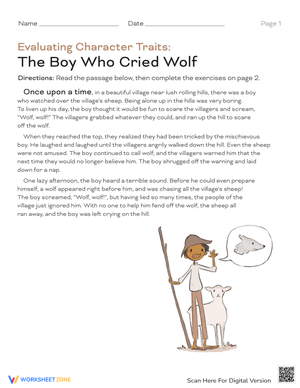
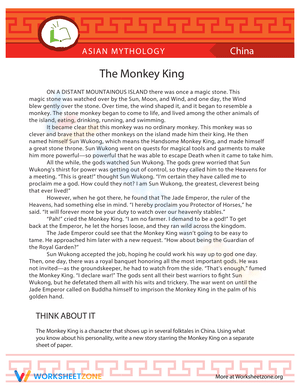
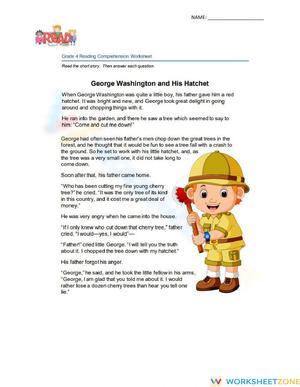
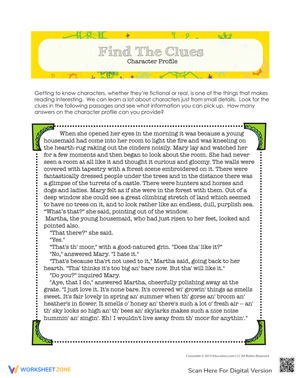
The worksheets are text-neutral — students bring their own reading to the task. That makes them workable for classrooms running literature circles, independent reading programs, or whole-class novels. A few worksheets include a short passage printed directly on the page for teachers who want a self-contained option, but most work best alongside whatever students are already reading.
How do I use these as formative assessments rather than just practice?
The most revealing part of any completed worksheet is the connecting sentence — where a student explains why a piece of evidence reveals a particular trait. That sentence is your clearest window into whether the student is inferring or just labeling. Strong analytical thinking produces sentences that go beyond "this shows he is brave" and articulate a specific contrast or implication in the text. Collect these worksheets mid-unit, not only at the end, and use the evidence-to-reasoning gap as a teaching focus for the second half of your unit.
Do these work for biographies as well as fiction?
Yes. The trait-identification and motivation formats transfer directly to biography. The analyzing character pdf worksheets for 4th grade that center on motivation are especially useful with historical figures — students can ask what the person wanted, what obstacles stood in the way, and how their choices reflected their values, which connects character analysis to historical thinking. The feelings-versus-traits sort works well here too; fourth graders often describe historical figures as "happy" or "angry" when the analysis calls for something considerably more precise.
What if students disagree about a character's trait?
That disagreement is worth preserving rather than resolving too quickly. When one student concludes a character is "determined" and another concludes she is "stubborn," both drawing on the same passage, the real question is which evidence each student is using and whether it actually supports the claim. A brief class discussion around competing interpretations — each grounded in specific page numbers and quoted lines — is one of the best uses of these worksheets. It shows students that literary analysis requires judgment, not just retrieval.












 Interactive Worksheet Maker
 Quiz Maker
 Word Search Maker
 Crossword Puzzle Maker
 Word Scramble Generator
 Sentence Scramble Generator
 Handwriting Worksheet Generator
 Name Tracing Generator
 Fill In The Blank Generator