




















Preschoolers are little explorers, not just of the world around them but also of their own feelings! One moment, they’re giggling with friends, and the next, they might feel frustrated because their block tower fell. Learning how to understand emotions, share with others, and solve problems is a big part of growing up.
The best way to help? Through play! Fun and engaging activities can teach preschoolers how to express their feelings, make friends, and handle tricky situations. Below, we’ve put together 20 exciting social emotional activities for preschoolers that help build confidence, kindness, and teamwork, all while having fun!
20 social emotional activities for preschoolers
Here are 20 engaging social emotional activities for preschoolers that encourage emotional growth and social skills in a playful way!
1. Emotion matching game
This fun and interactive game helps preschoolers recognize and understand different emotions. Create emotion cards with pictures of faces showing happiness, sadness, anger, surprise, fear, and other expressions. You can either draw these expressions or print out pictures.

How to play:
- Lay the cards face up and ask children to match the emotions to real-life situations (e.g., “Which face shows how you feel when you get a hug?”).
- Have children take turns picking a card and acting out the emotion while others guess what it is.
- Pair the game with a mirror and let kids practice making different facial expressions to see how emotions look on their own faces.
Why it helps:
This game strengthens emotional awareness, encourages empathy, and helps children put words to their feelings. It also builds social skills by encouraging them to observe and understand emotions in others.
2. Feelings chart
A feelings chart is a great tool to help preschoolers identify and express their emotions in a visual way. It encourages self-awareness and helps children communicate their feelings throughout the day.

How to use:
- Create a chart with different emotions using pictures, emoji faces, or colors.
- Have children place their name tag, clip, or sticker on the emotion they feel.
- Encourage kids to update their choice throughout the day as their feelings change.
- Use the chart as a conversation starter to discuss emotions and ways to manage them.
Why it helps:
This activity teaches children to recognize their emotions, express themselves, and develop emotional regulation skills. It also helps caregivers understand and support children’s emotional needs.
3. Puppet play
Puppet play is a fun and engaging way for preschoolers to explore emotions, practice communication, and learn social skills through storytelling and role-playing.

How to play:
- Use hand puppets, finger puppets, or even stuffed animals to act out different social situations.
- Encourage children to role-play common scenarios, such as making a new friend, sharing toys, or handling frustration.
- Let kids create their own puppet stories to express feelings or solve problems in a playful way.
Why it helps:
This activity builds emotional expression, encourages problem-solving, and helps children practice empathy by seeing different perspectives in a safe, imaginative setting.
4. Friendship bracelets
Making friendship bracelets is a creative and meaningful way for preschoolers to practice kindness, sharing, and appreciation for others.

How to do it:
- Provide colorful beads, yarn, or pipe cleaners for children to make bracelets.
- Encourage kids to make a bracelet for a friend, family member, or teacher.
- Have them share why they chose certain colors or designs and what makes their friend special.
Why it helps:
This activity fosters friendship, encourages generosity, and helps children understand the joy of giving and receiving thoughtful gestures.
5. Breathing buddies
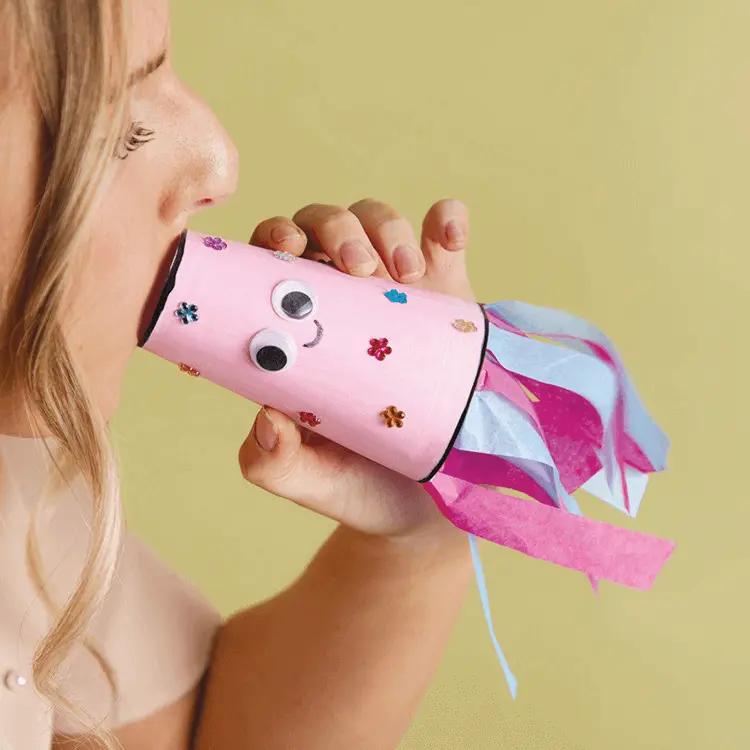
Breathing buddies help preschoolers learn deep breathing techniques to calm their bodies and manage emotions.
How to do it:
- Have each child lie down with a small stuffed animal (their “breathing buddy”) on their belly.
- Ask them to take slow, deep breaths and watch their buddy rise and fall.
- Encourage them to use this technique whenever they feel upset or overwhelmed.
Why it helps:
This activity teaches self-regulation, helps children manage stress, and introduces mindfulness in a simple, engaging way.
6. The calm-down corner
A calm-down corner is a quiet, cozy space where preschoolers can go to relax and manage their emotions.

How to set it up:
- Choose a soft, quiet area with pillows, stuffed animals, and calming visuals.
- Add sensory tools like stress balls, fidget toys, or a feelings chart.
- Include books about emotions to help children understand their feelings.
Why it helps:
This space provides a safe way for kids to self-soothe, practice emotional regulation, and return to activities feeling more in control.
7. Kindness jar
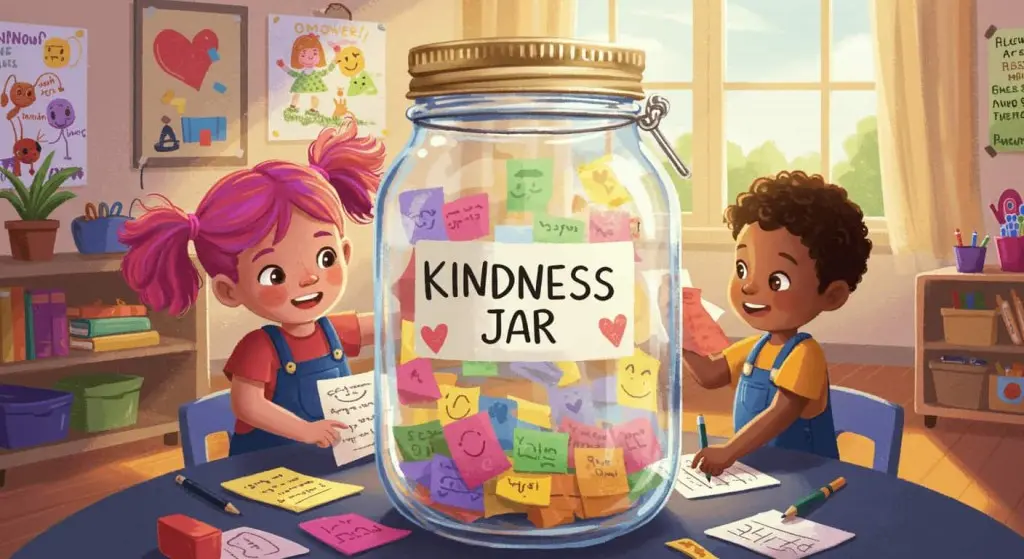
A kindness jar encourages preschoolers to recognize and celebrate acts of kindness in their daily lives.
How to use it:
- Place a jar in the classroom or home with small slips of paper nearby.
- Whenever a child sees or does something kind, they write or draw it on a slip and put it in the jar.
- At the end of the week, read the notes aloud to highlight positive behaviors.
Why it helps:
This activity promotes kindness, encourages positive social interactions, and helps children feel proud of their caring actions.
8. Storytime discussions
Reading stories about emotions and social situations helps preschoolers understand feelings and learn important social skills.
How to do it:
- Choose books that focus on emotions, kindness, or friendship.
- Pause during the story to ask, “How do you think the character feels?” or “What would you do in this situation?”
- After reading, discuss the lessons learned and relate them to real-life experiences.
Why it helps:
This activity builds emotional awareness, encourages empathy, and helps children practice expressing their thoughts and feelings.
9. Mirror expressions
Mirror expressions help preschoolers recognize and understand different emotions by seeing them on their own faces.

How to do it:
- Give each child a mirror and call out different emotions like happy, sad, angry, or surprised.
- Ask them to make the matching facial expression while looking in the mirror.
- Encourage them to guess each other’s emotions and talk about when they might feel that way.
Why it helps:
This activity strengthens emotional awareness, helps children identify feelings in themselves and others, and improves social communication skills.
10. Cooperative art
Cooperative art is a fun and creative way for preschoolers to practice teamwork, patience, and communication while making something beautiful together.

How to do it:
- Provide a large sheet of paper and a variety of art supplies such as crayons, markers, stickers, or paint.
- Give the group a theme, like “Our Happy Community” or “A Day at the Park,” and encourage them to work together to create one big picture.
- Assign different roles (one child draws trees, another adds animals, etc.) or let them collaborate freely.
- Guide them to share materials, take turns, and talk about their artwork as they go.
Why it helps:
This activity teaches preschoolers cooperation, turn-taking, and respectful communication. It also helps them appreciate teamwork and builds social bonds while allowing self-expression through art.
11. Role-playing conflict resolution
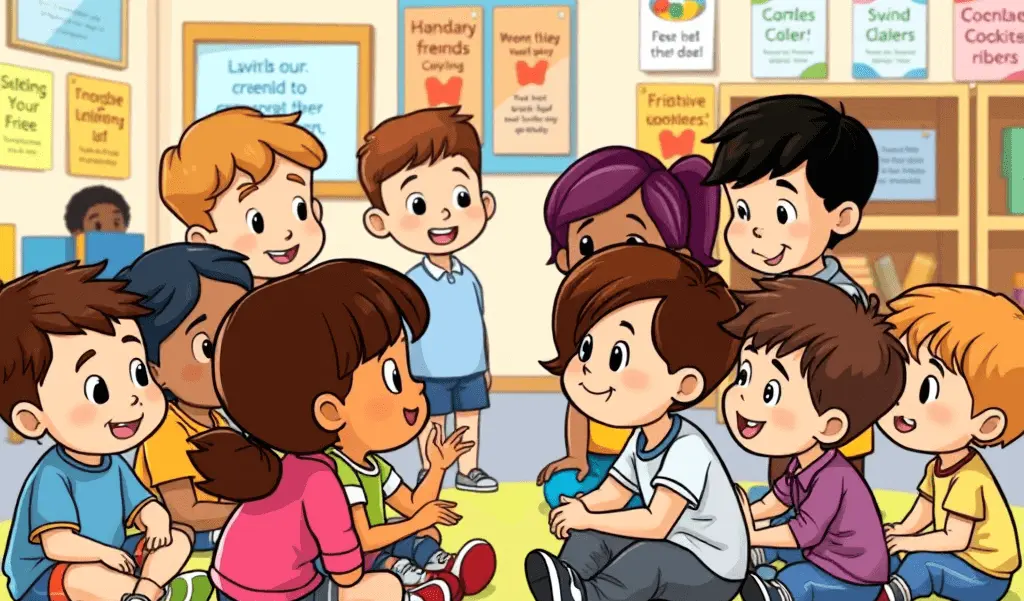
Role-playing helps preschoolers learn how to handle conflicts in a positive and respectful way by practicing real-life social situations.
How to do it:
- Choose common preschool conflicts, such as wanting the same toy, waiting for a turn, or dealing with hurt feelings.
- Assign roles to children and have them act out the scenario.
- Guide them to find fair and kind solutions, such as using words to express feelings, asking for help, or taking turns.
- Switch roles so children can see different perspectives in the situation.
Why it helps:
This activity teaches problem-solving, empathy, and communication skills, helping preschoolers learn to resolve conflicts peacefully and build stronger friendships.
Recommendation: Reinforce social skills with these engaging social skills worksheets focused on listening, cooperation, and conflict resolution.
12. Dance & freeze
Dance & Freeze is a high-energy activity that helps preschoolers practice self-control, listening skills, and emotional expression through movement.
How to do it:
- Play fun, upbeat music and encourage children to dance freely.
- Pause the music at random times and call out an emotion (e.g., “happy,” “angry,” “surprised”).
- Children must freeze and show the matching facial expression or body language for that feeling.
- Resume the music and repeat with different emotions.
Why it helps:
This activity strengthens emotional awareness, improves self-regulation, and helps children express emotions in a fun, active way.
13. Empathy circle
An empathy circle helps preschoolers practice listening, understanding others’ feelings, and expressing their own emotions in a safe and supportive way.

How to do it:
- Have children sit in a circle and take turns sharing something that made them happy, sad, or frustrated.
- Encourage others to listen carefully and respond with kind words like, “That sounds exciting!” or “I’m sorry that happened. How can I help?”
- Use prompts like “How would you feel if…?” to help children think about different perspectives.
Why It Helps:
This activity builds emotional awareness, strengthens listening skills, and encourages kindness and empathy in young children.
14. Gratitude tree
A gratitude tree helps preschoolers recognize and appreciate the good things in their lives, fostering a positive mindset.

How to do it:
- Draw or create a tree using paper or a small branch in a vase.
- Cut out paper leaves and invite children to write or draw something they are thankful for.
- Attach the leaves to the tree and add new ones regularly.
Why it helps:
This activity encourages gratitude, positive thinking, and emotional well-being while helping children focus on the good in their daily lives.
15. Sensory bottles
Sensory bottles provide a calming and soothing way for preschoolers to manage big emotions and develop focus.
How to do it:
- Fill a clear plastic bottle with water, glitter, beads, or small objects.
- Seal the bottle tightly and shake it to create a slow-moving, mesmerizing effect.
- Encourage children to watch the swirling glitter when they feel upset or overwhelmed.
Why it helps:
This activity promotes self-regulation, mindfulness, and relaxation, helping children calm down when emotions run high.
16. “I” statements practice
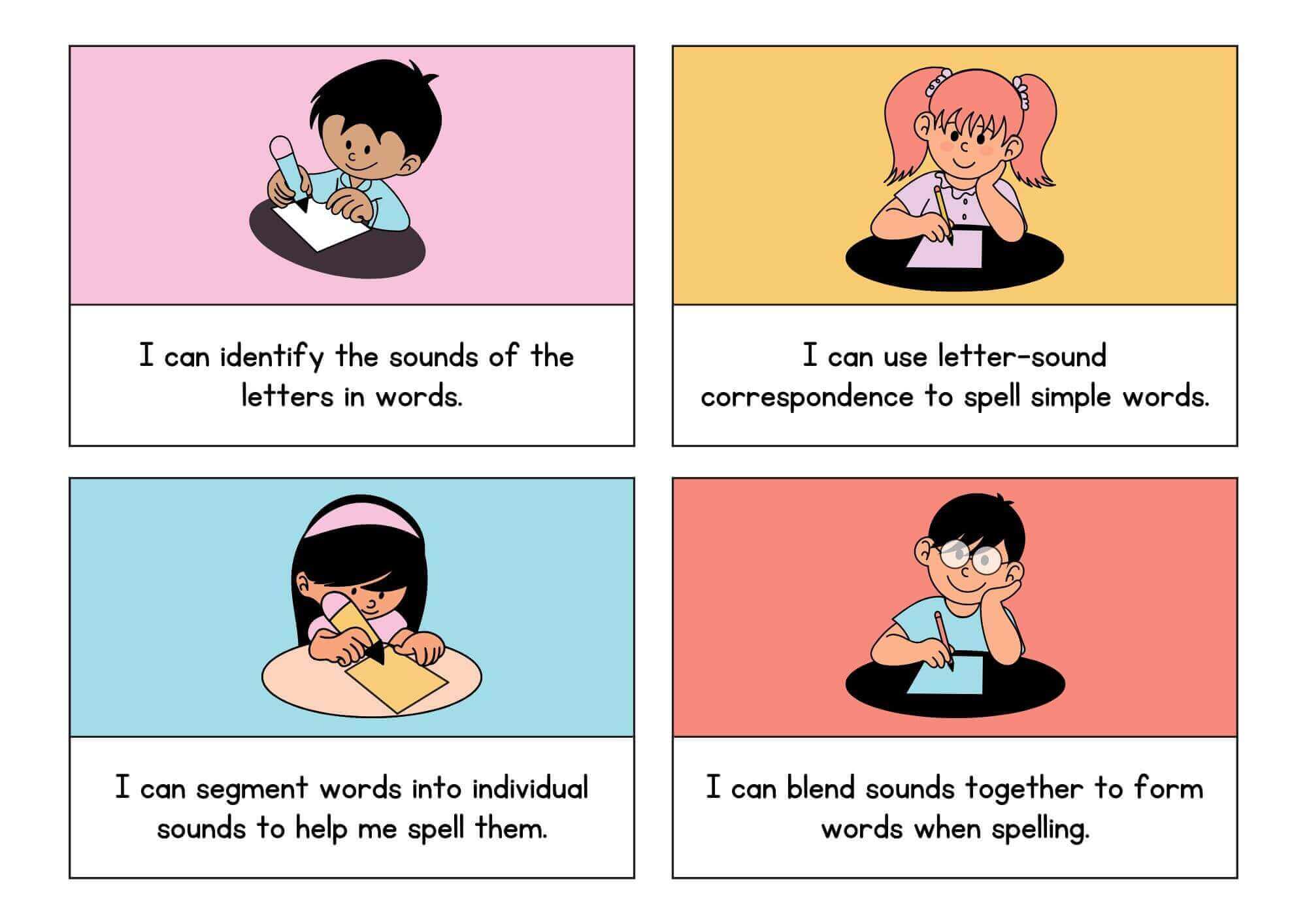
Practicing “I” statements helps preschoolers express their feelings in a clear and respectful way.
How to do it:
- Teach children the sentence structure: “I feel __ when __ because __.”
- Role-play different situations where they might need to express their emotions.
- Encourage them to use “I” statements instead of blaming others (e.g., “I feel sad when you take my toy” instead of “You made me sad!”).
Why it helps:
This activity teaches emotional expression, conflict resolution, and healthy communication skills.
17. Partner yoga
Partner yoga helps preschoolers practice cooperation, balance, and trust while engaging in gentle movement.
How to do it:
- Pair up children and guide them through simple partner poses like back-to-back breathing or holding hands while stretching.
- Encourage them to communicate and work together to stay balanced.
- Use calming music and deep breathing for relaxation.
Why it helps:
This activity promotes teamwork, patience, body awareness, and emotional regulation through movement.
18. Passing the smile
Passing the smile is a simple and fun game that encourages connection and spreads positivity.
How to do it:
- Have children sit in a circle. One child starts by smiling at the person next to them.
- That child then smiles at the next person, passing it around the circle.
- Add variations like silly faces or giggles to make it more fun!
Why it helps:
This activity builds social bonds, boosts mood, and teaches children the power of kindness and positive interactions.
19. Building blocks of friendship
This activity teaches preschoolers about friendship and teamwork through a fun building challenge.
How to do it:
- Give each child a few blocks and ask them to work together to build one big structure.
- Encourage them to communicate, share, and collaborate.
- Discuss how working together made the structure stronger, just like friendships!
Why it helps:
This activity strengthens teamwork, communication, and problem-solving skills while reinforcing the value of friendship.
20. Emotion sorting game
The emotion sorting game helps preschoolers recognize and categorize different feelings based on real-life situations.
How to do it:
- Prepare pictures or scenario cards showing different emotions (e.g., a child crying, laughing, or looking surprised).
- Have children sort them into categories like “happy,” “sad,” “angry,” or “scared.”
- Discuss why each picture fits into a certain category.
Why it helps:
This activity builds emotional awareness, vocabulary, and the ability to recognize emotions in themselves and others.
Need visual support? Try our preschool-friendly emotions worksheets to help little ones recognize and name their feelings.
FAQs
1. What are some social emotional milestones for a 4 year old?
By the age of 4, children develop important social-emotional skills that help them navigate relationships and express their feelings. Common milestones include:
- Recognizing and naming emotions (e.g., “I feel happy” or “I’m sad”).
- Showing empathy by comforting others who are upset.
- Taking turns and sharing during playtime.
- Expressing frustration with words rather than physical actions.
- Following simple social rules like saying “please” and “thank you.”
- Engaging in pretend play and cooperating with peers.
2. Which activity would best promote emotional development for pre-schoolers?
There is no single “best” activity, as different activities support different aspects of emotional development. However, role-playing conflict resolution is highly effective because it teaches problem-solving, emotional expression, and empathy in real-life situations.
Other great activities include:
- Feelings chart – Helps children recognize and express emotions.
- Empathy circle – Encourages active listening and understanding others’ feelings.
- Breathing buddies – Teaches self-regulation and calming techniques.
- Cooperative art – Builds teamwork, patience, and social interaction skills.
Final thoughts
Helping young children develop social-emotional skills is essential for their overall growth and future success. By incorporating social emotional activities for preschoolers into daily routines, parents and teachers can support children in understanding emotions, building friendships, and handling challenges with confidence. Whether through role-playing, creative arts, or calming techniques, these engaging activities create a strong foundation for emotional well-being. Social-emotional worksheets can also help with this. Browse our worksheets for access to tons of free worksheets on this topic. Start introducing these fun exercises today to help preschoolers thrive socially and emotionally!


