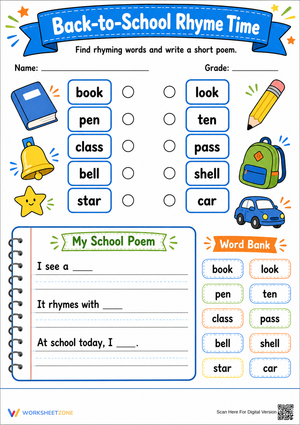
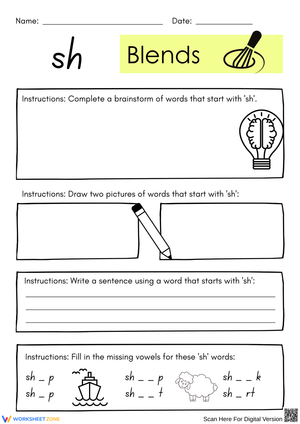
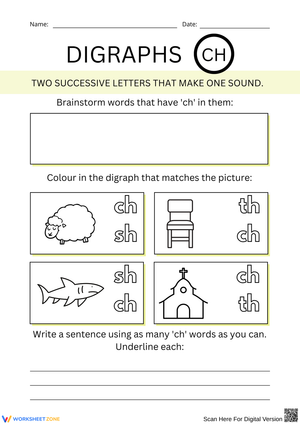
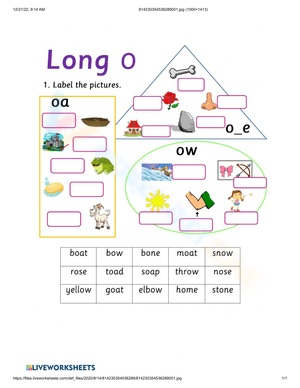
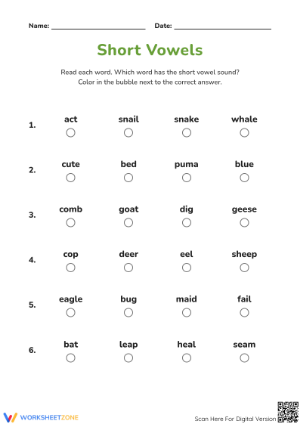
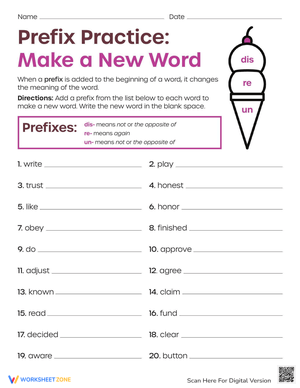
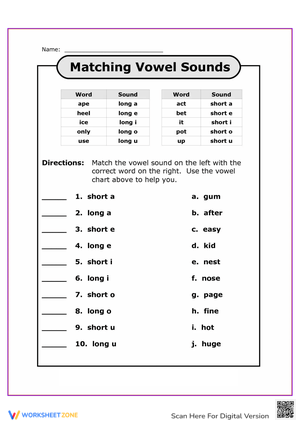
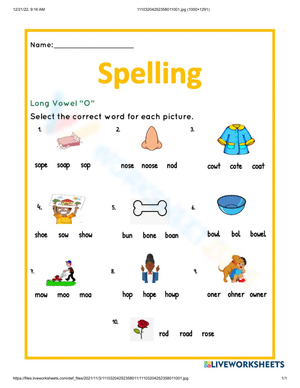
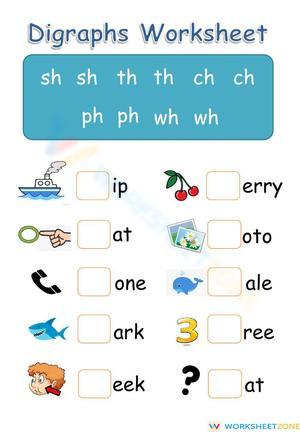
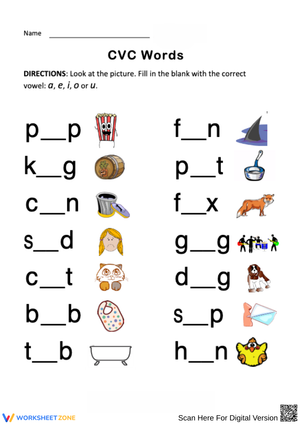
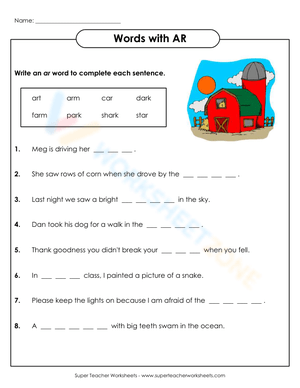
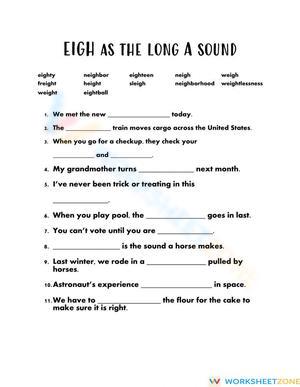
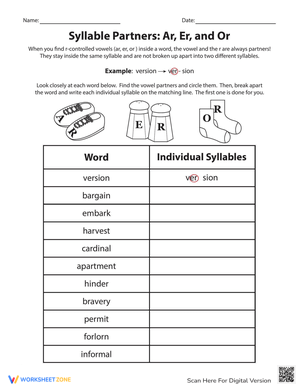
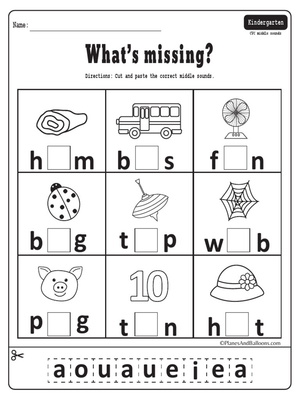
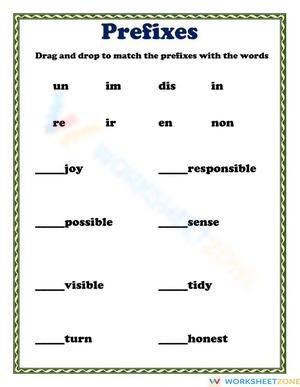
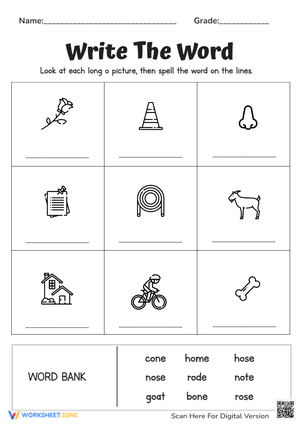
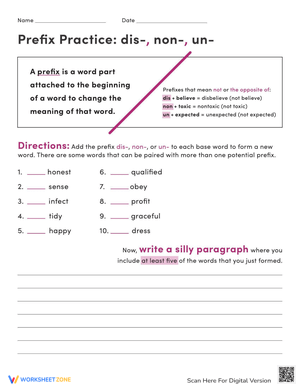
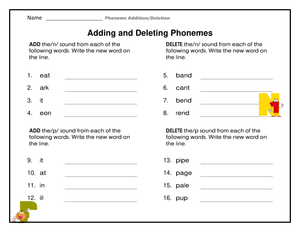
These phonics worksheets for 3rd grade give teachers printable decoding practice built around the skills that define third-grade reading difficulty — syllable division, prefix and suffix identification, complex vowel patterns, and diphthongs. Each worksheet isolates one structural analysis skill and moves students through recognition, application, and transfer within a focused exercise. The set works for whole-class review, RTI intervention groups, and the independent literacy center time that runs while guided reading happens at the back table.
The Specific Skills Covered
Third grade is the year students stop learning to read and start reading to learn — and the science and social studies texts they encounter don't wait for anyone to catch up. The words that stall third graders are almost always multisyllabic: photograph, independent, environment. Students who have practiced mainly CVC and CVCE patterns don't have the tools to break those words apart. Each worksheet in this phonics worksheets for 3rd grade set builds exactly those tools.
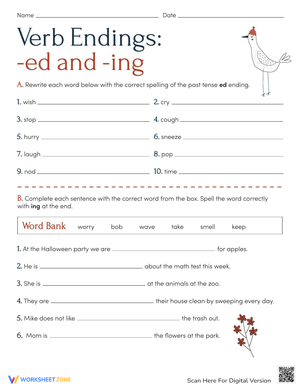
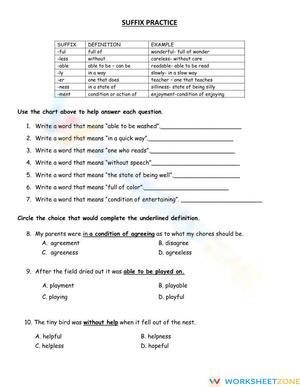
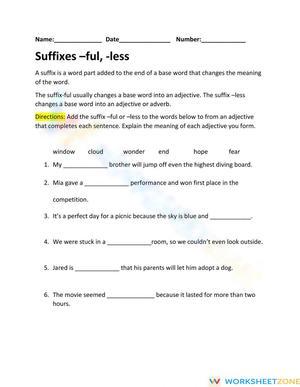
- Prefix and suffix analysis: Students mark prefixes like un-, re-, dis-, and pre- and suffixes like -ful, -less, -ly, and -able, rewrite the base word, and explain how the affix shifts meaning. This work doubles as vocabulary instruction for academic language.
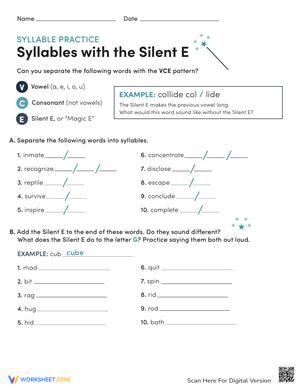
- Syllable division by pattern: Separate worksheets cover VCCV words, open-syllable words, and consonant-le words so students practice one pattern at a time before encountering mixed word lists.
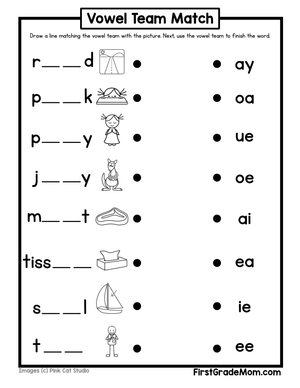
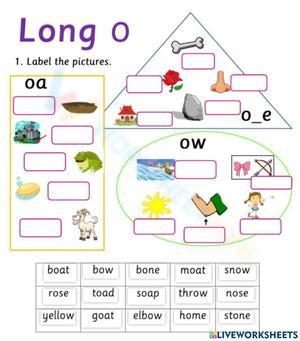
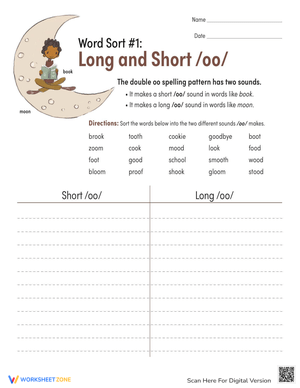
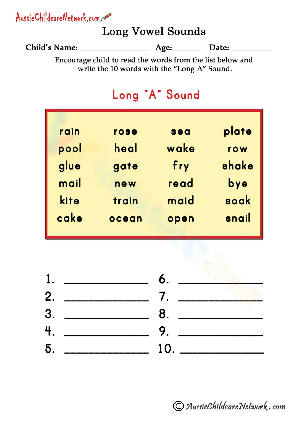
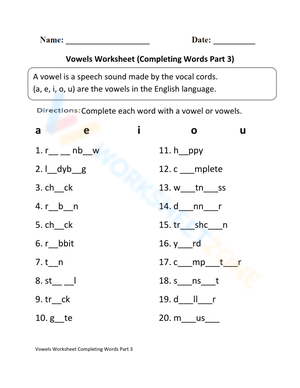
- Diphthongs and complex vowel patterns: Exercises address oi, oy, ou, and both sounds of ow — a distinction that carries into fourth grade when it isn't addressed explicitly in third.
Mistakes Students Make That These Worksheets Help You Catch
The most predictable error in prefix work is over-application. Students who have just learned that dis- means "not" will segment dish and distrust the same way, marking dis- in both without noticing that one carries an actual prefix and the other doesn't. This isn't carelessness — it's a sign the rule has been absorbed and is being applied without discrimination. That error shows up on a completed worksheet in seconds; it would stay invisible in a read-aloud for weeks.
Syllable division produces a parallel problem. Students who master the VCCV split — bas-ket, pil-low — often try to apply it to open-syllable words, forcing a closed syllable on the first chunk. They write rob-ot instead of ro-bot, assign a short vowel to the first syllable, and land on a word they don't recognize. The mispronunciation compounds the decoding failure. The word-sort tasks built into each syllable worksheet require students to categorize words by type before dividing them, which interrupts this error pattern before it becomes automatic.
How to Work These Worksheets Into Your Instructional Week
These resources work best immediately after explicit instruction — not before it. The format assumes students have seen the concept modeled during a mini-lesson; each worksheet provides the independent practice that follows gradual release. A teacher who introduces the VCCV pattern on Monday can assign the corresponding exercise as Tuesday morning work in the ten quiet minutes before the day formally begins. Short and focused beats long and occasional every time with decoding practice.
For RTI blocks, the skill-by-skill structure of this phonics worksheets for 3rd grade set matters more than most teachers initially expect. A group struggling with r-controlled syllables doesn't need to work through diphthong exercises first. Pull the relevant worksheets, work through two or three items together, then release students to finish independently while noting who self-corrects and who doesn't — that gap is the next instructional target.
During whole-class practice, the two-highlighter method earns its brief setup time: students mark the base word in one color and any prefix or suffix in another before attempting to read the full word aloud. Slowing down that visual separation step reduces the cognitive load of facing an unfamiliar seven-letter word as an undivided string of letters. Students who freeze on uncomfortable usually read it accurately once they've physically marked un-, comfort, and -able as separate units.
Standard Alignment
The worksheets align to CCSS.ELA-LITERACY.RF.3.3, which requires third graders to know and apply grade-level phonics and word analysis skills in decoding words. The sub-standards map directly onto the skill areas in the set: RF.3.3a targets identifying and applying common prefixes and derivational suffixes; RF.3.3b covers decoding words with common Latin suffixes; RF.3.3c addresses decoding multisyllabic words. In classroom terms, RF.3.3 is the standard that explains why a student can read every word on a Friday spelling list correctly and still stumble through a science paragraph on Monday — it targets the transfer from isolated skill recognition to independent word-level decoding in connected text. Completed worksheets serve as formative evidence of that transfer, showing exactly which students have moved from recognition to application.
Adjusting the Worksheets for Different Learners
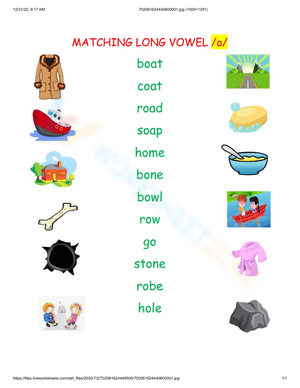
For students still consolidating simpler vowel teams, starting with the diphthong exercises before moving into syllable division work gives them a more manageable entry point. The diphthong worksheets use shorter, more familiar carrier words, so students can focus on the vowel pattern without simultaneously wrestling with multisyllabic structure. Moving to syllable division only after vowel pattern accuracy is consistent prevents students from hitting two unfamiliar concepts in a single sitting.
Students who move quickly through the affix exercises benefit from a transfer task: locate the same prefixes and suffixes in a current independent reading book and record five examples with the page number. That task requires the same recognition skill as each worksheet but strips away the cueing structure of a prepared word list — it's a genuine application check rather than additional repetition of the same format.
Frequently Asked Questions
What phonics skills does a third grader need to have by the end of the year?
Third-grade phonics centers on structural analysis rather than basic letter sounds. Students need to reliably divide multisyllabic words by syllable type, identify and apply common prefixes and derivational suffixes, and decode complex vowel patterns including diphthongs and variant vowel teams. The six syllable types — closed, open, magic-e, vowel team, r-controlled, and consonant-le — form the organizing framework most structured literacy programs use at this level, and each type gets dedicated practice in the set.
How does RF.3.3 show up in actual classroom instruction?
RF.3.3 covers several specific decoding behaviors under one standard. In practice, it means students should be able to pick up an unfamiliar word like replantable and work through it systematically: identify re-, identify -able, find the base word plant, and arrive at both a pronunciation and a meaning. Worksheets that have students follow exactly that sequence — mark the affixes, isolate the base, read the whole word — provide direct practice toward the standard rather than peripheral reinforcement.
Can these worksheets support students receiving RTI services?
A phonics worksheets for 3rd grade organized by specific skill is one of the most practical RTI tools available, because it allows precise targeting. When progress monitoring data shows a student is weak specifically in vowel team reading, the relevant worksheets can be pulled without assigning unrelated content. Completed exercises also serve as documentation of the skills addressed in each intervention session — a useful record when RTI meetings require evidence of targeted, skill-specific instruction.
Is daily phonics practice still necessary at third grade, or does it matter less as students get older?
Daily practice matters most at exactly this level, because third grade is when students first encounter the density of multisyllabic vocabulary that makes automaticity essential. A student who needs six seconds to decode disrespectful is spending cognitive resources that should be going toward understanding the sentence it lives in. Ten to fifteen minutes of structural analysis practice daily — a morning warm-up, a brief literacy center, a short homework task — builds the automaticity that carries students through complex informational texts in the upper grades.












 Interactive Worksheet Maker
 Quiz Maker
 Word Search Maker
 Crossword Puzzle Maker
 Word Scramble Generator
 Sentence Scramble Generator
 Handwriting Worksheet Generator
 Name Tracing Generator
 Fill In The Blank Generator