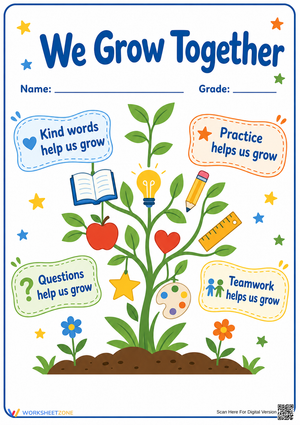
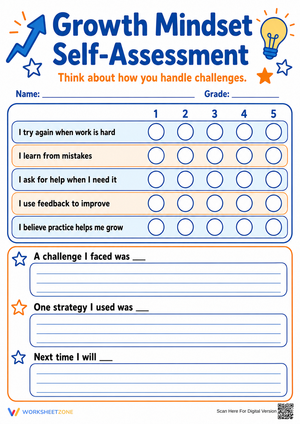
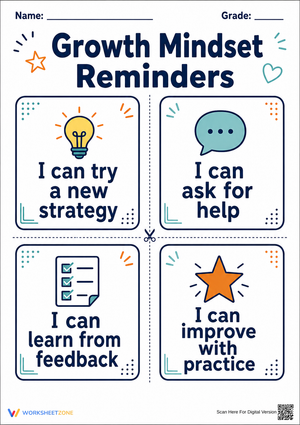
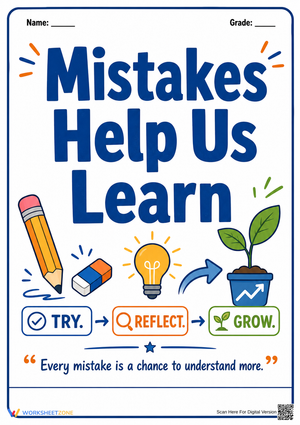
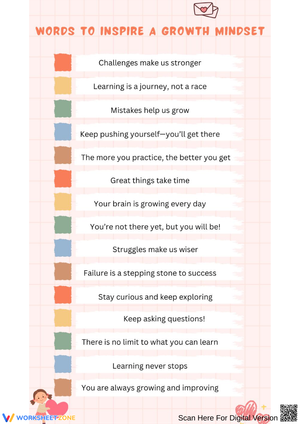
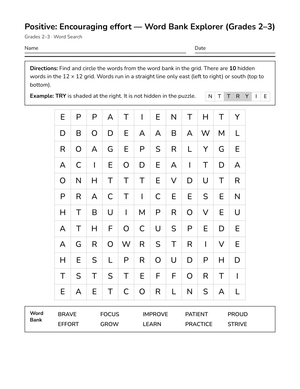
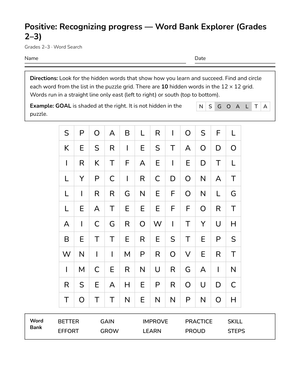
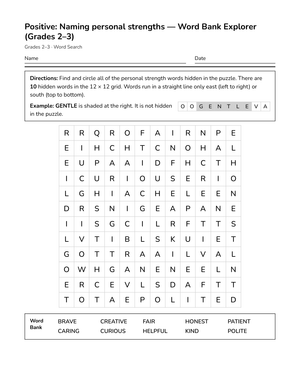
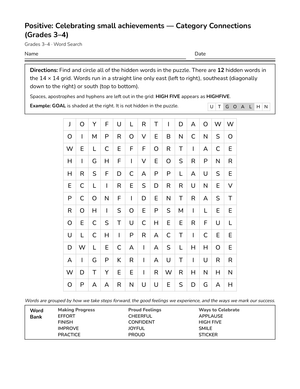
Growth mindset printable worksheets for 3rd grade address a specific classroom problem: students who can define growth mindset perfectly during a morning lesson and then announce "I'm bad at this" the moment they hit a hard paragraph at independent reading. The printables in this set close that gap by giving students structured practice with the thinking moves that growth mindset actually requires — reframing a setback, choosing a next step, recognizing the difference between giving up and asking for help.
The Thinking Moves Students Practice
Each worksheet targets one of the core cognitive habits that third graders need before growth mindset language becomes more than a repeated phrase. The tasks are concrete and limited in scope so students can complete them in one sitting without losing the thread.
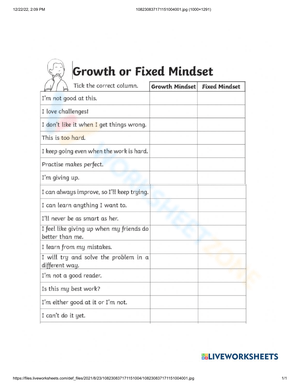
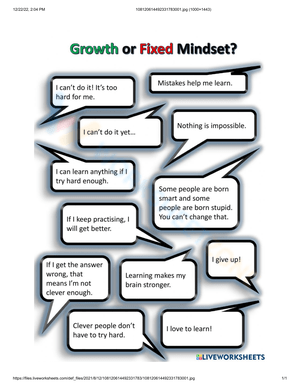
- Fixed-vs.-growth statement sorts: Students read short phrases — "I'll never get this" or "I haven't figured it out yet" — and classify them. Sorting forces judgment rather than simple recognition.
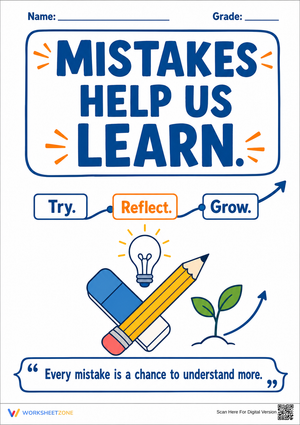
- Scenario response worksheets: A brief scene leads to a decision prompt. Students choose or write what they would try. Effective scenarios sound like the actual school day: a student crumples a paper after a poor score, avoids asking for help, or shuts down during a revision conference.
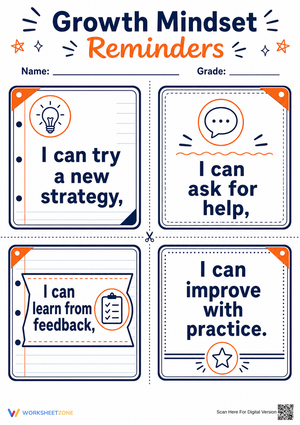
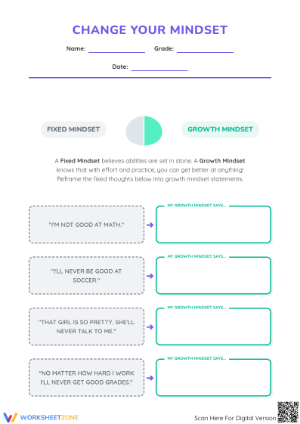
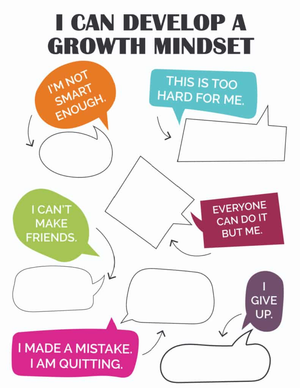
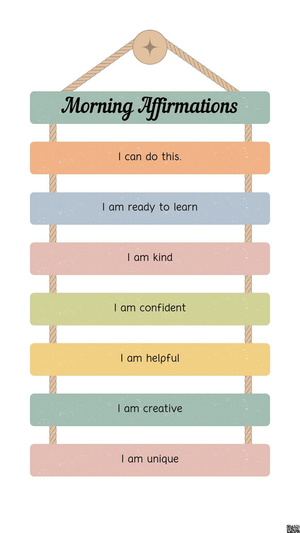
- Self-talk rewriting: Students read a fixed statement and rewrite it using growth-mindset language. This is harder than it appears — "I can't do this" should become not just "I can do this" but "I haven't learned this strategy yet," which requires understanding the idea, not just flipping the wording.
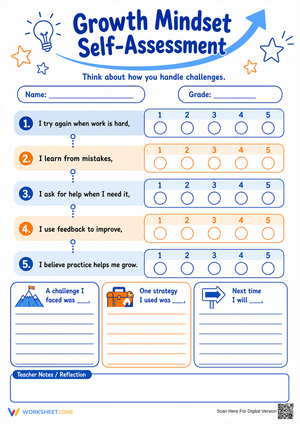
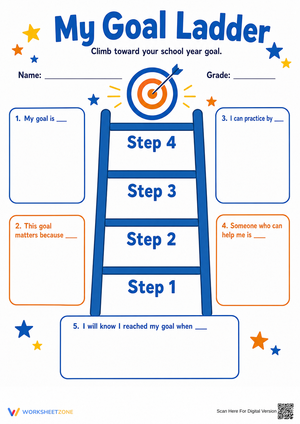
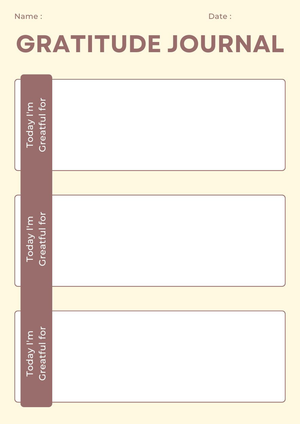
- Weekly goal and effort trackers: One goal, one strategy, one helper, and a Friday reflection. Simple enough for eight-year-olds to use independently across a school week.
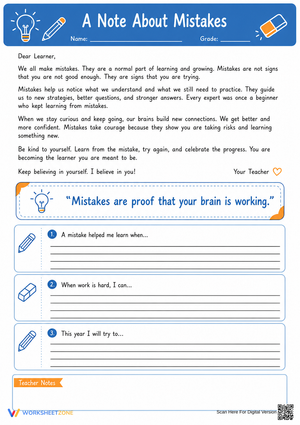
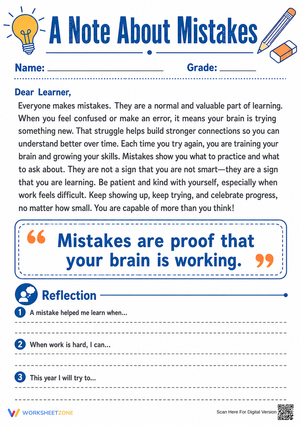
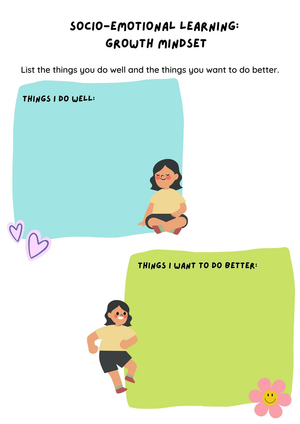
- Exit slips and quick-reflection prompts: One-sentence responses tied to a specific classroom moment — a mistake made, a strategy used, something that felt hard and then got easier.
Reading and writing loads stay short across each worksheet. Most prompts allow a visual response — a circle, a check, a drawn face — before students move to writing, which keeps reluctant writers in the task instead of frozen in front of a blank box.
Error Patterns to Catch Before They Become Habits
The most common pattern in actual student work isn't that students reject growth mindset — it's that they perform it. A third grader who knows the vocabulary will write the "right" answer on the worksheet and then make a fixed-mindset choice five minutes later during center time. Watch for this on effort-tracking sections: "I tried my best" checked off while the student avoids any task that risks a wrong answer. The worksheet surfaces the language; the teacher still needs to bridge it to the real moment.
On self-talk rewriting tasks, students frequently change "I can't do this" to "I can do this" — which skips the most important word in the whole framework: yet. The shift from "I can't" to "I can't do this yet" or "I need to try a different strategy" is where the concept actually lives. Students who make that surface swap without the nuance have rewritten the words without touching the idea.
A third pattern appears on scenario worksheets. Students reliably choose the growth-mindset response when the character is someone else, but write fixed-mindset responses when the scenario uses first person. That split is useful data — the student understands the concept abstractly but hasn't connected it to their own experience. Worth tracking which students show that gap consistently, because they're the ones who need direct conversation more than additional practice.
Building These Worksheets Into Your Instructional Week
The timing matters as much as the format. Growth mindset printable worksheets for 3rd grade land hardest when placed close to a real frustrating moment — after a tough math session, following a peer-editing round that surfaced difficult feedback, or right before a test — rather than scheduled as a freestanding Friday afternoon lesson that arrives without any context to attach to.
A practical weekly rhythm: start Monday with a fixed-vs.-growth sort to re-establish vocabulary after the weekend. On Wednesday, run a short scenario worksheet tied to something happening in your current academic unit — a writing revision, a science investigation that didn't go as expected. Close Friday's SEL block with an exit slip. Three touchpoints in a week keeps the language active without consuming a full period each time.
These worksheets also fit smaller windows. A scenario worksheet reads in under two minutes and completes in eight, which makes it workable in the stretch between specials and lunch or during the last few minutes of a reading block before transition. Morning meeting works well for read-aloud-and-respond: read the scenario together, give students two minutes to circle or write, then discuss two or three responses as a class.
Adapting the Set for Different Points of Entry
Growth mindset printable worksheets for 3rd grade can be adapted without rebuilding them from scratch. For students who shut down at open writing prompts, limit the task to completing one sentence stem and circling the rest. Posting the stems publicly helps — "I noticed I felt frustrated when…" or "Next time I could try…" — so students aren't generating the opener from memory under pressure.
For multilingual learners, read each scenario aloud before students respond and allow first-language discussion before writing in English. Adding small illustrations next to key vocabulary — a branching path next to "strategy," a thought bubble next to "self-talk" — reduces decoding demands while keeping the SEL content accessible.
For students already comfortable with the framework — often the kids who've heard this language at home — move them past the sorting and circling tasks toward the scenario and goal-tracking worksheets. Ask them to write two possible responses to a scenario and explain which one they would actually choose and why. That layer is where growth mindset thinking gets genuinely harder, even for confident third graders.
Frequently Asked Questions
How long does each worksheet take to complete?
Most run 10 to 15 minutes when introduced with a brief discussion. Exit slip formats run closer to 5 minutes. The weekly goal tracker takes longer on day one — students are setting their goal, naming a strategy, and identifying a helper — but needs only a minute or two on subsequent check-in days.
Can these be used during school counseling sessions rather than the general classroom?
Yes. Scenario worksheets and self-talk rewriting tasks work especially well in small-group counseling settings, where the conversation around each prompt can go deeper. School counselors often find that the fixed-vs.-growth sort gives students a shared vocabulary they can reference across future sessions without re-explaining the concept from scratch.
Are these worksheets useful across the full school year, or mainly at the start?
Growth mindset printable worksheets for 3rd grade work well at the start of the year to establish classroom norms around mistakes and effort, but they earn their place mid-year — during a unit that's pushing students harder than expected, in the stretch before spring testing, or after a class project that didn't go as planned. A set used only in September gives students the vocabulary without much chance to apply it under actual academic pressure.
What if students rush through reflection prompts without really thinking?
That's common and worth addressing directly. Before distributing the worksheet, tell students you'll ask two or three of them to share their response with the class. That small accountability shift slows down the fill-in-the-blank instinct without turning the task into a graded assignment. The rushing drops off quickly once students know a real conversation follows.












 Interactive Worksheet Maker
 Quiz Maker
 Word Search Maker
 Crossword Puzzle Maker
 Word Scramble Generator
 Sentence Scramble Generator
 Handwriting Worksheet Generator
 Name Tracing Generator
 Fill In The Blank Generator