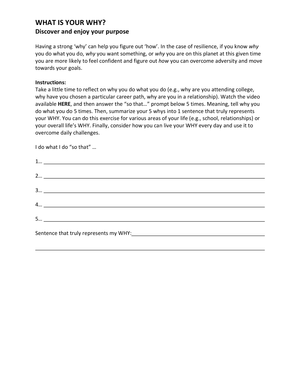
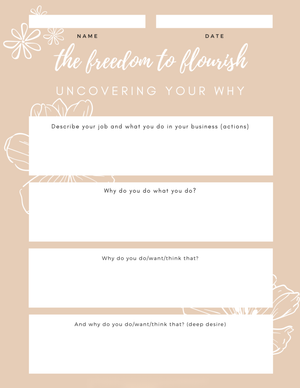
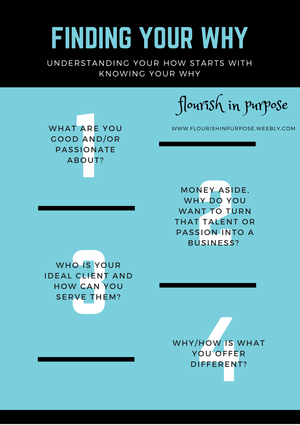
Find Your Why worksheets for 11th Grade
These find your why worksheets for 11th grade give teachers and school counselors a structured entry point into purpose work during one of the most pressure-loaded years in high school. The set covers values identification, personal story reflection, and mission statement drafting — the kind of introspective work that juniors rarely get dedicated classroom time for but consistently need before college application season begins.
What Students Work Through in This Set
Each worksheet targets a distinct layer of purpose discovery. Rather than dropping students in front of a single open-ended prompt, the resources move from concrete to abstract — starting with what students already know about themselves and building toward a drafted personal mission statement. The specific work includes:
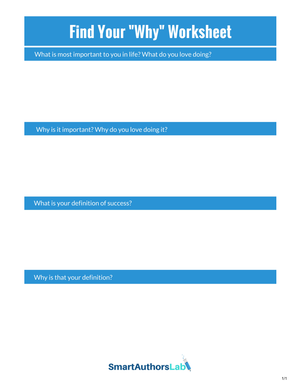
- Values ranking exercises — students sort a list of values such as creativity, service, independence, and leadership, then write one sentence explaining why their top two choices feel non-negotiable to them personally.
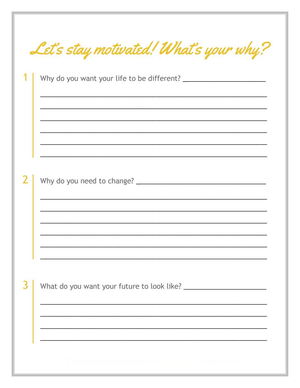
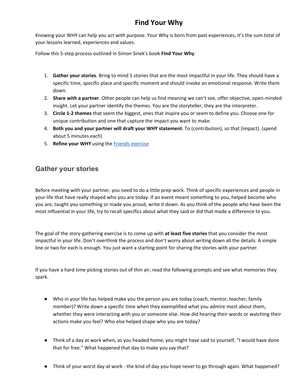
- Personal story mapping — guided prompts that ask students to name three moments when they felt most like themselves, then identify what those moments share beneath the surface.
- Strengths-and-evidence pairing — students name a strength and then cite a specific instance where it showed up in their life, which keeps this from functioning as a generic self-esteem exercise.
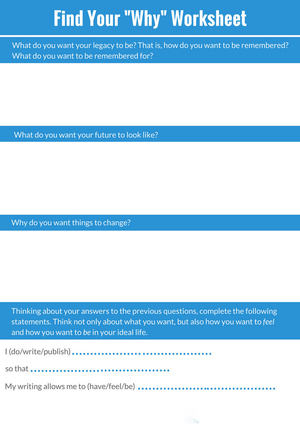
- The Golden Circle adapted for adolescents — students articulate their Why (core belief), How (the way they act on it), and What (results others can observe), drawing on the framework from Simon Sinek's Find Your Why and reframed around school and personal life rather than professional identity.
- Personal vision statement drafting — a structured template formatted as "To [contribution] so that [impact]," with revision space built in so students can tighten the language after sharing with a partner.
The sequence matters. A student who has not named their values will produce a hollow vision statement. Working through each worksheet in order gives the final draft real grounding in something the student already articulated earlier in the process.
How to Build These Worksheets Into Your Advisory or SEL Block
The biggest implementation mistake is treating this as a one-sitting activity. Eleventh graders asked to articulate their entire life purpose inside a single 45-minute block will produce what looks like purpose — careful language, complete sentences — but reads as performance. Authentic responses require processing time between sessions. Running one worksheet per day across a week, with Monday on values and Friday on the vision statement draft, gives students the overnight space to sit with their ideas. Teachers consistently report that the Friday draft is meaningfully richer than anything students produce on Monday when the process is compressed into a single period.
The set fits naturally in advisory periods, homeroom blocks, or the SEL time many schools now build into the junior schedule. It also pairs well with English Language Arts units on personal narrative — the strengths-and-evidence worksheet works alongside any unit asking students to write about themselves. For counselors running small groups around college readiness, the full set becomes a session framework that produces concrete material students can draw from directly when drafting personal statements.
Modeling matters more than most teachers expect. Before students begin the values exercise, share your own top two values and explain the tradeoff — why you chose those and what you left out. That move lowers the perceived stakes considerably and signals that there are no correct answers here.
Patterns in Student Responses Worth Watching
The most consistent error in purpose work at any grade level is values selection by social acceptability rather than genuine resonance. Students rank "helping others" first because it sounds right, not because it is actually driving their decisions. The tell is in the evidence sentence — students who chose it performatively stall or produce something vague like "because helping people is important." Students who genuinely hold it as a core value reach for a specific memory immediately. The evidence-writing requirement is what separates this exercise from a feel-good survey.
A second pattern worth catching: students conflate their strongest academic skill with their purpose. A student who is excellent at math may write that their "why" is mathematics — but that is a talent, not a purpose. The story mapping worksheet usually surfaces this confusion because the moments students identify as meaningful often have nothing to do with their academic strengths. When you see the disconnect, the useful guiding question is: "What is this moment actually about — not what you were doing, but why it mattered to you?"
Vision statements almost always arrive too broad in the first draft. "To help others so that the world is a better place" is technically complete but tells us nothing about this student. Push students to replace "others" with a specific population and "a better place" with a concrete change they believe in. That single revision produces a statement with actual direction — and students are usually surprised by how much more it sounds like them.
Standard Alignment
These worksheets align with the CASEL framework's self-awareness competency — specifically the indicators around identifying personal values, recognizing personal qualities, and developing a sense of purpose. They also support ASCA Mindsets and Behaviors standard M-B. SMS 7, which addresses students' ability to identify long-term goals, and M-B. BS 7, which covers gathering evidence and considering multiple perspectives when making decisions. School counselors documenting SEL instruction for program evaluation will find the worksheets straightforward to map to both frameworks. English teachers integrating the written reflection sections can align those portions to CCSS.ELA-LITERACY.W.11-12.3, the narrative writing standard that applies when students are producing reflective, experience-based prose.
Adjusting These Worksheets Across Ability Levels
Students who write fluently move through the prompts quickly — give them the extension task of drafting a second vision statement from the perspective of their future self five years out, then comparing the two statements for tension or alignment. That comparison generates some of the most thoughtful writing the set produces.
Students who struggle with open-ended prompts benefit from a narrowed version of the values list. The full inventory of 15 to 20 items can feel paralyzing for a student who has not done much self-reflective writing. Reduce it to eight values and tell them to circle three before ranking. The reduced choice set gets them moving without making the question feel impossibly large. For English language learners, the story mapping prompts hold up well when you allow drawing or bulleted notes instead of full sentences — the thinking behind the exercise does not require polished prose to be meaningful.
One honest limitation worth naming: students going through significant personal stress — family instability, food insecurity, housing uncertainty — sometimes find the "imagine your future impact" prompts jarring rather than motivating. Read the room. For those students, the values ranking and strengths sections are still worth completing; the vision statement drafting can wait until the timing is better.
Frequently Asked Questions
Can these worksheets be used outside a dedicated SEL class?
Yes. English teachers use the story mapping and vision statement sections as prewriting for college application essays. Counselors run the full set across a week of advisory sessions. Some teachers assign the values ranking and strengths pairing as homework between a personal narrative unit and the drafting phase. The resources carry real instructional weight in multiple settings without needing significant adaptation.
How does this work connect to college application writing?
The find your why worksheets for 11th grade produce exactly the material students need before writing a personal statement — a ranked values list, a set of meaningful personal moments, and a drafted mission sentence. Most juniors who struggle with the college essay are not weak writers; they have not done the reflection work that gives them something worth writing about. Running this set in the spring of junior year leaves students a full summer to let the ideas develop before application writing starts in earnest.
What if a student says they have no idea what their "why" is?
That is actually the right starting point. The worksheets do not assume students arrive with a clear purpose — they build toward one through concrete, low-stakes steps. The values ranking exercise works well for students who have never done this kind of thinking before because it does not ask them to generate anything from scratch; it asks them to respond to what is already on the list. Most students who say "I don't know" engage without resistance once they understand they are sorting rather than inventing.
Is this the same as the Simon Sinek corporate framework?
The Golden Circle structure from Sinek's work informs the Why/How/What section, but the full find your why worksheets for 11th grade are written for adolescents, not professional teams. The prompts use developmentally appropriate language, situate reflection in school and personal experience rather than career identity, and include the story-based processing that high school juniors can actually access. The framework is adapted, not reproduced, and the language throughout assumes a student who is still figuring out who they are — which is exactly where most eleventh graders are.
How do you assess this kind of work fairly?
Most teachers using the find your why worksheets for 11th grade score for completion and specificity rather than content — students should not lose credit for holding an unconventional purpose, but they should be expected to support their vision statement with evidence from earlier in the set. A three-criteria rubric covering engagement, specificity of language, and connection between the values exercise and the final statement gives students clear expectations without making the work feel like a test of who they are as a person.
Clear All