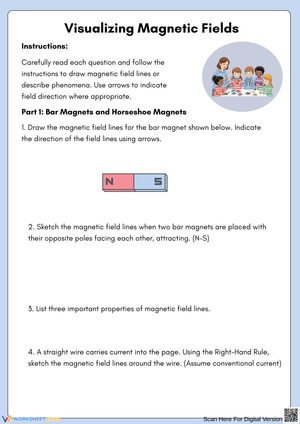
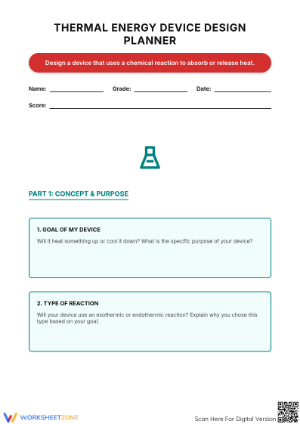
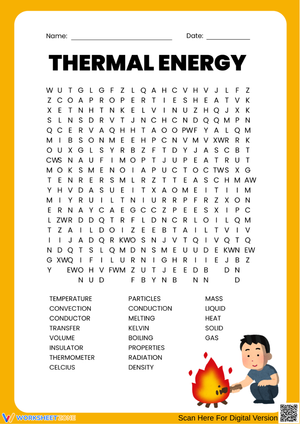
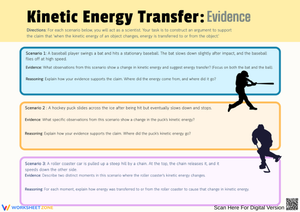
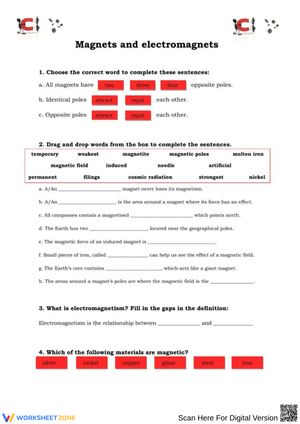
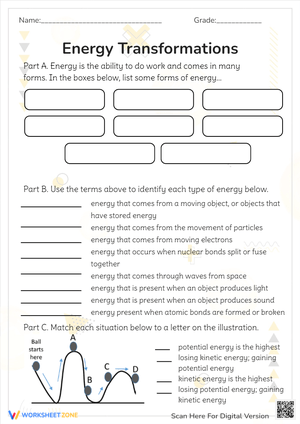
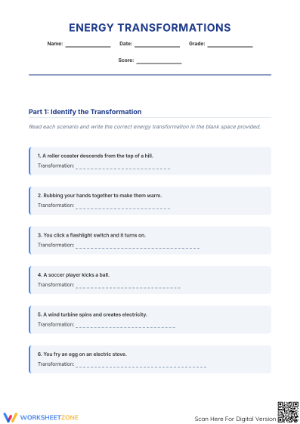
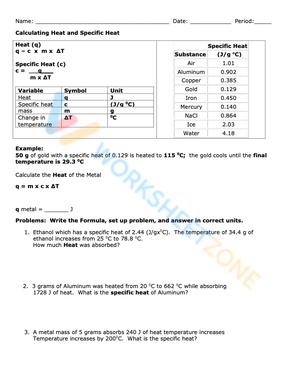
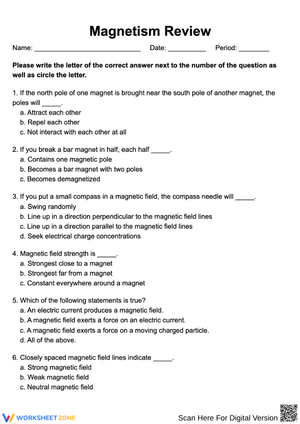
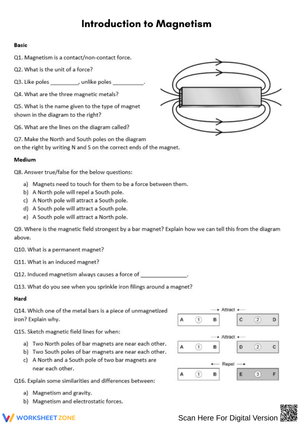
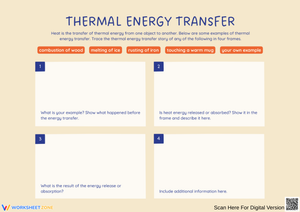
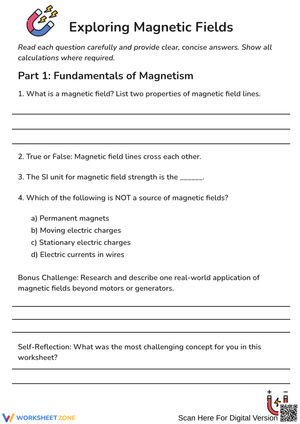
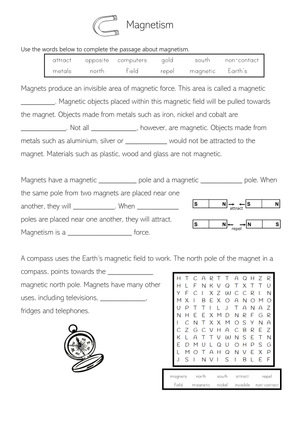
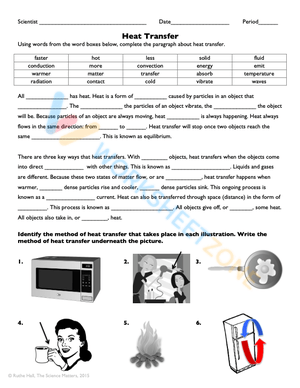
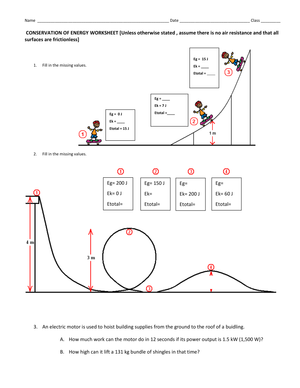
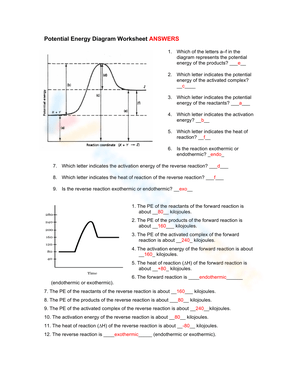
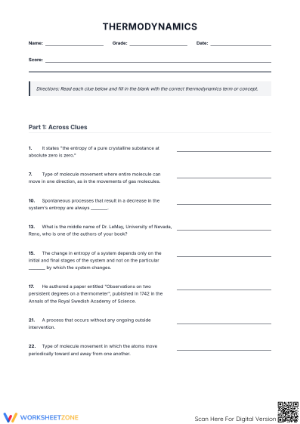
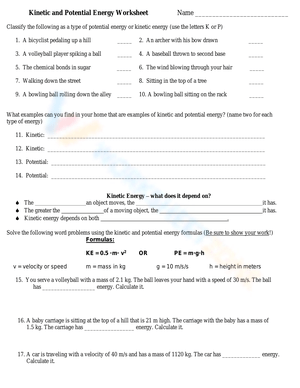
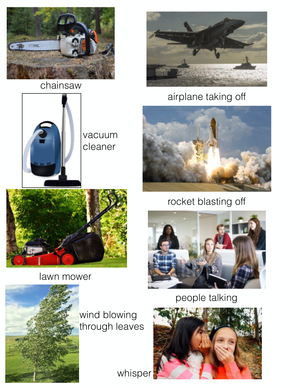
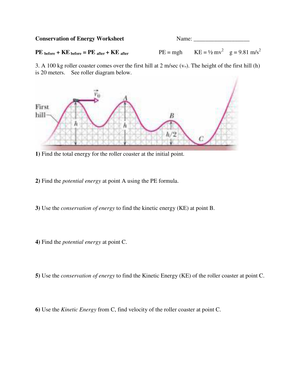
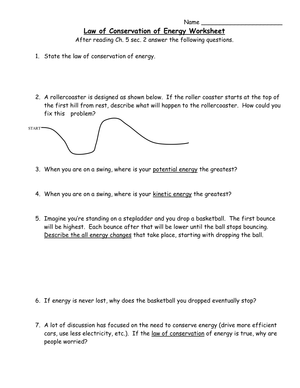
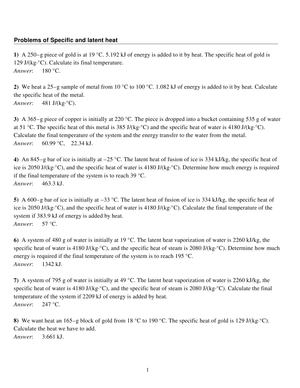
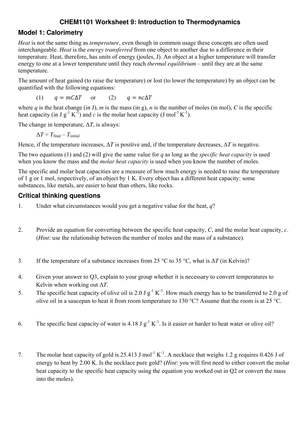
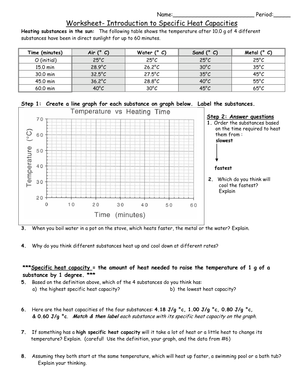
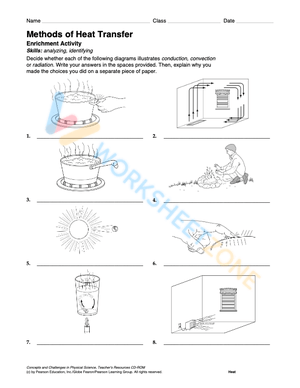
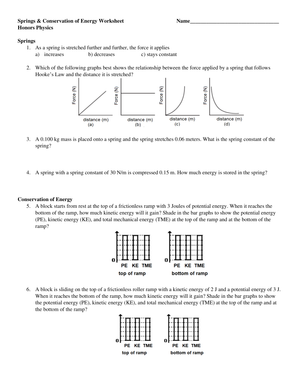
These energy sound and light worksheets for 10th grade give teachers a direct path from wave instruction to independent student practice — built around the central comparison between mechanical and electromagnetic waves that Grade 10 physical science consistently returns to. Each worksheet mixes labeled diagrams, short written explanations, and focused calculations so teachers have actual evidence of what students understand, not just whether they copied the right vocabulary from notes.
What the Set Covers
The skills target the ideas students are expected to use repeatedly across a waves unit, not every possible fact about sound and light. Each worksheet addresses one or more of the following:
- Wave classification: identifying sound as a mechanical, longitudinal wave and light as a transverse electromagnetic wave, and explaining what that distinction means for travel through a vacuum
- Wave properties: measuring and comparing wavelength, frequency, amplitude, and wave speed from diagrams and written scenarios
- Wave behaviors: distinguishing among reflection, refraction, diffraction, and interference using both diagrams and real-world examples
- Formula application: using the wave speed equation (v = fλ) in 1-step and 2-step problems with appropriate units provided
- Real-world connections: sonar, fiber optics, lenses, mirrors, prisms, echoes, pitch, and the visible spectrum
- Representation shifting: reading the same concept from a diagram, a short data table, and a written scenario on the same worksheet
That last skill — moving between a wave diagram and a verbal description — is where many students stall. A worksheet that asks them to label amplitude on a diagram and then write one sentence connecting amplitude to loudness surfaces that gap quickly and gives teachers something to address before the unit test.
Errors Worth Catching Before the Unit Assessment
The most persistent confusion at this level sits at the intersection of frequency and amplitude. Students readily memorize that frequency affects pitch and amplitude affects loudness, but when shown two waves with different shapes and asked which sounds louder, a significant number choose the wave with more cycles per second rather than the one with taller crests. The same pattern repeats with light: students associate high frequency with "brighter" instead of recognizing that amplitude carries intensity while frequency determines color. Multiple-choice questions mask this error; a short written explanation prompt on the same worksheet exposes it immediately.
Refraction generates a different kind of trouble. Most students accept that light bends when entering a new medium, but when asked to explain why, they describe the boundary as blocking or filtering the wave rather than noting that wave speed changes when the medium changes. That reasoning failure shows up again on any question about lenses or fiber optics. A worksheet requiring a written sentence — not just a diagram arrow — catches this before it becomes a test-day problem.
A third reliable error involves the transverse versus longitudinal distinction. Students who correctly identify sound as longitudinal on a multiple-choice item will often sketch it as a transverse wave when asked to draw it. Asking them to sketch both wave types and label compressions, rarefactions, crests, and troughs in the same task reveals whether the knowledge is secure or surface-level recall.
How to Build These Worksheets Into a Waves Unit
The most effective sequencing treats each worksheet as a check-in at a specific instructional moment rather than optional practice added when a lesson runs short. After the first day of wave property instruction, a focused diagram worksheet covering wavelength, frequency, amplitude, and wave speed gives students structured retrieval practice before the concepts expand to sound and light applications. Once both wave types are introduced, a compare-and-contrast worksheet that puts sound and light side by side — same table, same question set — builds the connections that matter for written explanations later.
In the final days of a unit, energy sound and light worksheets for 10th grade work well as mixed-review tasks that pull several concepts onto one worksheet: a wave diagram question, a short v = fλ calculation, a refraction scenario, and one real-world application prompt. That format mirrors what unit assessments typically ask and reveals the students who handle isolated skill questions well but lose track when the question type shifts mid-page.
Bell ringers built from three to five wave property questions take about six minutes and give teachers immediate feedback before direct instruction begins. A worksheet used as lab follow-up after a prism demo or a tuning-fork observation connects what students saw to written reasoning — which is a different cognitive task than labeling a pre-drawn diagram, and a more demanding one.
Adjusting the Set for Mixed-Ability Classes
The clearest differentiation move is to keep the topic constant while varying what students must produce. An introductory worksheet on wave properties might supply a labeled diagram and ask students to match definitions and circle examples from a word bank. A standard-level worksheet on the same properties removes the word bank, asks students to label the diagram themselves, and adds one calculation. A more demanding version removes the diagram prompt entirely and gives a written scenario — two waves traveling through different media at different frequencies — asking students to compare speeds and justify the comparison in writing. Same unit concept, three different levels of cognitive demand.
Energy sound and light worksheets for 10th grade also adapt well to station rotations. One station focuses on diagram interpretation, a second on short formula work, and a third on real-world application questions. Students who need more time with visual tasks remain longer at the diagram station; students who move quickly through labeling encounter deeper explanation prompts at the application station. That structure keeps the whole class working on the same concept without requiring entirely different lesson plans for different groups.
Standard Alignment
These worksheets align most directly to NGSS HS-PS4-1, which asks students to use mathematical representations to explain relationships among frequency, wavelength, and wave speed across different media — including electromagnetic radiation in a vacuum and in glass, and sound waves moving through air and water. The clarification statement attached to that standard maps closely onto the compare-and-contrast tasks that anchor this set. For teachers working under state standards derived from NGSS, that alignment holds across most frameworks. HS-PS4-3 applies to worksheets addressing wave and particle models of light, while HS-PS4-5 connects to questions about technologies such as fiber optics, sonar, and digital signal transmission that use wave behavior principles.
Frequently Asked Questions
Do these worksheets include answer keys?
Each worksheet comes with a corresponding answer key. For written explanation questions — particularly refraction and the sound-versus-light comparison — the key includes a sample response and a note on the most common incomplete answer teachers encounter, so grading decisions are faster and more consistent.
How much calculation work is included?
The math stays at a 1-step to 2-step level using v = fλ with clear units provided in each problem. The intent is to build student confidence with the wave speed relationship, not to run extended derivations. Diagram reading and written explanation questions make up the larger portion of each worksheet, with formula problems as one component among several.
Can the worksheets be assigned out of sequence?
Yes. Each worksheet is standalone, so teachers can assign them in any order that fits their instructional plan. A class that has covered wave properties but not yet reached refraction can work through the wavelength and frequency worksheets without encountering content they have not seen. The set does not assume a fixed teaching sequence.
Are these useful for test prep?
The mixed-item format on review worksheets — diagrams, calculations, and application prompts together — matches how most physical science unit assessments are structured, which makes energy sound and light worksheets for 10th grade a practical choice in the two to three days before a test. Individual questions can also be pulled and used as discussion starters or quick written checks rather than assigning an entire worksheet at once.












 Interactive Worksheet Maker
 Quiz Maker
 Word Search Maker
 Crossword Puzzle Maker
 Word Scramble Generator
 Sentence Scramble Generator
 Handwriting Worksheet Generator
 Name Tracing Generator
 Fill In The Blank Generator