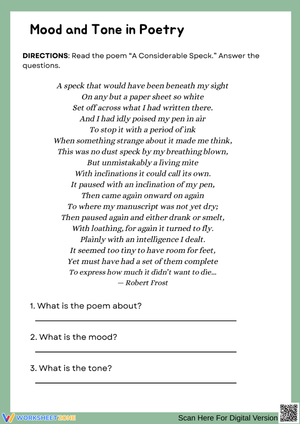
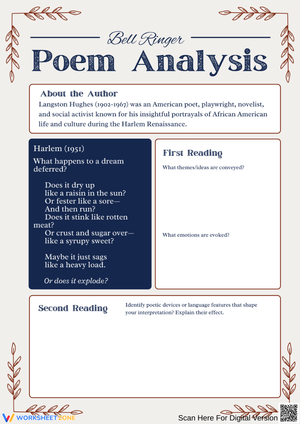
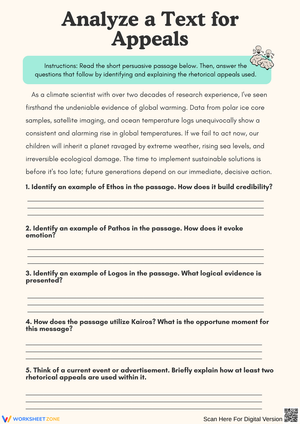
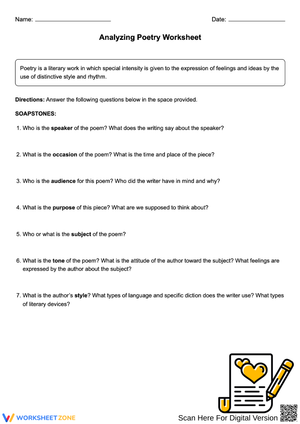
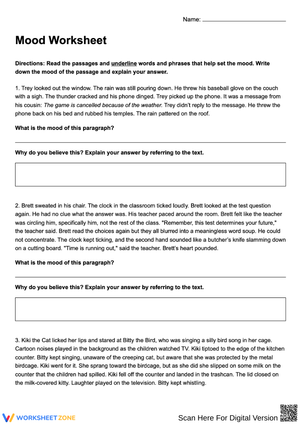
These 10th grade writing printable worksheets give teachers a targeted way to address the discrete, often overlooked gaps that open up once students hit the formal argument and research demands of sophomore English. Each worksheet isolates one skill — drafting a debatable thesis, evaluating a source for credibility, formatting an MLA in-text citation — rather than bundling everything into a single multi-week project where struggling writers lose track of what they're actually supposed to practice.
The Skills Each Worksheet Targets
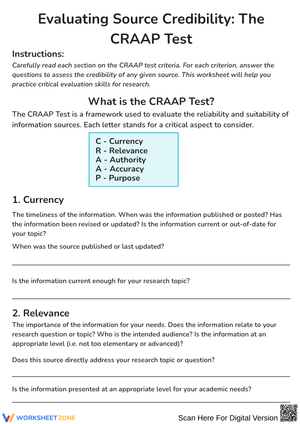
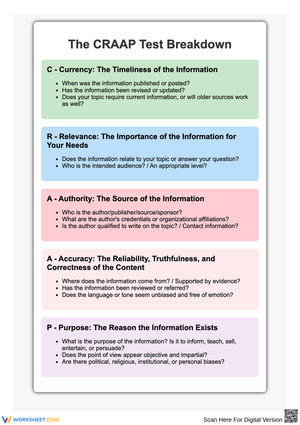
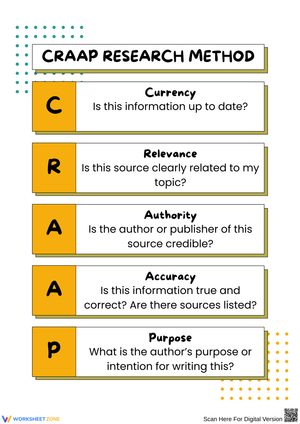
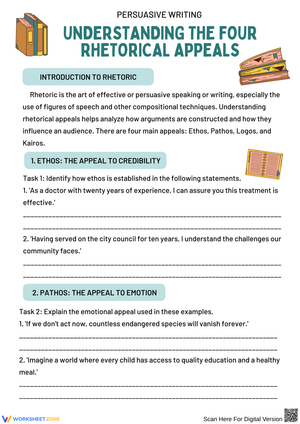
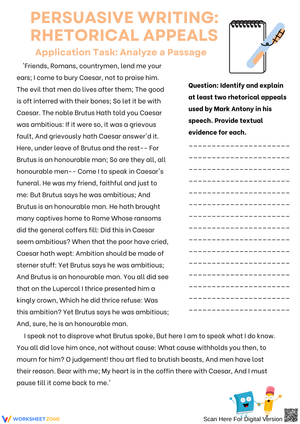
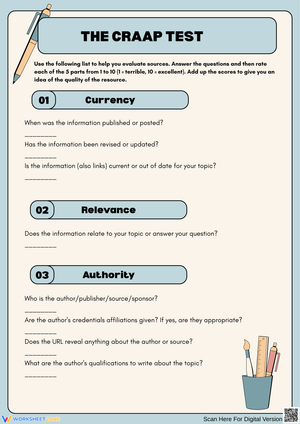
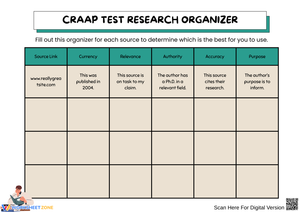
The set addresses all three writing modes required at this level. In argumentative writing, students draft claims, identify logical fallacies in sample paragraphs, and practice the claim-counterclaim structure that most struggle to manage gracefully. Informative worksheets work through organizational patterns — cause-effect, problem-solution, compare-contrast — with exercises that ask students to sort evidence into the correct structural category before they write a single sentence of prose. Narrative worksheets zero in on technique: pacing, sensory detail, point-of-view shifts, and dialogue punctuation. Research and citation worksheets cover source evaluation and MLA formatting, including the specific citation types students encounter most — web articles, print books, and database periodicals.
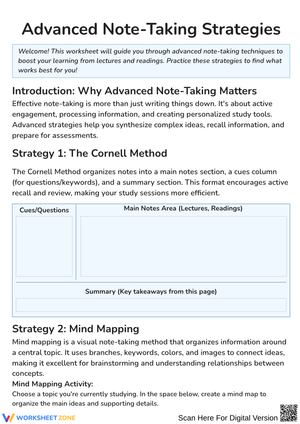
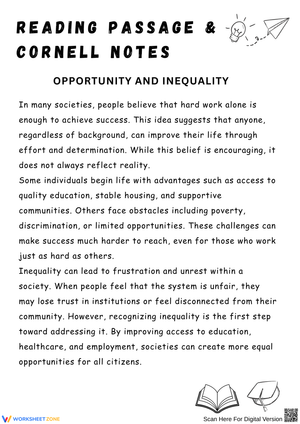
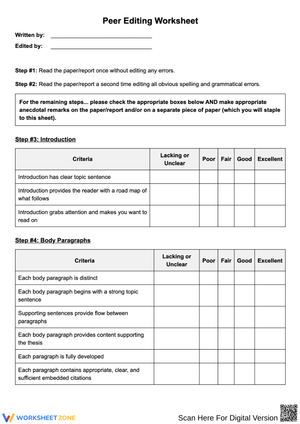
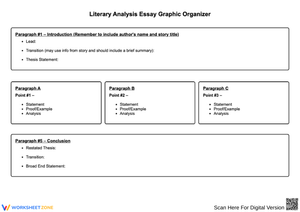
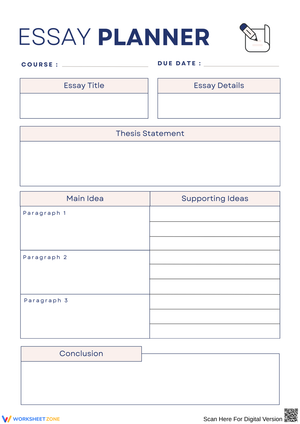
One category worth highlighting is revision. The 10th grade writing printable worksheets in this group use a reverse outlining technique that consistently surfaces structural problems students cannot see during initial drafting. Students take a completed paragraph or short draft and fill in an organizational template based on what they actually wrote — not what they intended to write. When the map doesn't match the essay, they see it immediately. That moment of recognition does more to teach revision than any checklist.
Student Error Patterns Worth Knowing Before You Assign
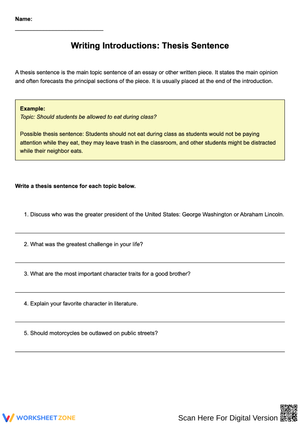
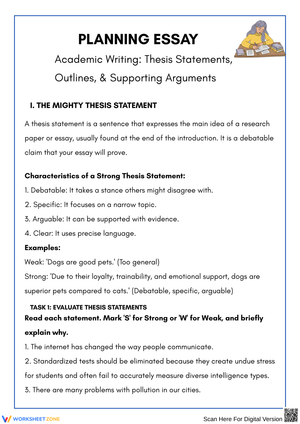
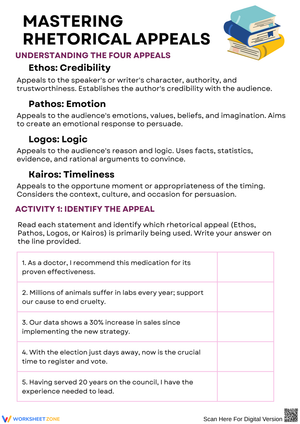
The most persistent problem in argumentative writing is the announcement thesis: "In this essay, I will argue that social media has negative effects on teenagers." Students write this confidently because it feels like a claim, but it names a topic rather than staking a position. The fix is not just telling students the difference — it's showing them two versions side by side and asking which one a reasonable person could disagree with. Worksheets that present thesis pairs for evaluation are the ones that actually move this needle.
In informative writing, students use "also" as a primary transition, producing a list rather than an explanation. You see it across grade levels, but it becomes a genuine problem at 10 when the content complexity demands that sentences connect causally, not additionally. Narrative work produces its own reliable mistake: emotion labeling. Students write "She felt devastated" when the skill being practiced is rendering that devastation through specific sensory detail. In citation work, students consistently place the period before the closing parenthesis in MLA format — the opposite of what the style requires — and rarely catch it on self-review.
How to Build These Worksheets Into Your Lesson Planning
The most effective placement for these worksheets is the day after direct instruction, not the same day. Students who receive a mini-lesson on counterargument and immediately fill out a graphic organizer are still operating on short-term retention. Coming back to the same concept the following class — cold, with only the worksheet in front of them — forces actual retrieval, which is where the learning consolidates. Spaced practice applies to writing mechanics just as reliably as it does to vocabulary or math facts.
For units built around a major essay or research project, these 10th grade writing printable worksheets work well as daily warm-ups that progressively build toward the larger task. A Monday warm-up might ask students to evaluate two thesis statements; Thursday's might ask them to integrate a quotation correctly into a sample paragraph. By the time the full draft is due, students have practiced each component skill at least once in low-stakes isolation.
Adjusting the Work for Different Levels in the Same Room
For students who freeze when facing an open-ended prompt, the argumentative worksheets offer a structured entry point: a sample claim is provided, and the student's job is to locate and evaluate supporting evidence from a short attached text. This narrows the cognitive load to one variable — evidence evaluation — without removing the analytical demand. For students working above grade level, remove the sample claim and the attached source. They write the claim, locate their own evidence, and then evaluate a peer's argument using the same criteria the worksheet establishes.
Narrative worksheets are particularly easy to differentiate because the same prompt yields vastly different outcomes. The worksheet that asks students to rewrite a scene from a minor character's point of view will challenge a struggling writer to produce two coherent paragraphs and challenge an advanced writer to manipulate voice, unreliable narration, and subtext — all within the same constraints. The structure of the task doesn't change; the expectation for depth does.
Standard Alignment
These worksheets address the writing standards from the Common Core State Standards for English Language Arts at the 9–10 grade band. W.9-10.1 covers argument, including claim development, counterclaim, and evidence-based reasoning — the focus of the argumentative writing worksheets. W.9-10.2 covers informative and explanatory writing, including organizational structure and formal style. W.9-10.3 addresses narrative technique, including pacing, detail selection, and point of view. W.9-10.5 covers the planning, revising, and editing process, directly addressed by the revision and reverse outlining worksheets. W.9-10.7 and W.9-10.8 cover research and source evaluation, including the integration and citation of information from print and digital sources. In classroom terms, these standards represent the shift from summarizing to synthesizing — and that shift is what makes 10th grade ELA writing instruction substantively different from 8th or 9th.
Frequently Asked Questions
Can these worksheets be assigned as homework, or are they better suited for in-class use?
Both contexts work, but the purpose differs. In class, a worksheet functions as guided practice where a teacher can intervene the moment a student misapplies a skill. As homework, worksheets work best for skills students have already practiced at least once in class — MLA citation formatting, thesis revision, and outline completion are good candidates. Sending home a worksheet on a concept the student hasn't encountered yet typically produces guesswork rather than practice.
Do the worksheets include answer keys or rubrics?
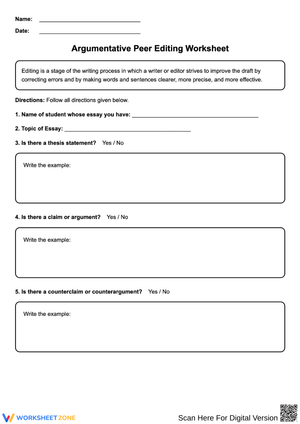
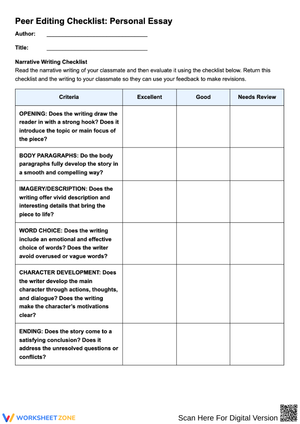
Each worksheet comes with either an answer key or a scoring guide depending on the task type. Identification tasks — spotting a logical fallacy, marking the counterclaim in a paragraph — include answer keys. Open-ended tasks like drafting a thesis or revising a concluding paragraph include a rubric with specific criteria aligned to W.9-10.1 and W.9-10.2. The peer review worksheets provide a structured feedback form with four to six concrete response categories, which keeps student feedback from collapsing into "I liked it."
Are these suitable for students whose first language is not English?
The 10th grade writing printable worksheets in this set use consistent academic English throughout, which makes them useful for ELL students who are practicing the formal register expected in high school writing. For students who need additional vocabulary support, pre-teaching the domain-specific terms that appear in the directions before assigning a worksheet independently closes most of the access gap without modifying the task itself.
How do these work alongside a workshop model or writing conference structure?
They fit naturally into both. During independent work time in a writer's workshop, students can complete one worksheet targeting a skill they've been conferencing about — thesis clarity, transition logic, or evidence integration. Teachers can then use the completed worksheet as a starting point for the next brief conference rather than asking the student to re-explain where they are in the draft. The worksheet becomes a shared reference, which shortens the time needed to reestablish context in a busy classroom.












 Interactive Worksheet Maker
 Quiz Maker
 Word Search Maker
 Crossword Puzzle Maker
 Word Scramble Generator
 Sentence Scramble Generator
 Handwriting Worksheet Generator
 Name Tracing Generator
 Fill In The Blank Generator