1st grade addition facts pdf worksheets give teachers a ready-made practice system for one of the most consequential shifts in early math: moving students from counting-on with fingers to recalling sums without hesitation. This set targets every key combination within 20, in formats that build toward the automatic recall first graders need before 2nd grade arithmetic makes working memory the bottleneck.
Skills Targeted Across the Set
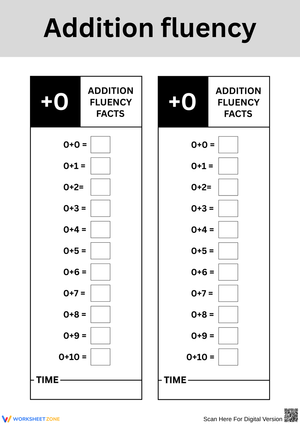
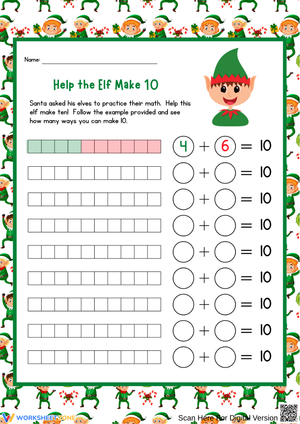
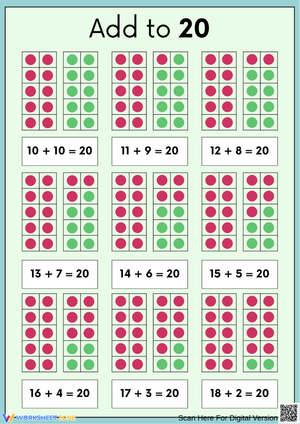
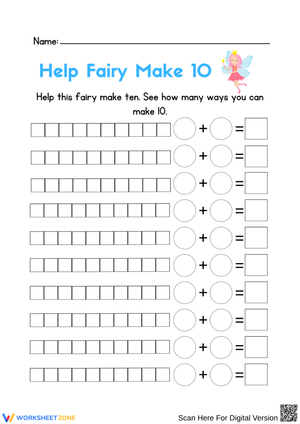
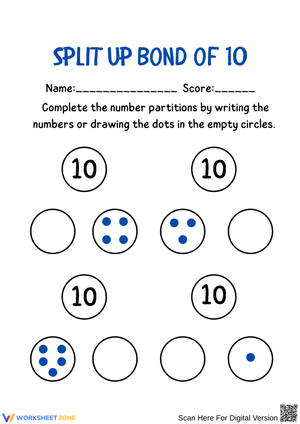
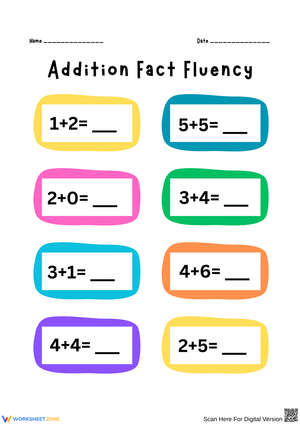
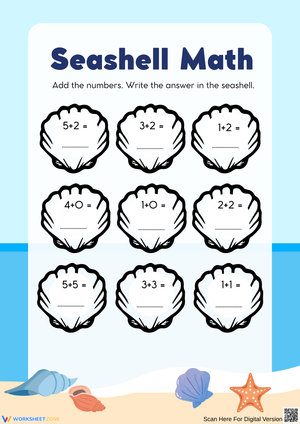
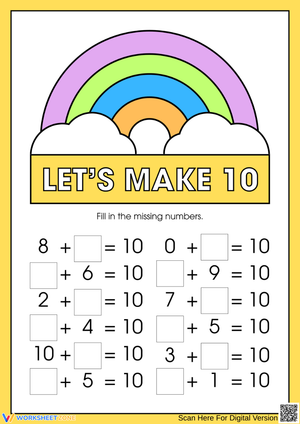
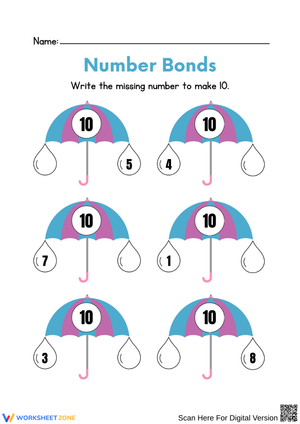
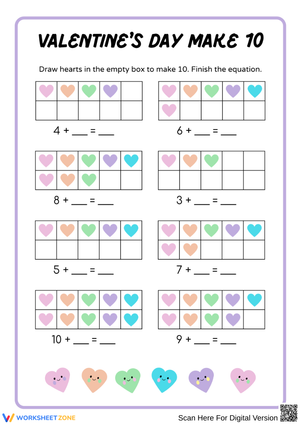
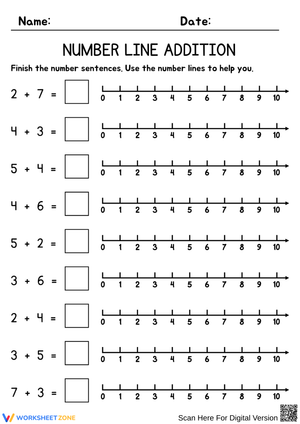
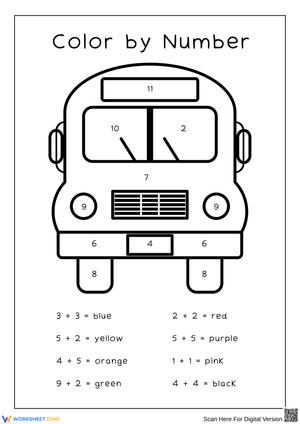
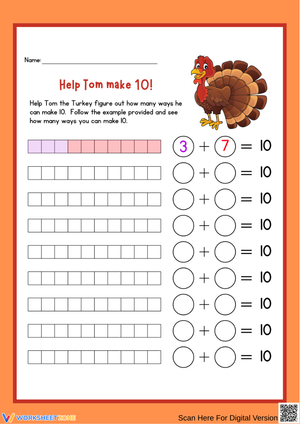
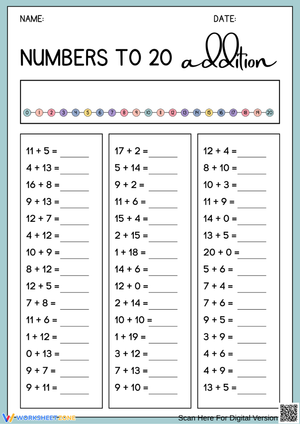
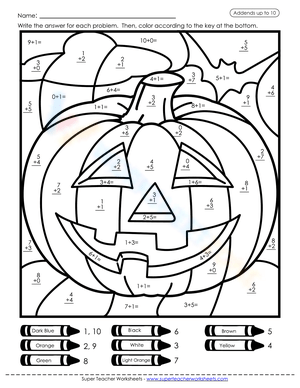
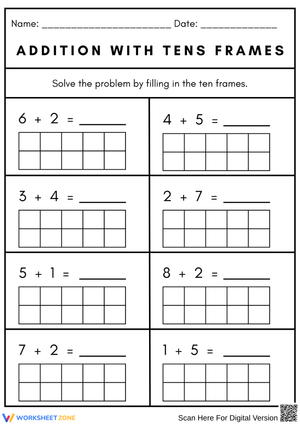
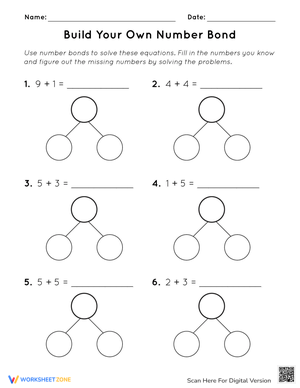
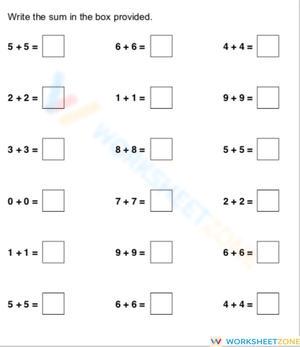
Each worksheet focuses on a specific cluster of facts rather than mixing sums randomly. Early worksheets work through adding zero and one—facts students often solve by counting but can learn to state by rule almost immediately. From there, the set moves through doubles (2+2 through 10+10), doubles-plus-one, making-ten combinations, and the remaining sums within 20. Some worksheets present standard horizontal equations; others use ten-frame images or open number bonds where students fill in a missing value. Missing-addend problems—"6 + ___ = 10"—appear throughout and push students to think relationally rather than just procedurally.
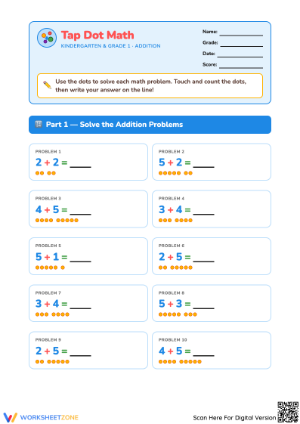
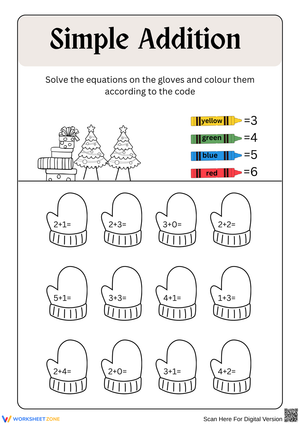
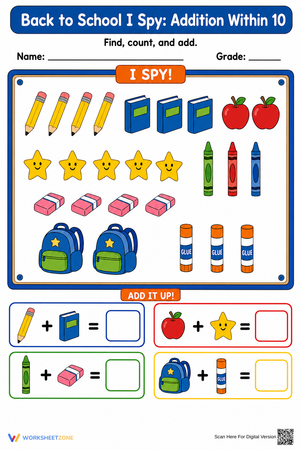
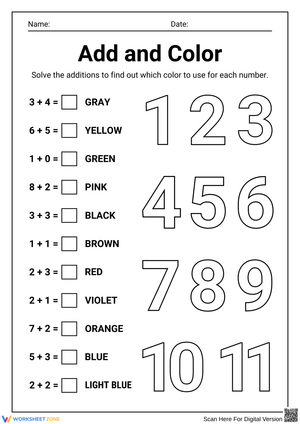
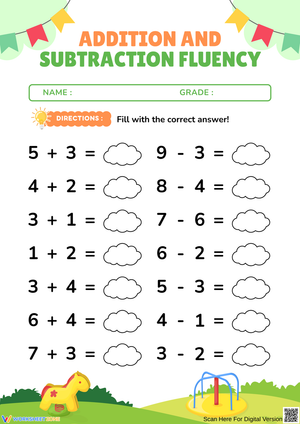
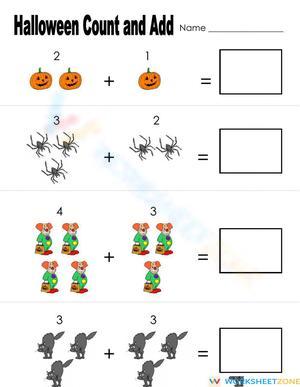
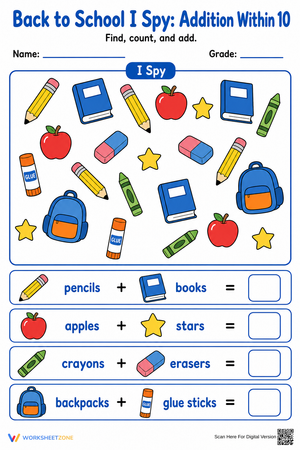
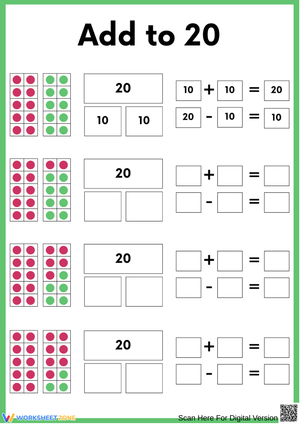
Several worksheets pair a small visual support with a set of bare equations, letting teachers observe in real time whether a student still needs the picture or has moved past it. That graduation in support—from image-assisted to equation-only—is built into the sequence rather than left to teacher improvisation.
Standard Alignment
The set aligns directly with 1.OA.C.6: add and subtract within 20, demonstrating fluency for addition and subtraction within 10. That standard is worth understanding in instructional terms, not just as a code number. Fluency within 10 means students produce correct answers without counting—automaticity, not raw speed. The within-20 expectation permits strategic approaches such as making ten and using known doubles, both of which several worksheets practice explicitly. Teachers working through a fact-strategy progression—from counting strategies to derived facts to automatic recall—will find the coverage maps cleanly onto that developmental arc.
What Student Work Actually Reveals About These Errors
The most common error first graders make is not producing a wrong answer—it's producing a correct answer through an unreliable method. A student who solves 7 + 5 by counting up from one will eventually miscount; the worksheet answer looks fine until a harder problem exposes the fragile strategy underneath. Watch for students who touch each printed digit as a counting object, or who subvocalize a full count from one instead of counting on from the larger addend. These students don't misunderstand addition; they haven't yet internalized that you can start at seven and count up five more.
Doubles facts reveal a different pattern. Many students memorize 6 + 6 = 12 as an isolated fact but pause on 6 + 7 = 13. When you see a student fly through exact doubles and then stall on near-doubles, that's the signal to name the relationship out loud: "You already know 6 + 6. What's one more than 12?" One conversation in the moment is worth three more worksheets on the same problem.
Building These Worksheets Into Your Weekly Lesson Plans
The most productive placement for 1st grade addition facts pdf worksheets is the five-to-eight minute window at the start of math block—after the transition from morning meeting but before new instruction begins. Students are seated and mentally present, and a short practice sheet activates the fact knowledge they'll need for the lesson. This is spaced retrieval at low cognitive cost, not filler. Keep a small stack accessible in a math center as well, so students finishing independent work early have a purposeful next step without requiring teacher redirection.
On Fridays, pull one worksheet as a quick formative check—not for a grade, but to scan which students are still visibly counting. A 90-second observation pass while students work tells you more about fluency development than any end-of-unit assessment. Look for finger-touching, subvocalizing, and upward eye movement: those are counting behaviors, and they tell you the student hasn't crossed into automaticity yet.
Differentiating These Worksheets Across Ability Levels
Students who haven't consolidated sums within 5 need the ten-frame and number-bond worksheets from the early portion of the set, paired with physical counters at their desk. Removing the manipulative before a student is ready doesn't speed learning—it produces guessing. Let those students use the concrete support while they work, then fade it intentionally by asking them to try one row without it and checking whether accuracy holds.
For students who have moved past sums within 10, the missing-addend and within-20 worksheets extend practice without requiring a separate resource. Students who answer those quickly and without visible counting behavior are ready to shift focus toward related subtraction facts. At that stage, 1st grade addition facts pdf worksheets serve a maintenance role: one worksheet per week keeps the knowledge active while instruction moves forward into new territory.
Frequently Asked Questions
What addition combinations does this set cover?
The set covers all sums within 20, organized into logical clusters: adding zero and one, doubles, doubles-plus-one, making-ten combinations, and remaining sums. Missing-addend problems appear across multiple worksheets. The sequence moves from visually supported formats to equation-only practice as students build recall.
How do I tell whether a student is genuinely fluent or just accurate?
Accuracy without automaticity looks like correct answers arrived at slowly, with visible counting behavior—finger-touching, subvocalizing, or eye movement tracking upward. Fluency means the answer comes before a counting strategy could complete. A brief untimed observation while students work through ten problems is a reliable informal check. Students who answer in under three seconds per problem without any counting behavior have likely crossed into automaticity for those facts.
Are these worksheets appropriate for students working below grade level?
Yes, with intentional selection. Start those students with the zero, one, and doubles worksheets, which carry the lowest cognitive demand and the clearest patterns. Placing a student who is still counting all objects onto an equation-only worksheet produces frustration before it produces learning. The structured practice sequence in 1st grade addition facts pdf worksheets lets teachers choose the right entry point rather than requiring every student to begin from the same place.
Can I send these home as homework?
Addition fact practice travels home well because families recognize the format and can support it without learning a new strategy. Attach a brief note naming the current fact cluster—doubles, making ten, or sums within 20—so parents know what to emphasize. Suggest using small household objects as counters if a student gets stuck; that mirrors classroom practice without requiring any special materials.













 Interactive Worksheet Maker
 Quiz Maker
 Word Search Maker
 Crossword Puzzle Maker
 Word Scramble Generator
 Sentence Scramble Generator
 Handwriting Worksheet Generator
 Name Tracing Generator
 Fill In The Blank Generator