Building Strong Arguments with Persuasive Writing worksheets
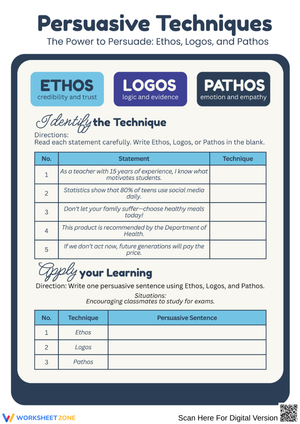
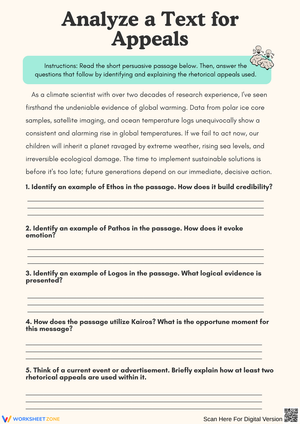
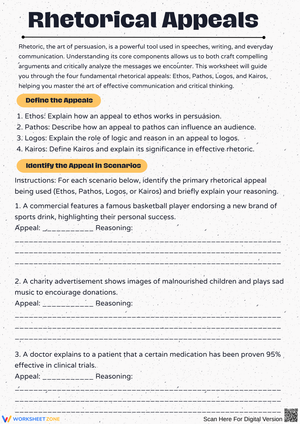
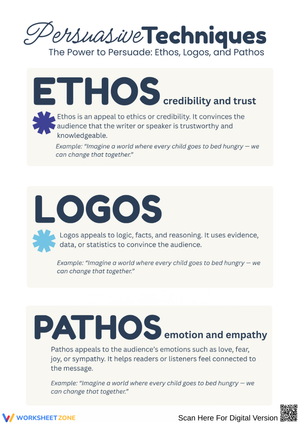
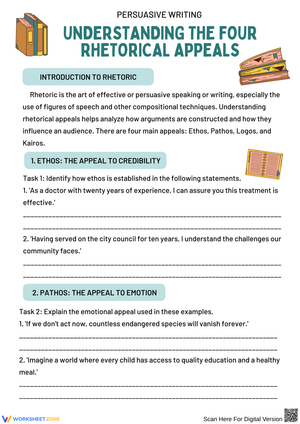
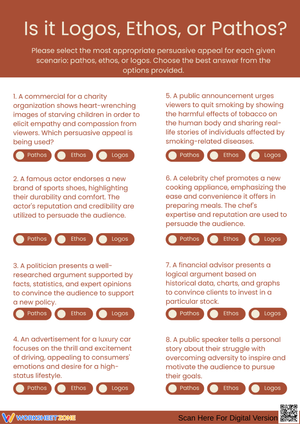
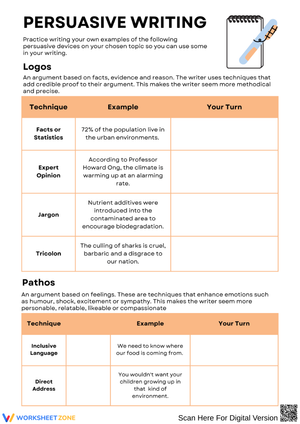
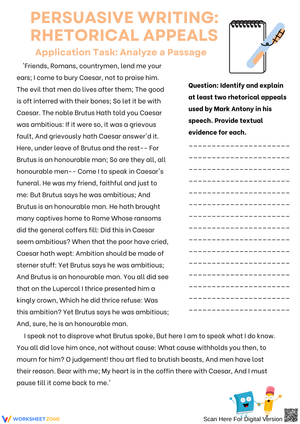
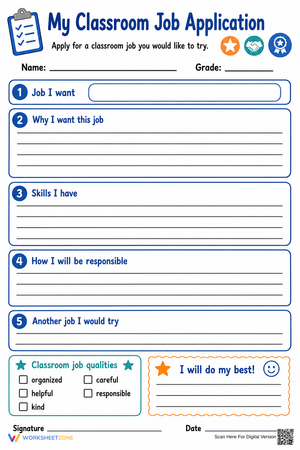
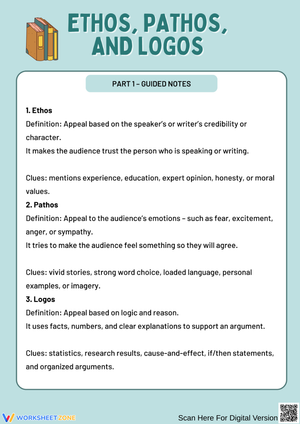
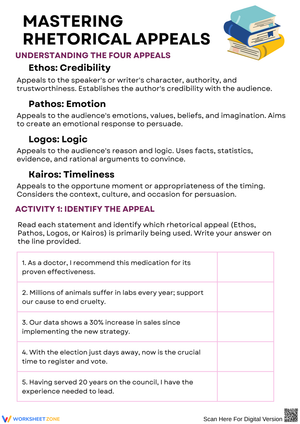
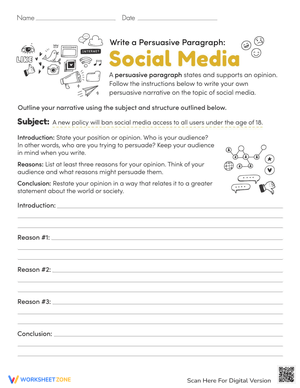
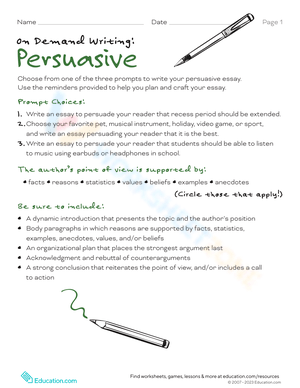
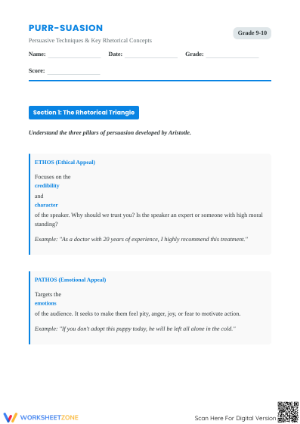
Persuasive writing stands as one of the most practical and academically demanding genres within the English Language Arts curriculum. It requires students to move beyond mere expression and step into the role of an advocate, using logic, emotion, and credibility to influence an audience. In many classrooms, the transition from creative storytelling to structured argumentation presents a significant hurdle. This is where high-quality persuasive writing worksheets resources become indispensable. These tools provide the necessary scaffolding to help learners deconstruct the components of a strong argument before they attempt to write a full-length essay. By breaking down the writing process into manageable steps—such as identifying a claim, gathering evidence, and selecting persuasive techniques—teachers can ensure that students build a solid foundation in rhetoric.
The utility of these worksheets extends across various grade levels. For younger elementary students, the focus might be on distinguishing between facts and opinions or identifying author purpose. Utilizing a structured PDF format allows teachers to print and distribute targeted practice that meets the specific needs of their current student cohort, whether for whole-class instruction or small-group intervention. These resources bridge the gap between abstract concepts and concrete writing output.
The OREO Method: A Framework for Persuasive Success
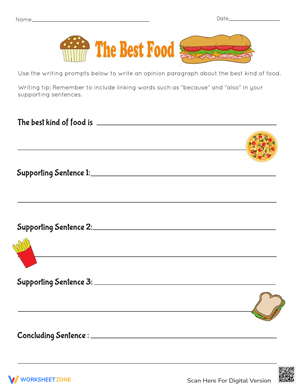
One of the most effective ways to introduce the structure of a persuasive paragraph is through the OREO method. This acronym—Opinion, Reason, Example, Opinion—provides a clear and memorable framework that even the most reluctant writers can follow. When students use persuasive writing worksheets designed around this model, they learn that a strong argument isn't just a list of beliefs, but a layered structure that requires support. The first 'O' prompts students to state their stance clearly. The 'R' forces them to think critically about why they hold that opinion, while the 'E' requires them to provide concrete evidence or a specific story to illustrate their point. Finally, the concluding 'O' reinforces the main claim, ensuring the argument is cohesive.
Using OREO worksheets helps prevent the common issue of circular reasoning where students simply restate their opinion without adding any new information. In a classroom setting, these worksheets serve as a bridge to more complex essay structures. Once a student masters the OREO paragraph, they can easily expand each section into a full body paragraph. This scalable approach makes the OREO method a staple in writing instruction from the third grade onward.
Integrating Evidence and Research into Student Writing
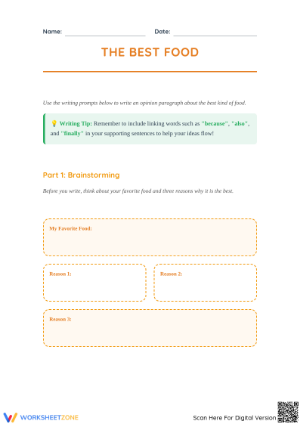
A significant challenge in teaching persuasion is helping students move from subjective feelings to objective evidence. Many students believe that 'because I like it' constitutes a valid reason. Teachers must guide them toward using credible sources and data. Persuasive writing worksheets that include sections for evidence-gathering are vital for this developmental step. These worksheets often prompt students to look at external texts or data sets to find support for their claims. This practice not only improves their writing but also builds essential information literacy skills that are required in higher education.
According to research from ReadWriteThink, instructional scaffolding like graphic organizers can improve student writing quality by 40% when students use them to plan arguments before drafting. This data highlights the importance of using structured worksheets to bridge the gap between thinking and formal writing. By utilizing these evidence-based frameworks, teachers can significantly reduce the cognitive load on students during the drafting phase.
When students write down specific pieces of evidence before they begin their first draft, the quality of their final piece improves. It forces them to evaluate the strength of their reasons. Worksheets that encourage this pre-writing analysis save time for both the teacher and the student by catching weak arguments early. This early intervention ensures that students remain focused on logical appeals rather than emotional anecdotes.
Mastering Transition Words for Logical Flow
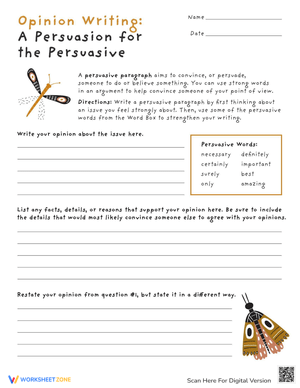
A persuasive piece can have the strongest evidence, but if the ideas are not connected logically, the reader will lose interest. Transition words act as the glue that holds the argument together. Words and phrases like 'consequently,' 'moreover,' 'in contrast,' and 'for instance' signal how the current sentence relates to the previous one. Integrating them into persuasive writing worksheets makes the application immediate and relevant. These resources often include word banks or fill-in-the-blank exercises that require students to select the most appropriate transition for a specific relationship.
For example, a worksheet might present two sentences—one stating a reason and the other an example—and ask the student to select a word like 'specifically' or 'furthermore' to join them. This level of granular practice is necessary for students who struggle with the 'choppiness' of early persuasive drafts. As students become more comfortable, they can move away from basic transitions and begin using more sophisticated connectors that indicate cause and effect or contrast. This linguistic development is a hallmark of growing academic maturity.
Classroom Implementation and Teacher Tips
Effective use of persuasive writing worksheets goes beyond just handing them out. Consider using them as part of a gradual release of responsibility model. Start with a mentor text that displays the target skills, such as a well-written letter to the principal. Use a worksheet to reverse-engineer that mentor text as a whole class. This allows students to see the underlying skeleton of a successful argument. Once the class understands the components, move to a collaborative practice where small groups work together on a single worksheet to build an argument for a topic like school lunch options.
Another effective strategy is to use these worksheets for peer review. After students have completed their argument planning on a worksheet, they can swap with a partner. The partner checks if the worksheet includes a clear opinion, at least two reasons, and corresponding examples. Because the information is in a structured format on the worksheet, students can provide much more specific feedback than they could on a messy first draft. This peer interaction not only saves the teacher time but also helps students develop an editor's eye.
The Role of Audience Awareness in Persuasion
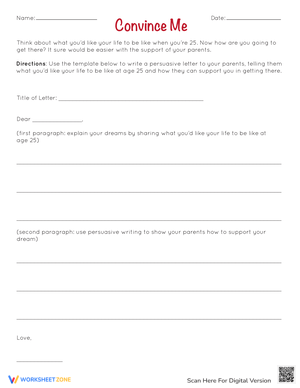
A key element of persuasion is the concept of the audience. A student writing a letter to their parents will use different language and reasons than if they were writing to a city council member. Persuasive writing worksheets that include audience analysis sections are particularly valuable for teaching this nuance. These worksheets ask students to identify who they are trying to convince and what that specific person cares about. This helps students move away from a one-size-fits-all approach to writing and toward a more sophisticated, intentional style.
Research into cognitive load theory suggests that when students manage mechanics, structure, and audience tone simultaneously, their performance often suffers. By isolating audience awareness as a specific pre-writing task on a worksheet, teachers allow students to mentally solve the audience problem before worrying about grammar or sentence structure. This separation of concerns is a highly effective way to improve the quality of student output, especially for those who struggle with executive function or language processing.
Frequently Asked Questions
1. How can teachers differentiate persuasive writing worksheets?
Differentiation can be achieved by providing varying levels of support. For students who need more help, provide sentence starters or transition word banks. For advanced learners, remove the specific prompts and ask them to develop their own graphic organizer, or require them to include a counter-argument and a rebuttal. Using the same core worksheet with these small adjustments allows the entire class to work on the same objective while meeting individual needs.
2. At what age should students start using these persuasive worksheets?
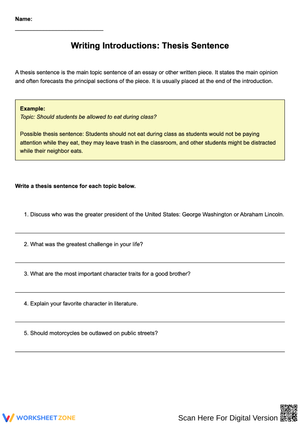
Students can begin working on the basic concepts of persuasion as early as kindergarten through Fact vs. Opinion activities. Formal structured worksheets, such as the OREO model, are typically introduced in late second or early third grade. As students enter middle school, the focus shifts to multi-paragraph essays, requiring more complex worksheets that handle thesis statements and evidence-based body paragraphs.
3. Can these worksheets be used for digital learning?
While designed to be printed as a PDF, many of these resources are easily adaptable for digital use. Teachers can upload the PDF to a platform that allows for digital annotation, or use the worksheet as a template for a shared digital document. However, the tactile experience of writing by hand on a printed worksheet is often beneficial for students during the brainstorming phase, as it allows for quick mapping of ideas without digital distractions.
4. What is the most common mistake students make in persuasive writing?
The most frequent error is failing to provide specific evidence. Students often rely on broad generalizations. Worksheets that specifically require multiple evidence slots help to combat this. Another common issue is list-like writing where students provide reasons without connecting them. Focusing on transition word practice within the worksheets can help students overcome this and create a more cohesive, professional-sounding piece of writing.
5. How do these worksheets align with common writing standards?
Most writing standards require students to write arguments to support claims with clear reasons and relevant evidence. Persuasive writing worksheets are specifically designed to mirror these requirements. They guide students through the process of introducing a topic, stating an opinion, providing a logically ordered reason, and offering a concluding statement. By using these tools, teachers can ensure they are covering the specific elements defined by their curriculum guidelines.












 Interactive Worksheet Maker
 Quiz Maker
 Word Search Maker
 Crossword Puzzle Maker
 Word Scramble Generator
 Sentence Scramble Generator
 Handwriting Worksheet Generator
 Name Tracing Generator
 Fill In The Blank Generator