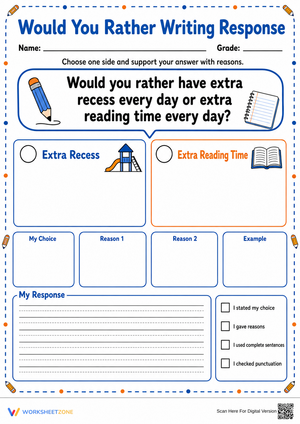
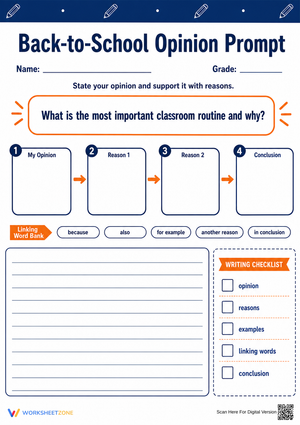
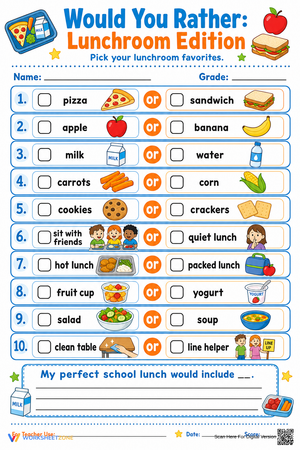
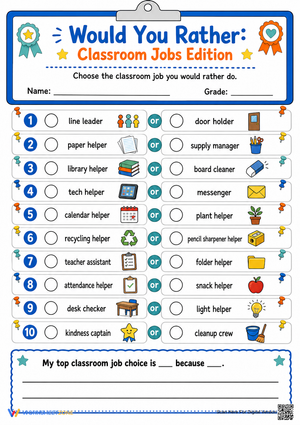
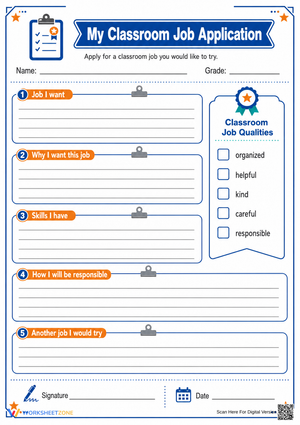
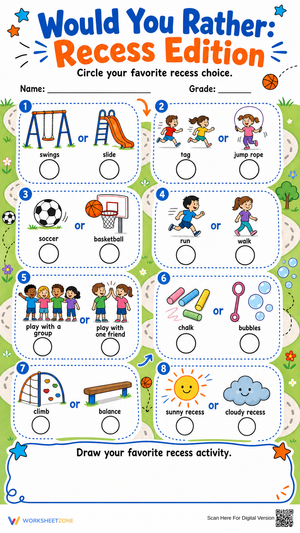
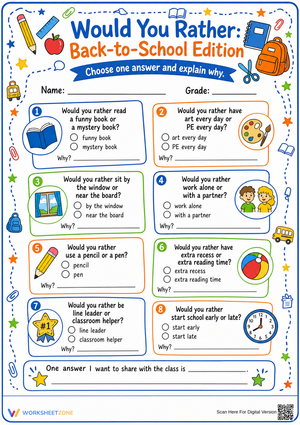
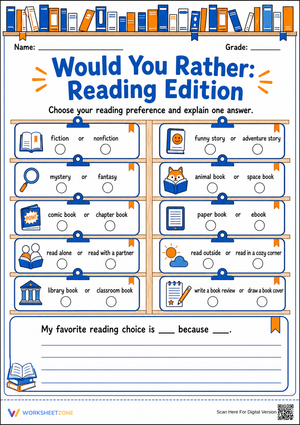
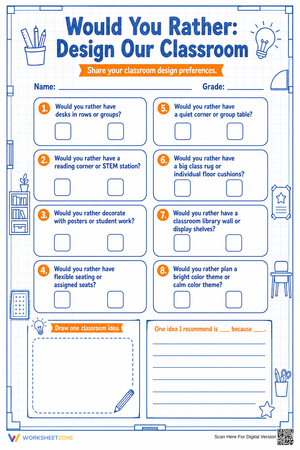
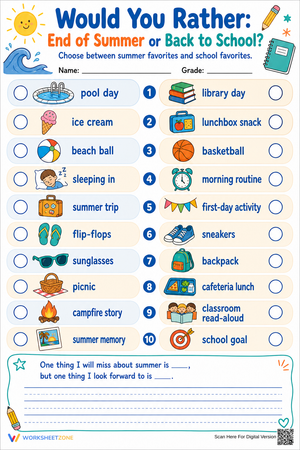
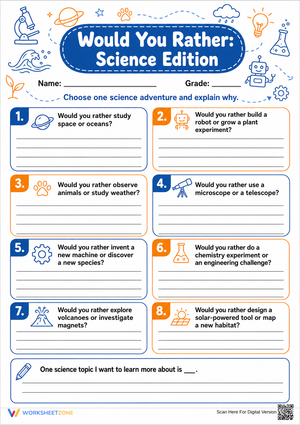
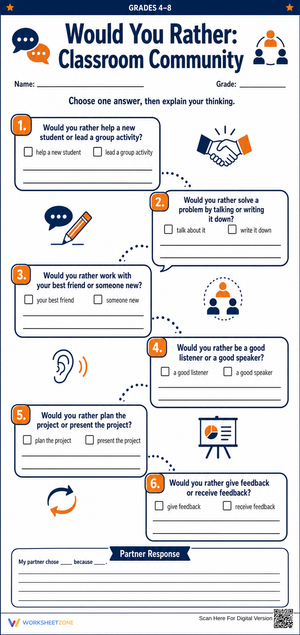
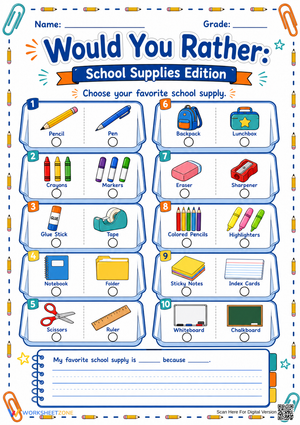
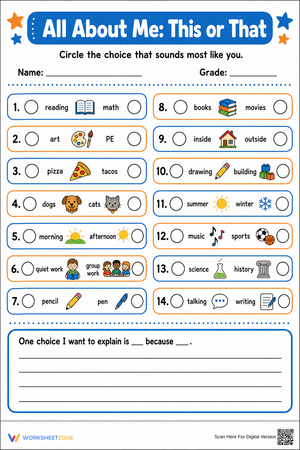
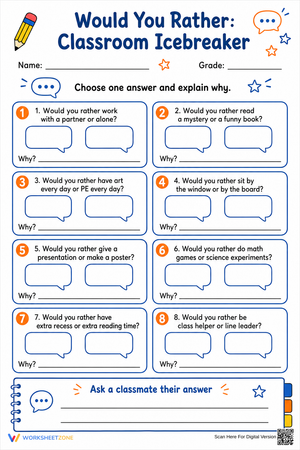
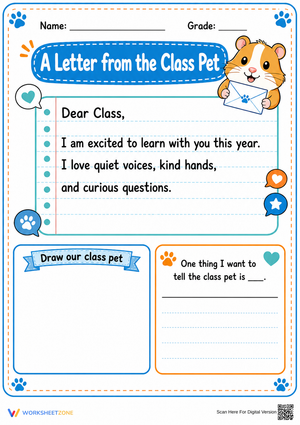
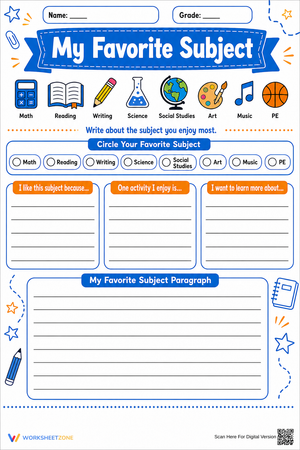
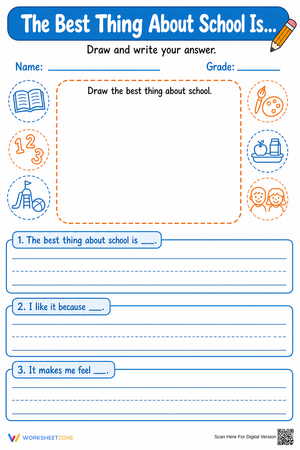
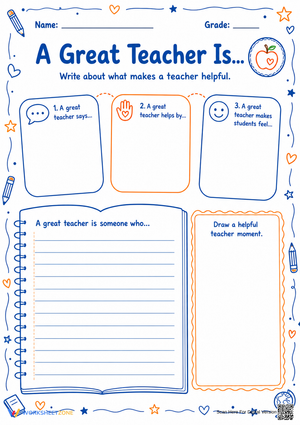
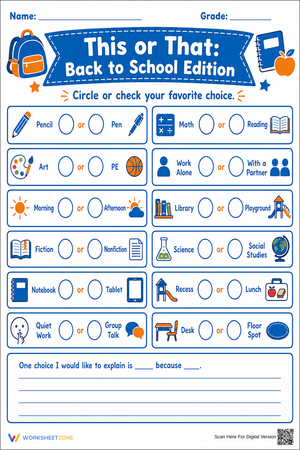
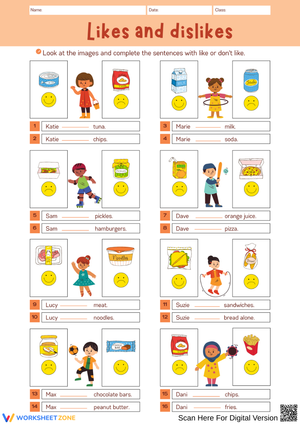
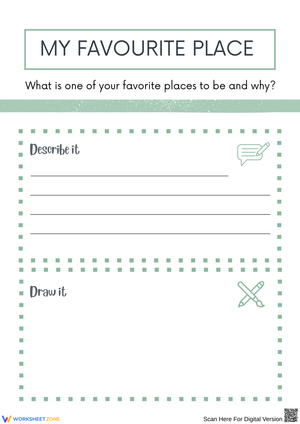
Learning to express a clear opinion is a major cognitive milestone for elementary and middle school students. When children begin to move from simply describing what they see to defending what they believe, they enter a new phase of literacy development. Our opinion writing worksheets are designed to honor this transition by giving students structured space to think, plan, and articulate ideas that matter to them. Each page introduces a manageable prompt and asks young writers to take a stand, gently building the cognitive habits that lead to confident persuasive writing.
The collection follows a careful scaffolding approach that mirrors how real writers grow. Early activities help students separate fact from opinion, while later pages guide them to organize a claim, two or three reasons, and a closing thought. This guided to independent progression lets teachers and parents introduce one skill at a time without overwhelming the writer. As students gain confidence, they can explore a deeper teaching framework that explains how to coach young writers through stronger reasoning and clearer transitions.
Strong opinion writing also depends on fine motor stamina and clean handwriting habits. Students who practice forming letters consistently can focus more energy on their ideas instead of fighting with the page. Each printable in this opinion writing worksheets set offers wide lines, clear graphic organizers, and predictable layouts so learners can move from brainstorming bubbles to polished paragraphs. Teachers using these worksheets in the classroom often pair them with a quick verbal rehearsal, which lets students hear their argument before they write it down. The lesson plan flow is intentionally simple so families can repeat it at home.
Older students benefit from the way these worksheets stretch mental stamina and visual organization. As writers move into upper elementary and middle school, opinions need to be supported with evidence, examples, and counterpoints. Activities in this collection include sentence starters, planning charts, and revision checklists that ask students to slow down and weigh their reasoning. For learners ready to compare related skills, our persuasive writing practice pages show how a personal opinion can grow into a structured argument aimed at a specific audience.
Bringing these resources into a daily routine helps students build the steady, research informed habits that strong writers rely on for years. Parents can use the printable pages as quiet weekend practice, while teachers can fold them into mini lessons, writing centers, or end of unit assessments. By returning to opinion writing worksheets regularly, children learn that their thoughts deserve careful planning and clear voice, and they leave each page a little more prepared for the academic writing ahead.
Frequently Asked Questions
Question 1: What grade levels are these opinion writing worksheets best for?
The collection works well for students in grades two through six, though the early pages also support advanced first graders. Younger writers focus on choosing a side and giving a single clear reason, while older students practice multi paragraph responses with evidence and counterpoints. Teachers and parents can mix grade levels because the scaffolded layout allows each child to work at a comfortable challenge point without losing momentum.
Question 2: How do these worksheets help students build persuasive writing skills?
Each worksheet introduces one core building block at a time, such as identifying an opinion, listing reasons, or writing a strong closing sentence. Over many sessions, these small skills combine into the longer persuasive paragraphs students need for academic essays. The graphic organizers also teach planning habits, so students learn to think before they write. This gradual approach mirrors the structure used by experienced writing teachers in the classroom.
Question 3: Can parents use opinion writing worksheets at home without a lesson plan?
Yes. The pages are designed so a parent can hand a child a printable, read the prompt aloud, and let the worksheet guide the rest. Clear instructions, sentence starters, and example prompts remove the need for special preparation. Families often use one page per session, then talk about the writing together. This light routine reinforces classroom learning and gives children regular practice with sharing their ideas in a supportive setting.
Question 4: How often should students practice with opinion writing worksheets?
Two to three short sessions per week tend to produce the best results for most learners. Regular practice keeps the planning steps fresh and helps students notice their own growth from one piece to the next. Teachers often rotate these worksheets through writing centers, while parents may schedule them as part of weekend learning. Consistency matters more than length, since steady repetition is what builds confident, organized writers over time.












 Interactive Worksheet Maker
 Quiz Maker
 Word Search Maker
 Crossword Puzzle Maker
 Word Scramble Generator
 Sentence Scramble Generator
 Handwriting Worksheet Generator
 Name Tracing Generator
 Fill In The Blank Generator