Understanding Digraphs and Their Role in Early Phonics
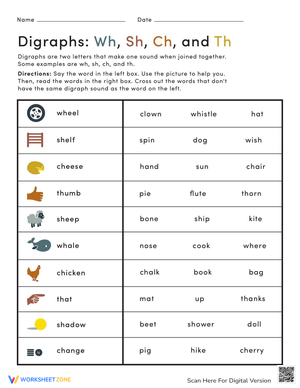
Early reading instruction requires explicit teaching of letter-sound correspondences. Among the most challenging yet essential concepts for young learners to grasp are digraphs. Digraphs are specific combinations of two letters that work together to represent a single, distinct sound. Unlike individual letter sounds, these combinations require students to recognize that the two letters function as a single unit. Common examples include consonant combinations like "sh," "ch," "th," and "wh." Mastering these sounds is a fundamental milestone for kindergarten, first, and second-grade students. When teachers provide targeted practice through structured materials, students begin to decode unfamiliar words with greater accuracy. The ability to quickly identify a digraph within a word directly impacts reading fluency and comprehension. Utilizing digraphs printable worksheets resources allows teachers to reinforce this skill systematically. These printable resources offer students the repetition needed to build automaticity. By isolating the specific sound and practicing it within the context of decodable words, young readers develop the confidence needed to tackle more complex texts. Explicit phonics instruction combined with consistent practice lays the groundwork for lifelong reading success.
Consonant Digraphs versus Vowel Teams
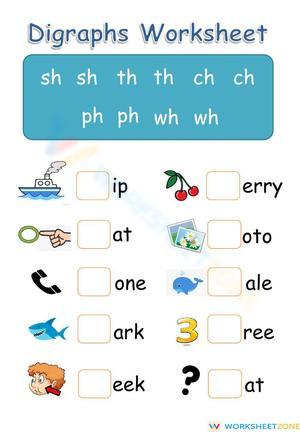
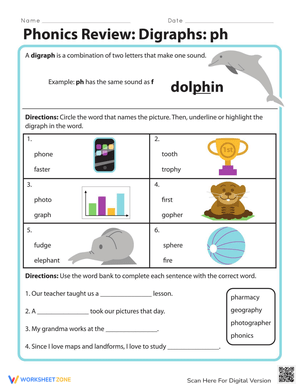
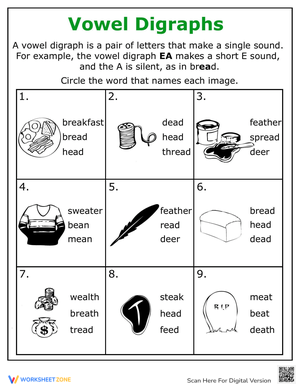
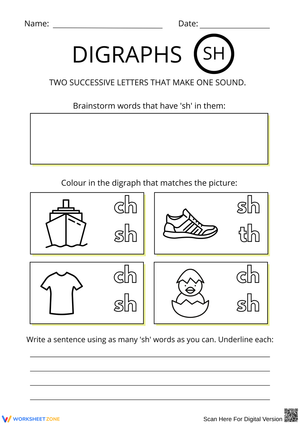
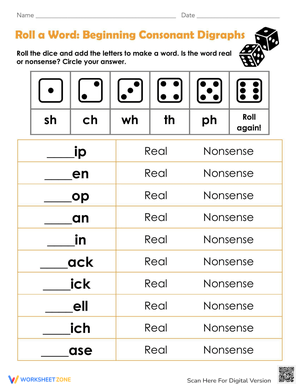
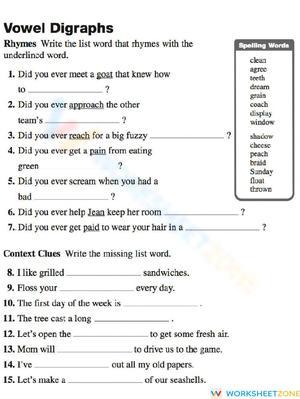
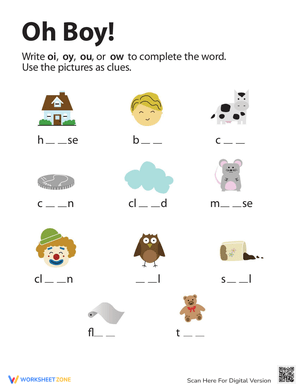
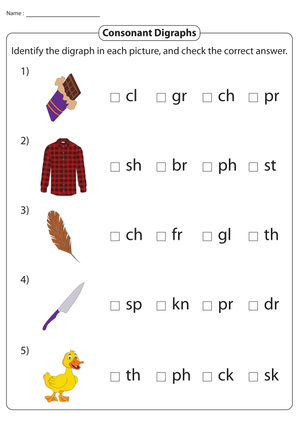
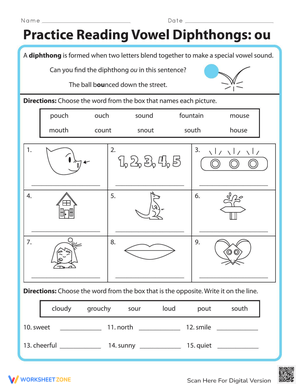
When teaching phonics, teachers often categorize digraphs into two primary groups: consonant digraphs and vowel digraphs, frequently referred to as vowel teams. Consonant digraphs consist of two consonant letters that produce one unique sound. Familiar examples include the "sh" in "ship," "ch" in "chat," "th" in "thin," and "ph" in "phone." Other common consonant digraphs include "ck" and "ng," which typically appear at the end or middle of words. On the other hand, vowel digraphs involve two vowels working together to make one sound, often the long sound of the first vowel. Examples of vowel teams include the "oa" in "boat," "ee" in "seed," "ai" in "rain," and "ea" in "read." Teaching both types requires distinct strategies. Consonant digraphs are usually introduced first, as they appear frequently in high-frequency words and early decodable texts. Vowel teams are typically introduced later when students have a solid grasp of basic consonant sounds and short vowels. Providing dedicated digraphs printable worksheets options for both categories ensures that students receive balanced and comprehensive phonics instruction.
The Science Behind Teaching Digraphs printable worksheets
The effective teaching of phonics relies heavily on evidence-based practices that emphasize explicit and systematic instruction. When students engage with well-designed printables, they are participating in active learning that reinforces memory retention. The act of physically writing, tracing, and interacting with the letters helps solidify the grapheme-phoneme connection in the brain. Printable worksheets offer a structured format where students can focus entirely on the target sound without the distraction of overly complex reading passages.
According to Literacy Planet: What are digraphs?, structured repetition is essential for developing strong foundational reading skills. The resource notes that consistent engagement with isolated digraph exercises and targeted printable materials increases phonemic automaticity by up to forty percent during the early reading stages, allowing students to decode text much faster.
This focused practice is essential for moving a student from the instructional level to the independent reading level. By utilizing digraphs printable worksheets activities, teachers can systematically introduce one digraph at a time, ensuring mastery before moving on to the next. This sequential approach prevents cognitive overload and builds a strong foundation for future literacy development.
Transitioning from Blends to Digraphs
One of the most common hurdles in early phonics instruction is helping students distinguish between blends and digraphs. As noted by Teach Starter: Digraph vs Blends, a blend consists of two or more consonants where each letter retains its own distinct sound, such as the "st" in "stop" or the "fl" in "flag." In contrast, a digraph consists of two letters that merge to create a completely new, single sound. Teaching this distinction requires clear, explicit language and frequent practice. Teachers must model how to segment words, emphasizing the difference between hearing two separate sounds in a blend and one unified sound in a digraph.
Research indicates that students who physically manipulate letter tiles or use color-coded tracing sheets to group digraphs as a single visual unit reduce decoding errors by nearly thirty percent compared to those who rely solely on verbal repetition.
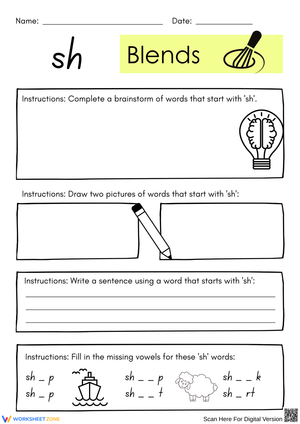
Using targeted digraphs printable worksheets resources can facilitate this transition. Activities that require students to sort words into "blend" and "digraph" categories force them to actively listen to the sounds and analyze the spelling patterns. This active engagement helps solidify the concept and improves their ability to apply this knowledge when reading independently.
Designing Engaging Phonics Centers
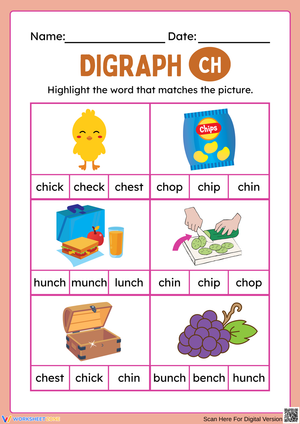
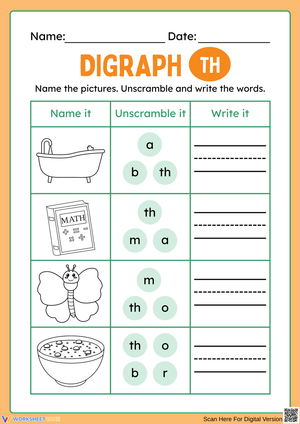
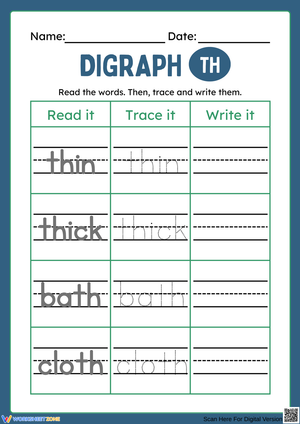
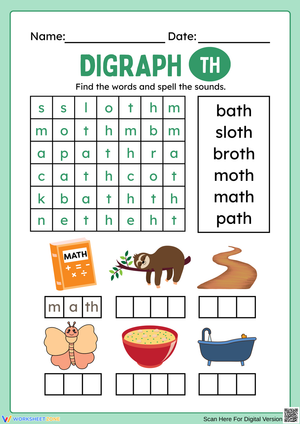
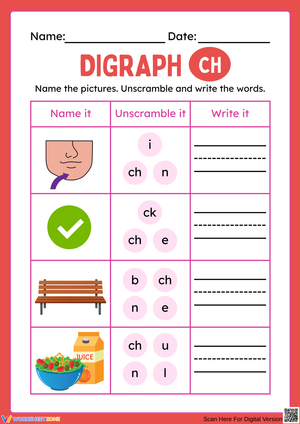
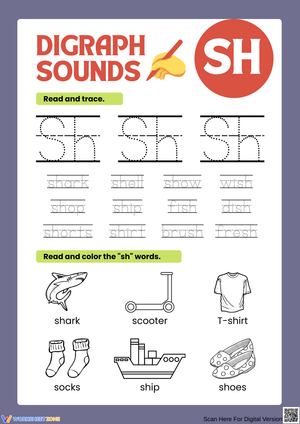
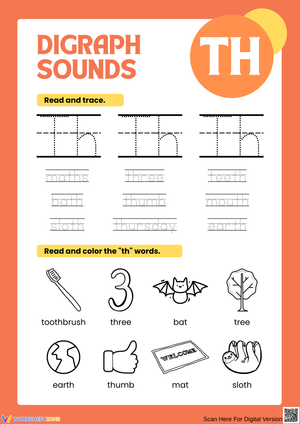
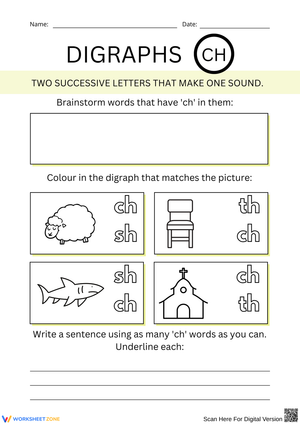
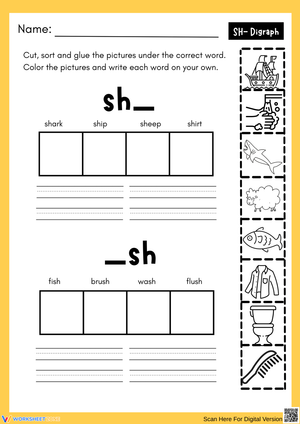
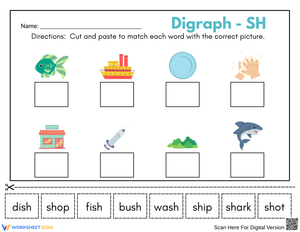
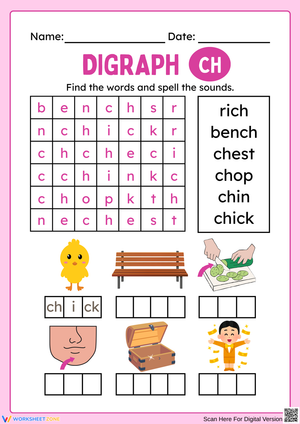
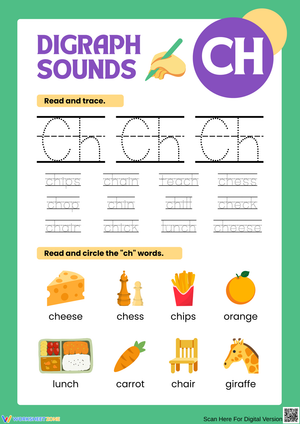
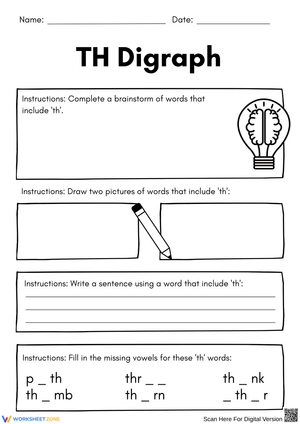
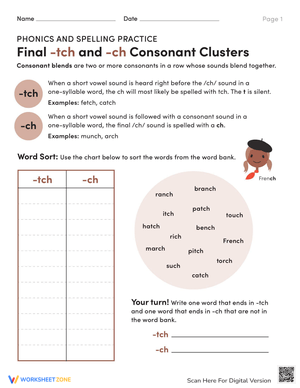
Phonics centers provide an excellent opportunity for students to practice and apply their knowledge of digraphs in an independent or small-group setting. To maximize the effectiveness of these centers, teachers should incorporate a variety of engaging activities. Digraphs printable worksheets resources can serve as the core component of these centers. Teachers can include "Digraph Detective" activities where students search for specific digraphs hidden within a text or a field of words. Matching games, where students pair a picture with the corresponding digraph word, are also highly effective. Word sorts challenge students to categorize words based on their beginning or ending digraph. Additionally, word searches and tracing activities provide essential handwriting practice while reinforcing the spelling patterns. By rotating these activities regularly, teachers keep the centers fresh and engaging, motivating students to continue practicing their phonics skills. The versatility of printable worksheets allows teachers to easily differentiate instruction, providing more challenging activities for advanced learners and foundational practice for those who need extra support.
Classroom Implementation
Integrating digraphs printable worksheets materials into the daily classroom routine requires thoughtful planning. These resources are most effective when used as a supplement to explicit, whole-group phonics instruction. After introducing a new digraph and modeling its sound and spelling, teachers can distribute the printables for independent practice. This allows students to apply what they have learned immediately. In small-group settings, teachers can use the worksheets for targeted intervention, focusing on specific digraphs that students are struggling to master. Guided reading groups also present an opportunity to reinforce these skills. Before reading a text, teachers can have students identify and highlight the target digraphs within the passage. The printables can also be sent home for homework, providing an opportunity for parents to support their child's learning. Consistency is key; integrating these activities into the daily schedule ensures that students receive the repeated exposure necessary for mastery. By carefully selecting printables that align with the current curriculum, teachers can create a cohesive and effective phonics program.
Tracking Student Progress and Assessment
Effective instruction relies on ongoing assessment to monitor student progress and identify areas for improvement. Digraphs printable worksheets resources provide a valuable tool for formative assessment. As students complete the activities, teachers can observe their accuracy and fluency. Analyzing the errors students make on the worksheets can reveal underlying misconceptions. For example, if a student consistently confuses the "sh" and "ch" sounds, the teacher can provide targeted intervention to address this specific issue. These printables can also be used as quick, informal check-ins or "exit tickets" at the end of a phonics lesson. By regularly reviewing student work, teachers can adjust their instruction to meet the diverse needs of their classroom. Furthermore, keeping a portfolio of completed worksheets allows teachers to track progress over time and share this data with parents during conferences. This tangible evidence of learning helps parents understand their child's development and provides a clear picture of their phonics mastery.
Frequently Asked Questions
1. What is the difference between a digraph and a blend?
A digraph is a combination of two letters that work together to create one single, distinct sound, such as the "sh" in "shoe" or the "ch" in "chair." When you say the word, you only hear one sound for those two letters. In contrast, a blend consists of two or more consonants where each letter retains its own individual sound, such as the "fl" in "flower" or the "st" in "star." In a blend, you can clearly hear each separate consonant sound. Understanding this distinction is a fundamental step in early reading instruction and requires specific, targeted practice to master.
2. When should children start learning digraphs?
Children typically begin learning digraphs in kindergarten or early first grade, depending on the specific curriculum and their individual reading readiness. The instruction usually starts after students have mastered basic, single-letter consonant sounds and short vowel sounds. Once they can comfortably decode simple CVC (consonant-vowel-consonant) words, they are ready to be introduced to the most common consonant digraphs like "sh," "ch," and "th." Vowel digraphs, or vowel teams, are often introduced slightly later in first grade or early second grade. Using appropriately leveled printables helps structure this introduction effectively.
3. How can I help my child distinguish similar-sounding digraphs?
Distinguishing similar-sounding digraphs, such as "sh" and "ch" or "th" and "f," requires clear auditory and visual discrimination practice. Teachers and parents should start by demonstrating the specific mouth and tongue positions needed to produce each sound. Utilizing mirrors allows children to observe their own mouth movements. Sorting activities using printables are highly effective; provide a mix of pictures or words containing the confusing sounds and have the child categorize them. Emphasize slow, exaggerated pronunciation initially, and gradually increase the speed as their accuracy improves. Consistent reinforcement is key to developing this skill.












 Interactive Worksheet Maker
 Quiz Maker
 Word Search Maker
 Crossword Puzzle Maker
 Word Scramble Generator
 Sentence Scramble Generator
 Handwriting Worksheet Generator
 Name Tracing Generator
 Fill In The Blank Generator