Why Consonant Digraphs Are the Key to Early Literacy
Phonics instruction is the foundation of early reading, and mastering consonant digraphs represents a significant milestone. When children move beyond simple CVC words where every letter makes its own sound, they encounter the digraph. A consonant digraph consists of two consonants that create a single, unique phoneme. This shift requires students to stop looking at letters in isolation and start recognizing patterns. Without a solid understanding of these patterns, reading fluency often plateaus, as the English language is filled with common words that rely on these combinations. Teaching these sounds requires a systematic approach that balances direct instruction with plenty of opportunities for practice and reinforcement at Worksheetzone.
Distinguishing Between Consonant Digraphs and Blends
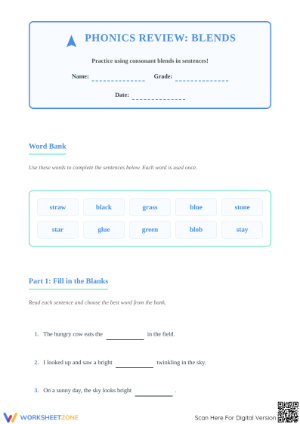
One frequent hurdle in phonics is helping students distinguish between consonant digraphs and blends. While they look similar, their phonetic functions are different. In a consonant blend, like 'bl' in 'blue' or 'st' in 'stop', each letter retains its original sound. If you say the word slowly, you can hear both phonemes vibrating together. In contrast, a consonant digraph like 'ch' in 'chair' produces a completely new sound that neither letter makes on its own. Misunderstanding this distinction can lead to significant spelling and decoding errors, particularly as students move into more advanced primary grades.
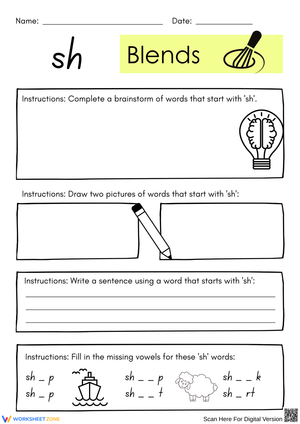
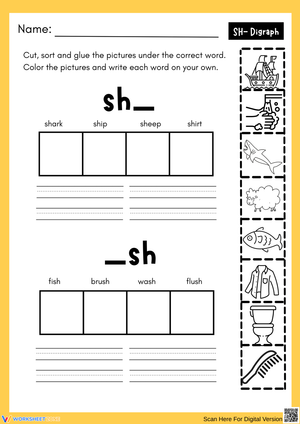
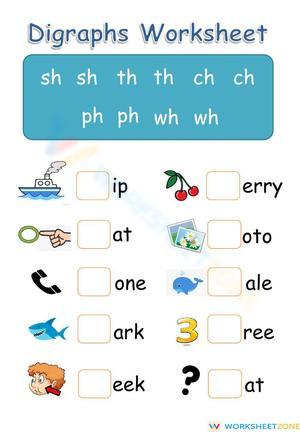
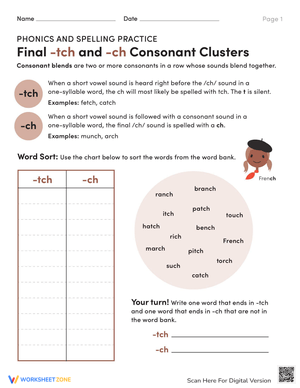
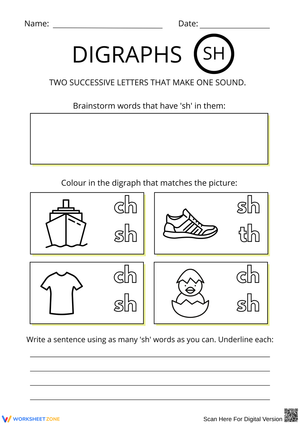
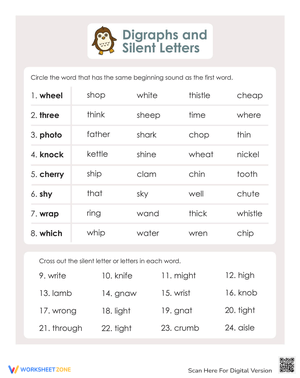
Teachers find that students struggling with phonemic awareness have the most difficulty with this concept. They might try to sound out 'sh' as /s/ /h/, leading to frustration. This is why explicit instruction is necessary. Using visual aids and word sorts is a highly effective way to highlight these differences. For instance, comparing the 's-l' in 'slid' with the 's-h' in 'ship' helps students see and hear the shift. PDF worksheets that ask students to categorize words based on whether they contain a blend or a digraph provide the necessary reinforcement. When students can accurately sort these sounds, their spelling accuracy improves alongside their reading speed in early elementary classrooms.
Sequencing Instruction: Which Digraphs Should Come First?
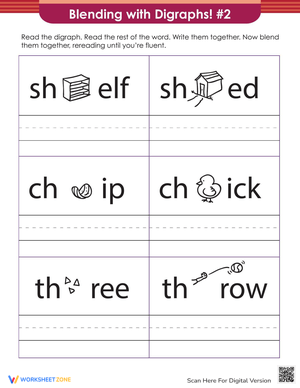
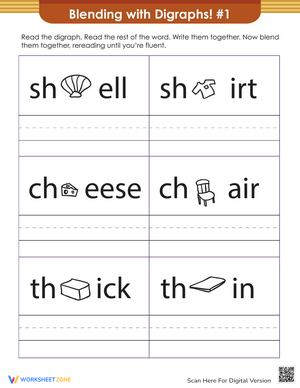
The order in which you introduce consonant digraphs can significantly impact how quickly your students achieve mastery. Phonics instruction is most effective when it follows a logical, research-based sequence. Most literacy experts recommend starting with the 'H-brothers': sh, ch, th, and wh. These are the most high-frequency digraphs in the English language and appear in many words that early readers encounter daily. By starting with 'sh' and 'ch', teachers can quickly expand the number of words students can read independently. This success builds confidence and motivation, which are essential for long-term literacy development in any classroom setting.
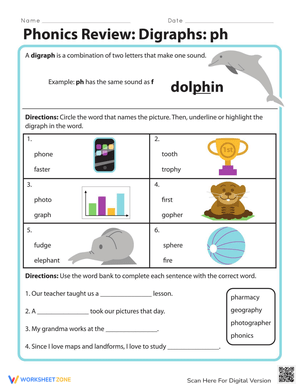
Instructional sequence matters. High-frequency digraphs like 'th' and 'sh' appear in over 15% of common early reading texts, making them the most logical starting point for phonics units. After students are comfortable with these initial four, you can introduce 'ck' and 'ph'. The 'ck' digraph is unique because it almost always appears at the end of a word or syllable after a short vowel, providing an opportunity to reinforce vowel sounds alongside digraph instruction. The 'ph' digraph is often introduced later because it is less frequent and mimics the sound of 'f'. By following a structured path, teachers prevent students from feeling overwhelmed by too many new sounds at once while ensuring that every phoneme is introduced with clarity.
Effective Strategies for Teaching Digraph Sounds
Teaching digraphs requires more than showing a flashcard. To embed these phonemes into long-term memory, teachers should employ multisensory strategies that engage various parts of the brain. Visual, auditory, and kinesthetic activities work together to reinforce the connection between the letter pair and its unique sound. For example, using air writing or finger-tapping while saying the sound of 'sh' helps kinesthetic learners internalize the pattern. Auditory games, such as 'I Spy' with digraph sounds, encourage students to listen for the specific phoneme in the world around them, sharpening their phonemic awareness throughout the school day, ensuring they have the tools for advanced decoding in the primary grades.
Classroom Implementation: Integrating PDF Worksheets into Phonics Lessons
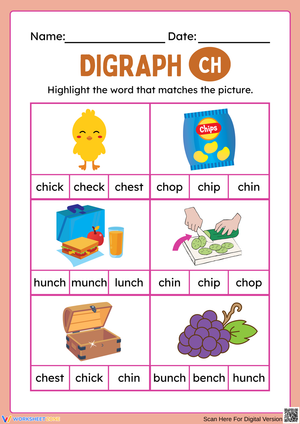
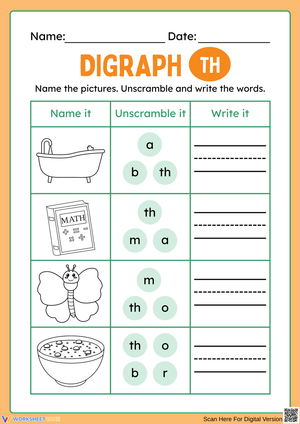
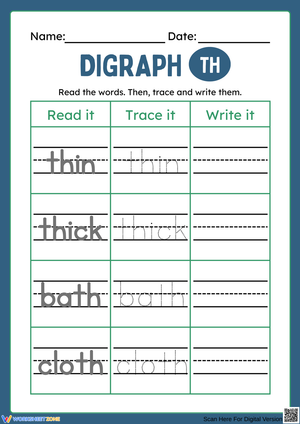
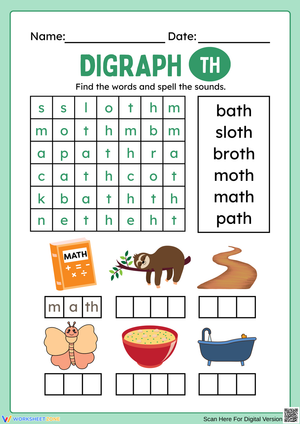
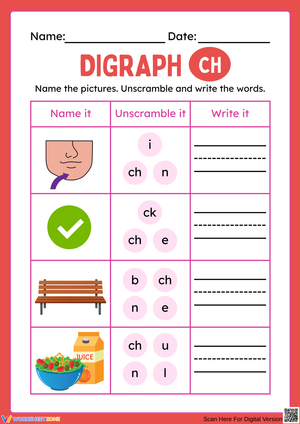
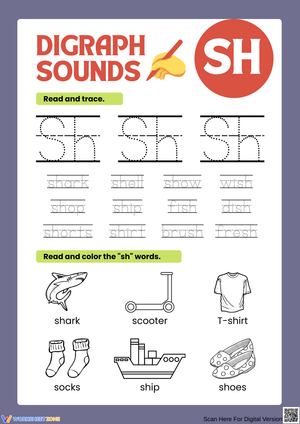
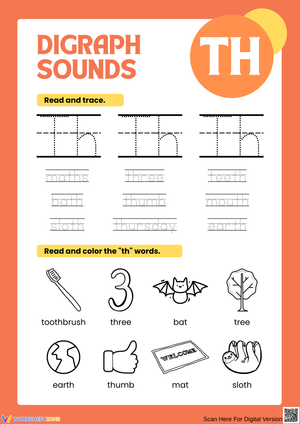
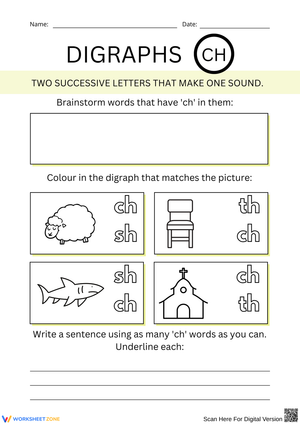
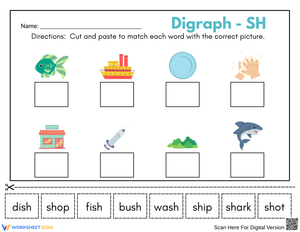
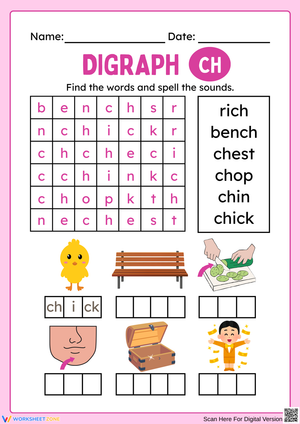
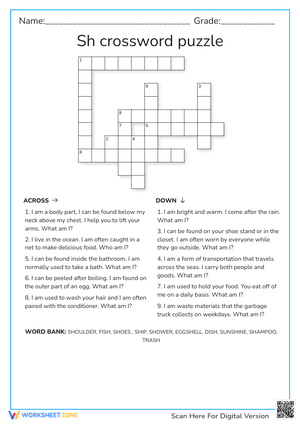
Using worksheets in the classroom should be a strategic choice. To get the most out of our consonant digraphs worksheets resources, teachers should integrate them into a broader instructional cycle that includes modeling and independent application. One effective way to use these worksheets is during small group intervention. While the rest of the class is engaged in literacy centers, you can work with a small group of students who need extra support on a specific digraph. The worksheet provides a structured framework for the lesson, allowing you to focus on providing immediate feedback and clearing up misconceptions as they occur during the learning process.
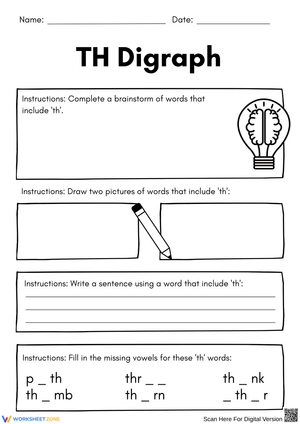
Another great implementation strategy is to use worksheets as a formative assessment tool. By reviewing a student's completed work, you can quickly identify which digraphs they have mastered and which ones still require more attention. This data-driven approach allows you to tailor your future lessons to the specific needs of your students, ensuring that no one is left behind. You can also use worksheets to provide differentiated homework. For students who are struggling, you might provide a worksheet that focuses on identifying the digraph in isolation. For more advanced students, you could choose a resource from Worksheetzone that requires them to use digraph words in complete sentences or to identify them within a short reading passage.
Assessing Mastery of Consonant Digraphs
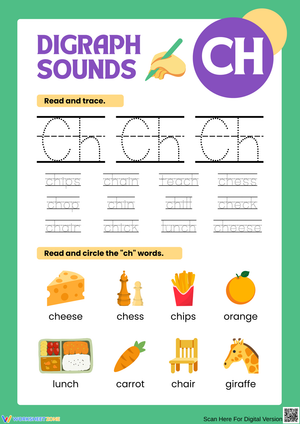
Assessment is a part of the phonics cycle, as it informs your instruction and helps you track student progress over time. When assessing consonant digraphs, it is important to look at both decoding and encoding. A student might be able to read the word 'ship' with ease but struggle to spell it correctly when writing a sentence. Using a mix of formal and informal assessments provides a more complete picture of a child's abilities. Quick check-ins during small group reading, such as asking a student to point to all the 'ch' words on a page, can provide valuable real-time data without the pressure of a formal test.
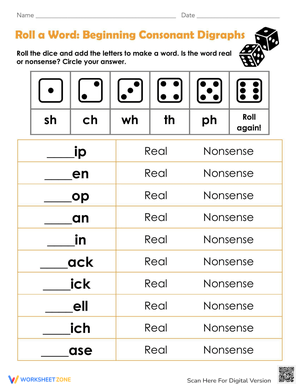
According to the article What Are Consonant Digraphs? on Reading Rockets, mastering these sounds is a foundational skill for decoding. Their research indicates that students who can identify digraphs accurately in isolation show a 40% increase in reading fluency when moving to connected text during primary grade levels. This data underscores why we must not rush through this stage of phonics. More formal assessments can include nonsense word fluency tests, which require students to apply their phonics knowledge to words they haven't seen before, ensuring they are truly decoding. Spelling inventories and dictation exercises are also excellent for checking a student's ability to encode digraphs accurately in their daily writing assignments, helping to identify those who need extra support.
1. What is the difference between a consonant digraph and a consonant blend?
In a consonant blend, like 'st', you can hear each individual letter's sound. In a consonant digraph, like 'sh', the two letters join to create a single, brand-new sound that is different from the sounds the letters make on their own. Mastering this distinction is a major step in early literacy and phonemic awareness.
2. When should teachers start introducing consonant digraphs to students?
Most phonics curricula introduce consonant digraphs after students have mastered individual letter sounds and can fluently read CVC words. This typically happens in late Kindergarten or early First Grade, depending on the school's literacy program and individual progress. Early identification is key to providing support for every learner.
3. Which consonant digraphs are usually taught first in the classroom?
Teachers generally start with common digraphs called the 'H-brothers': sh, ch, th, and wh. Because these appear frequently in early reading materials, mastering them provides an immediate boost in decoding ability. Other digraphs like 'ck' and 'ph' are introduced later once these four are solid and students feel confident.
4. How can I help a student who is struggling to remember digraph sounds?
Using multisensory strategies is key. Try incorporating kinesthetic activities like air writing, visual aids like anchor charts with picture cues, and repetitive practice through word sorts and targeted PDF worksheets. Breaking instruction into smaller steps and focusing on one digraph at a time can prevent frustration and build phonetic confidence slowly.
5. Why is it important for students to practice encoding digraphs?
Practicing encoding requires students to listen for the sound and remember which letter team creates it, reinforcing phonemic awareness and long-term memory. A student who can both read and spell digraph words is more likely to have achieved true mastery of the concept, leading to better reading fluency and writing skills.
6. How should I use consonant digraphs worksheets files in my classroom?
Worksheets are most effective as part of a structured cycle. Use them for independent practice after a lesson, as a quick formative assessment to check for understanding, or as a tool for small group intervention. They are also excellent for differentiated homework or in literacy centers to reinforce previously taught sounds.












 Interactive Worksheet Maker
 Quiz Maker
 Word Search Maker
 Crossword Puzzle Maker
 Word Scramble Generator
 Sentence Scramble Generator
 Handwriting Worksheet Generator
 Name Tracing Generator
 Fill In The Blank Generator