Verb tenses can be confusing for students because a small change in a verb can completely change the meaning of a sentence. Tenses worksheets help learners understand when an action happens: in the past, present, or future. Through sentence completion, verb sorting, rewriting tasks, and short grammar exercises, students can practice using verbs correctly in context instead of memorizing tense rules without application.
A strong tense lesson usually begins with the three basic time frames. Students first learn that present tense describes what happens now, past tense describes what already happened, and future tense describes what will happen later. Once they understand this foundation, they can move into more specific forms such as simple, progressive, perfect, and perfect progressive tenses. Worksheets make this progression easier by giving students repeated examples and guided practice with each structure.
Tenses worksheets are especially useful because students often recognize verb forms in isolation but struggle to use them correctly in full sentences. For example, they may know “walk,” “walked,” and “will walk,” but still make mistakes when writing a paragraph about yesterday, today, and tomorrow. Activities that ask students to rewrite sentences, correct tense errors, or choose the right verb form help them connect grammar rules to real writing. Teachers looking for more engaging lesson ideas can also explore grammar activities for students to make tense practice more interactive.
As students build confidence, verb tense practice can become more meaningful through reading and writing. They might identify tense shifts in a short passage, write a story using past tense, describe daily routines in present tense, or make predictions using future tense. For focused grammar review, verb tenses practice pages can help students strengthen accuracy with different verb forms and sentence patterns.
Whether used in classrooms, homeschool lessons, tutoring sessions, or grammar review blocks, tenses worksheets give students a clear path to stronger writing. They support sentence structure, reading comprehension, editing skills, and grammar confidence. With consistent practice, students can learn not only how to form different tenses but also when and why to use them in everyday communication.
Frequently Asked Questions
Question 1: Why do students need to practice verb tenses?
Students need verb tense practice because tense helps readers understand when an action happens. If a student uses the wrong tense, a sentence can become confusing or unclear. Regular practice helps learners recognize time signals, choose accurate verb forms, and keep tense consistent across sentences and paragraphs. This is especially important for writing stories, explanations, summaries, and personal responses.
Question 2: What types of activities are included in tenses worksheets?
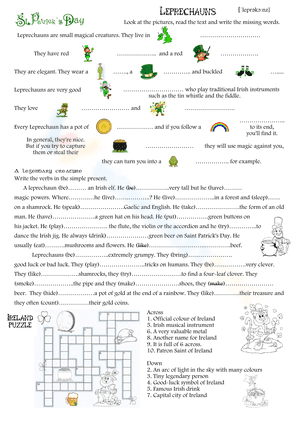
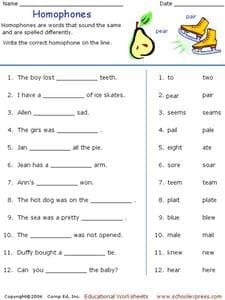
Tenses worksheets may include fill-in-the-blank sentences, verb matching, tense sorting, sentence rewriting, error correction, paragraph editing, and short writing prompts. Some activities focus on basic past, present, and future tense, while others introduce progressive, perfect, or irregular verb forms. A varied worksheet set helps students practice grammar in different ways, which supports stronger understanding and better long-term retention.
Question 3: How can teachers make tense practice more engaging?
Teachers can make tense practice more engaging by connecting grammar to real communication. Students can write about what they did yesterday, describe what they are doing now, or predict what they will do tomorrow. They can also edit funny sentences, act out verb tense changes, or work with partners to rewrite a short story in a different tense. These activities help students see grammar as useful rather than just rule-based.
Question 4: What mistakes do students commonly make with verb tenses?
Common mistakes include mixing past and present tense in the same paragraph, using irregular verbs incorrectly, forgetting helping verbs, or choosing the wrong tense for the time being described. Students may write “I goed” instead of “I went” or shift from “she walked” to “she runs” without a reason. Tenses worksheets help students notice these patterns, correct errors, and build more consistent grammar habits.















 Interactive Worksheet Maker
 Quiz Maker
 Word Search Maker
 Crossword Puzzle Maker
 Word Scramble Generator
 Sentence Scramble Generator
 Handwriting Worksheet Generator
 Name Tracing Generator
 Fill In The Blank Generator