Teaching the Present Continuous Tense in the Modern ELA Classroom
Instructional planning for grammar requires a balance between theoretical knowledge and practical application. When students begin to explore the present continuous tense, they are essentially learning how to capture a snapshot of time. This tense, often called the present progressive, is vital for describing actions that are unfolding in the immediate moment. For teachers, providing high-quality, printable materials is a practical way to ensure that students transition from simply recognizing the "ing" ending to using it accurately in their own writing and speech.
Effective ELA instruction moves beyond rote memorization of verb charts. It involves placing grammar within the context of storytelling and real-time observation. By using structured worksheets, teachers can guide students through the nuances of this tense, helping them understand that it is not just about a formula, but about the energy and movement of the English language. Whether you are working with native speakers or English Language Learners, the goal remains the same: clarity in communication and the ability to express dynamic actions with precision.
Structural Foundations: Breaking Down the am, is, are + verb-ing Formula
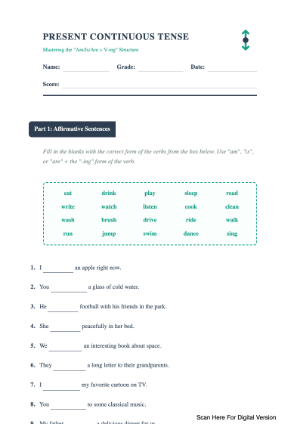
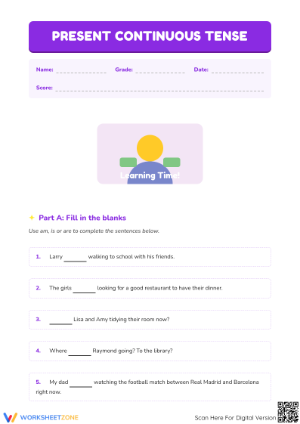
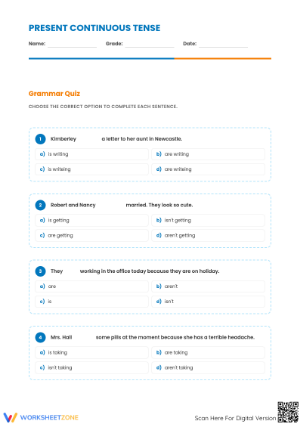
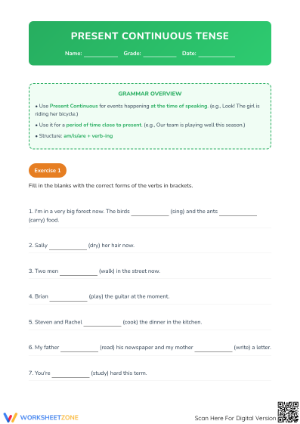
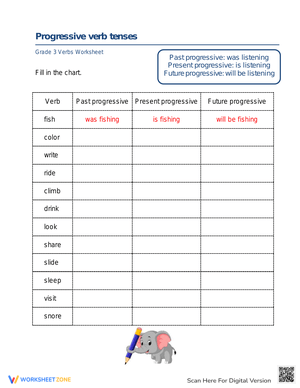
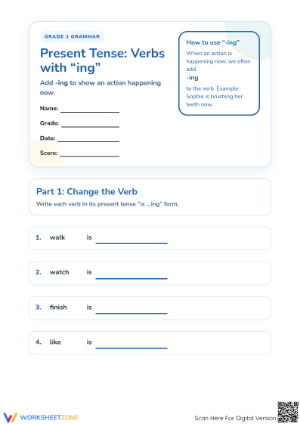
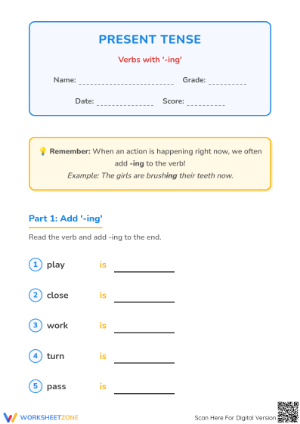
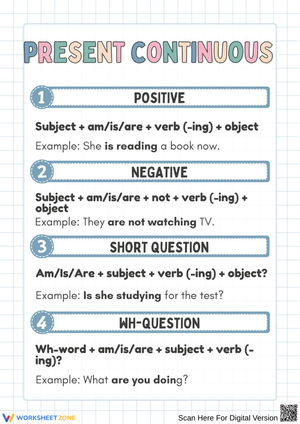
The structural integrity of the present continuous tense rests on two essential components: the auxiliary verb "to be" and the present participle of the main verb. Many students initially struggle with the omission of the "be" verb, producing sentences like "He running" instead of "He is running." Addressing this early on through targeted practice prevents the calcification of grammatical errors. Worksheets that emphasize the subject-verb agreement for "am," "is," and "are" provide the necessary scaffolding for younger learners and those new to the language.
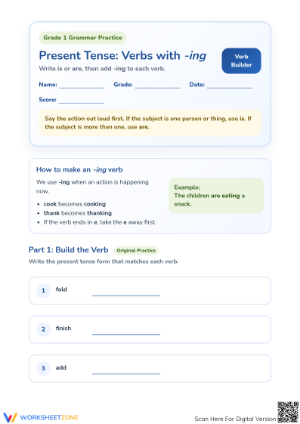
According to the British Council, the present continuous is primarily used for actions happening exactly now, but it also extends to temporary situations and future arrangements (British Council, 2024). This structural versatility is what makes it such a powerful tool for students seeking to express immediate and upcoming events accurately in their daily writing. In the classroom, breaking down the formula into manageable parts allows students to see the logic behind the construction. Focusing on the spelling rules for adding "-ing" ensures that their written accuracy matches their oral fluency in every assignment.
Actions in Real-Time: Teaching Situational Grammar Through Observation
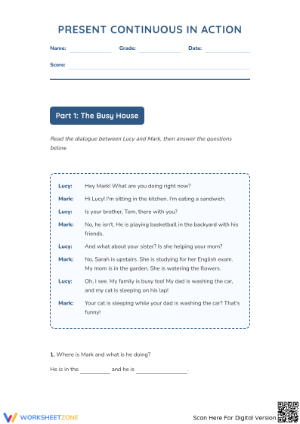
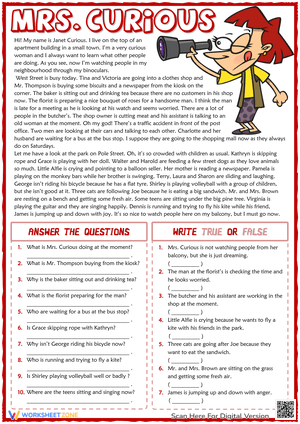
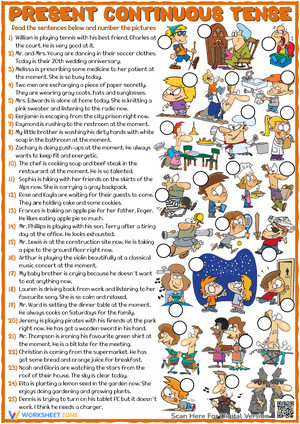
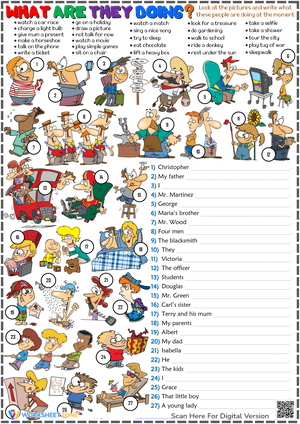
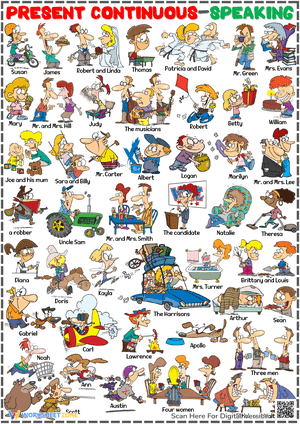
One of the most effective ways to teach the present continuous is through observational exercises. Printable worksheets that include "spot the difference" activities or "picture description" prompts encourage students to use the tense naturally. When a student describes a character in a worksheet as "wearing a red hat" or "kicking a ball," they are engaging in the very essence of the present progressive. This situational approach helps bridge the gap between abstract grammar rules and concrete reality, making the learning process more intuitive and memorable.
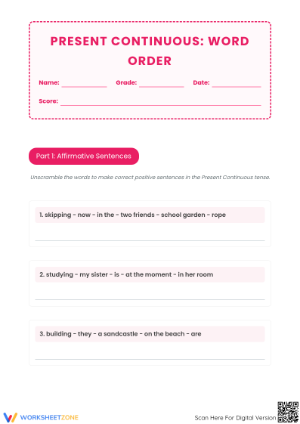
Instructional experts often note that the present continuous serves as a linguistic bridge between static states and dynamic narratives, allowing students to inject life into their descriptive writing. By focusing on sensory details—what characters are hearing, seeing, or doing right now—students learn to build more immersive stories. Worksheets that prompt students to write three sentences about a classroom scene using only the present continuous tense can serve as a quick and effective formative assessment tool, providing teachers with immediate data on student comprehension.
Present Simple vs. Present Continuous: Resolving Common Confusion
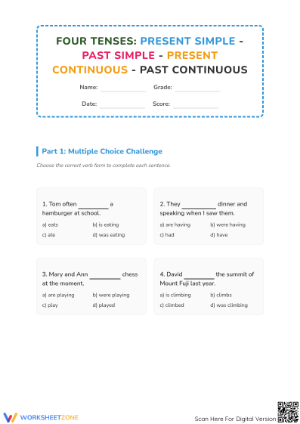
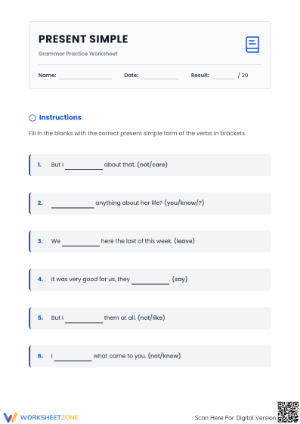
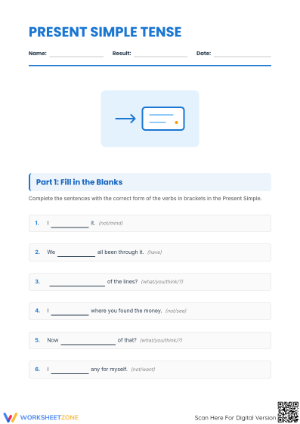
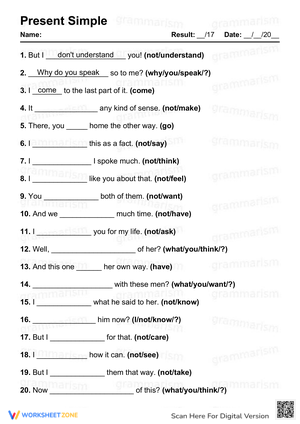
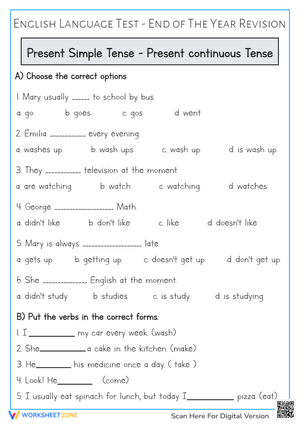
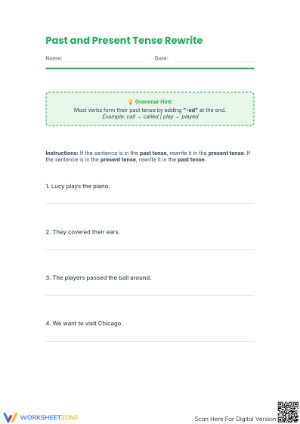
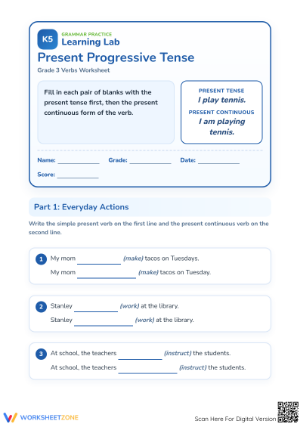
A frequent hurdle for many students is distinguishing between the present simple (habits and facts) and the present continuous (ongoing actions). A student might say "I am eating breakfast every day" when they mean "I eat breakfast every day." Printable worksheets that offer side-by-side comparisons or "fill-in-the-blank" exercises with both tenses are invaluable for clearing up this confusion. This distinction is a fundamental part of English proficiency and requires repeated exposure to be fully mastered, especially as students move into more complex reading and writing tasks that require tense consistency across different contexts.
Classroom Implementation: Scaffolding Success for All Learners
Implementing grammar worksheets effectively requires more than just handing them out. Teachers should consider a "gradual release of responsibility" model. Start with a whole-group activity where the class identifies the present continuous in a shared text. Move to a guided practice phase using a worksheet where the teacher and students complete the first few items together. Finally, allow students to work independently or in pairs to demonstrate their mastery. This ensures that every student feels supported as they tackle new concepts and builds the confidence necessary for independent application.
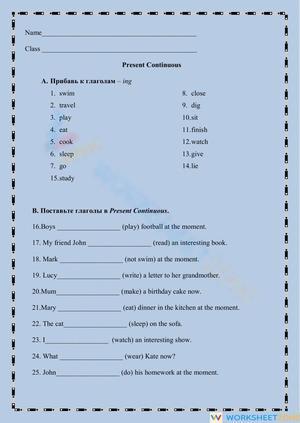
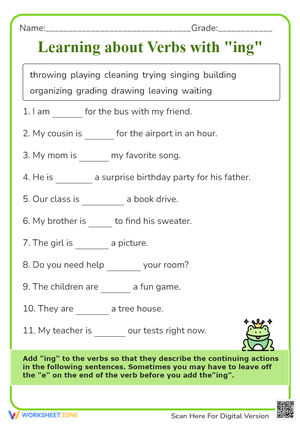
Effective differentiation in the ELA classroom means providing worksheets that vary in complexity. Some students might need a word bank of "-ing" verbs to get started, while others might be ready to write short paragraphs describing a series of unfolding events. By offering a range of printable options, teachers can meet students where they are, ensuring that the lesson is neither too easy nor too frustrating. This tiered approach is particularly helpful in inclusive classrooms where students may have diverse learning needs, allowing everyone to participate in the learning journey at an appropriate pace.
Supporting English Language Learners with Visual Grammar Aids
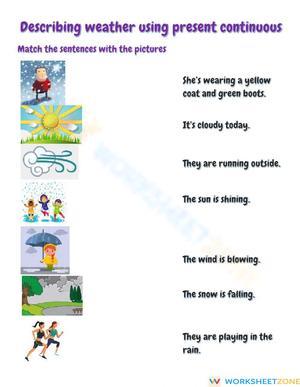
For ESL and ELL students, the present continuous is often one of the first tenses introduced because of its immediate relevance. However, the nuances can be tricky. Visual aids paired with worksheets—such as flashcards or digital images—can provide the necessary context. When a student sees a picture of someone "dancing" and then finds the corresponding exercise on their worksheet, the connection between the action and the language is solidified. This multisensory approach is a hallmark of effective language instruction and helps to lower the affective filter, making students more comfortable.
Cambridge Dictionary notes that the present continuous is also used to talk about trends or changing situations, such as "The weather is getting colder" (Cambridge Dictionary, 2024). Introducing these more advanced uses to ELL students helps them move toward natural-sounding English. Worksheets that include these types of "growth" sentences provide a challenge for more advanced learners while still staying within the familiar framework. This ensures that the curriculum remains engaging as students progress in their proficiency, allowing them to describe the world around them with increasing sophistication.
Teacher Tips: Enhancing Grammar Lessons with Interactive Elements
To make the most of your printable worksheets, try incorporating movement into the lesson. Before starting a worksheet, have students perform "charades" where one student acts out an action and the others must call out "You are jumping!" or "You are reading!" This physical engagement primes their brains for the written work to follow. Combining kinesthetic learning with traditional pen-and-paper practice is a proven way to increase retention and student engagement, making the grammar lesson a highlight of the school day for many students in the ELA classroom.
Another tip is to encourage peer editing with the worksheets. Once students have completed a set of exercises, have them swap papers with a partner and check for the two essential parts: the "be" verb and the "-ing" ending. This not only gives them extra practice in identifying the tense but also builds their collaborative skills and attention to detail. When students take on the role of the editor, they often become more attentive to their own mistakes in future assignments, creating a classroom culture of shared learning and continuous improvement in their writing and grammar skills.
Frequently Asked Questions
1. How can teachers introduce the present continuous tense effectively to young learners?
Introducing the present continuous to young learners is most effective when it is tied to immediate, physical actions. Start by asking students what they are doing right now, such as "I am sitting" or "We are listening." Using printable worksheets from Worksheetzone with large, clear illustrations of familiar actions helps them make the connection between the words and the deeds. Keeping the initial lessons short and playful ensures that students stay engaged and build a positive association with grammar study.
2. What are the most effective ways to differentiate between present simple and present continuous?
The best way to differentiate between these two tenses is through comparison and the use of signal words. Teachers should use worksheets that feature side-by-side examples, highlighting how the present simple describes habits (e.g., "I walk to school") while the present continuous describes current actions (e.g., "I am walking to school"). Emphasizing signal words like "usually" versus "now" gives students a practical rule of thumb to follow when deciding which tense to use, helping them master the nuances over time.
3. Are these printable materials suitable for different proficiency levels of ESL learners?
Yes, printable present continuous worksheets are highly adaptable for various ESL levels. For beginners, focus on simple subject-verb-participle structures with plenty of visual support. For intermediate learners, introduce worksheets that cover negative forms, questions, and temporary situations. Advanced learners can tackle more complex scenarios, such as future arrangements or changing trends. By selecting the appropriate Worksheetzone material for each student, teachers can provide an optimized learning experience that meets the specific needs of every individual.












 Interactive Worksheet Maker
 Quiz Maker
 Word Search Maker
 Crossword Puzzle Maker
 Word Scramble Generator
 Sentence Scramble Generator
 Handwriting Worksheet Generator
 Name Tracing Generator
 Fill In The Blank Generator