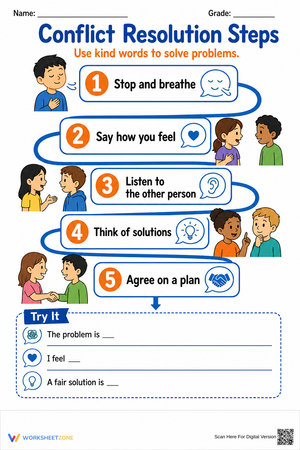
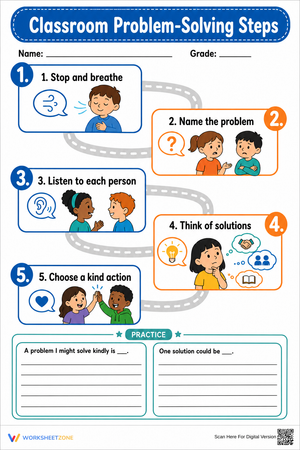
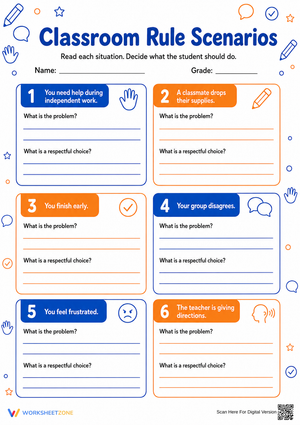
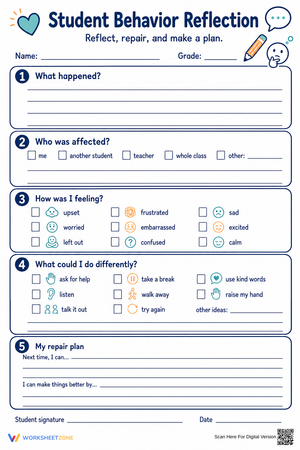
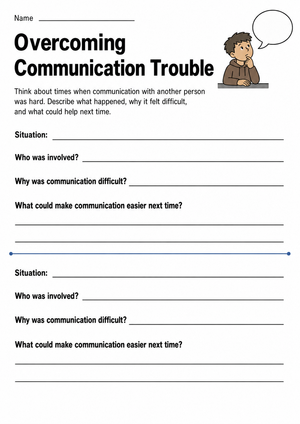
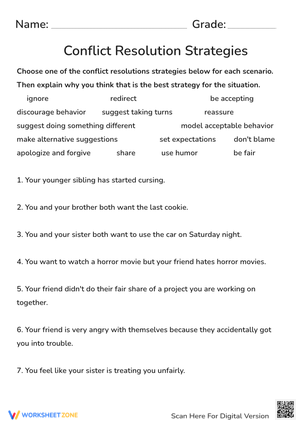
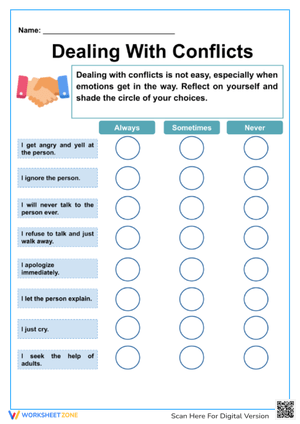
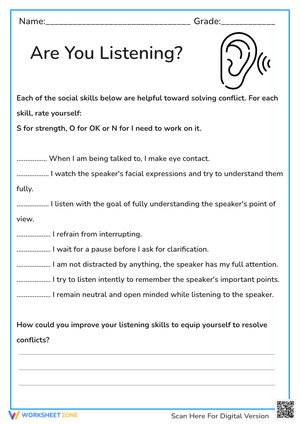
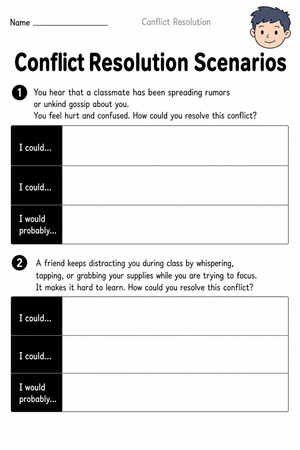
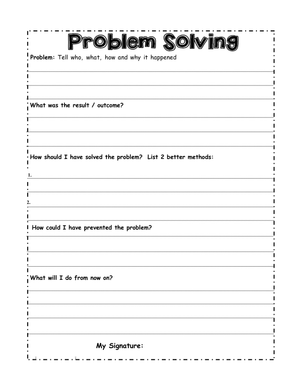
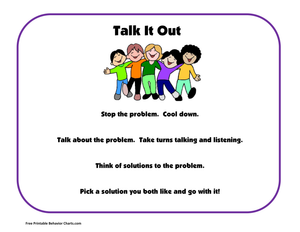
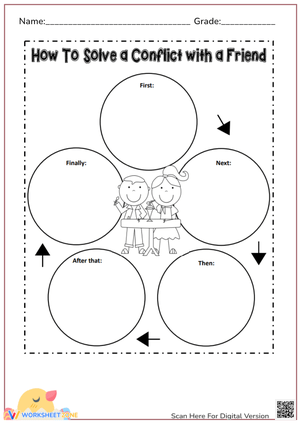
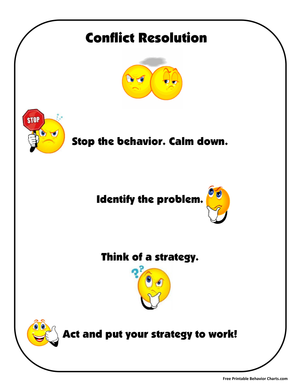
If you teach elementary school, you already know that peer conflict does not wait for a scheduled lesson. It shows up at the pencil sharpener, during partner work, and on the playground line. Conflict resolution worksheets for elementary students give you a consistent, low-prep way to slow that moment down and teach a repeatable process instead of reacting to each incident individually. Rather than treating these worksheets as a one-time handout, the most effective classrooms fold them into an existing routine, such as a morning meeting, a Friday SEL block, or a small-group counseling pull-out.
The goal is not to fill out a form after a fight. It is to practice the thinking skills, feelings vocabulary, and problem-solving steps students need before the next conflict happens, so the worksheet becomes rehearsal rather than punishment.
The Skill Framework Behind Effective Worksheets
Not all conflict resolution worksheets are built the same way, and the difference matters for how well they transfer into real hallway and classroom moments. Crawford and Bodines widely used conflict resolution framework breaks the skill into distinct dimensions: perspective-taking, emotional regulation, and collaborative problem-solving. A worksheet analysis using this framework with fifth-grade students found that these dimensions develop unevenly, meaning some students can identify their own feelings but struggle to consider the other persons point of view, or vice versa.
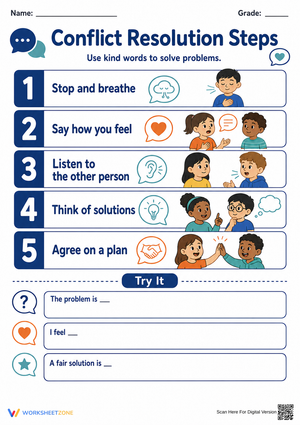
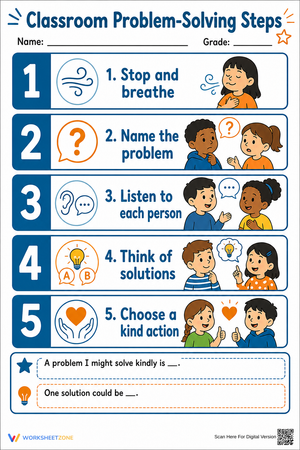
When you choose or design worksheets, look for ones that touch all three dimensions rather than only asking students to describe what happened. A strong sequence typically includes a feelings check-in, a problem-naming step written in neutral language, and a brainstorm of possible solutions before anyone commits to one plan.
Scaling Worksheets Across K-2 and 3-5
Conflict resolution language that works for a fifth grader will overwhelm a kindergartner, so differentiation is not optional. For K-2 classrooms, worksheets should rely on simple feeling words, picture-supported choices, and short sentence starters like I feel ___ when ___. Keep the problem-solving step to choosing between two or three pre-written solution options rather than open brainstorming, since early readers and writers need scaffolding to stay engaged with the process instead of the paper mechanics.
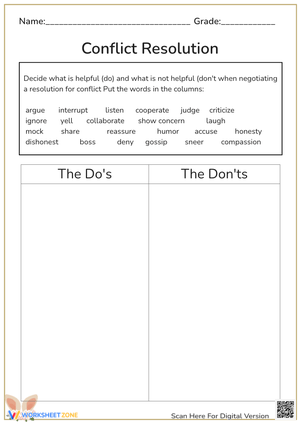
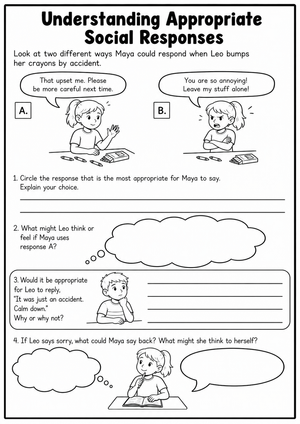
For grades 3-5, students can handle more independent writing, multi-step problem-naming, and open brainstorming where they generate their own solution options. This age group can also start practicing perspective-taking prompts that ask them to write what the other person might have felt, which directly builds the empathy dimension from the Crawford and Bodine framework. If your school runs peer mediation, upper elementary worksheets can double as training material for student mediators.
Classroom Implementation Tips
A worksheet by itself rarely changes behavior. Pairing it with a brief verbal or physical practice component makes the skill more likely to stick.
- Follow up a completed worksheet with a 2-minute role-play of the agreed-upon solution so students practice saying it out loud, not just writing it.
- Use restorative circle discussion prompts drawn from the same feelings vocabulary as your worksheet so the language stays consistent across settings.
- Keep a visible anchor chart of the worksheet steps (name the problem, name the feeling, brainstorm solutions, choose one) so students can reference it during real conflicts without needing a fresh paper copy.
- Debrief with a partner discussion before independent writing for K-2 students, since verbal rehearsal often improves the quality of what they write next.
- Track how often each worksheet type gets used over a grading period so you can tell whether conflict frequency or resolution quality is actually shifting.
Frequently Asked Questions
1. How should teachers introduce conflict resolution worksheets to a whole class for the first time?
Introduce the worksheet during a calm moment, not right after a conflict, so students can focus on learning the steps rather than processing a fresh incident. Model the whole sequence with a low-stakes, made-up scenario first, then have students practice with a partner before using it independently.
2. What is the difference between a conflict resolution worksheet and a behavior or consequence worksheet?
A behavior or consequence worksheet typically focuses on identifying a rule that was broken and assigning a consequence. A conflict resolution worksheet instead walks students through naming the problem, identifying feelings on both sides, and brainstorming mutual solutions, which builds a proactive skill rather than documenting a punishment.
3. How often should elementary teachers use conflict resolution worksheets during the school week?
Many classrooms build in a short weekly practice session, such as during a Friday SEL block or morning meeting, plus an as-needed version for real conflicts that arise between sessions. Consistent, low-stakes practice helps students internalize the steps before they need to use them under pressure.
4. Can conflict resolution worksheets be used in small-group counseling or only whole-class instruction?
They work well in both settings. In small-group counseling, the same worksheet format allows a counselor to guide two or three students through a real incident with more individualized support than is possible during whole-class instruction.
5. How can teachers tell if conflict resolution worksheets are actually improving student behavior over time?
Track a simple indicator, such as the number of office referrals, recess incident reports, or peer mediation requests, before and after a few weeks of consistent worksheet use. A downward trend, along with fewer adult interventions needed to resolve conflicts, suggests the practice is transferring into real classroom behavior.












 Interactive Worksheet Maker
 Quiz Maker
 Word Search Maker
 Crossword Puzzle Maker
 Word Scramble Generator
 Sentence Scramble Generator
 Handwriting Worksheet Generator
 Name Tracing Generator
 Fill In The Blank Generator