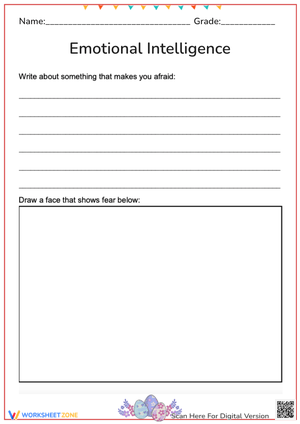
What emotional intelligence worksheets actually teach
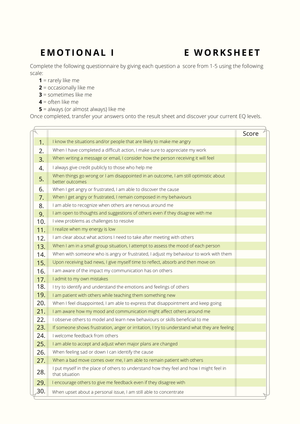
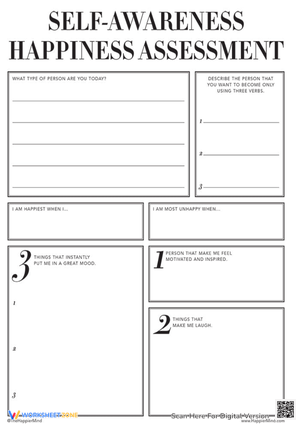
Emotional intelligence worksheets give students a structured way to notice, name, and manage feelings before those feelings drive behavior. For a US K-12 teacher, that usually means a printable or digital page built on three moves: identify an emotion, connect it to a body cue or situation, and choose a response. The strongest sheets aren't busywork. They turn an abstract goal like manage your emotions into a concrete task a student can complete, talk through, and revisit later.
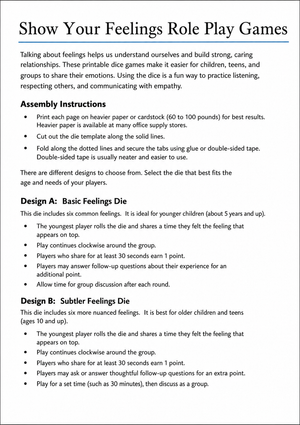
Most feelings and emotion-identification worksheets lean on a few reliable formats: visual mood scales, emotion faces, word banks, and short mood-tracking logs. Early elementary versions build vocabulary, moving a child from good and bad toward frustrated, nervous, or proud. Upper-grade versions ask students to read a scenario and reason through it. Matching the format to your grade band keeps the activity from landing as either too easy or too abstract.
How these worksheets map to CASEL's five competencies
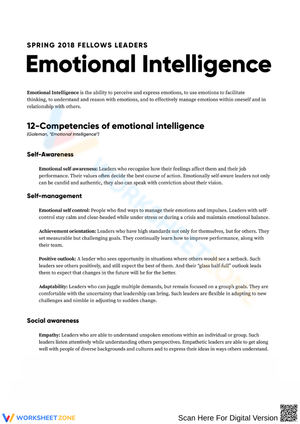
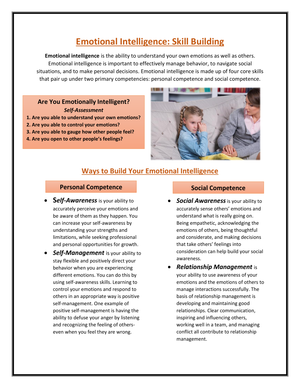
If you plan SEL against a framework, emotional intelligence worksheets slot in cleanly. CASEL's model names five core competencies — self-awareness, self-management, social awareness, relationship skills, and responsible decision-making — and most worksheets target one or two at a time. A feelings chart builds self-awareness. A calm-down plan builds self-management. A how did they feel? scenario builds social awareness, and a choices-and-consequences page builds responsible decision-making.
Mapping each sheet to a competency helps you spot gaps in your own rotation. Many classrooms over-index on self-awareness, where students simply label feelings, and under-teach self-management and decision-making, which is where students need the most repeated practice.
In practice, the highest-leverage worksheets are the ones that ask a student to pair an emotion with a specific next action: I feel ___, so I will ___. That single sentence frame forces the jump from labeling to regulating, and that jump is exactly the step where most behavior referrals originate. A sheet that stops at naming the feeling leaves the hardest part unpracticed.
The research behind SEL worksheets
A meta-analysis of school-based SEL programs, published on PMC and drawing on CASEL's research base, found that students in well-implemented programs scored an average of 11 percentage points higher on academic achievement than peers in control conditions — evidence that structured emotion work and academic outcomes tend to move together rather than compete for time.
That finding matters when you have to defend SEL minutes on a packed schedule. Emotion worksheets aren't a detour from academics; the self-regulation they build shows up as fewer disruptions, steadier attendance, and more time on task. SEL interventions are broadly associated with reduced risky behavior and stronger classroom engagement across grade bands, which is a fair case to make to an administrator asking why the time is worth it.
Grade-banding: from feelings faces to decision scenarios
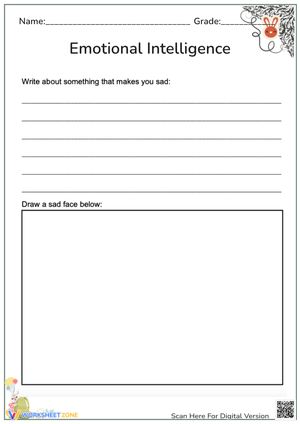
The same keyword covers very different pages depending on age. For kindergarten through second grade, keep it visual and concrete: emotion faces to color, a five-point mood meter, or a matching page that pairs a face with a word. The goal at this stage is vocabulary and recognition, so a student can point to disappointed instead of collapsing every hard feeling into mad.
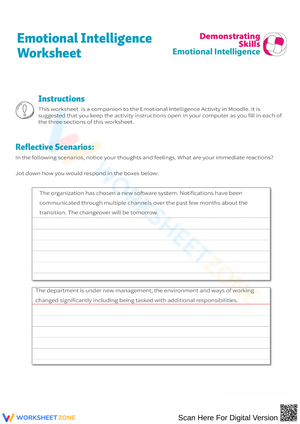
For third through fifth grade, shift toward cause and effect. Worksheets can ask students to describe what happened, what they felt, and what they did, then plan a different response for next time. By middle school, scenario-based decision-making pages work best: a short situation, a set of possible reactions, and space to reason through consequences. Older students often resist coloring-style sheets, so scenario writing and reflection prompts keep the work age-appropriate and self-respecting.
Classroom Implementation
RAND's research on SEL in US schools points to a clear pattern: the most effective implementations embed SEL into daily routines and classroom norms rather than leaning on standalone lessons alone. For worksheets, that means treating them as a recurring routine, not a one-off unit.
Build a short emotion check-in into your morning meeting or advisory using a reusable template, so students track mood two or three times a week rather than once a semester. Keep a single format for most of the year so the routine becomes automatic and students spend their energy on reflection instead of decoding a new page. Rotate the competency you emphasize each month — a stretch on self-management, then a stretch on decision-making — so the same template quietly covers the full framework.
- Use one consistent check-in template for daily or weekly mood tracking.
- Reserve scenario worksheets for small-group or advisory time when discussion is possible.
- Keep completed sheets in a folder so students can see their own vocabulary grow.
Using worksheets in small groups and behavior support
Emotional intelligence worksheets earn their keep well beyond the whole-class SEL block. In small-group counseling, a scenario page gives a school counselor a low-pressure entry point: students respond on paper first, then share what they're comfortable sharing. Inside a behavior intervention plan, a calm-down worksheet can name a student's specific triggers and pre-agreed strategies, turning a vague expectation into a written plan the student helped build.
Student responses also double as formative data. When a page asks students to name a feeling and a planned response, the answers quietly flag who might need Tier 2 support — a pattern of blank calm-down sections or consistently escalating choices is worth noticing early. Reviewing a class set takes a few minutes and can surface a student who is struggling long before it shows up as an office referral.
Frequently asked questions
1. What age or grade level are emotional intelligence worksheets appropriate for?
They work across K-12 when you match the format to the grade. Early elementary students do best with visual faces, mood scales, and word banks. Upper elementary and middle school students benefit from scenario-based, decision-making pages that ask them to reason through consequences rather than color a feeling.
2. How do these worksheets align with CASEL's core SEL competencies?
Most sheets target one or two of CASEL's five competencies: self-awareness, self-management, social awareness, relationship skills, and responsible decision-making. Feelings charts build self-awareness, calm-down plans build self-management, and choice-and-consequence pages build responsible decision-making. Tagging each sheet by competency helps you cover the full framework over time.
3. Can emotional intelligence worksheets be used for behavior intervention or counseling referrals?
Yes. In small-group counseling they give students a paper-first way to open up, and inside a behavior intervention plan a calm-down worksheet can document specific triggers and agreed strategies. Patterns in student responses can also flag who may need Tier 2 support before problems escalate.
4. How often should teachers use emotion-identification activities in the classroom?
Short and frequent beats long and rare. A brief check-in two or three times a week, embedded in morning meeting or advisory, builds the routine and steady vocabulary growth that occasional standalone lessons miss.
5. What is the difference between a feelings chart and an emotional intelligence worksheet?
A feelings chart is mostly a recognition tool — it helps a student identify and name a current emotion. A full emotional intelligence worksheet goes further, asking the student to connect the feeling to a cause and choose a response, which moves practice from labeling into actual self-regulation.












 Interactive Worksheet Maker
 Quiz Maker
 Word Search Maker
 Crossword Puzzle Maker
 Word Scramble Generator
 Sentence Scramble Generator
 Handwriting Worksheet Generator
 Name Tracing Generator
 Fill In The Blank Generator