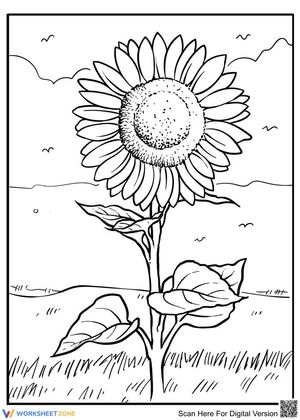
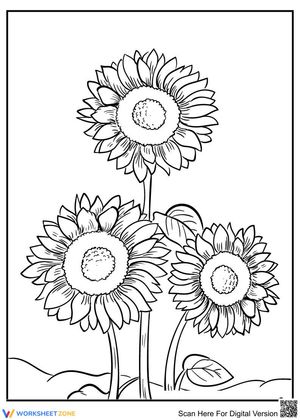
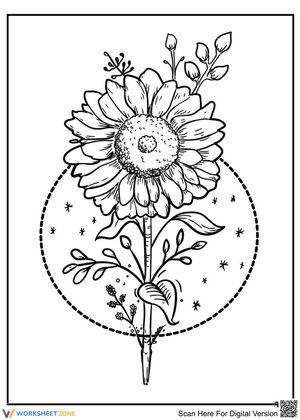
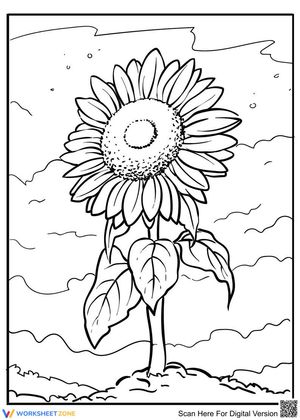
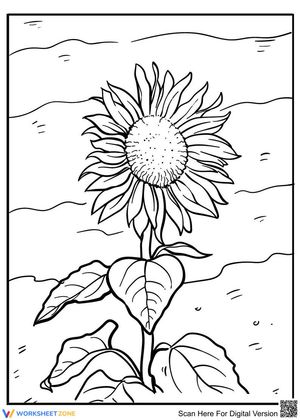
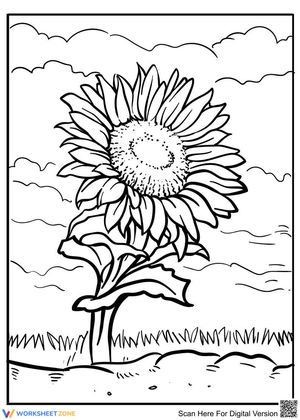
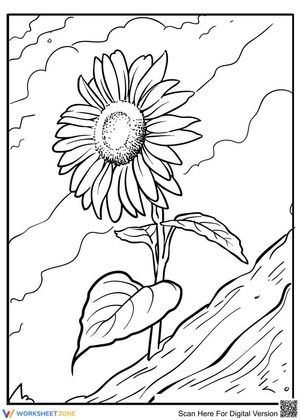
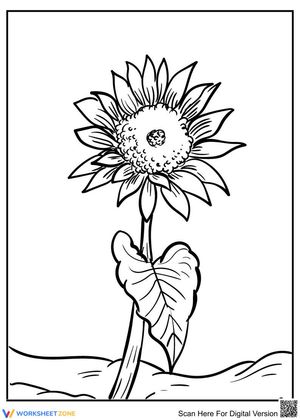
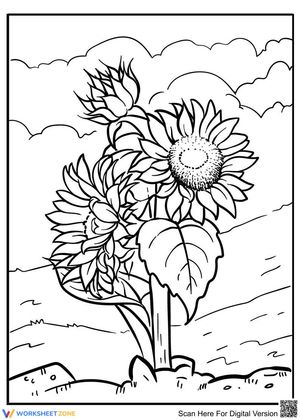
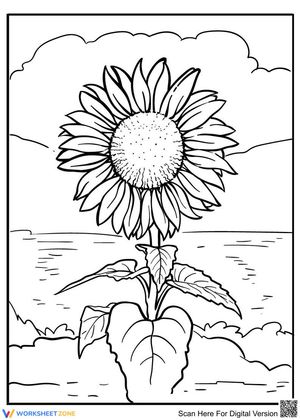
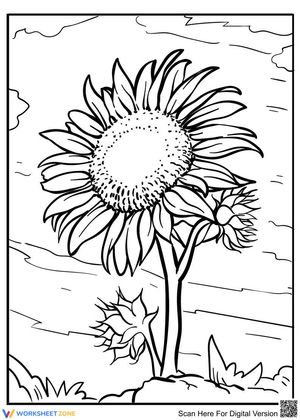
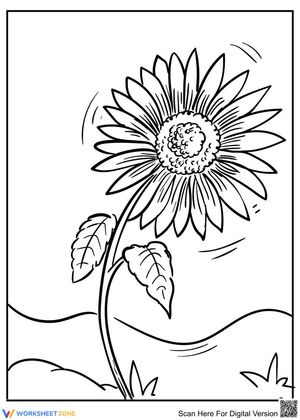
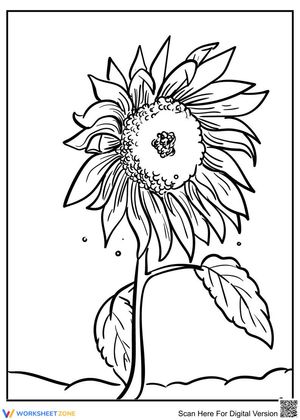
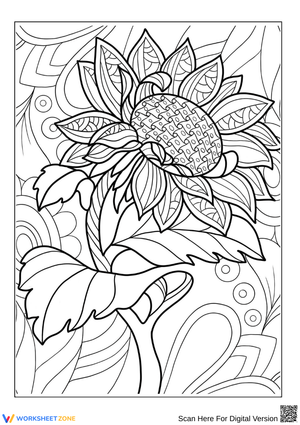
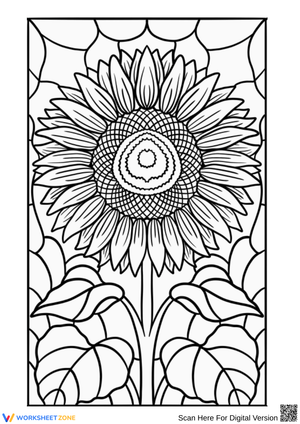
I remember the afternoon I ran out of lesson ideas and, out of desperation, pulled a stack of sunflower coloring pages from a folder I had set aside months earlier. What happened next surprised me. A group of restless third-graders who had been fidgeting all morning suddenly went quiet. They picked up their colored pencils, leaned in, and started working with a level of focus I rarely saw during structured activities. That was the moment I realized that sunflower coloring pages were not just a time-filler. They were a genuine learning tool that deserved a permanent place in my classroom toolkit.
The benefits go well beyond keeping students occupied. When children engage with sunflower coloring pages, they are actively developing fine motor control as they trace the long petals and carefully shade the textured centers. They practice color blending and begin to understand warm tones in a very hands-on way. Teachers often notice that students who struggle with traditional worksheets will willingly spend twenty minutes on a botanical illustration, building the same concentration and pen control that supports their writing skills. Students from preschool through fifth grade can all find a version of these printable sheets that matches their current skill level, which makes them a versatile resource for mixed-ability classrooms and individualized instruction alike.
Nature-themed activities also open the door to cross-curricular connections that teachers and parents appreciate. A lesson on sunflower coloring pages can lead naturally into conversations about plant life cycles, pollination, and seasonal change. Pairing visual art with science builds the kind of layered understanding that students retain long after the school year ends. If you want to extend that seasonal theme further, the nature-based classroom projects on Worksheetzone offer a range of lesson ideas that connect art, science, and environmental observation in meaningful ways. Combining these resources gives teachers a cohesive unit that feels connected rather than scattered across unrelated subjects.
At home, parents have found sunflower coloring pages equally valuable. On a quiet weekend afternoon, sitting down with a printable PDF gives children a productive and screen- activity that encourages patience and creative thinking. Parents often report that the focused time spent on a single illustration builds a child's sense of pride and completion - two qualities that are important for long-term academic confidence. If your child enjoys botanical themes, exploring additional flower coloring sheets on Worksheetzone can keep that momentum going with new designs that offer similar developmental benefits while introducing different shapes and color palettes.
At Worksheetzone, we are committed to providing teachers, parents, and students with high-quality printable resources that make learning feel approachable and rewarding. Our sunflower coloring pages are easy to print, ready for classroom use or home practice, and designed to support students at every stage of their artistic development. Whether you are looking for a warm-up activity before a science lesson, a calming transition between subjects, or a meaningful art center project, these sheets deliver real educational value. We invite you to explore the full collection and discover how the simple act of bringing sunflower coloring pages into your routine can create the kind of quiet, focused learning moments that both teachers and students remember.
Frequently Asked Questions
Question 1: What age groups are sunflower coloring pages appropriate for?
Sunflower coloring pages are suitable for a wide range of ages, from preschoolers working on basic coloring within lines to older elementary students who can handle detailed petal patterns. Teachers and parents can choose simpler outlines for younger learners and more intricate botanical designs for students in grades three through five who are ready for a greater level of challenge and precision.
Question 2: How can teachers use sunflower coloring pages in the classroom?
Teachers can use sunflower coloring pages as a warm-up activity, an art center option, or a calming transition between subjects. They also pair well with science lessons on plants and seasons. Using these printable sheets as part of a structured lesson plan helps students build fine motor skills, practice color blending, and engage with nature-themed content in a hands-on way that supports multiple learning objectives.
Question 3: Can sunflower coloring pages support students with learning differences?
Yes, these printable worksheet activities can be particularly helpful for students who benefit from sensory-friendly, low-pressure tasks. The repetitive motion of coloring within structured shapes supports focus and self-regulation. Many teachers use nature-themed pages like these as a calming tool for students who need a break from high-demand cognitive tasks while still remaining engaged in a productive and purposeful classroom activity.
Question 4: Where can I find printable sunflower coloring pages for classroom or home use?
Worksheetzone offers a curated collection of sunflower coloring pages designed for both classroom and home use. Each sheet is available as a PDF, making it simple for teachers and parents to print and distribute. The collection includes a range of difficulty levels so you can match each page to the individual needs of your students or children, ensuring that every learner can find something both challenging and enjoyable.












 Interactive Worksheet Maker
 Quiz Maker
 Word Search Maker
 Crossword Puzzle Maker
 Word Scramble Generator
 Sentence Scramble Generator
 Handwriting Worksheet Generator
 Name Tracing Generator
 Fill In The Blank Generator