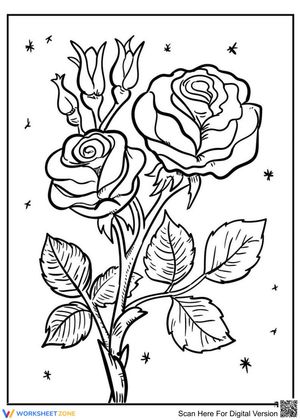
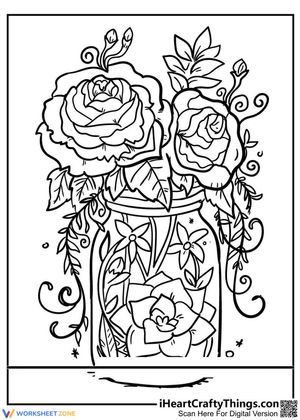
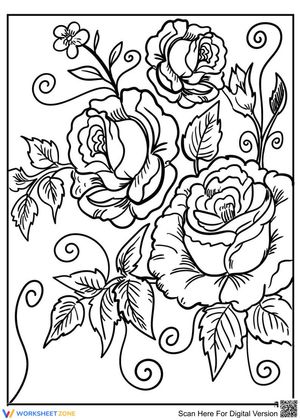
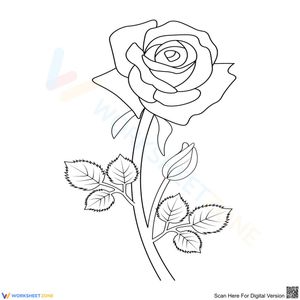
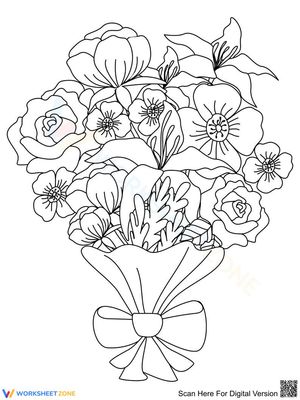
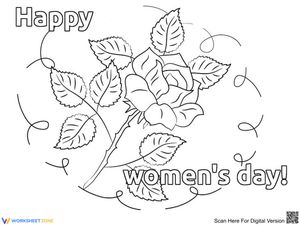
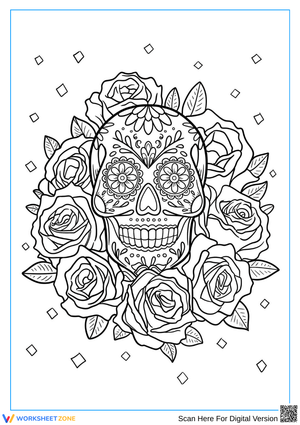
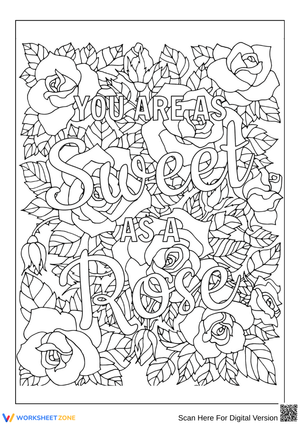
Teaching the concept of botanical life requires a clear, practical approach that respects the curiosity of young students in any classroom. Using rose coloring pages helps students analyze the unique features and contributions of flowers within a broader ecosystem effectively. This unit is essential for helping young learners understand the transition from simple drawings to more detailed biological observations. At Worksheetzone, we ensure our templates are inclusive of various breeds and settings to support your science and art goals today.
To integrate these effectively, start by having students describe the characteristics of a flower in a group setting like a morning meeting. Then, transition into using rose coloring pages to apply that knowledge to their own artistic creations. This helps them recognize that visual details function best when everyone understands the unique patterns of botanical structures. These activities prompt students to think critically about proportions, textures, and environmental contexts as they explore the natural world around them through structured play.
A great practical tip is to have students research a fun fact about flowers before they begin coloring their page in class. This bridges the gap between scientific inquiry and artistic execution perfectly for any primary student who is learning about the world. You might also want to explore our guide on seasonal word play to show how language can be a great way to bond with students during art time. Consistency is key when teaching the life sciences, so try to revisit these themes during different seasons with accuracy.
Accessing these resources at Worksheetzone is simple and efficient for any busy educator who wants to save time on planning. By providing high-quality rose coloring pages, we aim to make your nature units as smooth as possible. Empower your students to value their efforts and understand the importance of plant care. These materials are designed with the specific maturity level of elementary students in mind. It is all about meeting them exactly where they are in their understanding of nature and helping them see the value in their progress today.
Providing high-quality rose coloring pages is a cornerstone of effective early education and fine motor development support. By choosing materials from our library, parents and teachers can guarantee a structured path toward artistic confidence and biological awareness. Every task completed today builds the foundation for tomorrow's academic achievements and scientific curiosity. Ensuring that students have access to our floral part gallery remains a priority for anyone dedicated to excellence in education.
Frequently Asked Questions
Question 1: How do rose coloring pages help students identify botanical parts?
By coloring detailed diagrams of flowers, students learn to distinguish between the petals, sepals, and stem. This visual engagement helps them internalize the vocabulary of botany in a low-stress format, making the information more memorable than a standard lecture. It is a fantastic way to bridge the gap between simple observation and deeper scientific inquiry as students develop a curiosity about the natural world and its complex reproductive systems throughout the school year.
Question 2: Are these printables suitable for students with diverse learning needs?
Yes, our rose coloring pages feature clear, bold outlines and simplified structures that provide a vital visual scaffold for all students. They are designed to be inclusive and accessible, allowing every learner to participate and feel successful regardless of their artistic or scientific ability. By providing a structured and calm activity, we help reduce cognitive load and foster a positive classroom culture where every child can achieve their academic and creative goals with pride.
Question 3: Can I use these resources for seasonal classroom science festivals?
Absolutely, these professional floral designs are perfect for school parties or seasonal lab days. They provide a high-quality, engaging activity that rewards students for their hard work throughout the term while maintaining a productive and organized environment. Simply print out a variety of pages and let your students choose their favorite bloom, ensuring that your event is both an educational opportunity and a moment of genuine joy for every child in the group today.
Question 4: What materials are recommended for creating truly vibrant floral art?
We recommend using a variety of tools like watercolor pencils, bright markers, or even colored chalk to capture the soft and vibrant textures of a flower. The clean lines and ample spacing of our rose coloring pages allow students to experiment with different shading techniques and blending methods. Encouraging students to use a variety of tools helps them take creative risks and express their unique artistic style while they learn about the beauty and complexity of the natural world.












 Interactive Worksheet Maker
 Quiz Maker
 Word Search Maker
 Crossword Puzzle Maker
 Word Scramble Generator
 Sentence Scramble Generator
 Handwriting Worksheet Generator
 Name Tracing Generator
 Fill In The Blank Generator