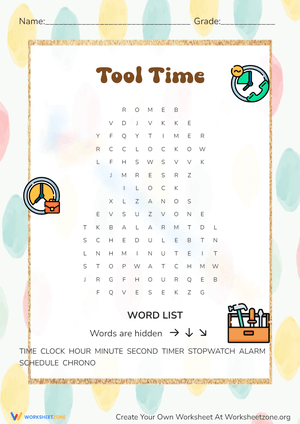
Measure Things Word Search For Measurement Words
Picture a classroom buzzing with quiet focus as students lean over their desks, pencils tracing rows of letters in search of hidden treasures. The measure things word search turns the usually formal subject of measurement into a playful hunt for meaning. Each puzzle invites young learners to step into the role of an explorer, tracking down terms like inch, gram, liter, and ruler among a sea of jumbled characters.
What makes this activity so effective is the way it weaves vocabulary practice into a game-like experience. Children who might hesitate over a textbook page often dive eagerly into a puzzle, motivated by the thrill of discovery. As they scan the grid, they internalize spellings, recognize patterns, and connect measurement words to the real-world tools and units they represent in everyday life.
Teachers will appreciate how seamlessly these worksheets fit into a broader lesson plan. After introducing measurement concepts on the board, a printable puzzle becomes a calm, productive transition. Students reinforce what they have just learned, and educators gain a few minutes to check in with individuals who need extra support, all while the classroom hums with purposeful engagement.
Parents working with children at home will find that these puzzles offer a bridge between casual playtime and structured study. Pair a word search with a quick scavenger hunt around the kitchen, where kids weigh apples on a scale or measure the length of the table with a tape. The hands-on link between a puzzle word and a tangible object makes the vocabulary stick in a memorable way. For more printable resources tied to this skill, browse the measurement tools and strategies collection on Worksheetzone.
Beyond vocabulary, a measure things word search builds focus, patience, and visual scanning skills that serve students across every subject. Older learners can be challenged with diagonal entries, backward words, or themed grids that mix imperial and metric units. If you want to design custom puzzles for your own classroom, this step-by-step guide walks you through the process. With consistent practice, students grow into confident problem solvers who view measure things word search puzzles as a welcome part of their math routine.
Frequently Asked Questions
Question 1: What grade levels benefit most from a measure things word search?
These puzzles work best for students in grades two through five, when measurement vocabulary is being introduced and reinforced across math units. Younger learners enjoy spotting simple words like inch and cup, while upper elementary students can tackle longer terms such as kilometer or temperature. Teachers often adapt the difficulty by selecting grids with more or fewer words, or by including diagonal and reversed entries for an extra challenge during independent practice.
Question 2: How can parents use this worksheet at home?
Parents can treat the puzzle as a relaxed warm-up before homework or a quiet weekend activity that quietly reinforces classroom learning. After a child completes the search, ask them to define each word, point to a related object in the house, or measure something using the tool the word names. This combination of puzzle solving, conversation, and hands-on practice transforms a single sheet into a rich, multi-sensory learning moment.
Question 3: What measurement vocabulary appears in these puzzles?
Typical word lists feature units of length such as inch, foot, meter, and kilometer, along with weight terms like ounce, pound, gram, and kilogram. Volume words including cup, pint, quart, gallon, and liter often appear, as do temperature words and tool names like ruler, scale, thermometer, and balance. The mix exposes students to both customary and metric systems, building a well-rounded measurement vocabulary over time.
Question 4: Can teachers integrate the puzzle into a full lesson plan?
Absolutely. The word search pairs well with a measurement mini-lesson, station rotation, or end-of-unit review. Teachers might begin with direct instruction, move into hands-on measuring with classroom objects, and then use the puzzle as a calming consolidation task. It also works as an early-finisher activity, a homework supplement, or a substitute lesson plan that keeps students productively engaged with relevant math content.