Teacher Organization Planning for Back-to-School: Why It Matters
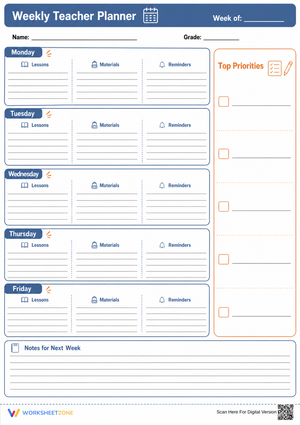
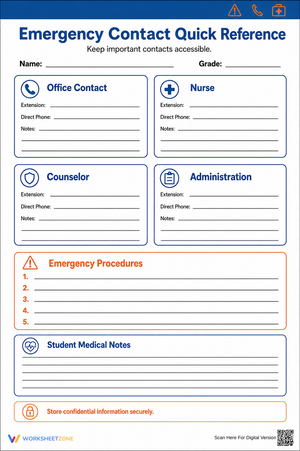
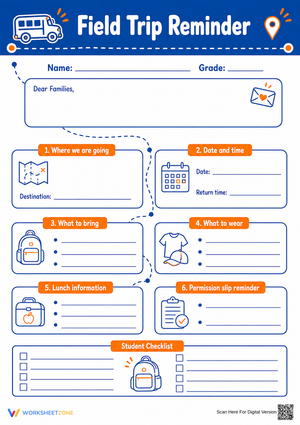
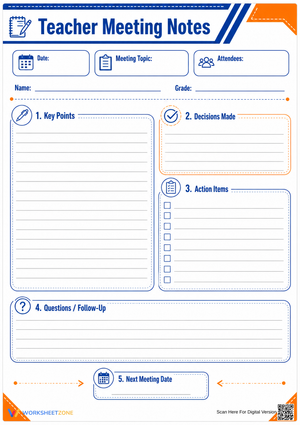
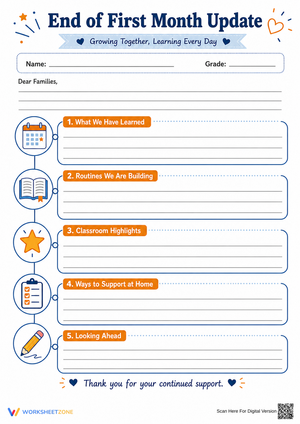
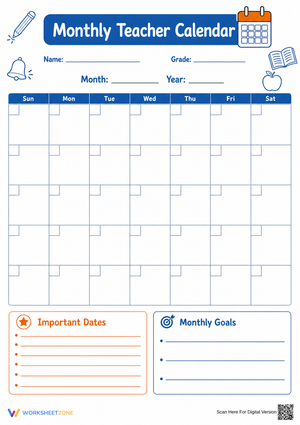
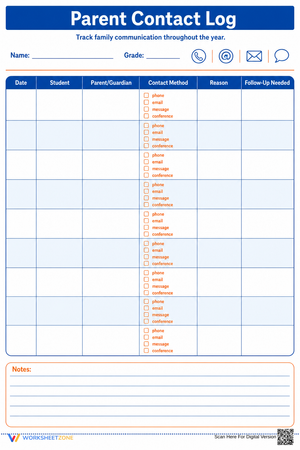
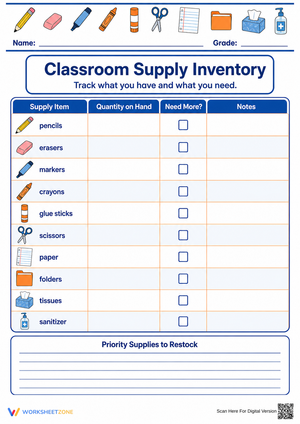
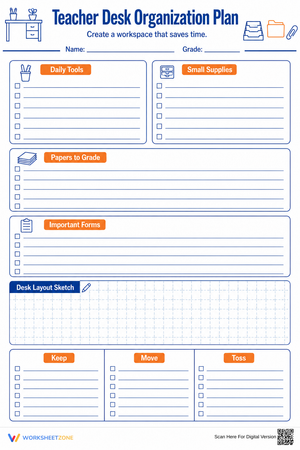
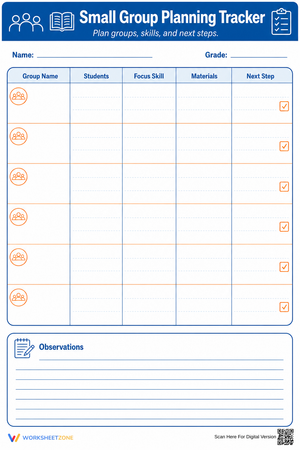
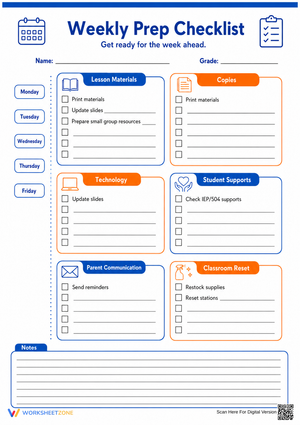
Teacher organization planning for back-to-school occasions is not optional—it is the foundation that lets the first week run smoothly instead of spinning into chaos. Without a structured approach to planning and organization before students arrive, teachers end up rebuilding systems on the fly while managing thirty new faces. Templates for room setup, pacing calendars, lesson shells, student data tracking, and parent communication turn the August scramble into a repeatable sequence that works year after year.
The goal is simple: get your organizational systems onto paper before day one, so your energy during those critical first weeks goes to building relationships and teaching, not to figuring out logistics.
The Back-to-School Planning Timeline
Teacher organization planning for the back-to-school occasion works best when split into three clear windows. Each window has different templates and decisions, and trying to do everything at once creates bottlenecks.
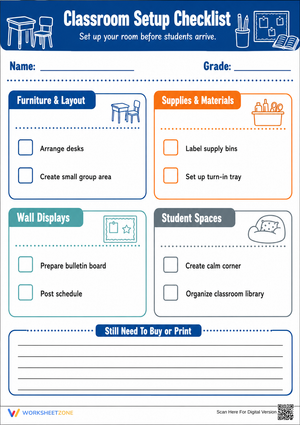
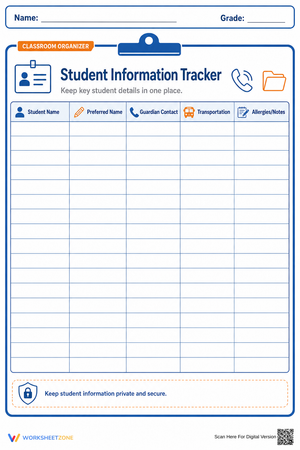
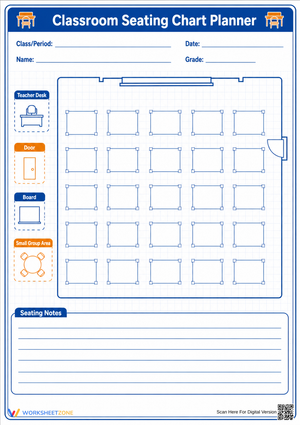
Two to three weeks before students arrive: finalize room layout, build a pacing calendar for the first marking period, and draft student information forms. These are structural decisions—everything else depends on them—so they come first.
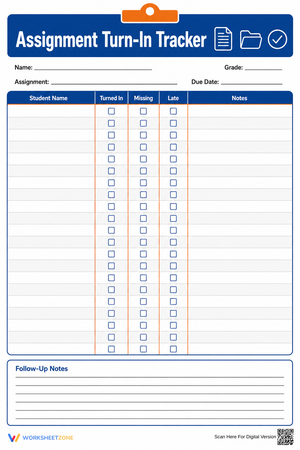
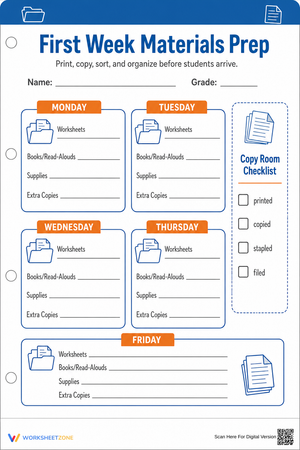
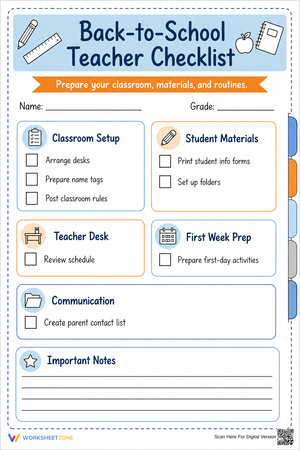
The week before school starts: fill in lesson plan shells for the first week, print and organize student data trackers, complete your parent welcome letter, and finalize your supply checklist. This detail work only makes sense once the structure is locked in.
The first week and beyond: keep a day-by-day template for routines, transitions, and quick notes on what needs reteaching. A living template captures these adjustments instead of losing them to memory.
Planning Time Scarcity Makes Teacher Organization Planning Critical
Teacher organization planning for back-to-school occasions is a direct response to one hard truth: most teachers get almost no planning time once students arrive.
According to NCTQ's research on planning time and teacher burnout, the average elementary teacher receives only about 47 minutes of dedicated planning per day—roughly 10% of the contracted workday. Nearly half of principals report their teachers get three hours or fewer of planning per week total. When 88% of teachers work 41 to 80 or more hours weekly despite contracts specifying 21 to 40 hours, front-loading your organization during summer is the only way to protect your time once the year begins.
Templates cannot erase the workload, but they move the heaviest lifting into a window where you can think clearly instead of squeezing organizational decisions into 47-minute gaps with students in the room.
Document Classroom Routines Before You Teach Them
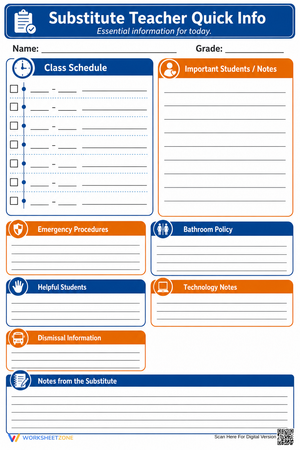
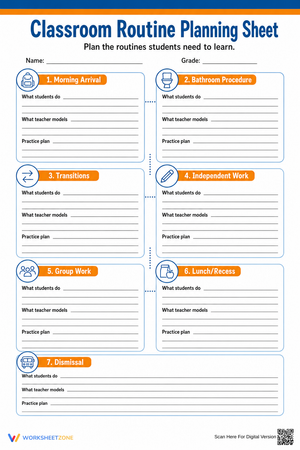
The procedures you establish in the first week—how students get your attention, how they transition between activities, bathroom protocols, and what to do with unfinished work—determine your climate for the entire year. Disruptions drop when these routines are consistent, and consistency starts with writing them down.
Before you teach a single routine, draft it in your planning template: the signal you will use, the action students should take, and how you will practice it. When procedures live on paper, you teach them the same way every period, and a substitute or co-teacher can run your room without guessing. Treat your procedures document as a script to rehearse, not a hope list.
Reduce Duplicated Work With Grade-Level Team Planning
Back-to-school planning has two distinct modes: individual prep like room setup and student forms, and collaborative planning with same-grade or same-subject colleagues. Shared templates make collaborative work far more efficient. When a grade-level team uses one pacing calendar and one lesson plan shell, nobody rebuilds the same unit five times.
Start by agreeing on a common folder, a naming system, and a few shared non-negotiables—typically the pacing calendar, common assessments, and parent communication templates. Individual teachers personalize delivery, but the structural work divides once and benefits everyone.
Classroom Implementation: Structuring Your First Week With Templates
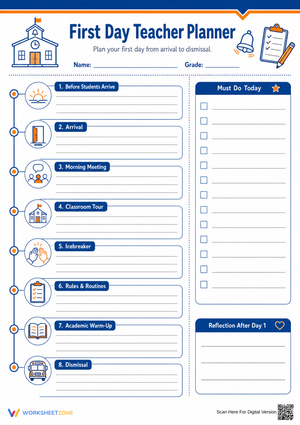
Use a day-by-day first-week template that prioritizes community-building and routine instruction before heavy academic content. The first days teach how your room operates, not how fast you can race through the curriculum.
Map each day with three columns: the routine you are introducing, the community-building activity, and a light academic task that lets you observe students without stakes. Day one covers entry procedures and a class introduction; day two adds transitions and a short diagnostic; by day three or four you layer in your full lesson plan shell at regular pace. A reusable template means you refine the opening week each year instead of reinventing it.
Frequently Asked Questions
1. What's the best way to start teacher organization planning for back to school?
Begin with structure: room layout and a first-marking-period pacing calendar. These big decisions shape everything—where supplies go, how lessons flow, and what your daily routine looks like. Once structure is set, fill in lesson shells, student data, and parent communication.
2. How early should I begin back-to-school organization planning?
Start structural work two to three weeks before students arrive: room layout, pacing, and student information forms. Save detail work like first-week lessons and your welcome letter for the week before, when you know the structure is locked in.
3. Which teacher organization templates save the most time?
Reusable shells save the most: a lesson plan template, a pacing calendar, and a student data tracker. Because you adapt rather than rebuild them yearly, they cut the heaviest repeated work and protect your limited daily planning time.
4. How do planning templates help with parent communication at the start of the year?
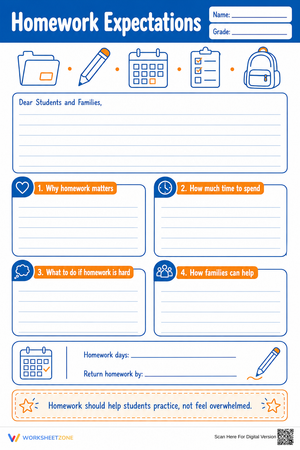
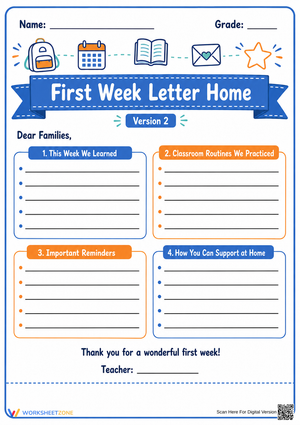
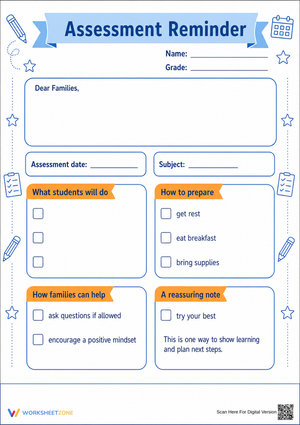
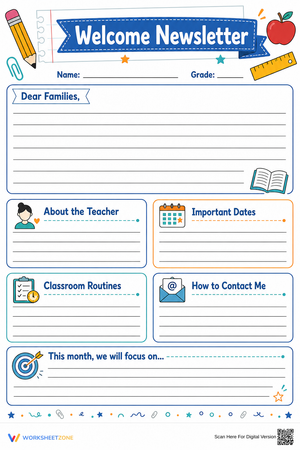
An editable parent welcome letter template lets you send a consistent, professional first message in minutes. Keep a reusable draft with placeholders for your name, schedule, and classroom expectations, then personalize it each year.
5. Are teacher organization planning templates worth the effort to maintain year to year?
Absolutely—that is their main strength. Store every template in one master folder, then duplicate and update each summer. A few minutes of edits replaces hours of building from scratch, which matters most when planning time is short.












 Interactive Worksheet Maker
 Quiz Maker
 Word Search Maker
 Crossword Puzzle Maker
 Word Scramble Generator
 Sentence Scramble Generator
 Handwriting Worksheet Generator
 Name Tracing Generator
 Fill In The Blank Generator