Walk Into the Room the Way Your Students Will
Before you hang a single poster, stand in your doorway and look at the room the way a nervous third grader or a guarded ninth grader will see it on day one. The first 30 seconds set expectations about whether this space is organized, safe, and built for them. Strong classroom decoration ideas to welcome students back to school aren't about filling every wall—they're about sending clear signals that students belong here and know what to do.
This guide walks through six practical setups US teachers can prep over the summer, from welcome bulletin boards to flexible seating zones. I'll flag what current trends recommend, where the research backs it up, and how to adapt each idea for the grade you teach, whether that's kindergarten or a high school content area.
Welcome Bulletin Boards and Door Displays That Signal Belonging
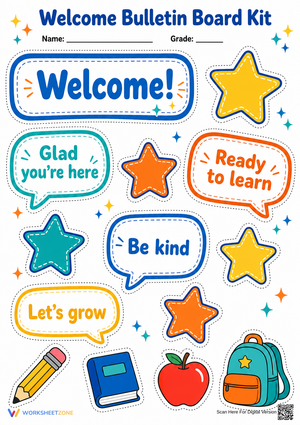
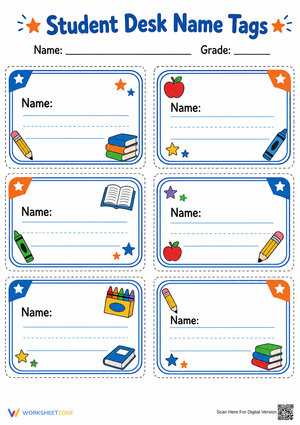
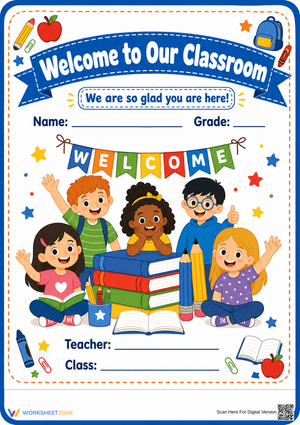
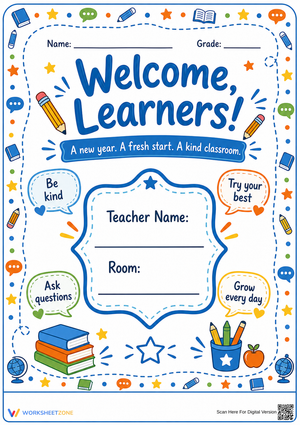
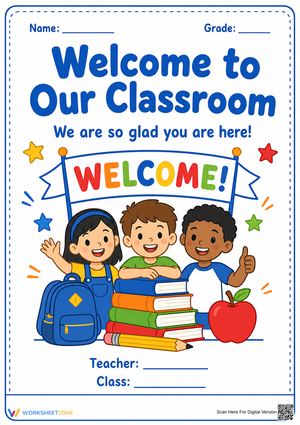
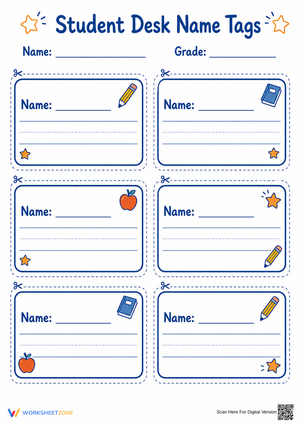
Your door and entry bulletin board are the first impression, so make them earn their space. A simple 'Welcome Back' door display with each student's name—on a paper apple, a sticky-note rocket, or a laminated name tag—tells arriving students they were expected. For older grades, swap cutesy themes for a clean welcome message, the course name, and a clear schedule preview.
Keep the entry board purposeful: a daily agenda space, a 'you are here' map of classroom zones, and a small spot for student shout-outs. Teach Starter's classroom decorating ideas suggest reusing one neutral backdrop all year and changing only the seasonal accents, which saves prep time and keeps the wall from competing with your instruction. If you teach a content area with multiple sections, a rolling whiteboard 'do now' board near the door doubles as decor and bell-ringer real estate.
Minimalist vs. Busy Decor: What the Research Says
Teachers often feel pressure to cover every inch of wall, but visual clutter can pull attention away from learning. The 2025-2026 decor trends lean toward minimalism, neutral and pastel palettes, and nature-inspired elements, with one or two bright accent colors instead of a dozen competing borders. Nature-inspired touches—a few real or faux plants, wood-tone accents, and soft greens—read as welcoming without adding noise, and the aim is a room that feels calm and intentional the moment students step inside.
Here's the practical takeaway most decorating lists miss: the goal isn't fewer decorations, it's a clear visual hierarchy. Use a neutral base on the largest surfaces, reserve your brightest accent color for the one board you want students to check daily, and leave white space around anchor charts so they stay readable from across the room. A wall that tries to do everything ends up teaching nothing.
According to Steelcase's research on how classroom design affects student engagement, 98% of observed faculty reported a moderate-to-exceptional increase in student engagement after their learning spaces were intentionally redesigned—evidence that thoughtful, uncluttered setup pays off in measurable classroom participation, not just curb appeal.
Student-Centered Decor Before Day One
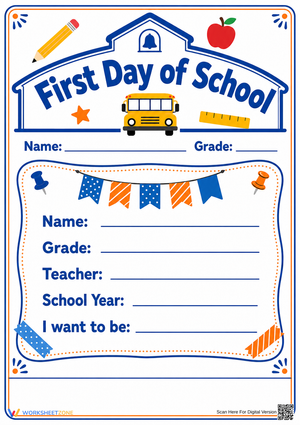
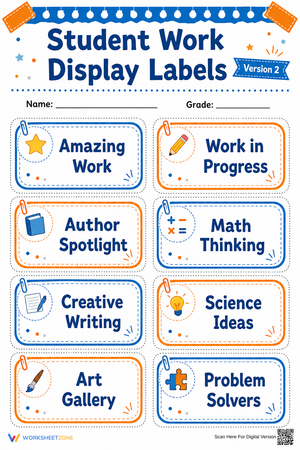
Decor that features students themselves does more for belonging than any store-bought set. Reserve a board for 'About Me' cards, student photos, or first-week artwork, even if it starts empty and fills in during week one. A 'we belong here' wall that grows with student contributions beats a finished display kids had no hand in. Displaying student work signals ownership and helps reduce first-day anxiety, because kids see a room built around them rather than at them.
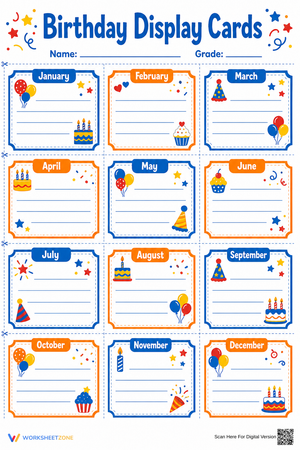
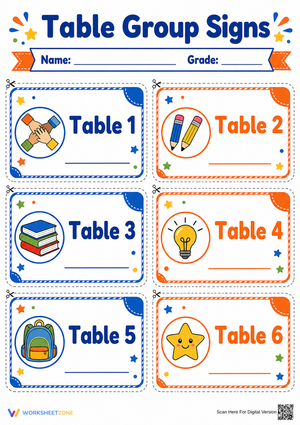
Build inclusive representation into the room from day one. Posters, classroom-library books, and name displays that reflect every student's background and family tell kids the space was designed with them in mind, not adapted to them later. For prep, print blank 'Hello, my name is' pennants, hang a clothesline with clips for fast-changing displays, and label one bin per table group so the room feels claimed before the first bell.
Set Up Zones That Orient Students Quickly
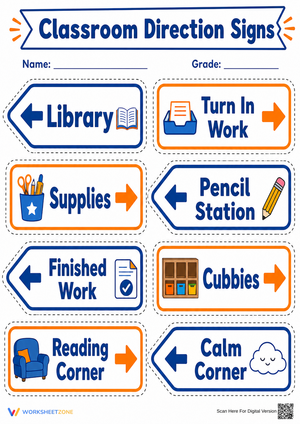
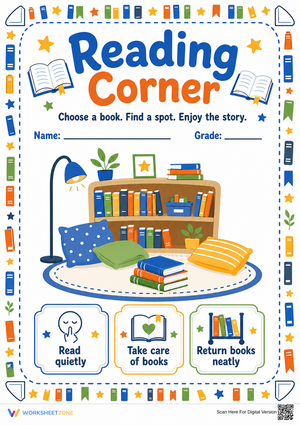
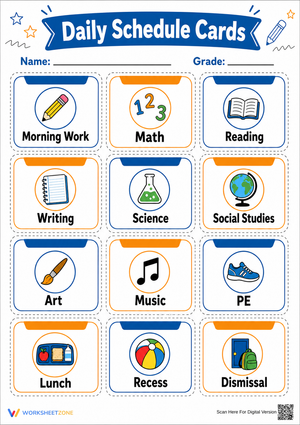
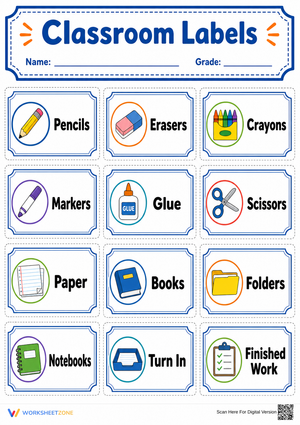
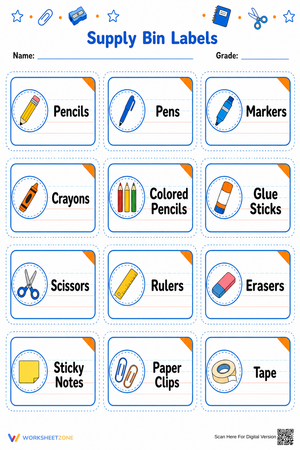
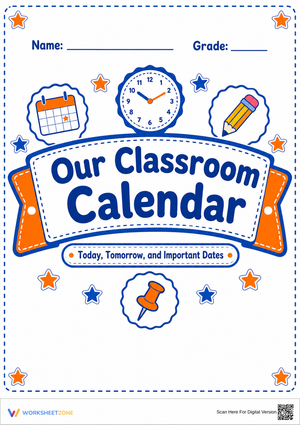
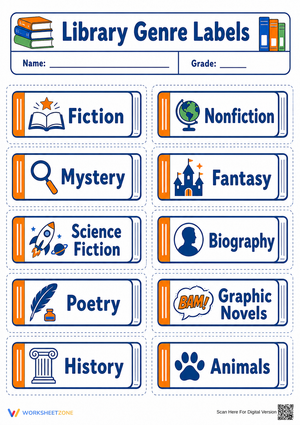
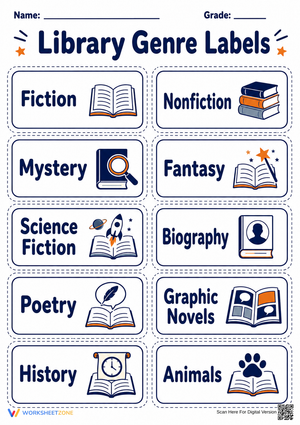
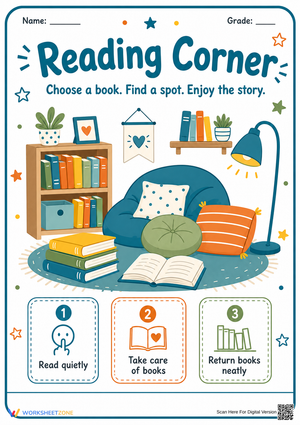
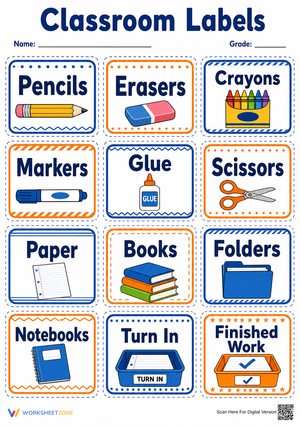
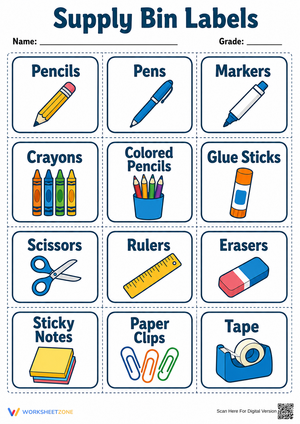
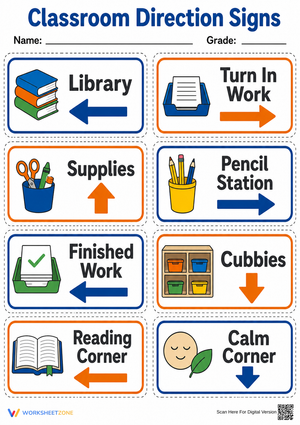
Clear zones let students function independently from the first morning. Map out a reading nook with a small rug and a few bean bags, a collaboration station with movable seating, and a clearly labeled supply area so students aren't lining up to ask where the pencils live. Visible daily schedules and labeled supply bins quietly do classroom-management work all year long.
Flexible seating doesn't require a big budget—one rug, two floor cushions, and a relabeled shelf can define a corner. Add a quiet corner if you have room; even a single chair and a basket of books signals the classroom has space for a reset. The point is that each area looks like it has a job, so students can read the room and settle in without a dozen questions. Post the schedule at student eye level, not yours, so even your youngest readers can track the day.
Budget-Friendly DIY Ideas to Prep Over Summer
You don't need a teacher-store haul to build a welcoming room. Waterford.org's roundup of DIY back-to-school decoration ideas highlights low-cost wins like printable welcome signs, peel-and-stick wallpaper on a single accent wall, fabric or bulletin paper that hides cluttered shelving, and clothesline displays that swap out in seconds.
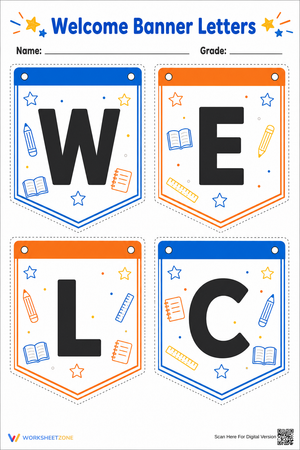
- Printable welcome banners and name pennants you laminate once and reuse.
- Peel-and-stick wallpaper or a bordered accent wall for a clean focal point.
- Fabric draped over open shelving to calm visual noise.
- Repurposed crates and labeled baskets for supply zones.
- A 'today' board with reusable schedule cards.
Thrift stores, classroom supply swaps with grade-level teammates, and dollar-store bins stretch a small setup budget further than one big order. Spread these projects across a few summer afternoons and setup won't swallow your last free weekend before in-service days begin.
Classroom Implementation
Turn the ideas above into a setup plan you can actually finish. Start two to three weeks before students arrive so you have time for deliveries and do-overs, and build the room in layers instead of all at once.
- Week 1: Deep clean, set your neutral base color, and map zones with painter's tape before moving furniture.
- Week 2: Hang anchor boards, label supply areas, and post the daily schedule at student eye level.
- Week 3: Add student-name displays, the welcome door, and one bright accent board you'll refresh weekly.
For multi-grade or departmentalized teachers, keep a consistent neutral backdrop across rooms and change only the accent theme so transitions feel familiar. Leave 20-30% of wall space open at launch—students fill it with their work, and an intentionally unfinished room invites them to make it their own. Snap a photo of the finished room and save your zone map, so next August you rebuild in a day instead of a week.
Frequently Asked Questions
1. How early should teachers start decorating their classroom?
Plan for two to three weeks before the first day. That window leaves room for supply deliveries, furniture moves, and the inevitable redo, without forcing an all-nighter the weekend before students arrive.
2. What back-to-school decoration themes work across multiple grade levels?
Neutral, nature-inspired, and welcome themes scale best. A pastel or earth-tone base with one accent color reads as calm for elementary students and uncluttered enough for middle and high school rooms.
3. How much wall space should be covered with decorations?
Aim for stimulating but not overwhelming. Design experts recommend a neutral base with one or two bright accents, and leaving roughly 20-30% open for student work that fills in during the first weeks.
4. How can classroom decor help reduce first-day anxiety?
Decor that names and pictures students, plus clearly labeled zones and a visible schedule, helps kids orient themselves independently. Seeing their own names and work in the room builds belonging before instruction even starts.












 Interactive Worksheet Maker
 Quiz Maker
 Word Search Maker
 Crossword Puzzle Maker
 Word Scramble Generator
 Sentence Scramble Generator
 Handwriting Worksheet Generator
 Name Tracing Generator
 Fill In The Blank Generator