What Seasons Worksheets Teach in K-1 Science
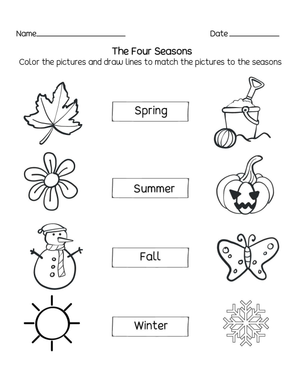
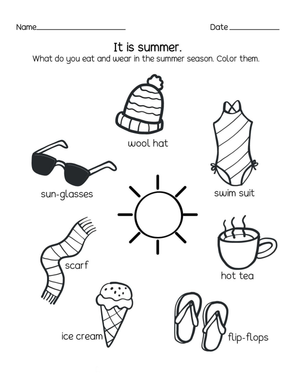
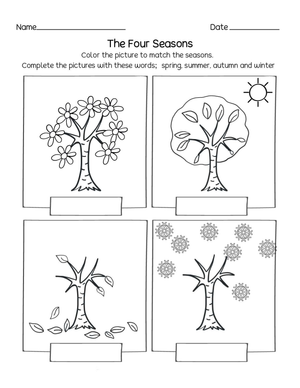
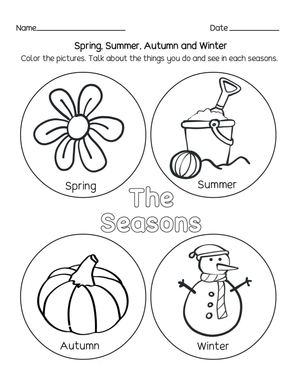
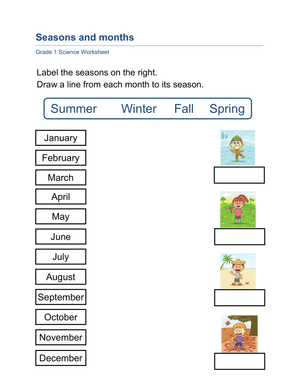
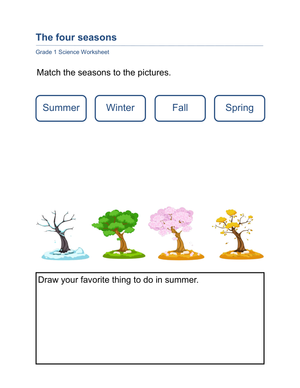
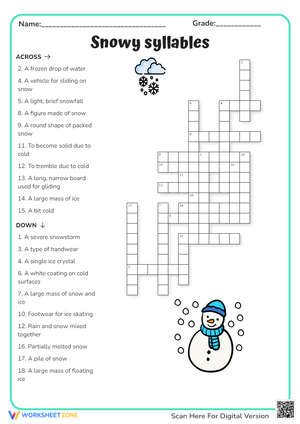
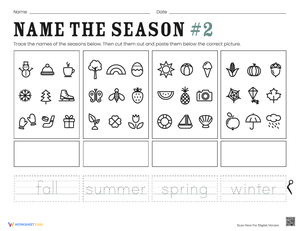
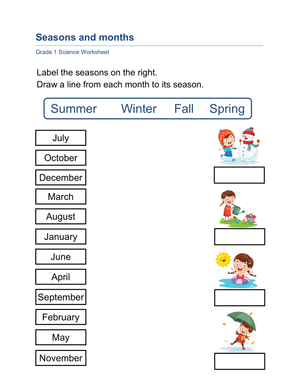
Seasons worksheets give young students a structured way to observe, name, and compare the four seasons before they can read fluently. In a kindergarten or first-grade classroom, these pages usually ask students to sort clothing by season, match weather symbols to fall, winter, spring, and summer, or draw what a single tree looks like across the year. The goal isn't memorizing definitions. It's helping students notice that weather and daylight follow repeating patterns they can describe and eventually predict.
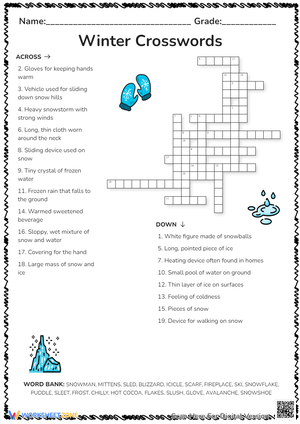
Because most K-1 readers are still building decoding skills, strong seasons worksheets lean on pictures, sorting, and short labels instead of long passages. That design lets you use the same page for a whole-class mini-lesson and a small-group review without rewriting anything. When you choose a set, look for tasks that push students past labeling toward comparing, such as deciding which season has the shortest days or the coldest mornings.
Aligning Seasons Worksheets to NGSS K-ESS2-1
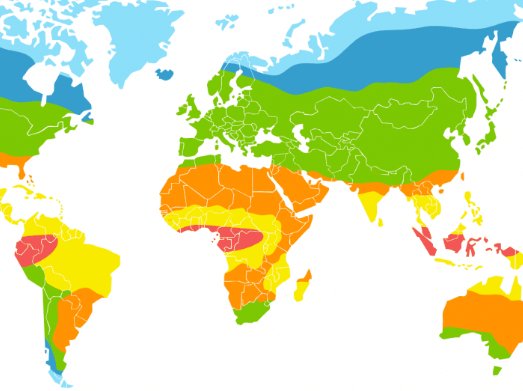
The clearest home for seasons worksheets in kindergarten science is the weather and climate strand. NGSS K-ESS2-1 asks students to use and share observations of local weather conditions to describe patterns over time. A worksheet that has students record the sky, temperature, or clothing across several weeks supports exactly that skill, especially when the recording repeats often enough that patterns become visible.
Here's the shift that separates a worksheet that fills time from one that moves the standard: the value comes from repeated entries, not a single snapshot. K-ESS2-1 is a pattern standard, so one page done once teaches almost nothing about patterns. Teachers who photocopy the same simple observation grid and use it every Monday for six weeks give students six data points to compare, which is what makes a claim like "winter mornings are colder than fall mornings" defensible in a five-year-old's own words.
Pair the worksheet with a quick class discussion so students share observations out loud. That sharing step is written into the standard itself, and it turns a solo page into evidence students can talk through together. It also lets you hear misconceptions early, before they harden into a unit test.
Building First-Grade Daylight Reasoning With 1-ESS1-2
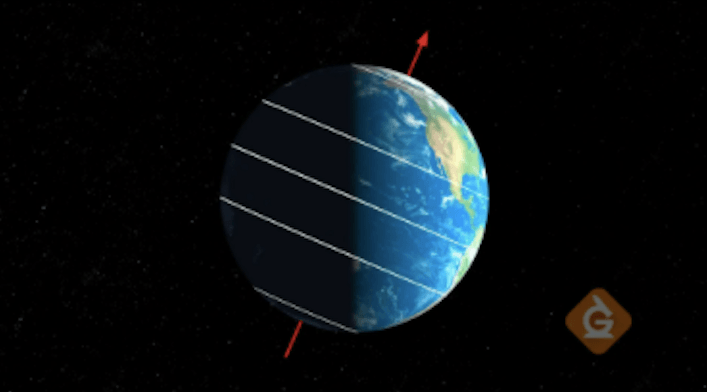
First grade raises the bar. NGSS 1-ESS1-2 asks students to make observations at different times of year to relate the amount of daylight to the time of year. Seasons worksheets support this when they prompt students to compare daylight across seasons rather than measure it in exact units.
According to the Next Generation Science Standards, first-grade performance expectation 1-ESS1-2 limits assessment to relative comparisons of daylight, such as winter versus spring, rather than quantifying hours. That single boundary should shape every worksheet you assign: students compare longer and shorter days, and they never count exact hours.
Because the standard keeps students at relative comparisons, choose worksheets that ask "which season has more daylight?" instead of "how many hours of daylight?" A page where students shade a longer bar for summer and a shorter bar for winter matches the intent precisely, and it keeps the reasoning at a genuine first-grade level. If a worksheet asks first graders to record clock times or sunrise data, it's overshooting the standard.
Pairing Worksheets With a Weather Calendar Routine
Worksheets do their best work alongside an ongoing routine. A classroom weather calendar, where students mark sun, clouds, rain, or snow each morning, gives them the raw observations that a seasons worksheet later asks them to organize. Graphing a month of weather symbols is a common way to help students see repeating cycles, and it feeds directly into the pattern language K-ESS2-1 expects.
Think of the calendar as the data collection and the worksheet as the analysis. Students who have logged twenty rainy or cold days on a shared chart bring real evidence to a sorting or comparison page, so the worksheet becomes a reasoning task rather than a guessing game. This pairing also connects naturally to K-ESS2-2, which has students ask questions about forecasting to prepare for severe weather, since a calendar makes local patterns concrete enough to raise those questions.
Classroom Implementation
Start with a short, shared observation before handing out any page. Two or three minutes at the window or a quick look at the day's weather gives every student something concrete to reference. Then use the worksheet to capture that thinking, not to introduce it cold.
Keep a predictable rhythm. Using the same worksheet format on a fixed day each week lowers the cognitive load, so students spend their energy on the science instead of decoding new directions. Model the first row or first item under a document camera, release students to try one on their own, and circulate to catch anyone reversing seasons or confusing weather with temperature.
Close the loop with talk. After students finish, have partners compare one answer and explain their reasoning in a full sentence. This turns a printable into a speaking-and-listening opportunity and surfaces the observation-sharing that K-ESS2-1 explicitly calls for. Collect a few pages each week as a running record rather than grading every sheet, which keeps the workload manageable while still tracking growth.
Frequently Asked Questions
1. What grade level are seasons worksheets best suited for?
They fit kindergarten and first grade most naturally. Kindergartners use them to observe and describe local weather patterns, while first graders use them to compare daylight across the year. The picture-based format also works for pre-K readiness and early-grade intervention.
2. How do seasons worksheets align with NGSS weather and climate standards?
They support K-ESS2-1, which asks students to observe and share local weather patterns over time, and 1-ESS1-2, which relates the amount of daylight to the time of year. Repeated observation and relative comparison are the skills to prioritize.
3. Can seasons worksheets be used for both whole-class and small-group instruction?
Yes. The same page works as a whole-class mini-lesson and a small-group review. Adjust the prompt and the level of scaffolding, such as adding a word bank or asking for a spoken explanation, instead of changing the worksheet itself.
4. What classroom activities pair well with seasons worksheets?
A daily weather calendar and monthly weather graphing pair especially well, since they generate the observations students later organize on the page. Short partner discussions and science-journal entries extend the worksheet into speaking, listening, and a year-long record of change.












 Interactive Worksheet Maker
 Quiz Maker
 Word Search Maker
 Crossword Puzzle Maker
 Word Scramble Generator
 Sentence Scramble Generator
 Handwriting Worksheet Generator
 Name Tracing Generator
 Fill In The Blank Generator