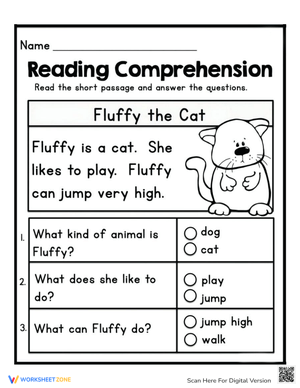
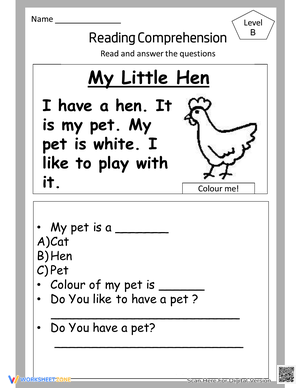
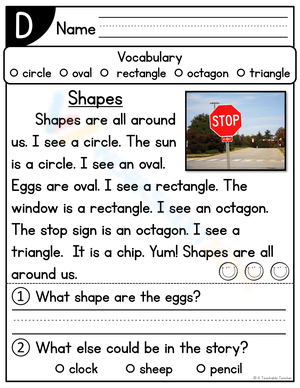
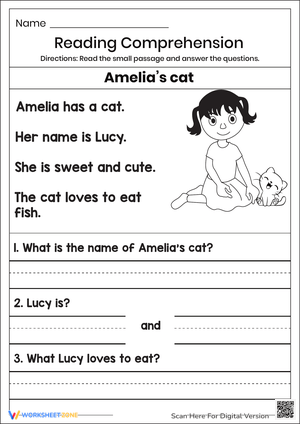
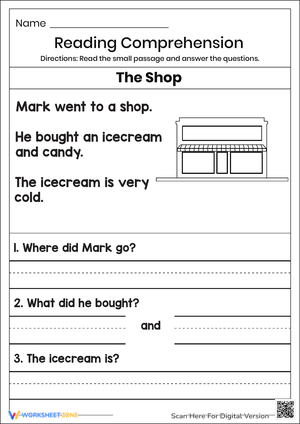
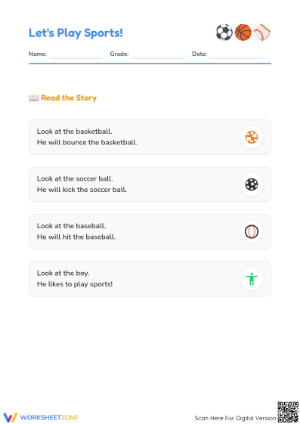
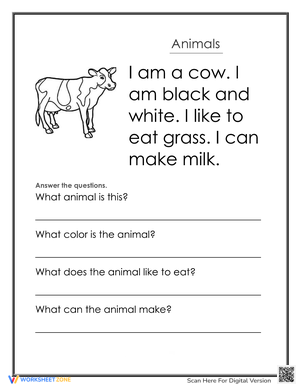
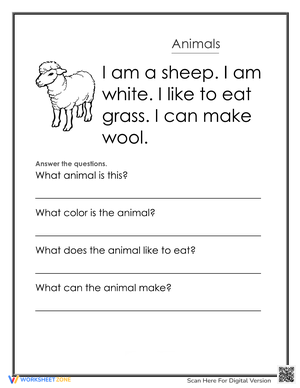
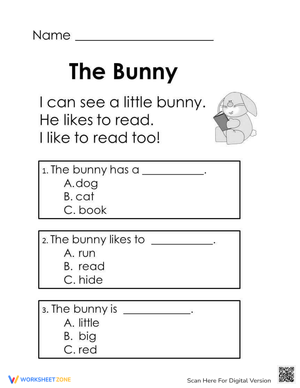
These leveled reading pdf worksheets for kindergarten give teachers a ready-to-print set of reading resources spanning Guided Reading Levels A through D — the full developmental arc most kindergartners travel over a school year. Each worksheet targets a specific level, so teachers can hand a student exactly the right reading challenge rather than adapting a generic passage mid-lesson.
What Each Worksheet Covers, Level by Level
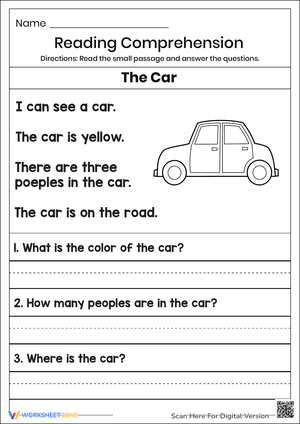
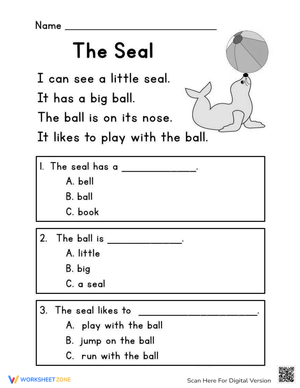
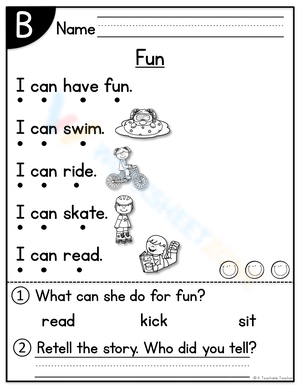
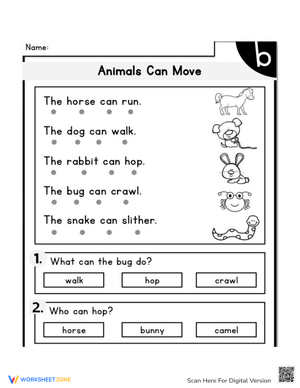
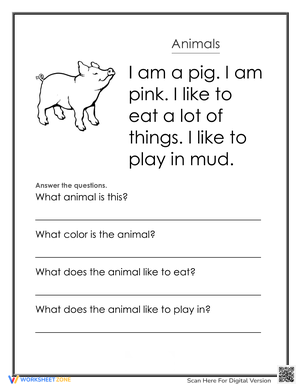
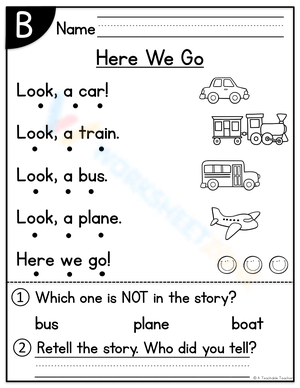
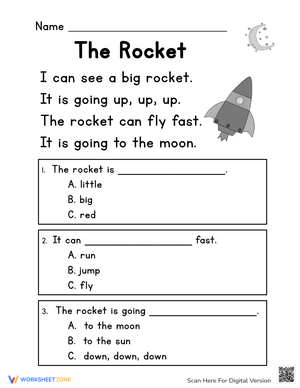
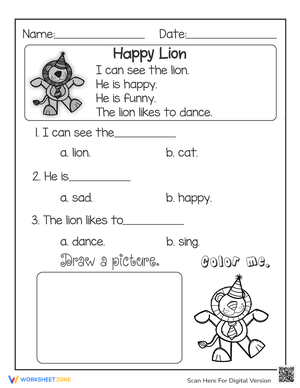
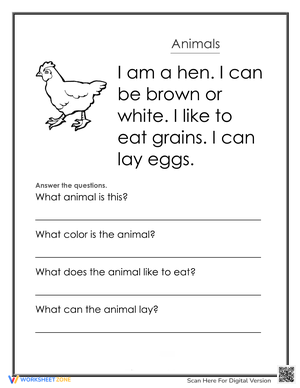
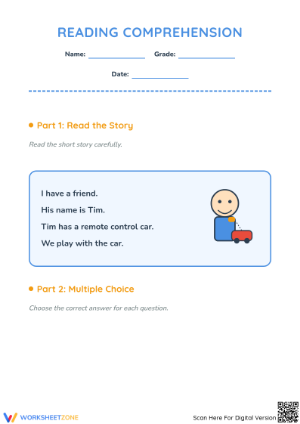
At Level A, each worksheet pairs a single line of text with one illustration. The sentence pattern repeats in a predictable way — "I see a ___," "Here is a ___" — and tracking dots beneath each word give students a physical anchor for finger-pointing. That detail matters more than it might seem: young readers who skip pointing tend to drift into reciting a memorized pattern rather than actually identifying each word. The illustrations mirror the text closely enough that a student can identify a new noun just from looking at the picture.
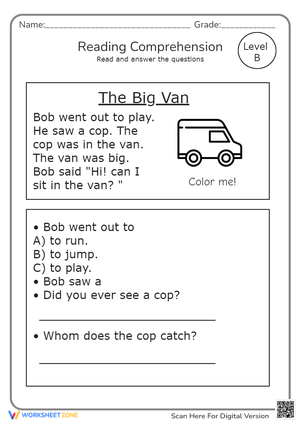
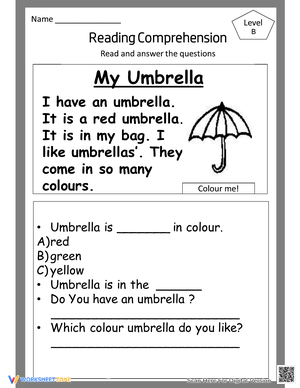
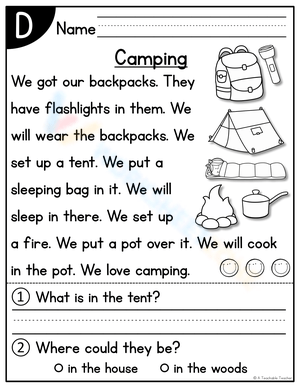
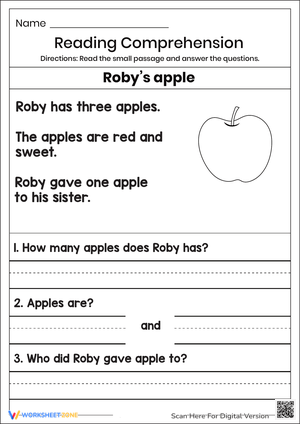
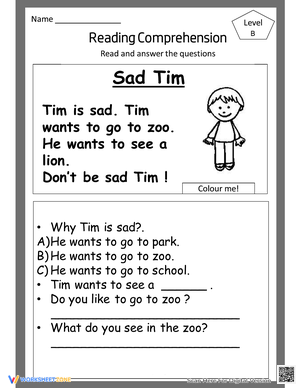
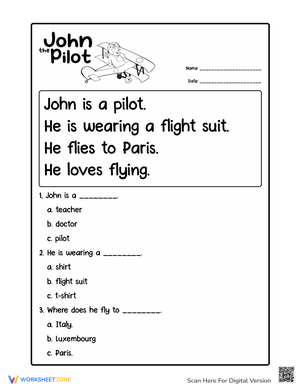
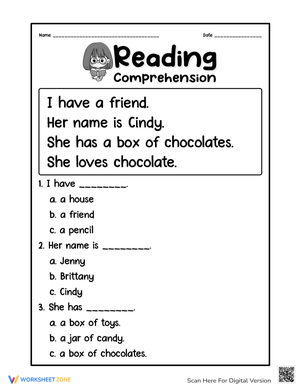
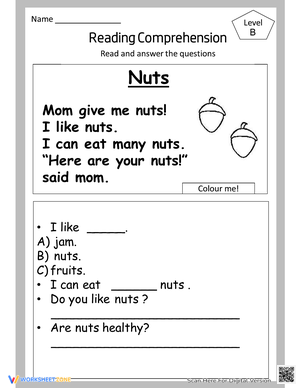
Level B worksheets add a second line of text and expand the sight word bank to include words the illustration alone cannot carry — "said," "have," "was" — words that require early visual memory rather than phonetic decoding. By Level C, sentence variety increases and pictures provide less direct meaning support, pushing students to rely on phonics knowledge for CVC words. Level D adds longer sentences, punctuation variety, and words that require early consonant blend recognition. Moving through the levels in sequence builds the habit of reading connected text rather than isolated word lists.
Student Errors Worth Anticipating Before You Pull Out These Resources
The most common error at Level A is memorization passing as reading. A student recites "I see a cat / I see a dog" perfectly while pointing to entirely wrong words. When you cover the illustration and ask them to identify a specific word, they freeze — because they tracked the repeating pattern, not the print. This surfaces in the first four weeks of guided reading almost universally. Tracking dots help, but the real fix is stopping mid-text and asking the student to frame one word with their fingers before saying it aloud.
At Levels C and D, the error shifts. Students read the first letter of an unfamiliar word, guess from context, and move on without self-correcting. They read "jumping" for "jogging" because the illustration shows movement and the word starts with j. Because each worksheet at these levels runs six to eight sentences, teachers can take a full running record and catch every miscue without losing momentum — and that brevity is what makes these resources well-suited for formative assessment in a small-group setting.
Fitting These Resources Into Your Weekly Lesson Plans
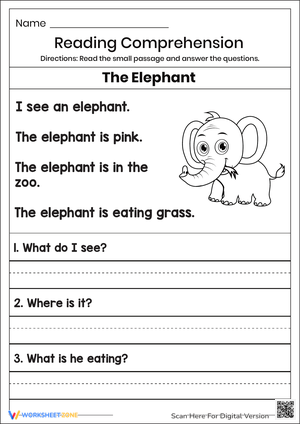
The most effective placement for leveled reading pdf worksheets for kindergarten is in small-group guided reading blocks of four to six students, running 15 to 20 minutes. Before students touch the text, do a picture walk: ask students to narrate what they see in each illustration. That two-minute conversation front-loads vocabulary and gives the teacher a quick read on prior knowledge before decoding begins.
After a group reads a worksheet in guided reading, place it in a literacy center the same week for independent re-reading. Repeated reading of a familiar text builds fluency faster than rotating to new material every session. At Levels A and B specifically, students who re-read a known worksheet with a partner still benefit from finger-pointing practice, which keeps one-to-one correspondence habits active. Running records are most informative on a cold read — the first time a student encounters a text at a new level — not after multiple re-reads when accuracy scores climb artificially.
Standard Alignment
These worksheets address the CCSS ELA Foundational Skills strand at the kindergarten level. CCSS.ELA-LITERACY.RF.K.1 covers print concepts — left-to-right directionality, one-to-one word correspondence, and word boundaries — all of which are practiced at Levels A and B through the tracking dot format and deliberately spaced text. CCSS.ELA-LITERACY.RF.K.3 targets phonics and word recognition, requiring students to apply letter-sound knowledge when decoding CVC words; Levels C and D embed that standard within connected sentences rather than isolated phonics drills. For districts using a structured literacy model, the Level D materials also introduce early consonant blend exposure that bridges toward first-grade RF.1.3 expectations, making the full set useful at the start of first grade as a diagnostic tool as well.
Adjusting the Set for a Mixed-Ability Classroom
For students who are not yet tracking print — who have not yet internalized directionality or consistent text orientation — the Level A worksheets still work as read-aloud support material. A teacher or aide reads while the student follows along. The instructional goal shifts to print exposure and vocabulary building, and the illustrated format provides a concrete reference point for discussion. That is a legitimate use of the resource, not a workaround.
At the upper end, students who move through Level D before midyear can use the same worksheets as timed fluency texts. Track words correct per minute across two or three re-reads and mark the results on a simple class chart. Kindergartners who see their own fluency data re-read more willingly, especially when the text is already familiar. For students who need a production challenge beyond recognition work, add a one-sentence written response after reading — who was in the story and what happened. It moves phonics application into writing rather than keeping it only in reading.
Frequently Asked Questions
How do I decide which level to start a student on?
Take a running record on a Level A text. If accuracy is greater than 95% with solid comprehension, move up. If accuracy falls below 90%, drop down. Instructional level sits between 90% and 94% accuracy — that is where guided reading teaching actually lands. Independent level, at 95% accuracy and above, is the right fit for center work and take-home practice.
Can these worksheets be sent home for family practice?
Yes, and one practical advantage of leveled reading pdf worksheets for kindergarten is the PDF format itself: print as many copies as needed and send one home after the small-group session. A short note asking parents to listen to their child re-read and prompt finger-pointing is enough instruction. Most kindergartners re-read a familiar text to a parent or sibling willingly, especially when they already know they can handle it.
What if a student decodes accurately but shows little comprehension?
This is more common at Levels C and D than most teachers expect the first time they encounter it. The student sounds out every word correctly but cannot retell what happened. Because these worksheets are short, re-reading for meaning immediately after a first decoding pass takes under two minutes. Ask one oral comprehension question — not a written one at this age — and listen for whether the student processes the text as language or treats it purely as a sound-symbol exercise.
Are these worksheets useful for students already reading above Level D?
For students firmly above Level D, leveled reading pdf worksheets for kindergarten work best as a diagnostic baseline — something to confirm where students started at the beginning of the year — rather than ongoing instructional material. Using them as teaching texts with advanced readers wastes instructional time those students need elsewhere. Move those students to Level E and F materials and keep the A-through-D set for students who genuinely benefit from the structured reading support these levels provide.












 Interactive Worksheet Maker
 Quiz Maker
 Word Search Maker
 Crossword Puzzle Maker
 Word Scramble Generator
 Sentence Scramble Generator
 Handwriting Worksheet Generator
 Name Tracing Generator
 Fill In The Blank Generator