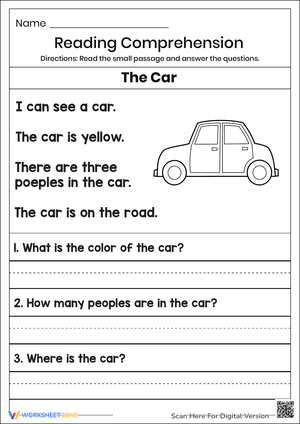
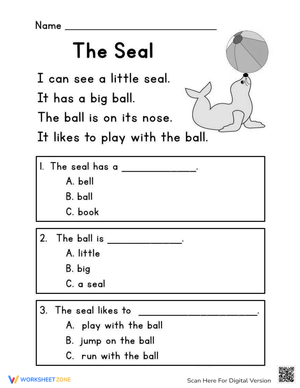
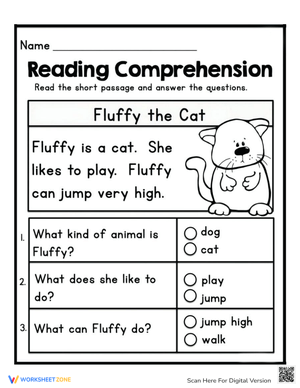
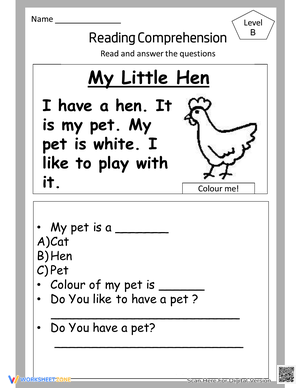
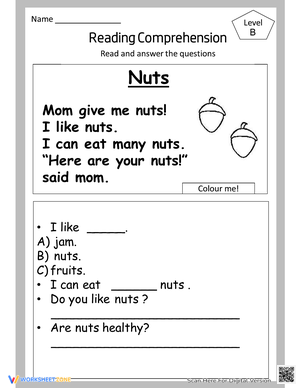
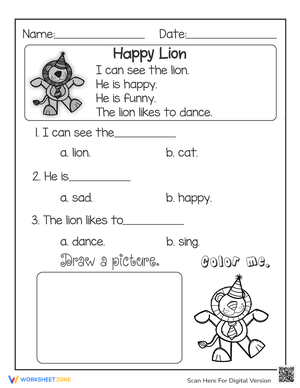
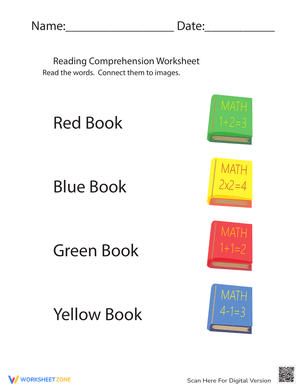
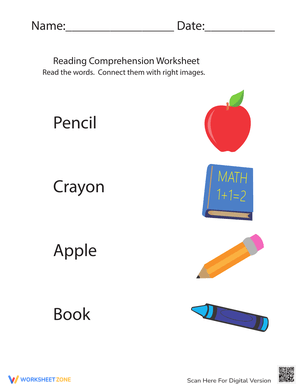
If you teach kindergarten or run early literacy intervention groups, you have almost certainly pulled a stack of kindergarten reading level a worksheets for your lowest guided reading group. Level A sits at the very start of the Fountas and Pinnell Text Level Gradient, and it is where most kindergartners begin the year as emergent readers. Knowing exactly what this level demands, and how to structure practice around it, makes the difference between a group that stalls and one that moves confidently toward Level B.
How Level A Compares to Other Reading Scales
Teachers who move between districts or compare notes with reading specialists often need a quick translation between systems. According to the F&P Text Level Gradient, Level A corresponds to DRA Level 1 and Lexile BR, meaning Beginning Reader. That correlation is useful during report card season, when a family or administrator may be more familiar with DRA or Lexile language than with the F&P letter system. Keeping a simple conversion chart posted near your guided reading table saves you from re-explaining this every conference.
According to the Fountas and Pinnell Text Level Gradient, Level A is the foundational entry point of the continuum, correlating to DRA Level 1 and Lexile BR (Beginning Reader), and is designed for emergent readers who are just learning concepts of print at the very start of kindergarten. This kind of cross-reference is especially helpful when writing IEP goals or parent-facing progress notes that need to reference more than one leveling system.
Concepts of Print: The Real Target of Level A Instruction
Level A instruction is not primarily about phonics accuracy. It is about concepts of print, the foundational understandings a child needs before decoding can even begin. Three skills sit at the center:
- One-to-one word-to-text matching, where the student points to each word as it is read aloud
- Left-to-right directionality, including the return sweep to the next line
- Distinguishing print from pictures, so the student understands that the words, not the illustration, carry the story
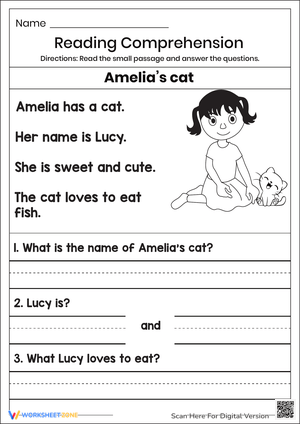
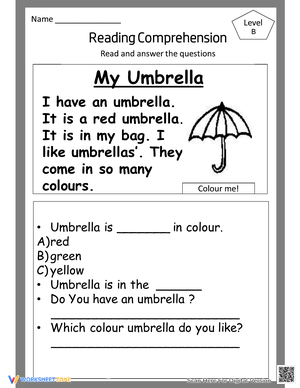
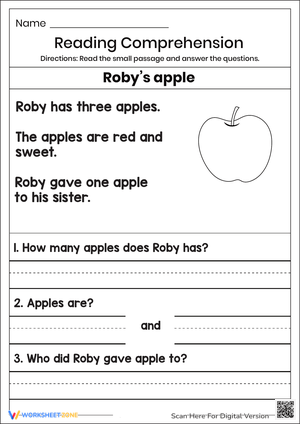
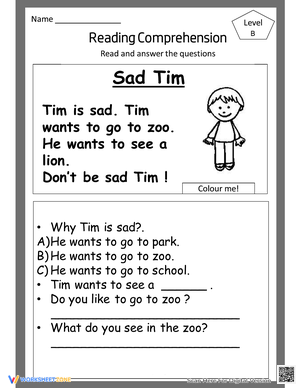
When you choose kindergarten reading level a worksheets, prioritize ones that give students a physical way to practice these behaviors, such as pointing, tracking with a finger, or circling the first word on a line. A worksheet that only asks for coloring or matching pictures misses the print-tracking practice that defines this stage.
Structuring a Small Group Around Level A Materials
A Level A guided reading group typically runs 10 to 15 minutes and follows a predictable routine: a quick picture walk, a shared reading of the repetitive pattern, and then individual practice where each student reads the same short text independently while you listen in. Worksheets extend this practice after the group session, giving students an independent task that reinforces what was just modeled.
Keep group size small, ideally three to five students, since Level A readers need frequent individual feedback on tracking and word matching. Rotate worksheets that repeat the same sentence frame with new picture support, so students build automaticity with the pattern rather than facing a new structure every day.
Classroom Implementation
Build a rotating Level A folder with five to six worksheet variations so the pattern stays fresh without overwhelming students with new structures. Pair each worksheet with a matching predictable text when possible, since the repetition across both formats reinforces the sentence pattern. Set a consistent five-minute independent practice block right after your small group session, while the modeled reading is still fresh. Finally, revisit your word-matching and directionality notes every two to three weeks to decide which students are ready to trial Level B materials alongside their current group.
Frequently Asked Questions
1. What is Fountas and Pinnell Level A in kindergarten reading?
Level A is the first level on the F&P Text Level Gradient, meant for emergent readers who are learning concepts of print, including word-to-text matching, left-to-right directionality, and distinguishing print from pictures.
2. How does Level A compare to DRA and Lexile reading levels?
Level A corresponds to DRA Level 1 and Lexile BR, or Beginning Reader, according to the F&P Text Level Gradient.
3. What skills should a kindergartner master before moving from Level A to Level B?
Students should reliably match words to text one-to-one, track print left to right with an accurate return sweep, and distinguish print from illustrations before moving to Level B texts.
4. How often should teachers assess a student's guided reading level in kindergarten?
Many kindergarten teachers check tracking and word-matching behaviors informally every one to two weeks during small group time, since Level A skills develop quickly during the emergent stage.
5. What kinds of texts or worksheets are appropriate at Level A?
Appropriate materials have one line of text per page, repeating sentence patterns of three to six words, strong picture support, and vocabulary the student already knows orally.












 Interactive Worksheet Maker
 Quiz Maker
 Word Search Maker
 Crossword Puzzle Maker
 Word Scramble Generator
 Sentence Scramble Generator
 Handwriting Worksheet Generator
 Name Tracing Generator
 Fill In The Blank Generator