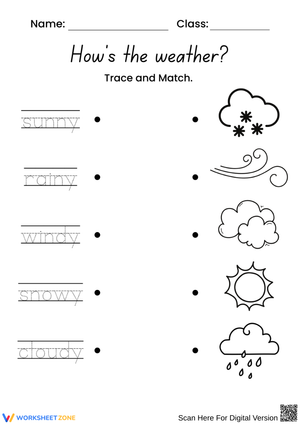
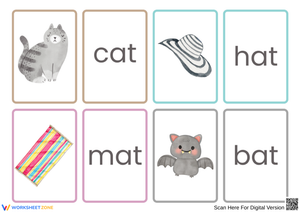
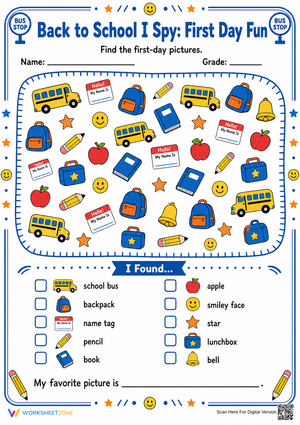
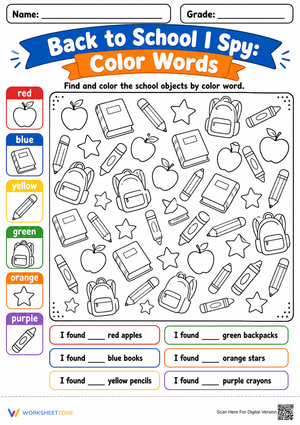
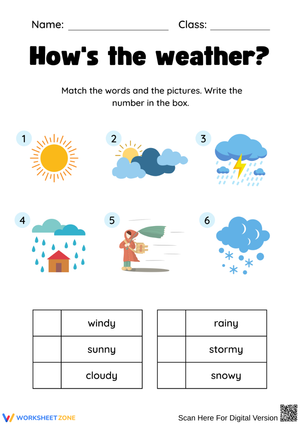
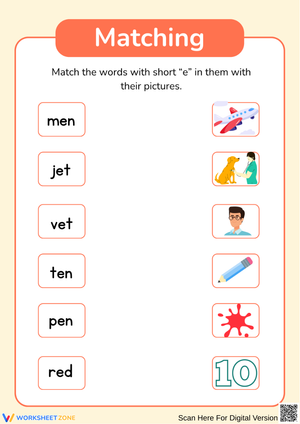
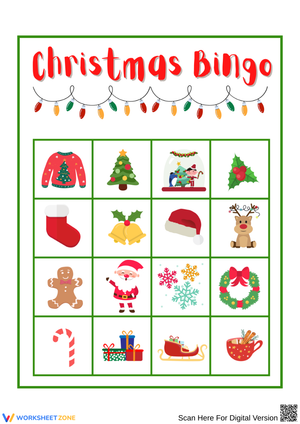
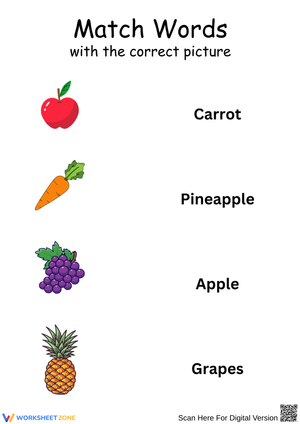
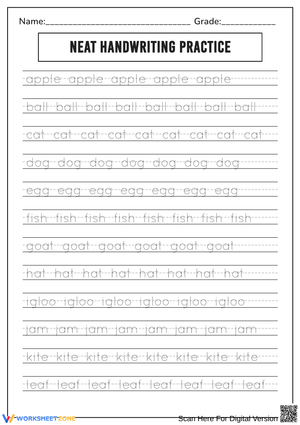
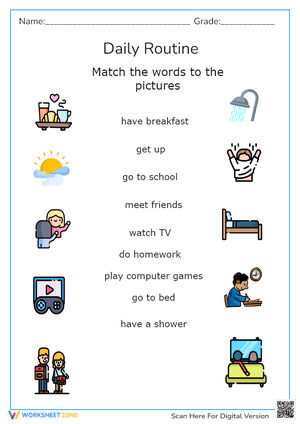
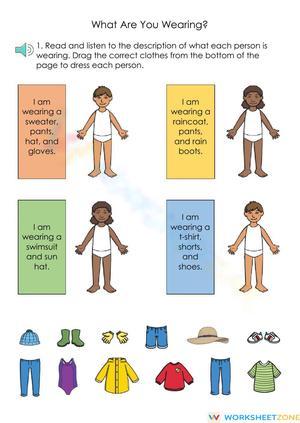
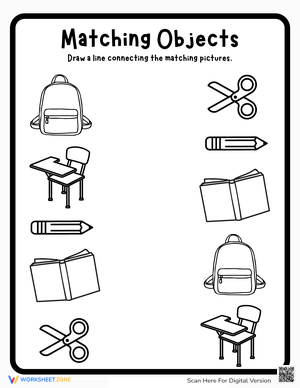
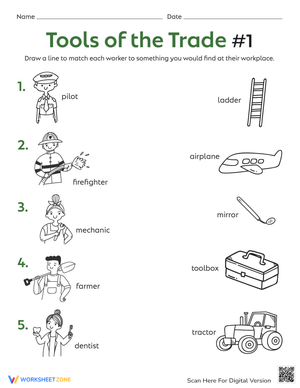
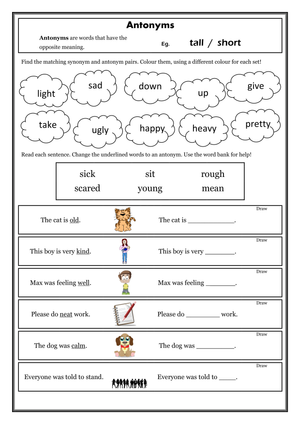
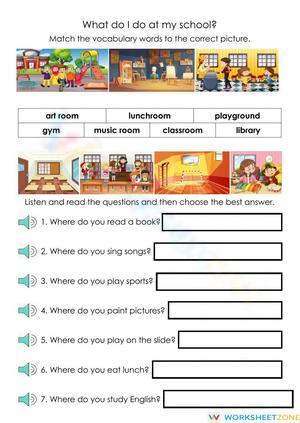
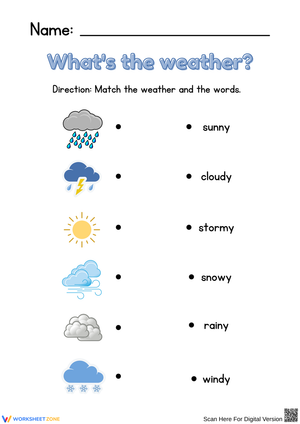
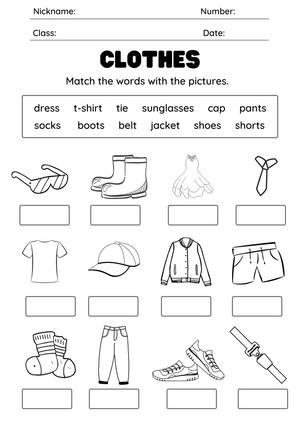
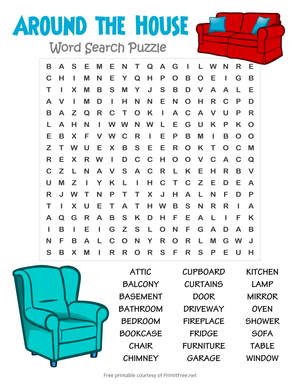
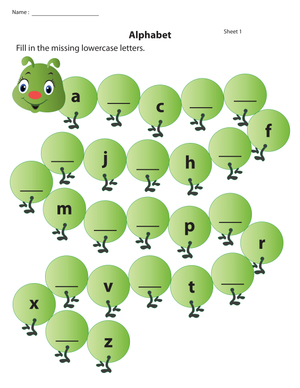
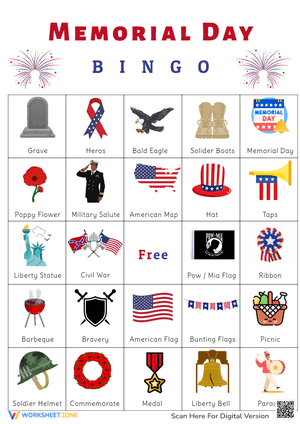
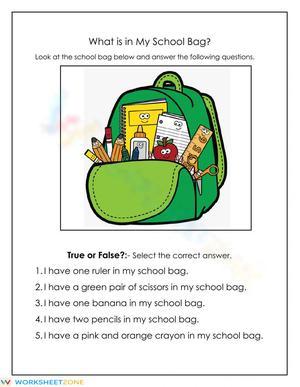
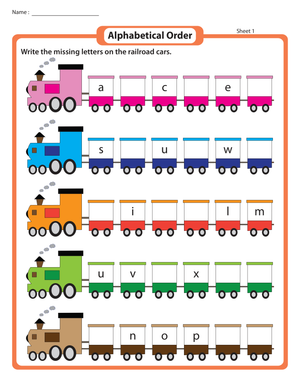
These kindergarten language and vocabulary pdf worksheets give teachers a direct, printable way to address the word-level skills that young learners need before they can read even the simplest decodable texts. The set covers picture-word matching, thematic category sorts, word-tracing, and fill-in-the-blank sentence frames — formats built around the fact that five-year-olds consolidate new words through repeated contact across different tasks, not through a single explanation.
The Specific Skills Each Worksheet Targets
The resources work through four vocabulary strands that kindergarten teachers return to throughout the year:
- High-frequency sight words — words that appear in nearly every early reader. Students trace, copy, and locate them inside simple sentence contexts.
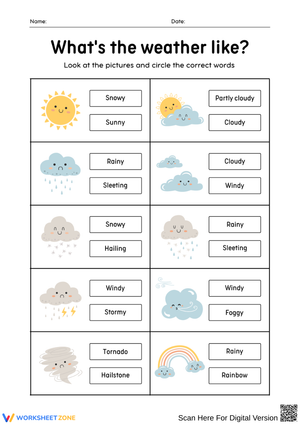
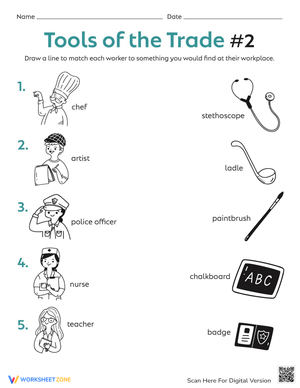
- Nouns organized by theme — people, places, and things from familiar environments: school tools, animals, weather, foods. Thematic groupings give new words a memory hook instead of presenting them in isolation.
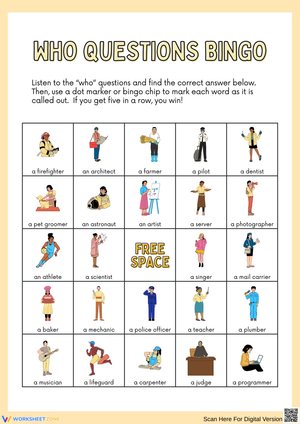
- Action verbs — run, jump, sit, write, help. Each worksheet pairs the printed word with an illustration of someone performing the action, keeping the connection between print and movement concrete.
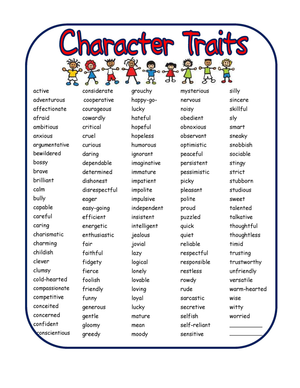
- Describing words — size, color, texture, and feeling words. Students sort and label rather than write definitions, which matches the vocabulary level kindergartners actually operate at.
- Word relationships — opposites and basic category membership. Once a student can reliably place "apple" and "carrot" under a food icon, the mental framework for the next set of food words is already in place.
Each worksheet stays inside one strand. That constraint is intentional. Mixing verb and adjective tasks on the same worksheet splits cognitive attention at an age when students are still working out what a "describing word" even means.
Where Kindergartners Get Stuck on Word Work
In category-sort tasks, the most predictable error involves words that belong to overlapping categories. A student will place "dog" and "rabbit" in the animal column without hesitation, then pause at "goldfish" — not because they don't know what a goldfish is, but because the water association competes with the animal one. Kindergartners haven't yet built the hierarchical understanding that an animal can simultaneously live in water; they've built flat networks of association. These worksheets make that confusion visible, and a brief whole-class conversation after sorting — two minutes, at most — resolves it for most students before the next rotation begins.
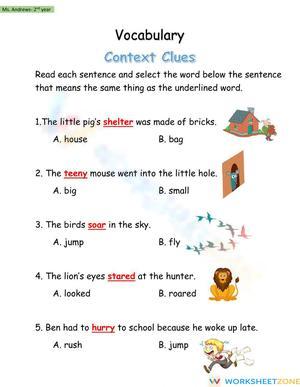
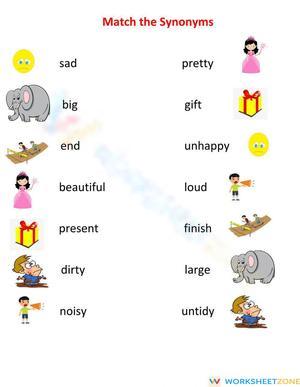
In opposites work, a different confusion appears. Students who've learned antonym pairs by rote — big/small, hot/cold — apply the memorized pattern when they meet new words. Show a student the word tiny for the first time, and some will write big while others write small, uncertain whether the antonym should match the degree of the original word or simply flip the category. That's a conceptual gap, not a word-knowledge gap. The sentence-frame worksheets expose it because students must choose between two plausible answers rather than fill a blank from memory.
Building These Worksheets Into Your Lesson Planning
The strongest placement for a vocabulary worksheet is in the fifteen minutes after a read-aloud, when students have just heard target words used in context and are primed to interact with their printed forms. The read-aloud carries the meaning; the worksheet anchors it on paper. That sequence — hear it, discuss it, write it — is how kindergartners move new words from passive recognition to something more durable.
During center rotations, kindergarten language and vocabulary pdf worksheets function well as independent tasks because the formats are low in text demand. A student who can't yet read written directions can still complete a picture-match or a cut-and-paste sort with minimal support. Reserve the fill-in-the-blank and sentence-frame tasks for students who have several weeks of phonics instruction behind them — those formats assume some decoding ability, and presenting them too early generates frustration rather than productive practice.
Using a word-sort or tracing worksheet consistently on Monday mornings gives the week's vocabulary a reliable anchor point. By Thursday, when the same words appear in the shared reading text, recognition is noticeably faster. That's spaced retrieval operating at a kindergarten-appropriate scale — the same words, returned to in a different context, spread across several days.
Adapting the Resources for a Range of Learners
Kindergarten classrooms routinely include students whose spoken vocabulary spans three or four grade levels in either direction. For students who entered the year with a smaller word base, reducing the print demand helps without abandoning the vocabulary goal. Cover the word bank on a matching worksheet and let those students label pictures using invented spelling — the focus on word meaning stays intact even when the reading demand is removed.
For students ready for a greater challenge, the category-sort worksheets extend easily. After completing the sort, ask those students to write or dictate two additional words of their own for each category. That shifts the task from recognition to recall — a meaningfully harder cognitive demand — and gives you useful formative data at the same time.
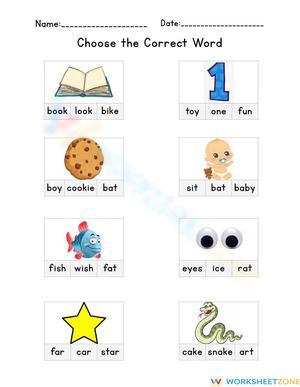
Students who are English language learners make the most consistent gains with thematic worksheets — body parts, classroom objects, seasons — where every printed word has a direct pictorial counterpart. The image anchors the English word even when a student has no prior exposure to the printed form. Several teachers keep a completed thematic worksheet in each ELL student's writing folder as a vocabulary reference card for the remainder of the unit.
Standard Alignment
These kindergarten language and vocabulary pdf worksheets address CCSS.ELA-LITERACY.L.K.4 (determining or clarifying the meaning of unknown words and phrases) and CCSS.ELA-LITERACY.L.K.5 (exploring word relationships and nuances in word meanings, including sorting common objects into categories and identifying real-life connections between words and their use). The L.K.5 standard drives most of the sorting and category-identification tasks in the set — and it's the standard that kindergarten language arts teachers most often cite when explaining vocabulary center time to instructional coaches or curriculum coordinators.
Frequently Asked Questions
How many new vocabulary words should I introduce each week in kindergarten?
Three to five target words per week is the range most kindergarten teachers find workable. That number allows for enough varied exposure — a read-aloud introduction, word wall addition, center practice, and take-home reinforcement — that most students retain the words well enough to use them. Introducing more than five in a single week tends to produce surface-level recognition rather than vocabulary knowledge that transfers into writing or conversation.
Which format works best when I'm pulling a small group?
Fill-in-the-blank sentence frames and opposites tasks are the most productive formats for small-group work because they generate something to discuss. When a student chooses an answer, the follow-up question — "why did you pick that word?" — is where vocabulary learning actually consolidates. These kindergarten language and vocabulary pdf worksheets are built so that nearly every item has a discussable answer, not just a correct one.
Do the picture-based worksheets work for ELL students with very limited English?
Yes. The picture-word matching and thematic-sort worksheets carry most of their meaning through images, which makes them accessible to students at early stages of English acquisition. A brief two-minute preview using actual objects or photographs — before distributing the worksheet — helps students connect the printed English word to a concept they may already have in their home language. That preview removes a barrier without changing the vocabulary target.
Can parents use these at home without extra explanation from me?
The tracing and picture-match formats are self-evident — the visual layout communicates the task without written instructions. The category-sort worksheets benefit from a short note home naming the categories being studied that week, especially early in the year when families aren't yet familiar with the unit vocabulary. A single-sentence parent note alongside the worksheet closes that gap reliably.












 Interactive Worksheet Maker
 Quiz Maker
 Word Search Maker
 Crossword Puzzle Maker
 Word Scramble Generator
 Sentence Scramble Generator
 Handwriting Worksheet Generator
 Name Tracing Generator
 Fill In The Blank Generator