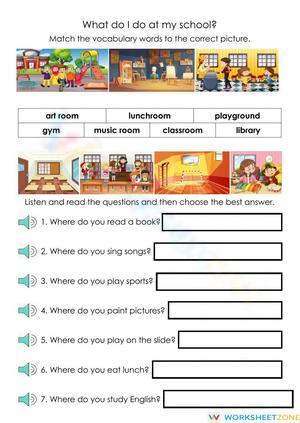
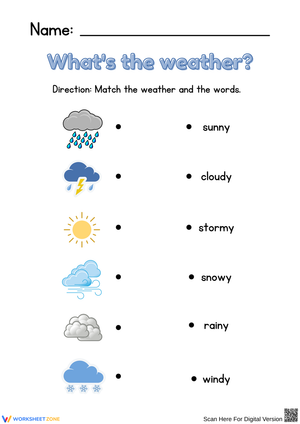
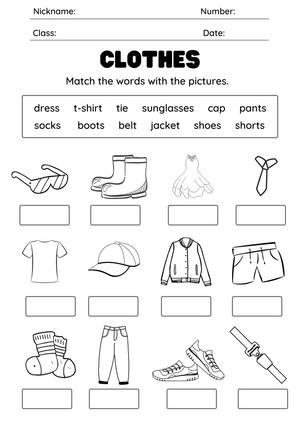
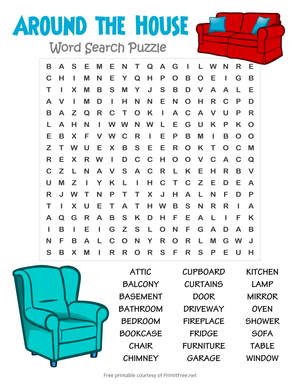
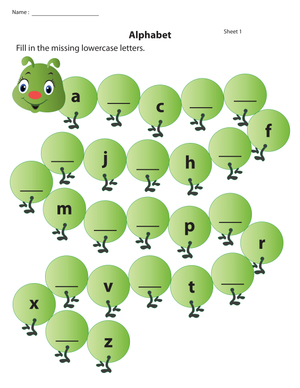
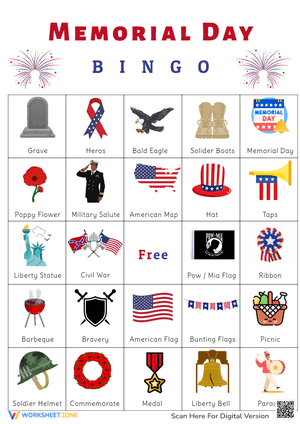
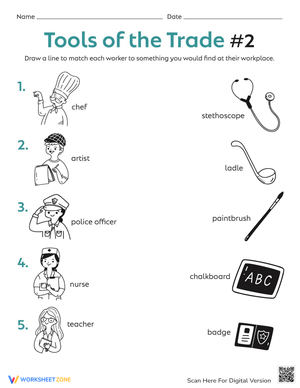
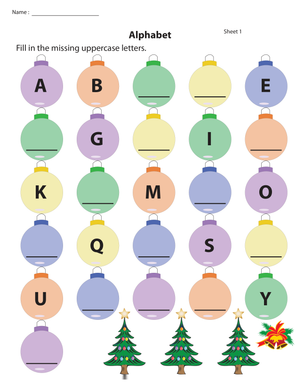
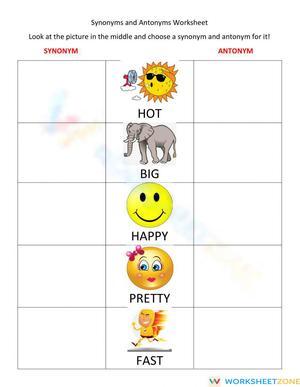
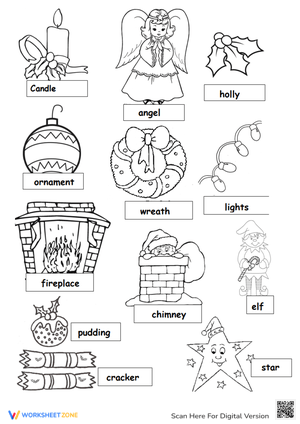
These kindergarten vocabulary printable worksheets connect spoken language to print through short, picture-anchored tasks that fit naturally into the rhythm of a five-year-old's school day. Each worksheet targets a small word set — typically four to eight words built around one classroom theme — so students encounter target vocabulary through matching, tracing, sorting, and labeling rather than through definitions they cannot yet read. Teachers reach for them during morning work, center rotations, and small-group lessons because the tasks take less than two minutes to explain and the visual format carries most of the cognitive load for early learners.
The Specific Skills These Worksheets Build
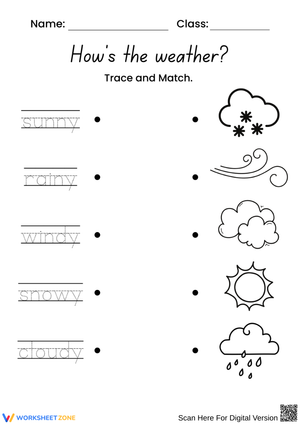
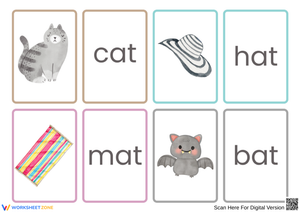
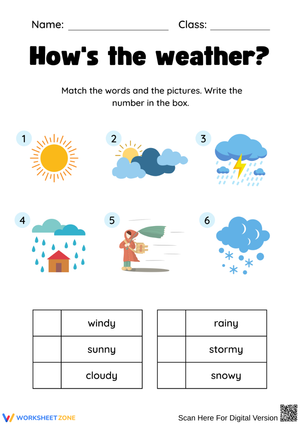
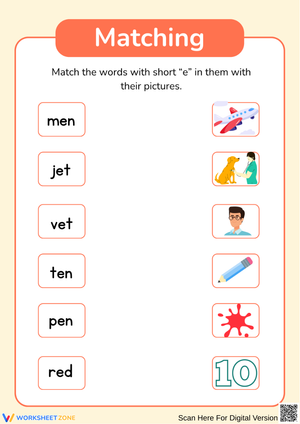
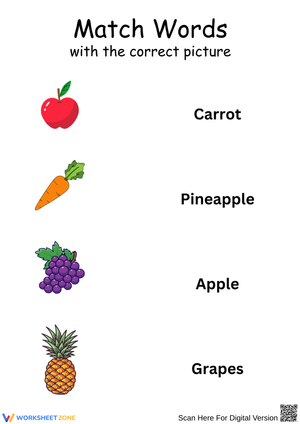
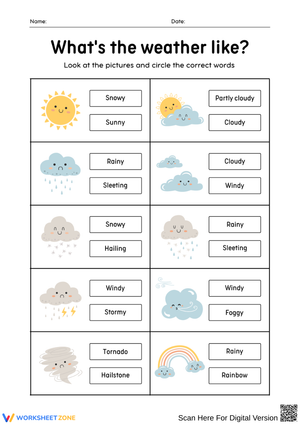
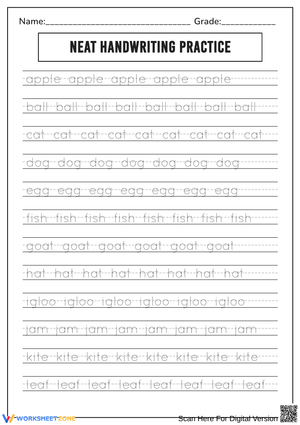
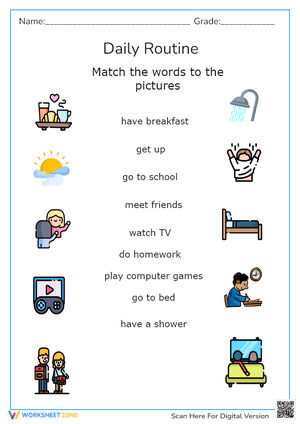
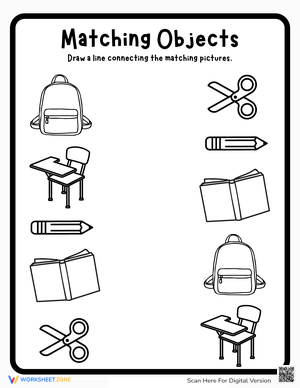
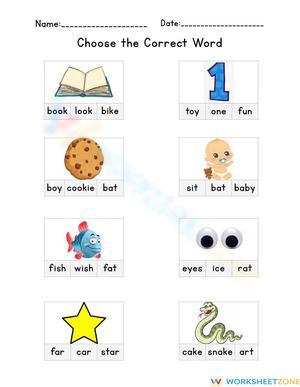
The set spans five core activity formats, each one placing different demands on the same word set. Picture-word matching asks students to identify a printed word and connect it to the right image — this gives you an immediate window into who has locked in the form of a word and who is still guessing by visual association. Trace-and-read worksheets layer letter formation onto word recognition: students say each word aloud, trace it, and point to its matching picture, producing three exposures in one short task. Category-sort worksheets push into word meaning by asking students to place images into groups such as weather words, animal names, or classroom objects, which requires holding a category concept while working through the entire word set.
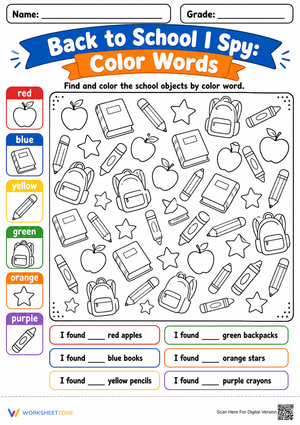
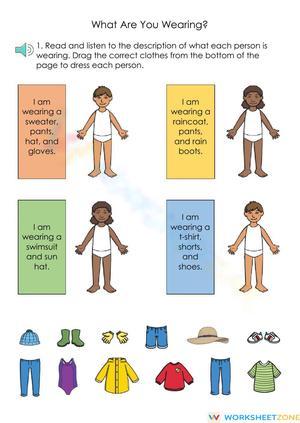
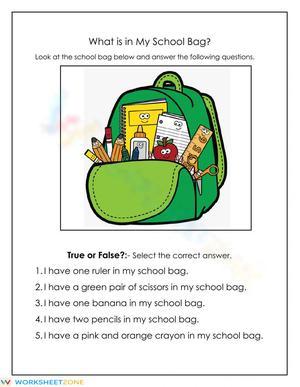
Cut-and-paste worksheets tend to sustain center attention the longest and produce a visible record families understand at a glance. Labeling tasks — where students choose from a small word bank and write or trace the answer under the right picture — add a print-connection step without demanding independent spelling. Coloring-by-word worksheets keep vocabulary exposure active for students not yet ready to write or cut, lowering the fine motor demand while keeping word work in play.
Where These Worksheets Fit in the Teaching Week
A week's worth of kindergarten vocabulary printable worksheets can follow a simple daily progression: oral introduction on Monday, matching on Tuesday, tracing or labeling on Wednesday, category sorting on Thursday, and a coloring-by-word or quick oral review on Friday. That structure spaces the same four to eight words across multiple task types and produces stronger retention than running all the formats in a single sitting.
The worksheet should almost always come second, not first. Introduce words through a brief picture-card sort, a shared read-aloud, or an oral naming game before anyone picks up a pencil. That five-minute spoken rehearsal — students pointing, saying, and hearing each word in a sentence — makes the printed task more accurate and makes your data from it more meaningful. A worksheet completed before any oral introduction tells you whether students could recognize the pictures, not whether they learned the vocabulary.
Within the school day, these worksheets slot into several routines without disrupting flow. Morning work is the most reliable landing spot: a matching or trace-and-read worksheet while students arrive reinforces the week's theme words without requiring teacher presence at every table. In center rotations, familiar formats let children work independently — they already know what "match the picture to the word" means, so their mental effort goes toward the vocabulary itself. In small groups, use the cut-and-paste sort as a conversation tool: complete the first two items together and ask "How do you know that's a weather word?" Repeating that question across the sort builds the habit of explaining word choices, which pays off later in reading comprehension.
Error Patterns That Show Up in Kindergarten Vocabulary Practice
The most predictable matching error at this age is connecting by association rather than by word recognition. A student who has not yet fixed the printed form of a word will look at "cold" and draw a line to a coat because cold and coats belong together in their experience. That mistake signals strong real-world knowledge and a weak connection between the word's meaning and its printed form — which tells you exactly where instruction needs to go next.
A second pattern appears when students know initial letter sounds but not the full word form. "Bat" and "ball" both begin with b, and a child who reads only the first letter will swap them confidently. On trace-and-read worksheets, watch for students who slow down or restart after the first letter — that hesitation marks where their decoding breaks down, and it feeds directly into phonics planning, not just vocabulary.
Category-sort errors deserve careful interpretation. When a student places "butterfly" under flowers because they've only encountered butterflies near flowers in picture books, the problem is background knowledge, not vocabulary instruction. The distinction matters because the responses are different: one calls for more sorting practice, the other calls for more direct experience with explicit category talk before the next worksheet.
Standard Alignment
These worksheets address CCSS.ELA-LITERACY.L.K.5 (Vocabulary Acquisition and Use), particularly the sub-standards asking students to sort common objects into categories and demonstrate understanding of frequently occurring verbs and adjectives. Several formats also connect to CCSS.ELA-LITERACY.RF.K.3 (Phonics and Word Recognition), because matching a printed word to a picture requires students to attend to the word's stable printed form — not just the concept it represents. Both standards land in Kindergarten for a developmental reason: this is the year children begin to understand that words have fixed forms, that print carries stable meaning, and that vocabulary is organized in patterned ways. The worksheet formats here reinforce exactly that conceptual shift.
Using the Set Across the Full Range of Kindergarten Readiness
Kindergarten vocabulary printable worksheets work across a wide developmental range when you change the response type rather than the content. A few targeted adjustments make the same worksheet serve three or four learner profiles without printing separate versions for each group:
- Students not yet writing: Allow pointing, circling, or saying the word aloud instead of tracing or copying.
- Students still building word recognition: Reduce the word bank to two or three choices rather than presenting the full set.
- Students reading ahead: Remove the word bank from labeling worksheets entirely and ask for independent spelling before they check their work.
- English learners: Ask students to identify the picture in their home language first, then produce the English word — this separates vocabulary knowledge from English production and gives a cleaner read of what they actually know.
For students ready to extend their practice, sentence frames add productive challenge without a separate worksheet. After completing a labeling task, ask them to use each word in a frame such as "The _______ is _______ because _______ ." That small addition moves word knowledge from recognition to production and begins the sentence-level vocabulary work that shows up in first grade.
Frequently Asked Questions
How many words should one vocabulary worksheet target at a time?
Four to eight words is the practical range for most Kindergarten students. Fewer than four doesn't give enough variety to make sorting meaningful. More than eight creates a worksheet that looks overwhelming before a child begins. For students who need more repetition, work through a four-word set across two different task formats rather than moving immediately to a larger, unfamiliar word set.
Can these worksheets substitute for oral vocabulary instruction?
No. Kindergarten vocabulary printable worksheets work best as structured follow-up to oral introduction — not as the first time students encounter a word. When the worksheet comes before any spoken work with the vocabulary, error rates rise and the finished product reflects picture-recognition ability more than actual word knowledge.
How should these worksheets be used for take-home practice?
Send matching or trace-and-read worksheets home after the words have been introduced at school. A family member can follow the directions without extra explanation, and students complete them successfully because the vocabulary is already familiar. Cut-and-paste worksheets are better kept at school — scissors and glue in a home setting introduce more variables than vocabulary review needs.
What themes produce the most useful Kindergarten vocabulary worksheets?
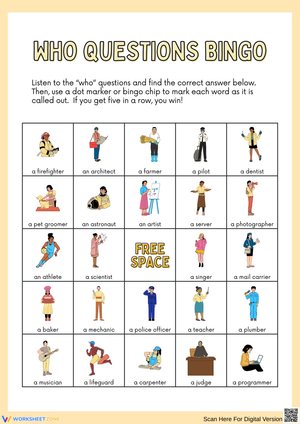
Classroom objects, colors, shapes, weather, animals, family roles, community helpers, and seasonal words appear regularly in read-alouds, morning routines, and science observations. Students hear these words across multiple contexts throughout the week, which is exactly what makes theme-based vocabulary instruction hold at this age — the worksheet reinforces words students are already meeting in other parts of their day.












 Interactive Worksheet Maker
 Quiz Maker
 Word Search Maker
 Crossword Puzzle Maker
 Word Scramble Generator
 Sentence Scramble Generator
 Handwriting Worksheet Generator
 Name Tracing Generator
 Fill In The Blank Generator