What teachers need from kindergarten early literacy worksheets printable packs
Teachers looking for kindergarten early literacy worksheets printable resources usually need more than a stack of pages. They need activities that match beginning reading instruction, can move between whole-group modeling and small-group practice, and are simple to print when the schedule changes. On a busy week, that often means finding pages that support letter recognition, sound work, print awareness, and early writing without adding extra setup.
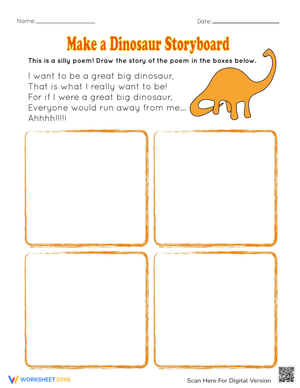
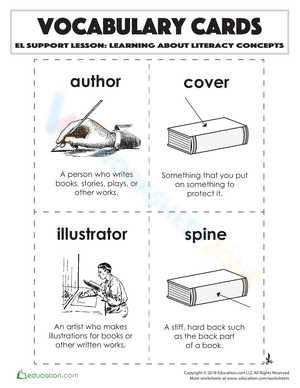
The Worksheetzone collection for kindergarten early literacy fits that classroom reality. Instead of treating early literacy as one skill, printable pages can help teachers organize short, focused practice across several routines: morning work, literacy centers, intervention, and independent review.
Strong printable practice also helps teachers keep instruction visible. A well-chosen page shows exactly what students are asked to notice, say, trace, circle, or write. That makes it easier to check who understands a sound-symbol connection, who can hear rhyme, and who still needs oral practice before pencil work becomes productive.
Which skills should printable kindergarten early literacy worksheets cover?
Early literacy instruction in kindergarten should cover the skills that help children connect spoken language to print. Based on the prefetched research, that includes print awareness, alphabet knowledge, phonological awareness, and early writing. For teachers, the practical question is whether a worksheet gives students meaningful work in one of those areas instead of a task that looks busy but reveals very little.
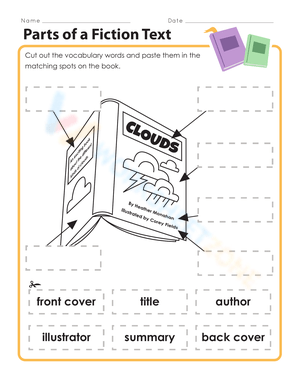
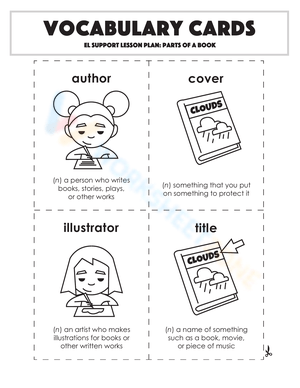
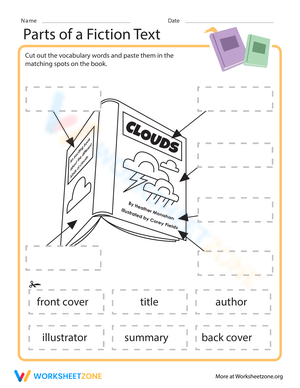
- Print awareness: activities that help students notice words, letters, directionality, spaces, and parts of a book or sentence.
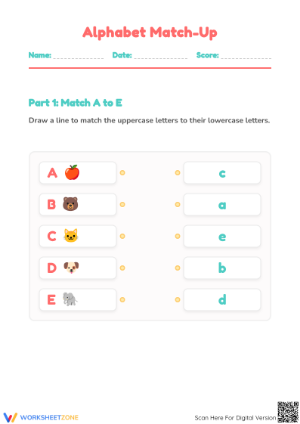
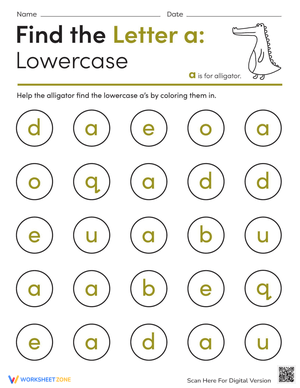
- Alphabet knowledge: identifying uppercase and lowercase letters, matching letters, and connecting each letter to a common sound.
- Phonological awareness: oral and print-linked practice with rhyme, syllables, onset-rime, and individual phonemes.
- Early writing: tracing, labeling, copying words, and short response tasks that let students use letters for meaning.
When teachers choose kindergarten early literacy worksheets printable sets with that range in mind, they avoid overloading one narrow skill. A page on letter tracing has a place, but it works better when it sits beside rhyming, beginning sound sorting, picture-word matching, and simple sentence work.
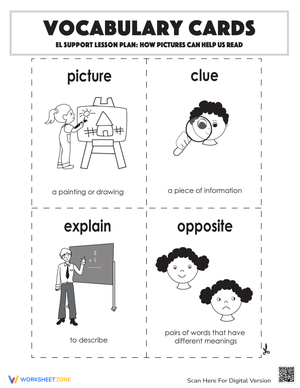
The best sets also reflect the way kindergartners learn. Phonological awareness often begins through listening and speaking before students can show the same skill confidently in print. That means a worksheet should often be the follow-up to teacher modeling, partner talk, counters, picture cards, or a quick sound game, not the entire lesson.
What research suggests about early predictors of reading success
Reading Rockets' summary of the NELP Report highlights five especially strong predictors of later literacy development: alphabet knowledge, phonological awareness, rapid automatic naming of letters or digits, writing or name writing, and phonological memory. That matters for worksheet selection because printable practice should revisit several predictors across the week, not just handwriting alone.
That research-backed lens helps teachers sort resources quickly. If a printable page gives students a chance to hear sounds, connect sounds to letters, and produce some form of writing, it is more likely to support early reading growth than a page that asks for repeated coloring with no literacy decision attached.
Reading Rockets also emphasizes the link between reading and writing basics, which is useful in kindergarten planning. Students learn more when speaking, listening, reading, and writing support one another. In practice, that means printable worksheets work best when they ask students to say the sound, identify the symbol, and then mark or write a response.
What high-quality printable pages look like in daily instruction
Not every printable is worth class time. The most useful pages are clear, short, and tightly matched to one teaching point. For kindergarten, that usually means simple directions, visual support, and enough repetition for confidence without turning the page into a long endurance task.
Teachers can look for a few signals of quality. The page should make the target skill obvious within seconds. The response format should fit what kindergartners can realistically do. Pictures should support the literacy task instead of distracting from it. Most important, the worksheet should reveal student understanding. If a student completes the page, the teacher should be able to tell what the child knows next.
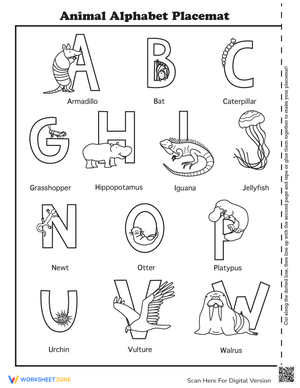
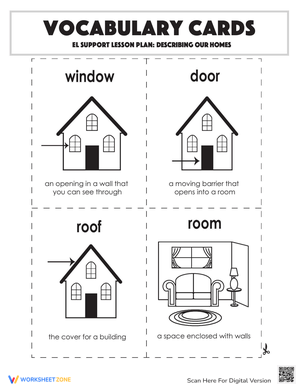
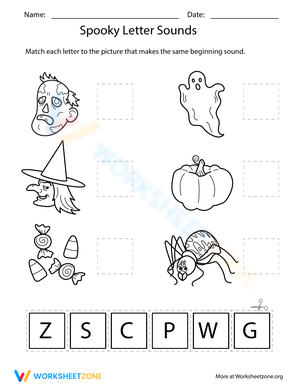
- For letters and sounds: matching pictures to beginning sounds, circling target letters, and choosing between two sound options.
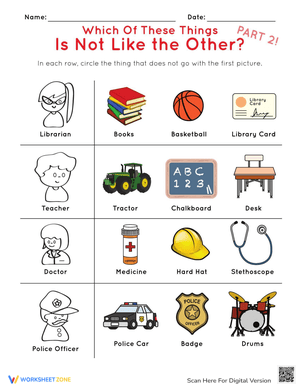
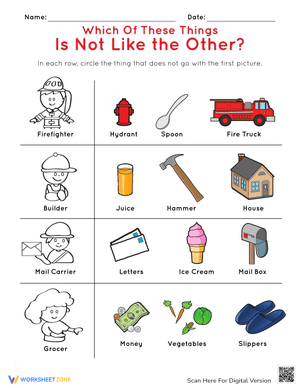
- For rhyme and syllables: sorting pictures, counting beats in words, and identifying which item does not belong.
- For print concepts: pointing to first words, tracking left to right, and noticing spaces between words.
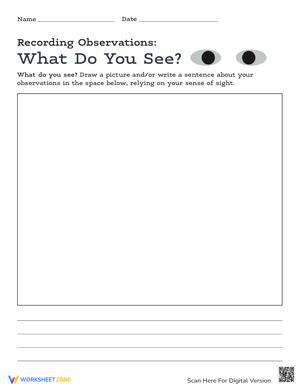
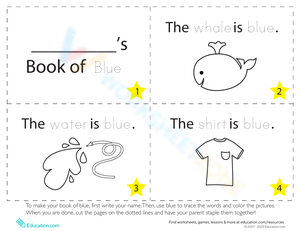
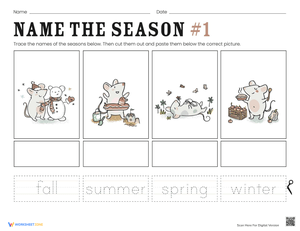
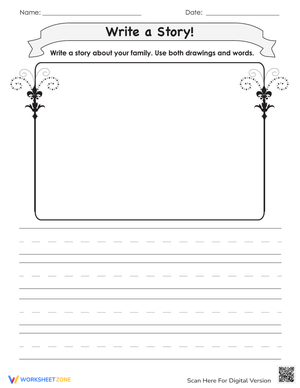
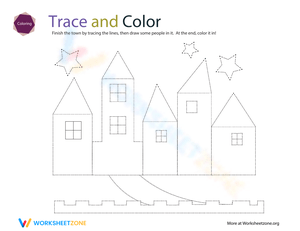
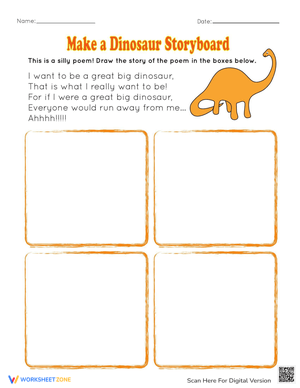
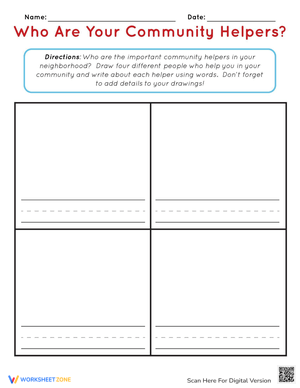
- For emergent writing: tracing with a purpose, labeling pictures, and completing sentence frames with support.
NAEYC's guidance on emergent writing is especially helpful here. Early writing should be treated as meaning-making, not only penmanship practice. So a stronger printable asks students to label, choose a word, or complete a simple idea rather than trace lines with no language goal attached.
Classroom Implementation
Printable worksheets are most effective when teachers assign them to a specific part of the literacy block. In whole-group instruction, a page can become a quick guided practice after a mini-lesson on beginning sounds or rhyme. In centers, the same format can give students familiar independent work while the teacher meets a small group. During intervention, a targeted printable can make one skill visible enough to monitor over several sessions.
A practical weekly setup might use different worksheet types across the block:
- Monday: introduce a letter-sound or phonological target with modeling and one short guided page.
- Tuesday: use a center page for review with picture support.
- Wednesday: pull a small group and reteach using a similar printable with fewer items and more oral rehearsal.
- Thursday: add an emergent writing page that asks students to apply the target in a simple response.
- Friday: use one brief page as a formative check to see who is ready to move on.
This approach keeps printables in service of instruction instead of letting them take over the block. It also reduces prep because teachers can reuse familiar formats while changing only the target letter, sound, rhyme family, or writing prompt.
How to balance worksheets with oral language and hands-on literacy work
Kindergarten literacy instruction should not become paper-heavy. The prefetched research notes that phonological awareness develops through oral language work with rhyme, syllables, onset-rime, and phonemes before and alongside print. That point matters because a student may struggle on a worksheet for reasons that are not about understanding the skill. Fine motor load, attention, or unfamiliar directions can all blur the result.
Teachers can solve that by pairing printable pages with quick oral routines. Before students circle pictures that rhyme, they can say the words aloud with a partner. Before they trace a target letter, they can sky-write it and produce its sound. Before they label a picture, they can rehearse the sentence orally. These small moves keep the worksheet tied to actual literacy learning.
Hands-on materials still have an important place. Magnetic letters, counters, picture cards, and pocket chart sorts often give clearer evidence during first instruction. Then the printable becomes the bridge from concrete practice to independent application. That sequence helps teachers collect clearer work samples.
Using worksheet evidence to guide next steps
One advantage of printable kindergarten early literacy pages is that they leave a record teachers can review later. A short page can show whether a student confuses visually similar letters, hears the first sound but not the last, or copies words accurately without understanding them. Those patterns are useful for planning the next small-group lesson.
Teachers can keep the review process simple. Look at one target per page. Mark whether the student showed accuracy, needed prompting, or seemed unsure about the directions. Across a week, that is enough to separate students who need more oral practice from students who are ready for more complex print work.
When a class set shows the same error pattern, teachers can respond quickly. If many students miss medial sounds, the next lesson may need more oral segmentation before another paper task. If students identify the sound correctly but struggle to form letters, the next step may be shorter writing practice with more modeling and verbal rehearsal.
Frequently Asked Questions
1. What early literacy skills should kindergarten worksheets cover?
The strongest worksheets cover print awareness, alphabet knowledge, phonological awareness, and early writing. A useful set includes more than tracing pages, so teachers can teach letters, sounds, rhyme, syllables, and simple written responses across the week.
2. How do printable worksheets support phonological awareness in kindergarten?
They work best as follow-up practice after oral language routines. Students can clap syllables, say rhymes, or identify sounds aloud first, then use the worksheet to sort pictures, mark answers, or show what they heard in a short independent task.
3. Are early literacy worksheets best for centers, homework, or intervention groups?
They can support all three, but the purpose should change by setting. Centers need familiar formats, homework should stay short and clear, and intervention pages should focus tightly on one skill the teacher wants to monitor over time.
4. How can teachers use printables without replacing hands-on literacy instruction?
Use the printable after read-aloud discussion, sound games, manipulatives, or guided modeling. That sequence lets students rehearse the skill orally and concretely first, then apply it on paper in a way that gives the teacher a clear record of learning.