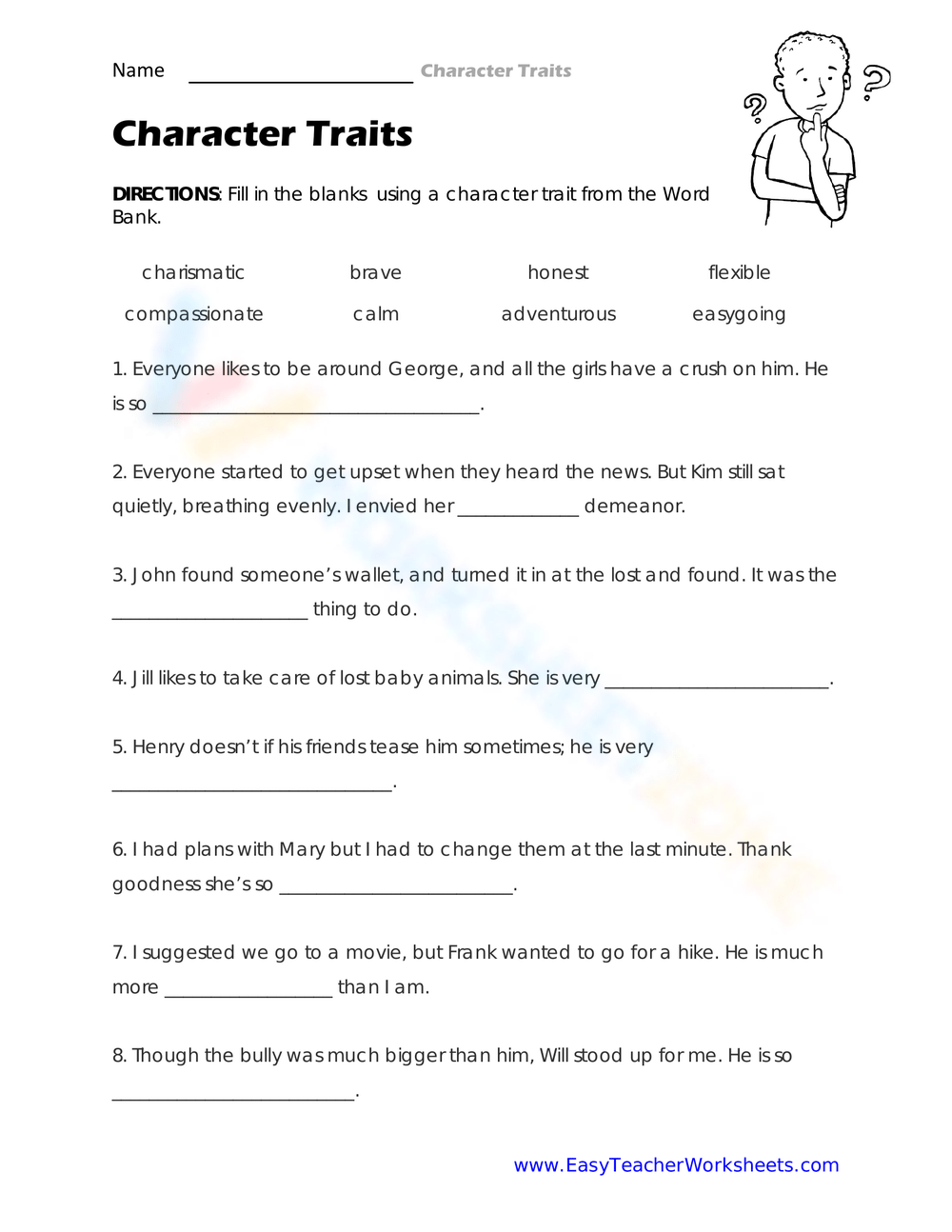
Grade 9 other literary worksheets help students handle the more subtle parts of literature study that become important in high school. By ninth grade, learners are expected to move beyond basic plot summary and begin analyzing language, structure, tone, symbolism, theme, and author’s purpose. These worksheets give students a focused way to practice the smaller but essential skills that support deeper literary interpretation.
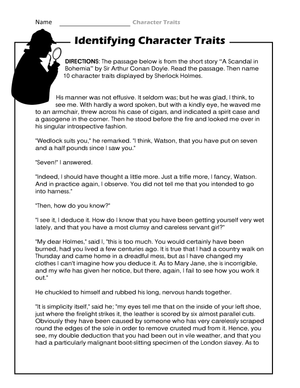
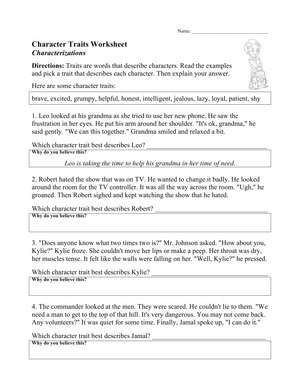
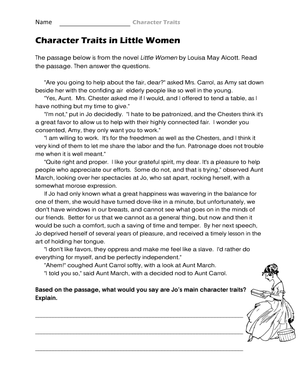
A ninth-grade text often asks readers to notice more than what happens on the page. A single line of dialogue may reveal character motivation. A repeated image may point to a theme. A shift in tone may change how readers understand the speaker or narrator. Other literary worksheets can guide students through these moments by asking them to annotate passages, explain word choice, analyze quotations, identify patterns, and support claims with evidence from the text.
Strong literary analysis also depends on discussion-worthy language. Teachers can use best literary quotes to introduce short, meaningful excerpts that students can unpack in class. A quote-based activity might ask students to identify the speaker, explain the meaning, connect the line to a theme, or write a short response about why the words matter. This type of focused practice helps students build confidence before working with longer passages or full essays.
Close reading is another major skill for ninth graders. Students need to slow down, reread carefully, mark important details, and explain how specific words or structures create meaning. Instead of reading quickly for plot alone, they learn to ask: Why did the author choose this word? What does this image suggest? How does this sentence affect the mood? Teachers can use close reading strategies to help students approach challenging texts with more purpose and independence.
Grade 9 other literary worksheets are useful during literature units, poetry lessons, short story analysis, novel studies, small-group work, and writing preparation. They help students strengthen interpretation, evidence use, vocabulary, annotation, and critical thinking. With consistent practice, ninth graders can become more thoughtful readers who understand not only what a text says, but how literary choices shape meaning.
Frequently Asked Questions
Question 1: What skills are covered in grade 9 other literary worksheets?
Grade 9 other literary worksheets may cover close reading, quote analysis, symbolism, tone, mood, theme development, figurative language, author’s word choice, inference, annotation, and evidence-based responses. These skills help students move beyond simple comprehension and toward literary analysis. They are especially useful for preparing students to discuss complex texts, write analytical paragraphs, and support their interpretations with specific textual evidence.
Question 2: Why are literary analysis skills important in 9th grade?
Literary analysis skills are important in 9th grade because students are entering a stage where reading tasks become more abstract and evidence-based. They are expected to explain how authors create meaning, not just retell what happened. These skills support high school English success, including essay writing, class discussion, poetry analysis, novel study, and standardized reading tasks. Strong literary analysis also helps students become more thoughtful and independent readers.
Question 3: How can teachers use other literary worksheets in class?
Teachers can use these worksheets as warm-ups, close reading guides, literature circle tasks, small-group activities, homework review, or essay preparation. For example, students might analyze one quote before a class discussion, annotate a short passage before writing a paragraph, or identify tone shifts in a poem. These worksheets work best when paired with meaningful texts and follow-up discussion, so students can explain their thinking aloud before developing written responses.
Question 4: How do these worksheets support stronger writing?
These worksheets support stronger writing by helping students organize their ideas before they begin a full response or essay. When students practice identifying evidence, explaining quotes, and connecting details to a theme, they become better prepared to write analytical paragraphs. Over time, they learn how to move from observation to interpretation, which is one of the most important skills in high school literature writing.












 Interactive Worksheet Maker
 Quiz Maker
 Word Search Maker
 Crossword Puzzle Maker
 Word Scramble Generator
 Sentence Scramble Generator
 Handwriting Worksheet Generator
 Name Tracing Generator
 Fill In The Blank Generator