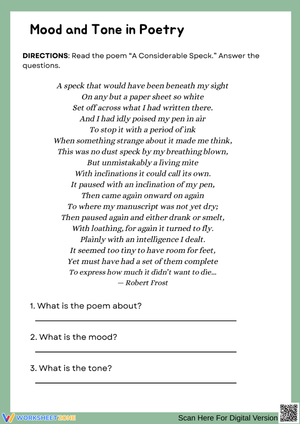
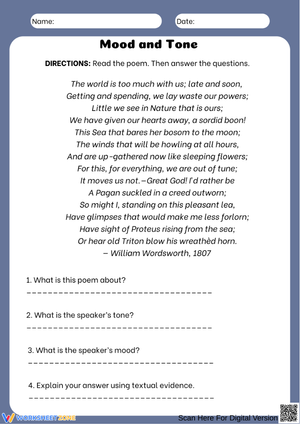
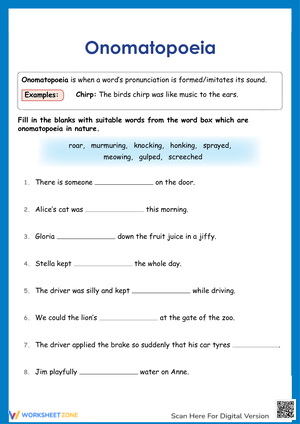
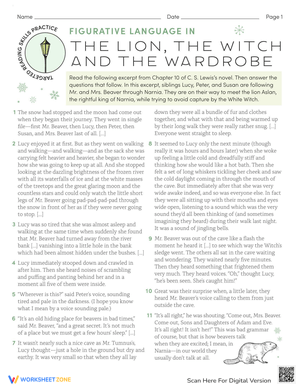
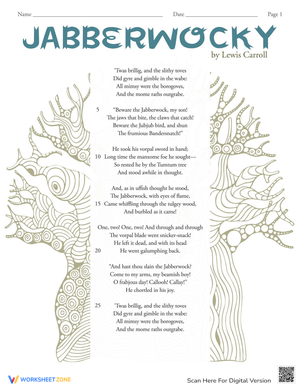
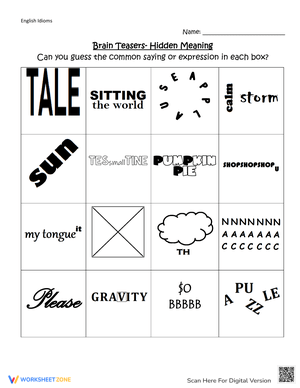
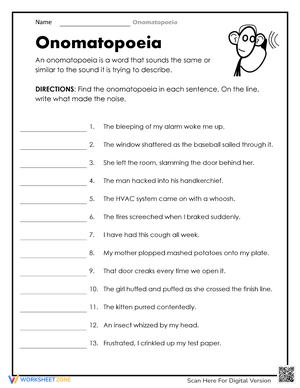
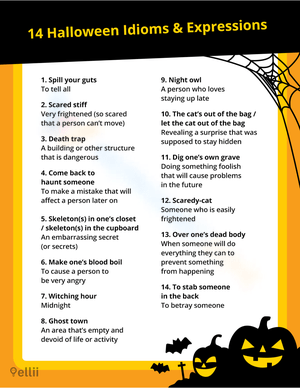
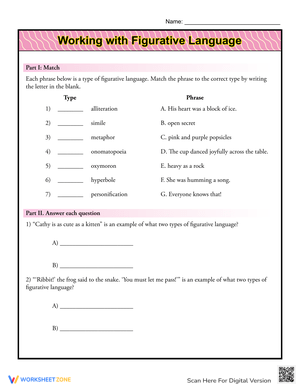
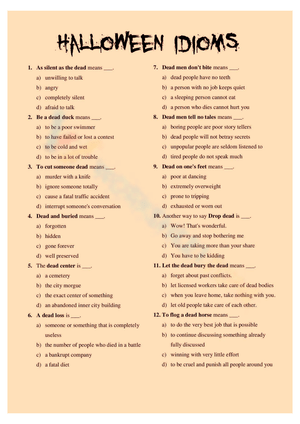
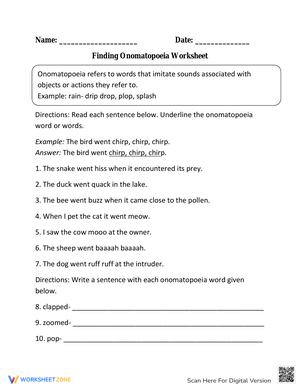
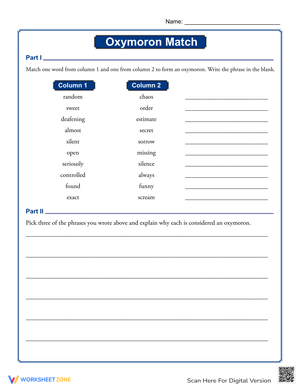
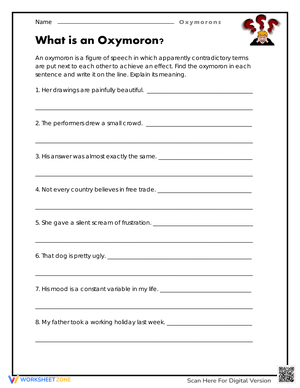
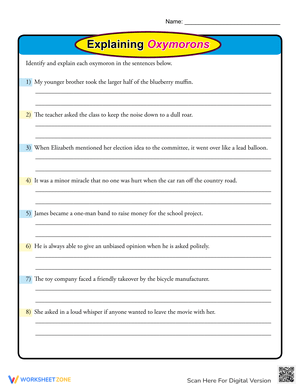
These 8th grade figurative language worksheets resources give teachers ready-made practice that moves students beyond simple labeling into the contextual analysis that actually matters at this grade level. Naming a metaphor is the easy part; explaining what that metaphor contributes to the tone of a passage is where eighth graders consistently stall, and these worksheets address both tasks in sequence.
What Students Practice Across the Set
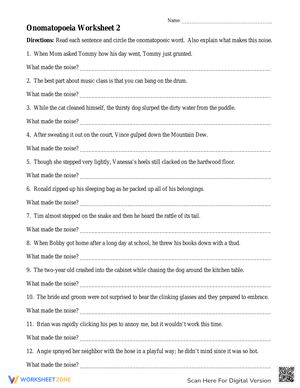
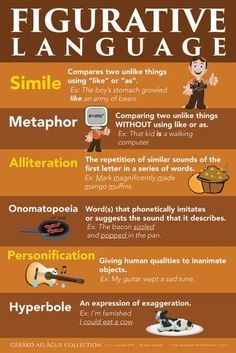
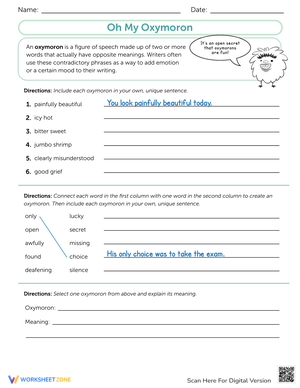
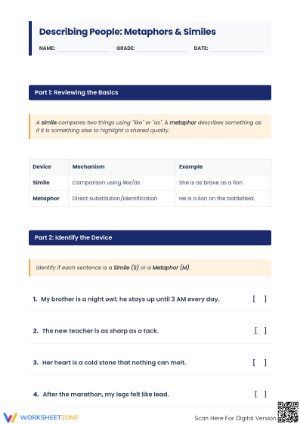
At eighth grade, the device list typically includes simile, metaphor, personification, hyperbole, idiom, allusion, irony, and onomatopoeia — but what separates effective Grade 8 practice from earlier-grade review is task depth. Each worksheet moves students through at least two task types: identify the device, interpret what it means in literal terms, and often write a sentence about how it shapes tone or mood. That three-part sequence mirrors what state ELA passage-based assessments ask students to do. A well-organized 8th grade figurative language worksheets collection keeps single-device worksheets separate from mixed-review ones, which makes pulling the right practice for any lesson straightforward.
- Identifying named figurative language devices in sentences and short passages
- Restating figurative expressions in literal terms
- Explaining how a specific device creates tone, mood, emphasis, or imagery
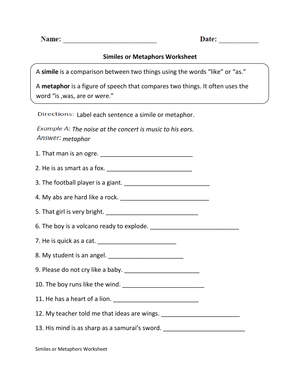
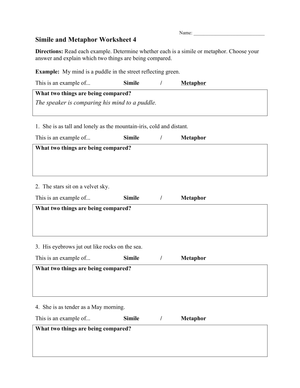
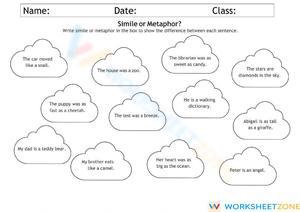
- Distinguishing between commonly confused devices — simile versus metaphor, hyperbole versus a strong literal statement
- Writing original sentences using a target device with a stated purpose
Single-device worksheets belong in introductory lessons; mixed-skill worksheets belong in spiral practice and pre-assessment review. Having both in the set means teachers don't need to choose one or the other for the unit — each type has a different job.
How to Work These Worksheets Into Your Week
Eighth grade ELA moves fast, and figurative language instruction often gets compressed into a poetry unit or a two-day literary elements review before assessments begin. Having worksheets ready lets teachers revisit the skill without rebuilding a lesson — one follow-up worksheet after a class discussion of a short poem takes 15 minutes and consolidates more than another teacher explanation would.
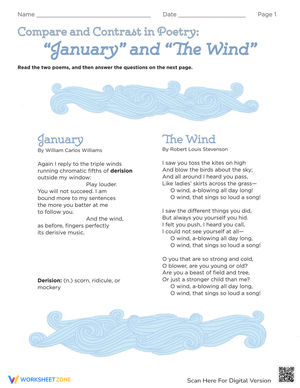
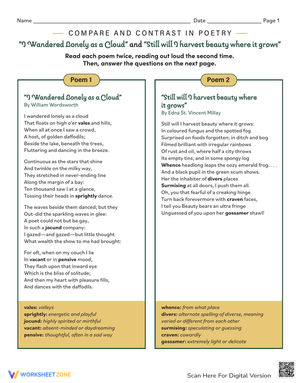
The most effective classroom use pairs a worksheet directly with something students have already read. After a whole-class poem analysis, a focused identification-and-effect worksheet gives students a structured way to transfer the discussion into writing. Students who said something useful aloud during conversation often struggle to write the same idea down; the explicit task structure makes that transfer more reliable.
These also work well as Monday warm-ups during a fiction or nonfiction unit — five or six items, students write for eight minutes, then two or three responses get discussed aloud. That routine reinforces analytical vocabulary without consuming the lesson period, and it keeps figurative language from disappearing from the curriculum the week after the poetry unit ends.
Mistakes Students Make That These Worksheets Help You Catch
The most consistent error is confusing identification with interpretation. A student who writes "this is a metaphor — it compares the storm to a monster" has answered a labeling question well enough. Ask what the comparison suggests about the narrator's emotional state, and that same student writes "it makes the storm sound scary" and stops. That answer restates the comparison without naming what it actually does — builds dread, signals loss of control, shifts tone toward the menacing — and it's the answer pattern teachers see repeatedly in eighth grade written responses.
Irony is its own category of trouble. Many students have absorbed the word from casual conversation, where it often means little more than "surprising" or "unfortunate." When a passage-based item asks them to explain what makes something ironic, they describe what happened without identifying the gap between what was expected and what occurred. That gap is the definition. A worksheet that asks students to write out both the expectation and the outcome — separately — gives them a thinking structure that generic prompts don't provide.
Allusion questions shift the challenge to background knowledge. A student who doesn't recognize a reference to Greek mythology or a well-known historical speech simply has no analytical entry point — they guess or leave it blank. Before assigning allusion worksheets, a quick review of the specific reference the worksheet uses prevents the task from turning into a trivia question rather than a skill exercise.
Standard Alignment
CCSS.ELA-LITERACY.RL.8.4 asks students to determine the meaning of words and phrases as they are used in a text — including figurative and connotative meanings — and to analyze how specific word choices affect meaning and tone. CCSS.ELA-LITERACY.L.8.5 covers figurative language, word relationships, and nuances in meaning as a language standard. Most Grade 8 teachers address RL.8.4 inside reading lessons and L.8.5 during vocabulary and writing work; these worksheets fit both contexts because the task types shift from reading analysis to original writing and back across the set.
Both standards are Grade 8 anchors in Common Core-aligned and Common Core-adjacent state frameworks, meaning students are assessed on them — not just introduced to them. That's the reason worksheet practice at multiple points across the year is more useful than a single end-of-unit review. The skill recurs throughout every passage-based section of a state ELA test, not just once.
Adapting These Worksheets for a Range of Learners
For students still building confidence with the basics, two adjustments make a real difference. First, reduce the number of devices in play at once. A student who still confuses simile and metaphor benefits more from a focused single-device worksheet than from a mixed-skill one that requires holding multiple definitions in mind simultaneously. Second, delay the written-effect task until identification and literal meaning are both solid. The effect question — explaining what the device adds to tone or mood — carries the most cognitive weight, and pushing it before the earlier steps are secure causes students to shut down rather than think.
On-level students handle mixed-skill worksheets well when the reading passages are appropriately short. Six to eight items across device types, with at least one effect question that requires a complete sentence, reflects what grade-level reading tasks look like and gives teachers useful formative information about where the gaps remain.
For students ready for deeper challenge, passage-based worksheets with open-ended effect questions push the thinking further. A strong extension task is asking students to revise a flat, literal sentence into a figurative one using a named device — then write one or two sentences explaining what the revision adds that the original didn't have. That kind of task asks students to reason about craft, not just comprehend it. The 8th grade figurative language worksheets resources in this set work across all three tiers because the task structure, not the content, is what changes between levels.
Frequently Asked Questions
Which figurative language devices come up most often on 8th grade assessments?
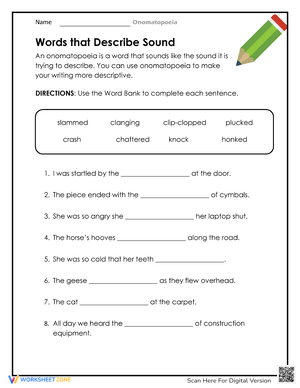
Simile, metaphor, personification, hyperbole, irony, and allusion appear most frequently in passage-based assessment items at this level. Idiom and onomatopoeia show up in vocabulary and context questions. The consistent assessment expectation across all of them is explaining effect — what the device contributes to meaning or tone — not just identifying which type it is.
Do these worksheets work for sub days?
They do. The task directions are self-contained, students complete each worksheet independently, and an answer key means the substitute doesn't need ELA content knowledge to manage the activity. Identification-and-meaning worksheets work especially well in this context because the task is concrete and the outcome is clear without additional explanation from the teacher.
How does this set support state ELA assessment preparation?
Using an 8th grade figurative language worksheets set in the weeks before a benchmark test gives students repeated exposure to the specific response pattern those assessments require: locate the device, explain what it means in context, connect it to the passage. That sequence rarely feels natural the first time students attempt it. Repeated practice across different texts and devices builds the response fluency that holds up under test conditions.
Do these worksheets fit small-group instruction?
Yes, and they often work better in small groups than in whole-class settings. A focused six-item worksheet gives a teacher enough material to observe student thinking, ask follow-up questions about one or two items, and address misconceptions in real time — all without the session running long. The answer key supports self-checking at the end, which frees the teacher to use discussion time rather than correction time.












 Interactive Worksheet Maker
 Quiz Maker
 Word Search Maker
 Crossword Puzzle Maker
 Word Scramble Generator
 Sentence Scramble Generator
 Handwriting Worksheet Generator
 Name Tracing Generator
 Fill In The Blank Generator