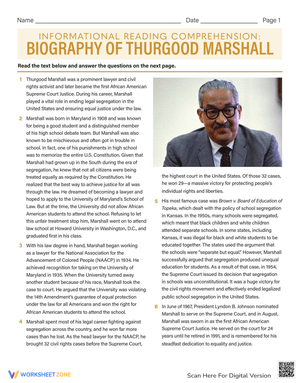
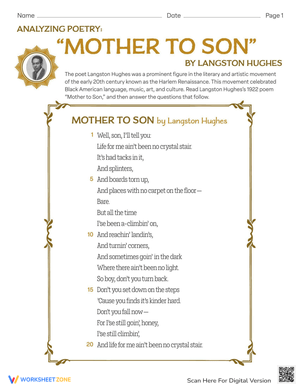
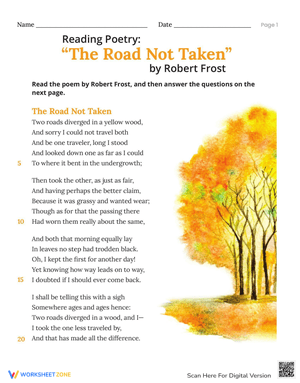
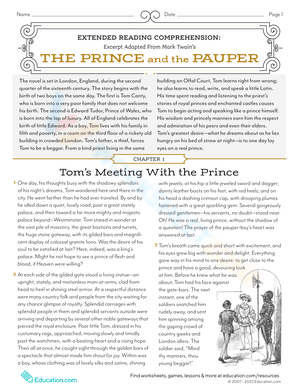
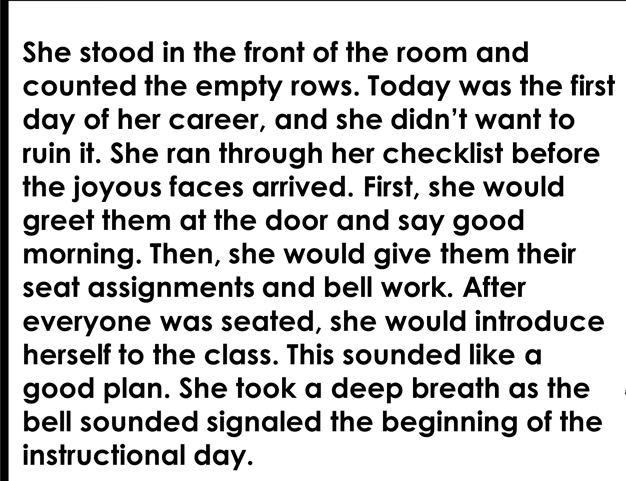
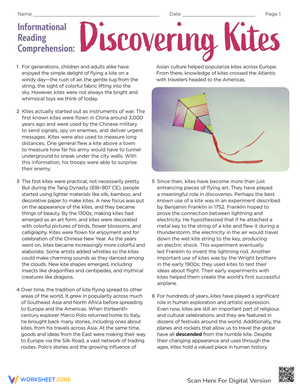
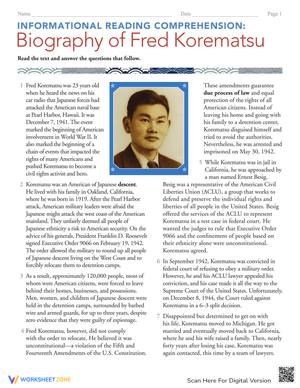
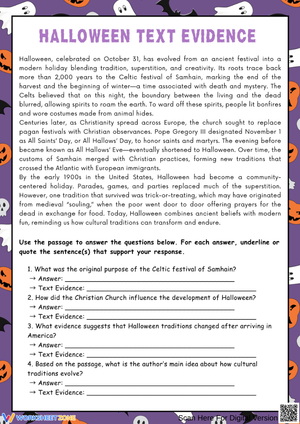
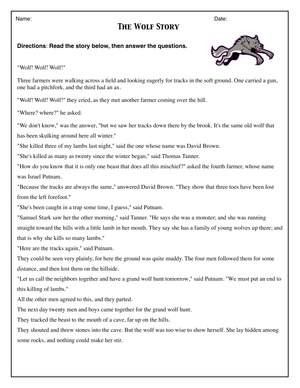
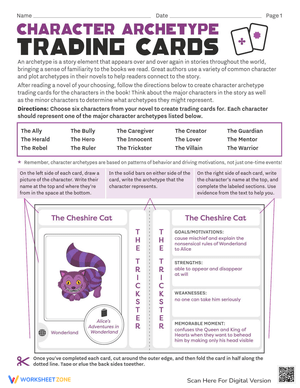
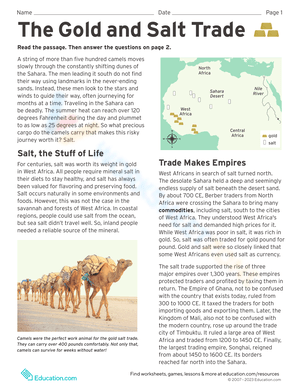
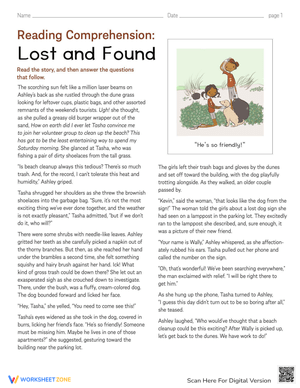
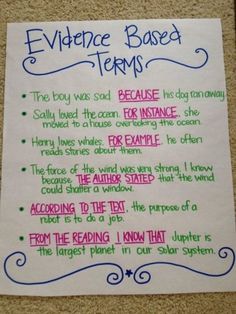
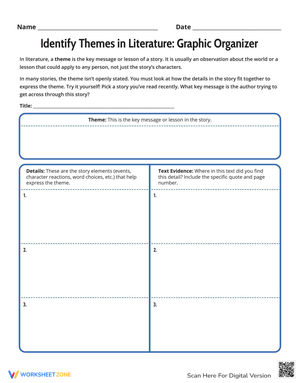
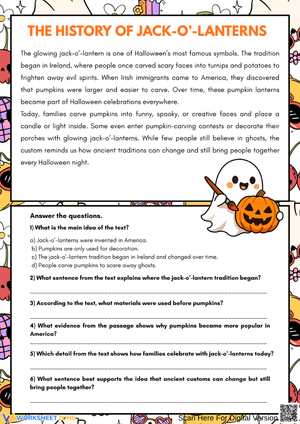
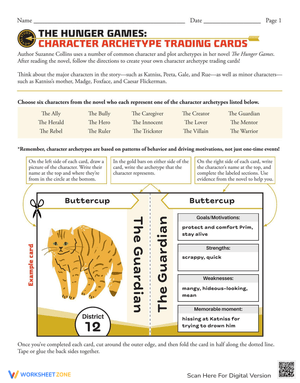
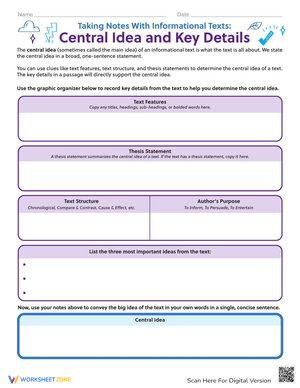
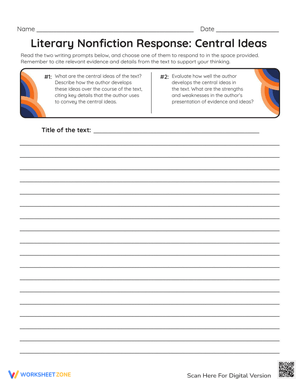
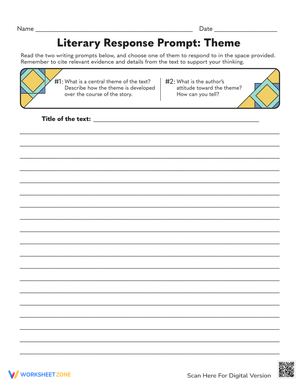
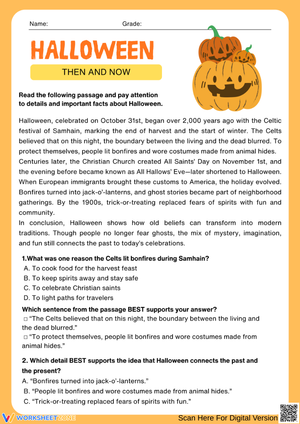
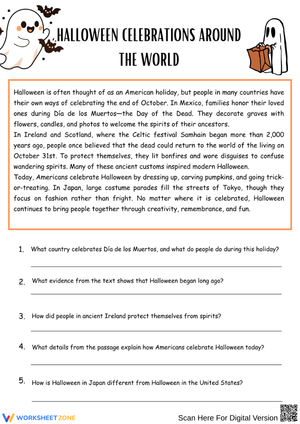
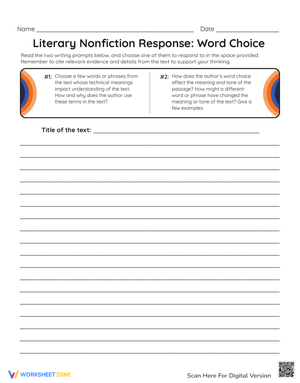
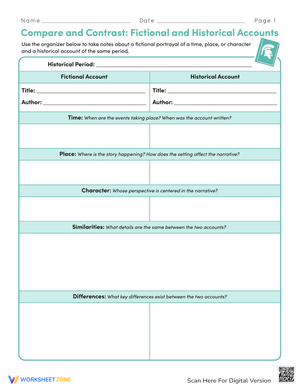
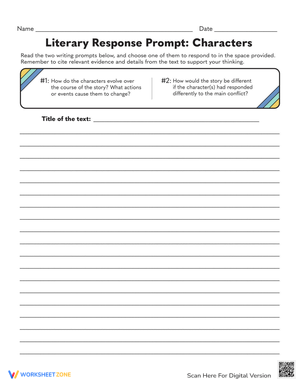
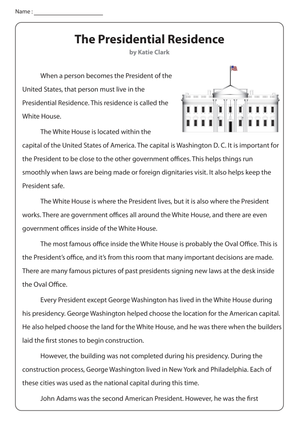
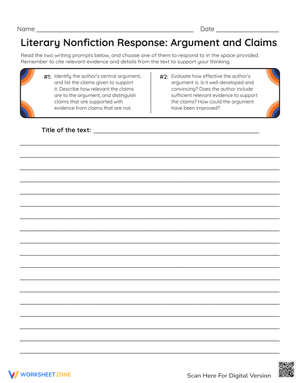
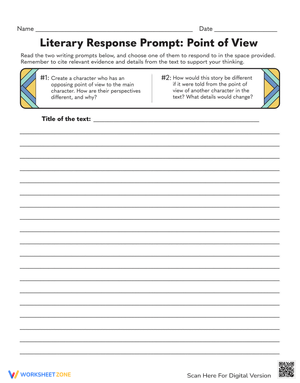
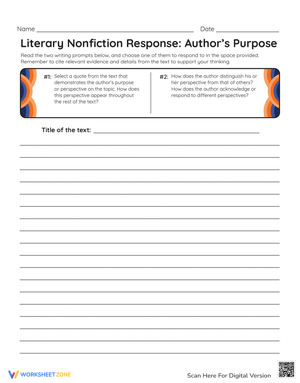
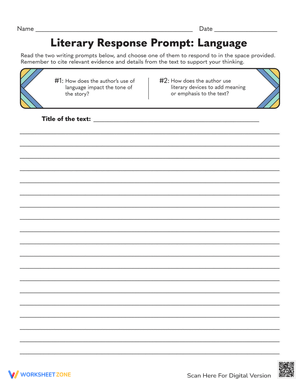
These 7th grade text evidence printable worksheets resources target the specific reasoning step that most middle school readers struggle with: not finding a supporting detail, but explaining why that detail actually proves the point. Each worksheet pairs a grade-appropriate passage with a structured response format that asks students to state a claim, select support from the text, and justify the connection in their own words. The set covers both literary and informational text types, so teachers can use it across the full range of reading work 7th graders encounter through the year.
The Specific Skills Each Worksheet Targets
By 7th grade, students have had some exposure to text evidence through earlier grades — but the demand shifts considerably. In 5th and 6th grade, the task is often "find one detail that supports your answer." In 7th grade, CCSS standards RL.7.1 and RI.7.1 require students to cite several pieces of evidence, distinguish between what the text states explicitly and what requires inference, and support analysis rather than identification alone. These worksheets address that full range of demands.
Across the set, students practice the following evidence-based reading skills:
- Reading a question closely to determine whether it asks for an explicit detail, an inference, a theme, or an author's purpose — because the type of question determines what counts as strong evidence.
- Selecting from multiple valid options rather than grabbing the first relevant line. Passages are dense enough to give students a genuine choice between stronger and weaker support.
- Quoting accurately with a brief phrase, not a block of sentences, and paraphrasing surrounding context when the relevant detail is embedded in a longer explanation.
- Writing an explanation — the third step in the answer-evidence-explanation sequence — that names the logical connection instead of simply restating the evidence a second time.
- Working across text types: literary passages covering character motivation, theme, conflict, and tone; informational passages covering central idea, author's claim, and evidence versus example.
Mistakes Students Make That These Worksheets Surface
The most predictable pattern in 7th grade evidence responses is what teachers sometimes call "drive-by quoting": the student copies a large chunk of the passage, adds no explanation, and assumes the evidence speaks for itself. A response might read: "The author writes, 'Despite the flooding, the workers continued repairing the dam for three more days without rest.' This shows the answer." The evidence is accurate and relevant, but the explanation — the part that actually demonstrates comprehension — is completely absent. These worksheets address that pattern by separating the citation step from the explanation step, giving each its own labeled space and prompt on the page.
A second common error is choosing evidence that is related to the topic but does not directly support the specific claim. Students who correctly identify that a passage is about perseverance will sometimes pull a line about setting or time rather than the character's actions or stated feelings. Including a prompt such as Find a detail that proves your answer, not just one that fits the general topic trains students to evaluate their evidence choices rather than settle for the first match they locate.
Paraphrasing also trips students up in a specific way: many will copy a sentence almost word-for-word, swap two words, and call it a paraphrase. When worksheets require both a short quoted phrase and a separate paraphrased detail in the same response — as the 7th grade text evidence printable worksheets resources in this set do — students have to actually process the meaning of the text rather than transcribe it.
Building These Worksheets Into Your Weekly ELA Routine
The most practical entry point for 7th grade text evidence printable worksheets resources is the bell ringer slot — the 5 to 8 minutes before whole-group instruction starts. A short paragraph and one focused question gets students reading and reasoning from the first moment of class. After direct instruction, a worksheet with a longer passage and two or three short-response items gives students immediate practice that reflects the skill they just studied.
For sub plans, each worksheet provides a self-contained task with a complete passage, numbered directions, and lined response space — no complex setup required. The written responses give the returning teacher an immediate look at what students retained. For students who finish early, an extension prompt built into the format — such as "identify a second piece of evidence and explain which one more strongly supports the claim and why" — maintains the thinking demand without extra preparation on the teacher's part.
One classroom structure worth establishing early in the year is the three-part response: state the answer, cite support, explain the connection. Once students have language for each step and see the format on the worksheet itself, it becomes a thinking routine rather than a task to decode. By mid-year, students who have practiced this structure regularly begin applying it in discussions, not just in written work. Spaced retrieval matters here — returning to the same evidence-based format across weeks, rather than practicing it once and moving on, is what builds the habit.
Standard Alignment
These worksheets align to CCSS ELA-Literacy RL.7.1 and RI.7.1, both of which require students to cite several pieces of textual evidence to support analysis of what the text says explicitly as well as inferences drawn from the text. RL.7.1 applies to literary texts; RI.7.1 applies to informational and argumentative texts. The set addresses both because 7th grade ELA instruction moves across both text types throughout the year, and students are assessed on evidence-based responses in literary analysis and nonfiction reading tasks alike.
These standards sit at a meaningful point in the vertical progression. The 6th grade anchor asks students to support analysis with evidence; the 8th grade version adds the expectation that students acknowledge when evidence is insufficient or absent. The 7th grade standard bridges those two demands — which is why the worksheets emphasize evidence selection, asking students to decide which detail is strongest rather than simply whether a detail exists at all.
Adjusting the Set for a Range of Readiness Levels
For students who struggle with written production, the barrier is rarely the reading — it is the transition from identifying evidence to articulating why it matters. A sentence-level stem (This detail proves my answer because...) shifts cognitive attention toward reasoning rather than sentence construction. Teachers can also ask these students to underline one specific line before writing anything, making the selection step visible and concrete before the explanation begins.
Students who over-rely on copying benefit from a constraint built directly into the task: require one quoted phrase — no longer than one clause — paired with a separate paraphrased detail. That limit forces them to decide which few words carry the most meaning rather than transcribing full sentences and hoping for credit.
For students ready for a deeper challenge, each worksheet extends naturally by asking them to evaluate competing evidence: You found two relevant details — which is stronger support for the claim, and what makes the other less convincing? That comparison demands genuine analytical thinking and mirrors the kind of reasoning that carries into longer literary essays. Teachers working with 7th grade text evidence printable worksheets materials across a mixed-readiness class can apply tiered expectations to the same resource rather than managing entirely different materials for each group.
Frequently Asked Questions
How many pieces of evidence should 7th graders cite in a single response?
For short constructed responses of three to five sentences, one or two well-chosen pieces of evidence with full explanations outperform a list of three poorly explained details. The CCSS standard says "several pieces," but in classroom practice, depth matters more than count. Reserve multi-evidence responses for paragraph-length tasks or compare-contrast prompts where additional support genuinely strengthens the argument.
Should students quote directly or paraphrase?
Both, and ideally in the same response. Direct quotation is precise and prevents misrepresentation of the text, but lengthy quotation can substitute for comprehension rather than demonstrate it. Teaching students to combine a short, accurate quoted phrase with a paraphrased or summarized detail — then explain how both connect to the claim — is one of the more durable habits that carries into high school analytical writing.
Can these worksheets replace close reading instruction?
No. Whole-class close reading, annotation, discussion, and longer analytical writing all accomplish things a short-response worksheet cannot. These resources fill a specific function: giving students repeated, structured practice with the three-step evidence response in a format that takes 10 to 20 minutes and produces written work teachers can quickly review. They work alongside annotation practice and class discussion, not instead of them.
What is the right passage length for a 7th grade evidence worksheet?
Most teachers find that 150 to 300 words works well for a focused bell ringer or quick formative check, while 300 to 500 words supports more substantive practice where students must locate and evaluate multiple details. Passages longer than 500 words begin to shift the task from evidence selection to reading stamina, which is a different skill worth targeting separately. Match passage length to available class time and the specific evidence skill you want to assess that day.












 Interactive Worksheet Maker
 Quiz Maker
 Word Search Maker
 Crossword Puzzle Maker
 Word Scramble Generator
 Sentence Scramble Generator
 Handwriting Worksheet Generator
 Name Tracing Generator
 Fill In The Blank Generator