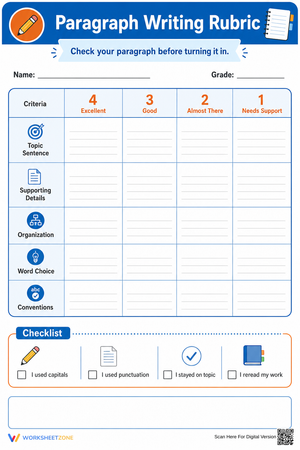
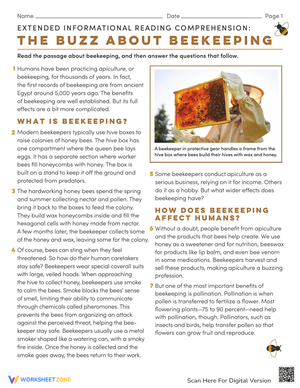
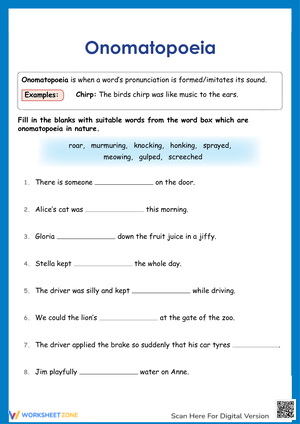
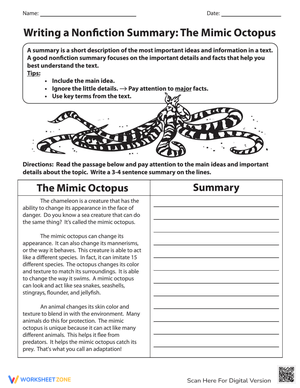
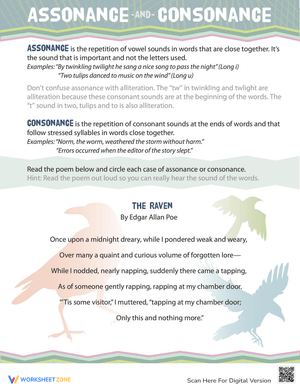
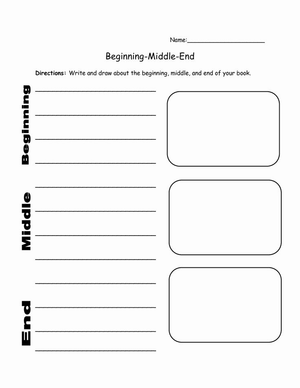
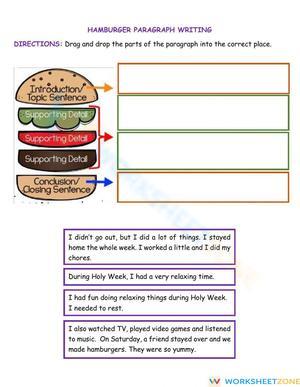
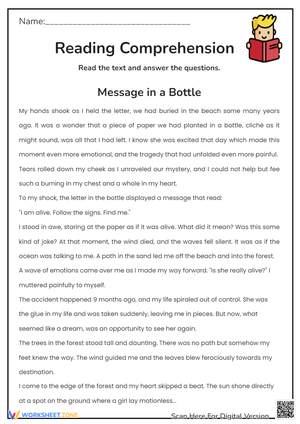
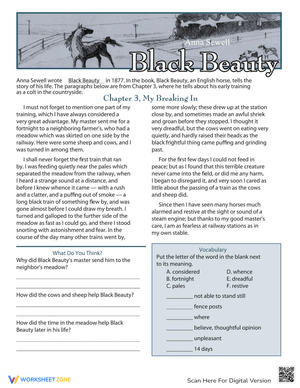
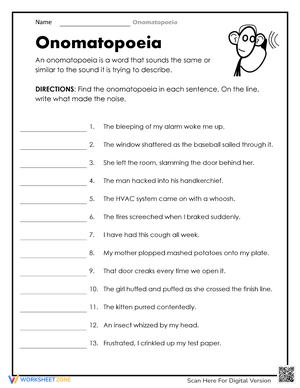
These 5th grade organization and structure worksheets give teachers a targeted set of standalone resources for the moment students know what they want to say but cannot figure out how to arrange it. Each worksheet isolates one structural move — sorting supporting details under the correct reason, reordering an event sequence that loses its logic midway, or selecting a conclusion that actually fits the rest of the piece. The set addresses all three writing types fifth graders encounter in any given school year: opinion, informative, and narrative.
The Structural Moves Each Worksheet Targets
By grade 5, students are expected to organize writing differently depending on purpose, and that three-way demand is what makes structure instruction genuinely complex. In opinion writing, students must state a position, group related reasons, supply supporting evidence for each, and close with a conclusion that does more than echo the introduction. In informative writing, they need to cluster related facts logically and sometimes introduce formatting that helps a reader follow the content. In narrative writing, they manage chronology, pacing, and transitions that move a reader through events without creating confusion.
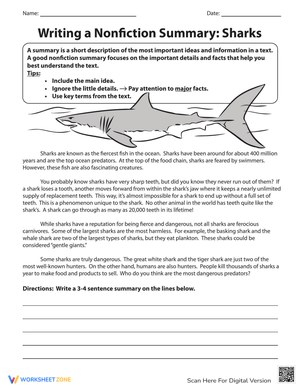
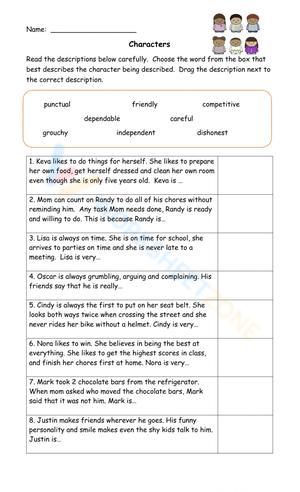
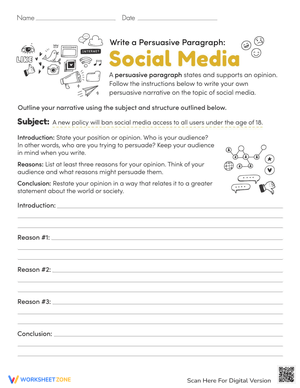
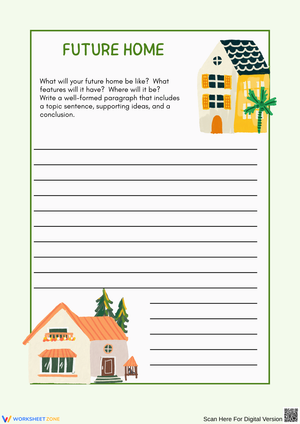
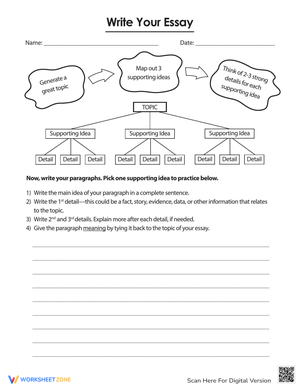
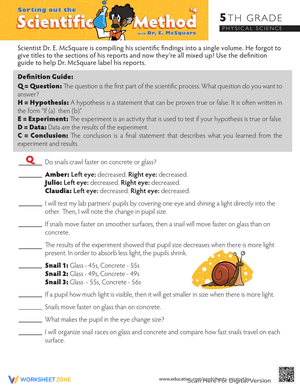
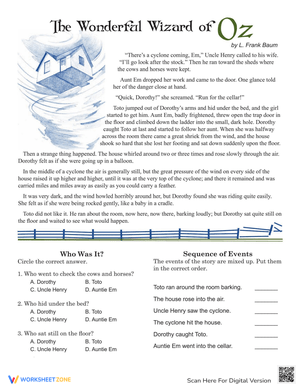
The worksheets in this set address those demands by separating them. One worksheet might ask students to sort six supporting details into two or three reason categories before writing a single sentence of their own. Another asks them to take a scrambled five-event narrative sequence and argue — in writing — why a particular order works best. A third presents four possible concluding sentences for an opinion paragraph and asks students to explain which one actually earns its place. These are not filler activities; they rehearse real decisions writers make during drafting and revision.
Patterns in Student Work That These Worksheets Help You Catch
The most persistent structural problem in fifth-grade writing is not that students ignore organization — it is that they perform the form without internalizing the logic. A student can complete a graphic organizer neatly and still produce a draft where reasons bleed into each other, evidence appears under the wrong reason, and the conclusion restates the introduction word for word. That pattern shows up constantly in on-demand writing and in first drafts produced right after a planning period.
Transition overuse is a close second. Fifth graders frequently treat transition words as checklist items — they add "first," "next," and "finally" to the beginning of each paragraph and believe the structure problem is solved. What they have actually done is label sections without connecting ideas. A useful exercise is to ask students to read a paragraph aloud with the transitions removed, then with them included, and explain what changed. Most students realize nothing changed, which is exactly the point. The transition practice worksheets in this set address that gap by asking students to choose language that signals a specific relationship — contrast, cause and effect, elaboration — rather than just sequence.
Endings also reveal a great deal. Students who write strong topic sentences frequently rush the conclusion, either repeating the introduction or ending mid-thought. Conclusion-focused worksheets show students what a real close requires in each writing type: in opinion writing, restating the position with fresh language; in narrative writing, resolving or reflecting on what happened; in informative writing, synthesizing rather than just summarizing.
How to Build These Worksheets Into Your Lesson Plans
The most effective placement is not as a warm-up or time-filler — it is as the practice bridge between mentor text analysis and student drafting. After students read a mentor paragraph and identify how a writer grouped evidence or sequenced events, one targeted worksheet lets them apply that same move immediately, with structured support, before they attempt it in their own drafts. That sequence — observe, practice, apply — is standard gradual release, and these worksheets hold the middle position well.
During writing workshop, the set works well in small-group reteach after you have already reviewed student drafts. If four students wrote solid reasons but ended every paragraph with a restatement of the topic sentence, pull the paragraph-structure worksheet for that group specifically. If a different cluster has strong facts but poor grouping, the sorting and organizing worksheets address that without requiring the whole class to repeat instruction they already absorbed. The 5th grade organization and structure worksheets in this set are easy to assign by error pattern rather than by unit, which keeps reteach tight and efficient.
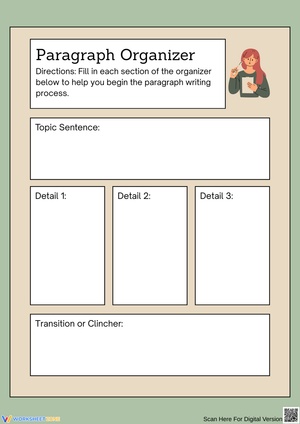
- Use graphic organizers before drafting as a planning check, not a procedural requirement students complete without thinking.
- Assign paragraph structure and transition worksheets during centers or workshop rotations when students are mid-draft.
- Pull sequencing worksheets for small-group work after reviewing narrative drafts that lose chronological clarity.
- Use outline templates in the week before on-demand writing prompts so students practice planning quickly under time pressure.
Pairing any worksheet with brief discussion pays dividends. Asking a student why a specific detail belongs under one reason and not another surfaces whether they understand the structural principle or are simply pattern-matching — and the difference determines what you teach next.
Standard Alignment
These worksheets align to the Common Core State Standards for Grade 5 Writing. CCSS.ELA-LITERACY.W.5.1 describes opinion writing in which students introduce a topic, state an opinion, group related reasons with supporting evidence, use transitional language, and provide a concluding statement. CCSS.ELA-LITERACY.W.5.2 requires informative writing with logically grouped information and formatting that aids comprehension. CCSS.ELA-LITERACY.W.5.3 addresses narrative writing with a clear event sequence, pacing strategies, and transitional words and phrases that manage flow. The resources in this set rehearse the organizational requirements embedded in all three standards — not as isolated skill checks but as integrated writing tasks that mirror what students do during composition.
The placement of these standards in grade 5 reflects a deliberate developmental progression. In grades 3 and 4, students build basic paragraph structure and simple sequencing. By grade 5, the expectation shifts toward purposeful grouping, logical ordering of multiple reasons and details, and conclusions that go beyond mechanical closure. These 5th grade organization and structure worksheets address that higher demand directly — students are not practicing paragraph writing for the first time; they are learning to treat structure as a craft decision across multiple drafts and writing types.
Adjusting the Set for Different Levels of Writers
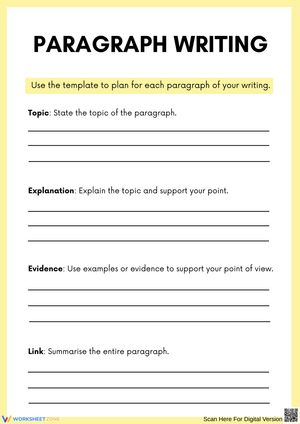
For students still working at a foundational level, the sorting and sequencing worksheets work best when the teacher reads the instructions aloud and walks through the first example together before releasing students to work independently. The paragraph-builder format is especially useful for these students because it names each component — topic sentence, evidence, elaboration, conclusion — and shows where each piece fits before they produce their own text. That naming matters: many struggling writers do not lack ideas; they lack a clear mental map of where those ideas belong.
Advanced writers often finish the core task quickly and need a genuine extension, not just more of the same. The most productive option is a revision task: give them a weak paragraph — without identifying what is wrong — and ask them to diagnose the structural problem, name it precisely, and rewrite it with corrected organization. That reversal, from guided practice to independent analysis, asks advanced students to use structure as a lens rather than a procedure, which is exactly where fifth-grade writing instruction should push them.
One honest limitation worth naming: students who freeze when facing uncontextualized text — a paragraph about a topic they find completely unfamiliar — sometimes struggle with these worksheets in ways that have nothing to do with their grasp of structure. When that happens, swapping the sample content for a topic from a current science or social studies unit usually removes the distraction and puts the focus back where it belongs.
Frequently Asked Questions
Do these worksheets address all three writing types, or mainly opinion essays?
The set addresses all three writing types taught in grade 5. Some worksheets focus on opinion organization — grouping reasons, matching evidence, writing conclusions. Others target narrative sequencing and pacing. A third group supports informative writing with logical grouping and paragraph structure. Teachers who use the 5th grade organization and structure worksheets across a full school year will find resources that fit instruction during each major writing unit rather than one writing type only.
At what point in a writing unit should these worksheets be introduced?
Timing depends on what students already know. Graphic organizers and sorting worksheets belong early — during the planning stage before drafting begins. Paragraph builders and transition practice fit best in the middle of a unit, once students have attempted a draft and have a clearer sense of where their writing breaks down. Revision-focused worksheets earn their place late in the unit, when students are returning to drafts and need concrete models for fixing structure problems rather than general encouragement to revise.
Can these worksheets function as formative assessment?
Yes, and that is one of their most practical uses. Rather than waiting for a complete draft, a teacher can collect a planning worksheet or a sorting activity partway through a lesson and see immediately whether students understand how to group related ideas or sequence events logically. That check takes far less time to review than a full essay and gives clearer, more actionable information about which structural skill needs more direct instruction before students move forward.












 Interactive Worksheet Maker
 Quiz Maker
 Word Search Maker
 Crossword Puzzle Maker
 Word Scramble Generator
 Sentence Scramble Generator
 Handwriting Worksheet Generator
 Name Tracing Generator
 Fill In The Blank Generator