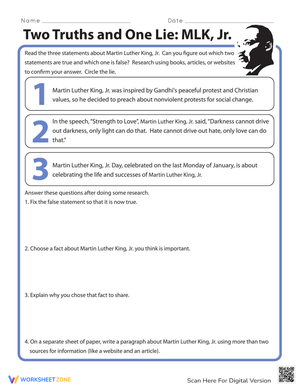
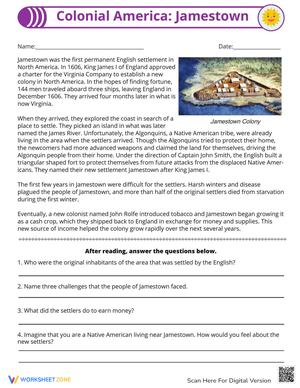
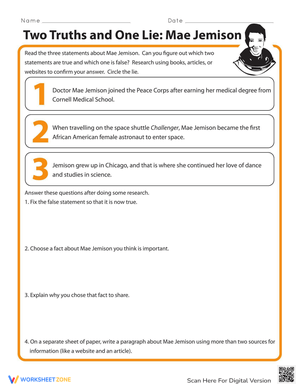
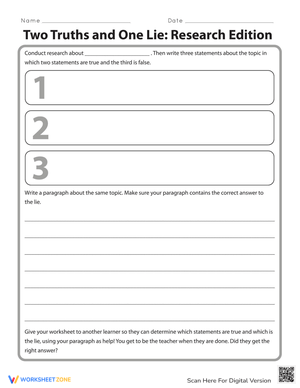
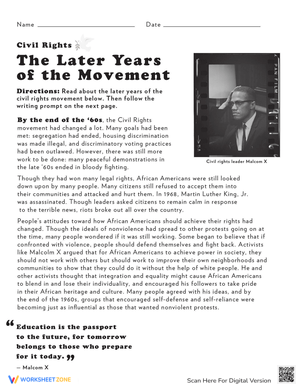
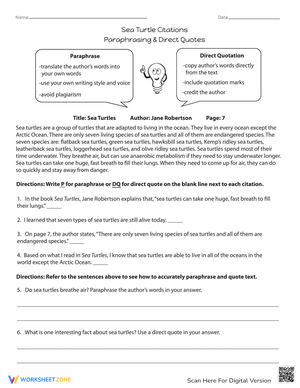
5th grade genre writing printable worksheets give teachers ready-to-use practice across opinion, informative, and narrative writing — the three text types fifth graders are expected to control by the end of the year. Each worksheet isolates one part of the process, so students spend their time practicing something specific: stating a claim, organizing supporting details, building event sequence, or revising transitions. Teachers can pull individual worksheets to match exactly where a class is in a unit without rebuilding their routine from scratch.
What Students Practice Across the Three Genres
The worksheets cover the full range of fifth-grade writing work without treating all three genres as variations on the same task. Opinion worksheets ask students to state a clear position, choose reasons that stay connected to that position, and select evidence that actually supports the claim — not just facts that feel loosely related. Informative worksheets guide students to introduce a topic, group related information under clear categories, and use transitions that show logical relationships rather than just piling details in order. Narrative worksheets focus on sequencing events, building toward a moment of change or realization, and using sensory detail and dialogue to make scenes feel present rather than summarized.
Within each genre, the set breaks the writing task into separate, manageable moves:
- Brainstorming and prewriting frames that match the structure of each genre
- Paragraph-level drafting tasks with sentence starters for students who freeze at the blank page
- Transition practice specific to opinion, informative, or narrative writing
- Revision checklists tied to elaboration, word choice, and organization
- Short prompts for timed practice and warm-up writing
Student Writing Patterns Worth Watching Before You Assign
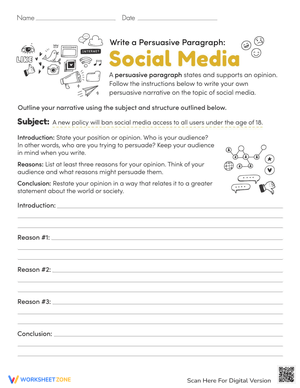
One of the more predictable problems in fifth-grade opinion writing is the circular reason. A student writes "We should have longer recess because it would give us more time outside" — and then supports that reason with "More outside time is good for students." The reason and the support are the same statement dressed differently. Until students can see the difference between a claim, a reason, and the evidence that explains the reason, opinion worksheets that simply ask for "three reasons" can reinforce this pattern rather than break it. The most useful worksheets in the set prompt students to add a "because" or "for example" and then actually require something new after it.
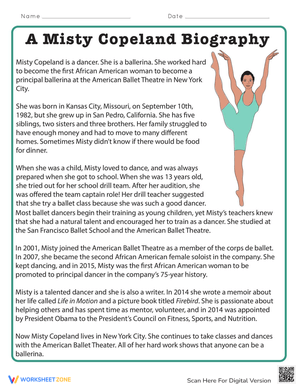
In informative writing, the error pattern shifts. Fifth graders who have spent a lot of time on narrative work often slip into storytelling when the task calls for explanation. A student writing about photosynthesis will describe "the day a plant finally got enough sunlight" rather than explaining the process. Informative worksheets that ask students to sort their information by category — rather than by time — interrupt that default narrative instinct before it takes hold in a longer piece.
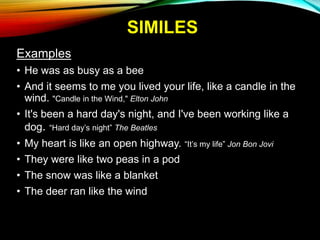
Narrative writing shows a different problem: summarizing instead of showing. Students write "The character was scared" rather than putting the reader inside the moment. Worksheets that ask students to show the same moment twice — once as summary, once with specific detail — make that distinction concrete in a way that a classroom discussion alone rarely does. Seeing both versions side by side changes how students read their own drafts.
Fitting These Worksheets Into Your Weekly Writing Routine
The most practical use of 5th grade genre writing printable worksheets is building a weekly sequence where each day has a different task type but all five days serve the same genre. Monday is a prewriting organizer. Tuesday is a drafting frame for the opening paragraph. Wednesday is a revision task focused on transitions or elaboration. Thursday is a short independent prompt. Friday is a quick peer review or class check-in on organization. Teachers who use this structure find that students stop treating writing as a single-day task and start thinking of it as a process with distinct stages — which is the actual instructional goal.
For bell ringers, a short prompt with a narrow task runs 8 to 10 minutes and gives teachers a daily formative read on where students are before a lesson begins. For writing centers, one group works an organizer while another revises sample paragraphs for better transitions and a third edits for sentence variety. For sub plans, a prompt-plus-organizer worksheet runs independently without the substitute needing writing expertise to manage the period.
- Bell ringers: narrow prompt, 8 to 10 minutes, easy to assess at a glance
- Writing centers: stagger task types so groups work at different stages simultaneously
- Homework: a focused planning or drafting task, not a full essay
- Fast finishers: a second genre prompt at the same difficulty level
- Sub plans: a prompt-plus-organizer worksheet that students can manage independently
Standard Alignment
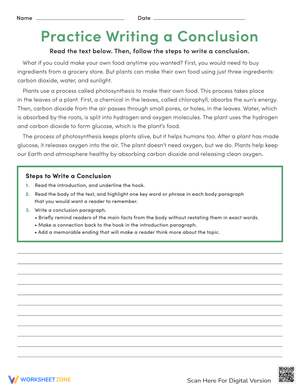
The worksheets align to the three writing standards at the center of Common Core ELA for Grade 5: W.5.1 (opinion writing), W.5.2 (informative or explanatory writing), and W.5.3 (narrative writing). These standards ask students to do more than produce text — they ask students to make deliberate choices about structure, evidence, development, and conclusion. Teachers who track mastery across all three text types will find 5th grade genre writing printable worksheets useful for both formative data collection and targeted re-teaching, since each worksheet can be evaluated against the specific expectations of the relevant standard rather than a generic writing rubric.
At Grade 5, the standards also expect students to link ideas using words, phrases, and clauses — not just connectors like "also" and "but." Opinion and informative worksheets in the set give students practice with transitional language at the sentence level before they are asked to control it across a full composition, which matters because students who understand the logic behind a transition use it more accurately than students who have simply memorized a list of transition words.
Adjusting the Work for Students at Different Points in Their Writing Development
For students who struggle to get started, the paragraph frames and sentence starters in the set provide enough structure to begin without removing the actual writing task. A frame that reads "One reason I believe ___ is ___. For example, ___." gives a student a clear path forward without writing the paragraph for them. That is a different kind of support than a fill-in-the-blank exercise — the student still makes real writing decisions about content, word choice, and specificity.
For students who draft easily but revise superficially, the revision-focused worksheets push beyond surface corrections. Instead of asking students to fix spelling and punctuation, these worksheets ask students to replace a vague sentence with a specific one, add a piece of evidence that was missing, or identify the weakest transition and rewrite it. Students who are already strong writers often need exactly this kind of focused, sentence-level challenge to move their work forward, and open-ended prompts rarely give it to them.
For students receiving intervention support, using 5th grade genre writing printable worksheets consistently across multiple sessions builds familiarity with the vocabulary of each genre — claim, reason, evidence, topic, category, event, detail. That shared language matters because it makes it easier for students to connect what they practice in a small group to what the whole class is doing in the main writing block. When the words match, the skills transfer more reliably.
Frequently Asked Questions
Do these worksheets cover all three major writing types for Grade 5?
Yes. The set includes practice for opinion, informative or explanatory, and narrative writing. Teachers can pull worksheets from any of the three genres depending on where students are in the instructional sequence, without needing separate resource collections for each text type.
How are these worksheets different from a generic writing prompt?
Each worksheet names the genre, sets a focused task, and includes a structural support — whether that is an organizer, a sentence starter, a transition bank, or a revision checklist tied to that genre's specific expectations. A generic prompt asks students to write. These worksheets ask students to practice one part of the writing process with enough guidance to complete it well and learn something from the attempt.
Can these worksheets support test preparation?
They fit naturally into test-prep routines because many state writing assessments ask students to read a prompt, identify the task type, plan a response, and write with organization and evidence. Worksheets that break those steps apart — name the genre, plan the structure, draft the response, check the organization — build exactly the habits students need before a timed writing task. The practice is transferable because the process mirrors what students face on the assessment.
How do I use these worksheets in a mixed-ability classroom without writing separate lesson plans?
The set includes worksheets at different levels of structure for the same genre skill. In a mixed-ability classroom, one group works from a paragraph frame while another works from an open organizer targeting the same writing goal. Both groups write to the same genre standard. The teacher manages one lesson with two worksheet versions rather than two separate lessons — the genre focus stays consistent, and the level of built-in support is the only variable.












 Interactive Worksheet Maker
 Quiz Maker
 Word Search Maker
 Crossword Puzzle Maker
 Word Scramble Generator
 Sentence Scramble Generator
 Handwriting Worksheet Generator
 Name Tracing Generator
 Fill In The Blank Generator