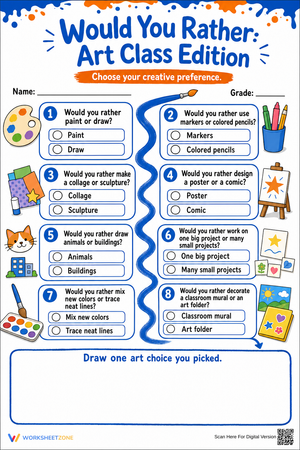
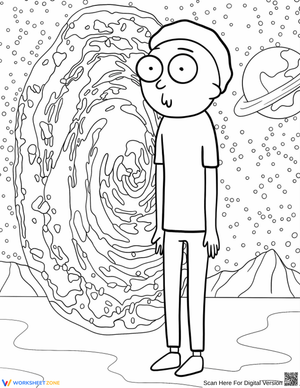
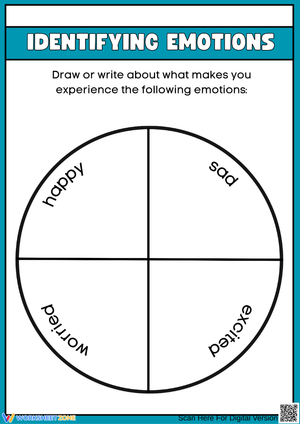
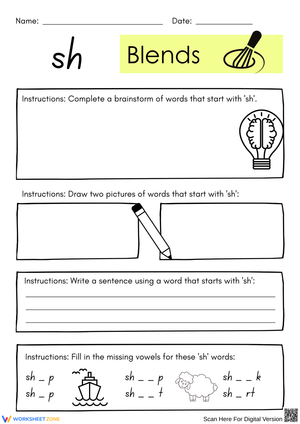
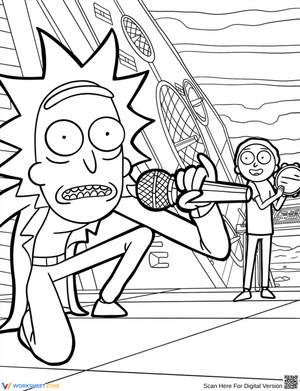
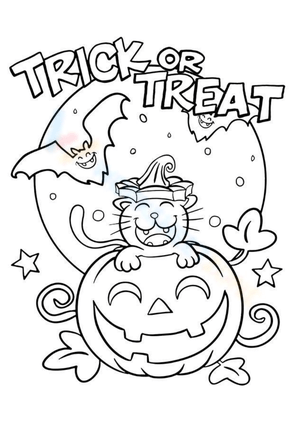
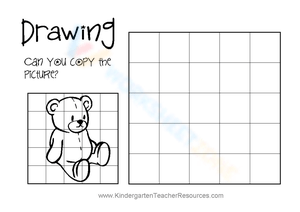
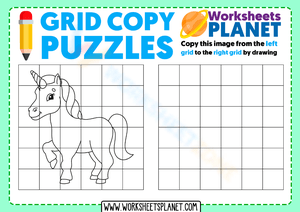
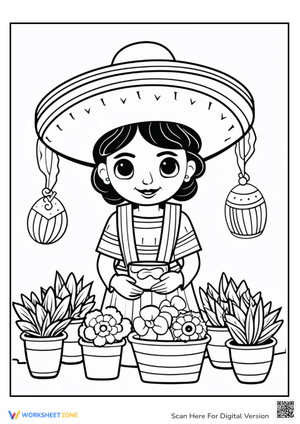
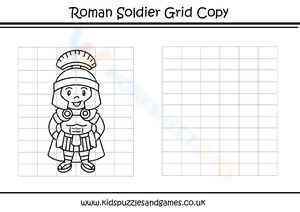
These drawing and painting pdf worksheets for 3rd grade give teachers ready-to-print materials covering the visual arts skills students are prepared to tackle at eight and nine years old — observational drawing, foundational color theory, basic shading, and introductory perspective. The resources work equally well in a dedicated art block, as a ten-minute warm-up, or integrated into science and ELA units.
What Students Practice Across the Set
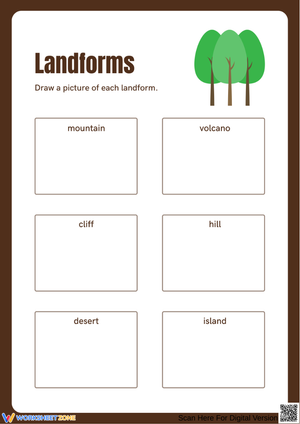
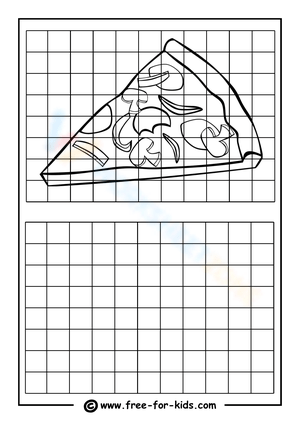
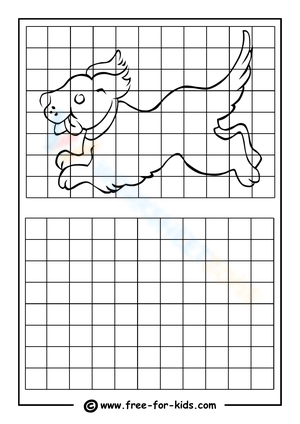
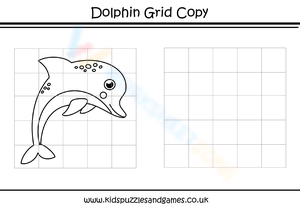
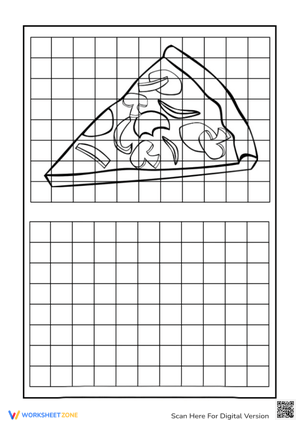
The drawing worksheets span four skill areas. Directed drawing breaks complex subjects — animals, buildings, natural objects — into step-by-step line sequences, which reduces the frustration that hits when a student stares at a blank paper with no entry point. Observational drawing worksheets use half-finished symmetrical images and still-life outlines: students complete the missing half or add surface details, learning to look carefully rather than draw from memory. Shading practice worksheets give students defined boxes to fill using hatching, cross-hatching, and stippling, isolating the technical move from the creative decision so students can focus entirely on pencil pressure and mark direction. One-point perspective worksheets introduce the horizon line and vanishing point with a simple street or hallway scene, where students extend lines and add depth to a partially drawn image.
Painting worksheets address color wheel work, warm and cool color sorting, and two key watercolor techniques. Color mixing worksheets ask students to physically blend primary colors into secondaries and tertiaries — that hands-on blending experience anchors color relationships in a way a labeled diagram alone does not. Warm and cool color worksheets often use a split landscape format: one side gets painted with warm hues, the other with cool, and the contrast becomes immediately visible. Watercolor technique worksheets guide students through flat wash and graded wash exercises in bounded sections, giving them clear practice zones before they attempt a full project.
Errors Teachers Should Anticipate and Address
Color mixing produces the most consistent mistakes. Students who confidently mix yellow and blue to get green will almost always add too much blue — partly impatience, partly because the yellow seems to disappear before the green shows up — and end up with a blue-tinted result they can't pull back toward yellow. Building a brief "add the darker color one small amount at a time" rule into the worksheet directions catches this before students overshoot. A second common error in watercolor: students overload the brush and push a heavy wash across the paper, which creates tide-mark edges when the puddle dries. The graded wash practice sections surface this immediately because the expectation of a smooth gradient makes a pooled edge obvious.
In drawing, the most persistent problem with shading is pressing too hard on the first pass. Students want to see immediate contrast, so they bear down — and a hard first layer can't be built up or lightened because there's no tooth left in the paper. Demonstrating the lightest value first and working toward dark, which runs counter to what feels natural, corrects most of this. Perspective worksheets reveal a different issue: students frequently place the vanishing point at the edge of the paper rather than inside the picture plane, so every line angles off the page and the drawing looks broken. A small dot pre-printed on the worksheet to mark the vanishing point position eliminates most of that confusion before it starts.
Fitting These Into Your Lesson Planning
The drawing and painting pdf worksheets for 3rd grade fit several spots in a school week. Used as a Monday warm-up after morning meeting, directed drawing worksheets settle students quickly — the step-by-step format gives everyone a clear task at the same time and reduces the procedural questions that eat into transition time. The color mixing and shading worksheets work well as the central activity in a 30-minute art block because each worksheet targets one isolated skill, which means no student gets stuck deciding what to make before they can practice the actual technique.
For classrooms without a dedicated sink, watercolor worksheets require some setup. Pre-portioning water in small, heavy-bottomed containers — recycled yogurt cups work well — and placing a damp sponge on each desk for brush wiping keeps students from walking across the room and eliminates most spill risk. Standard copy paper handles pencil and crayon work fine, but printing watercolor worksheets on cardstock or 90-lb mixed-media paper prevents buckling and bleeding. Keep a stack of each near the printer and pull the heavier paper only for painting sessions.
Standard Alignment
These resources connect to several anchors in the National Core Arts Standards for visual arts at the third-grade level. VA:Cr2.1.3 — which asks students to "create personally satisfying artwork using a variety of artistic processes and materials" — is directly addressed by the painting technique worksheets, where students practice multiple approaches (flat wash, graded wash, wet-on-wet) before committing to a finished piece. VA:Re7.1.3, speculating about processes an artist uses, is supported by the reflection prompts embedded in several worksheets, where students annotate their own shading choices or explain which color mixing steps produced a specific hue. The directed drawing and perspective worksheets connect to VA:Cr1.2.3, which addresses the use of art vocabulary to describe and analyze spatial relationships in artwork.
Adjusting the Worksheets for a Range of Learners
Students who move quickly through directed drawing can be given the same subject with no step-by-step guide — just a finished reference image — and asked to work out the construction sequence on their own. That small change shifts the task from procedural following to genuine problem-solving without requiring a separate worksheet. For students who freeze when the first step produces a line they dislike, pointing out that light initial marks are fixable helps more than reassurance; the real issue is usually that they pressed hard on step one and feel committed to the error.
Color mixing worksheets can be adjusted by changing the materials. Students who struggle with liquid watercolor benefit from pan watercolors, which give more control over the water-to-pigment ratio. Students ready for more challenge can be asked to mix a specific color — a muted sage green or a dusty orange — by experimenting with ratios and recording which combinations came closest. That extension asks them to think about color relationships analytically rather than following a labeled recipe.
Frequently Asked Questions
What supplies work best with these worksheets?
Pencil-based drawing worksheets require only standard pencils — a range of hardness (HB for sketching, 2B for shading) is helpful but not essential at this level. For painting worksheets, pan watercolors are lower-mess than liquid watercolor and easier for students to control. The drawing and painting pdf worksheets for 3rd grade are formatted for standard letter-size paper, but printing on cardstock or heavier media paper is strongly recommended any time students will apply liquid.
Can these be used in a general education classroom without an art specialist?
Yes, and the step-by-step format makes that practical. Directed drawing worksheets give non-specialist teachers a clear visual sequence to follow alongside students rather than requiring independent art instruction. The key is keeping each session focused on one technique per worksheet rather than trying to cover color theory and shading in the same sitting.
How do these worksheets connect to subjects outside of art?
The observational drawing worksheets adapt naturally to science units: a plant anatomy outline becomes a biology labeling activity, and a still-life arrangement of natural objects becomes a nature journaling exercise. The perspective worksheets connect to geometry standards involving spatial reasoning. For ELA, any drawing worksheet with an open composition area can double as an illustration prompt tied to a reading unit, giving students who express ideas visually an additional way to demonstrate comprehension.
Do these worksheets work as assessment tools?
The drawing and painting pdf worksheets for 3rd grade function best as formative tools rather than summative grades. A completed shading worksheet shows exactly which value range a student is controlling and which they're avoiding — that's actionable information for the next lesson. Using them for a formal grade requires a clear rubric tied to the specific technique on each worksheet, not a general effort-and-completion score that tells you nothing about what a student actually understands about cross-hatching or color mixing.