Relevant details worksheets for 3rd grade give teachers a targeted way to address one of the trickiest comprehension moves at this level: helping students distinguish between facts that genuinely support a main idea and facts that only share the same general subject. Third grade is the inflection point where that distinction starts to matter in earnest — both in reading comprehension and in the construction of students' own informational paragraphs — and most students need explicit, repeated practice before the sorting becomes automatic.
What's Inside the Set
Each worksheet focuses on a distinct move within the skill, so teachers can target exactly where a student is stuck rather than cycling through the same format repeatedly.
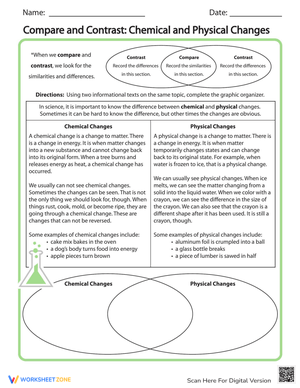
Cross-out tasks present a short paragraph where one sentence doesn't belong. Students identify the main idea, cross out the irrelevant sentence, and write a brief justification. That written explanation is what matters most — it surfaces whether a student is making a principled decision or simply eliminating the sentence that sounds different from the others.
Fact sorting exercises provide a stated topic at the top and a list of facts below it. Students mark each fact as relevant or off-topic. Because this format mirrors the decisions students make during pre-writing, it transfers directly into planning their own informational paragraphs.
Paragraph building worksheets give students a topic sentence and a menu of candidate details, including one or two deliberate distractors — facts that seem to belong but veer away from the specific focus. Students select the strongest details and arrange them into a complete paragraph.
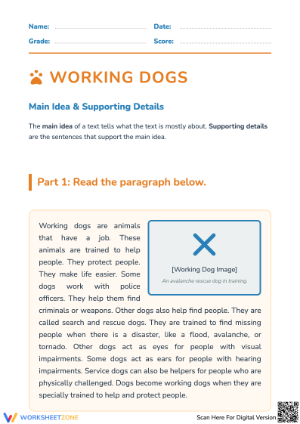
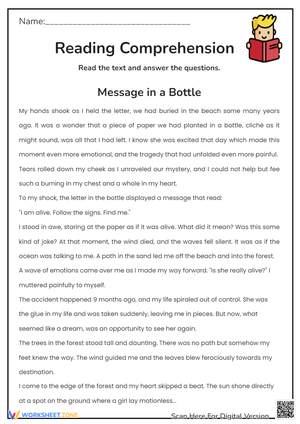
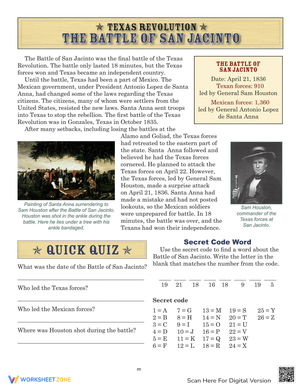
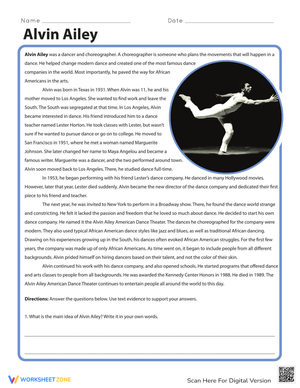
Nonfiction passage work uses brief science or social studies texts. Students annotate by marking evidence for a specific claim stated in the passage. Running this format with content-area material signals clearly that the strategy applies outside the reading block — not just during ELA.
Mistakes Students Make That These Worksheets Help You Catch
The most consistent pattern in student work is what I'd call the "interesting ≠ relevant" confusion. When a paragraph is about how monarch butterflies migrate, a sentence explaining that monarchs have orange and black wings feels like it belongs — it's true, it's about the same animal. But it doesn't address migration at all. Students at this age latch onto topical connection and mistake it for logical support. The sorting tasks force them to articulate why a fact belongs, not just whether it sounds related.
A second error surfaces in the cross-out format: students sometimes eliminate the main idea sentence rather than the distractor, because the main idea is stated broadly while the distractors often contain vivid, specific details. That mischoice is one of the more useful things relevant details worksheets for 3rd grade make visible — it shows exactly which students haven't yet grasped that specificity alone doesn't confer relevance.
There's also a working memory strain worth planning around. Holding a main idea steady while reading and evaluating several sentences is genuinely demanding at this age. Students who struggle here don't need the instructions re-read to them; they need coaching to write the main idea at the top of the worksheet in their own words before they evaluate any of the details.
Standard Alignment
CCSS.ELA-LITERACY.RI.3.2 calls on students to determine the main idea of a text, recount the key details, and explain how those details support it — which is precisely what relevant details worksheets for 3rd grade ask students to do in each exercise. In instructional terms, that standard sits in the space between decoding and analysis: students can read the words but haven't yet learned to evaluate them. The connection to CCSS.ELA-LITERACY.W.3.2 is equally direct. That writing standard requires students to develop a topic with facts, definitions, and details — exactly what the fact-sorting and paragraph-building formats prepare students to do. Teachers who address this skill during a reading unit typically see the payoff show up in students' own writing within the same instructional cycle.
How to Build These Worksheets Into Your Lesson Plans
Fact-sorting and cross-out worksheets work well as brief warm-up tasks at the start of the ELA block — most students finish in eight to twelve minutes, and the results give you something concrete to discuss in a short whole-group debrief. The paragraph-building format is better placed after a shared reading lesson, when students have already talked through how a text is organized and are ready to apply that understanding to a shorter, more controlled task.
One approach that produces strong results with the cross-out format: project a similar example before students work independently, and think aloud through it. Read the paragraph, state the main idea explicitly, then test each sentence against it out loud — "Does this sentence tell me anything about the main idea? Or does it tell me something true but beside the point?" That modeling clarifies the mental move students are supposed to replicate when they work on their own. The nonfiction passage worksheets fit naturally into a science or social studies period; students who finish early can annotate a second time, this time marking which details they would use if they were writing a single summary sentence about the passage.
For formative data, a cross-out worksheet with a written justification column gives you a quick read on each student by the end of class. The students who eliminate the correct sentence but can't explain why are a different instructional target than the students who eliminate the wrong sentence entirely — and that distinction shapes your small-group reteaching the following day.
Adjusting the Worksheets for a Range of Learners
Students who are still building basic paragraph comprehension do better with cross-out tasks where the distractor is clearly off-topic — a sentence about the ocean in a paragraph about desert animals, for instance — rather than a subtly related one. Preview each worksheet before assigning it and route the more obvious distractors to students who need an early success before the nuance increases.
For students who move through these tasks quickly, the paragraph-building worksheets offer the most extension potential. Ask them to write a second version of the paragraph using different details from the menu, then compare both versions and argue in writing which one supports the main idea more effectively. That revision layer pushes toward the kind of analytical thinking that becomes central in 4th and 5th grade writing instruction.
Students who struggle with the written justification step benefit from a simple sentence frame posted nearby: "This sentence doesn't belong because it tells about ___, not ___." That support keeps their attention on the reasoning rather than on composing the sentence itself — which is where the actual learning is happening.
Frequently Asked Questions
How do I help students who keep treating the most interesting sentence as the irrelevant one?
This reveals a genuine conceptual gap: students are using "interesting" as the signal for relevance. The fix is to name the distinction directly during instruction — a relevant detail answers a specific question about the main idea; an interesting fact just shares the same topic. A quick oral warm-up helps before students touch any worksheet. Give the class a main idea — "Penguins keep their eggs warm in very cold weather" — then read several facts aloud and ask for thumbs up or thumbs down based on whether each fact addresses egg care specifically. That brief pre-task calibrates the criterion students use when they work independently.
How do these worksheets connect to a writing unit?
Running relevant details worksheets for 3rd grade during the planning phase of a writing unit — before students draft their own paragraphs — produces noticeably more focused first drafts than doing the practice only in a reading context. The fact-sorting format maps almost exactly to pre-writing: students practice selecting which facts support a stated topic, which is the same decision they face when planning an informational paragraph. Students who have sorted facts on paper several times tend to self-correct during drafting when they notice a sentence that wanders off-topic.
What should I do when a student's written justification is correct in meaning but hard to follow?
Take the reasoning as the primary signal. If a student crosses out the right sentence and writes something like "because it's not about that," they understand the concept — they just haven't developed the vocabulary to name it precisely yet. Confer briefly, ask the student to say out loud why the sentence doesn't belong, and help them translate that spoken explanation into a written sentence. The conceptual work is done; the writing precision is a separate instructional target you can address in that moment without treating it as a comprehension failure.












 Interactive Worksheet Maker
 Quiz Maker
 Word Search Maker
 Crossword Puzzle Maker
 Word Scramble Generator
 Sentence Scramble Generator
 Handwriting Worksheet Generator
 Name Tracing Generator
 Fill In The Blank Generator