These 3rd grade sequencing worksheets give teachers print-ready practice for one of Grade 3's most cross-cutting ELA skills — ordering events, tracking story structure, and using signal words to build coherent written responses. Each worksheet runs as a self-contained activity, which means you can pull one for a post-read-aloud task, drop one into a literacy center, or hand a stack to a substitute without any setup explanation.
The Specific Skills These Worksheets Target
The tasks across the set cover more ground than a simple cut-and-paste ordering exercise. Students work with both fictional passages and procedural texts, which matters because the sequencing demands differ — narrative order follows cause and effect, while procedural order depends on physical or logical necessity. Both appear in Grade 3 reading and writing standards.
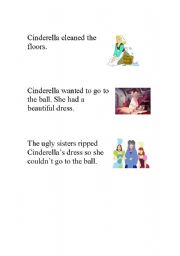
- Numbering events from a short story or informational passage in the correct order
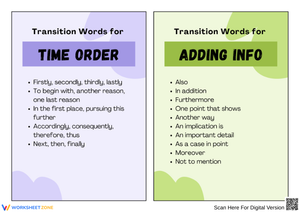
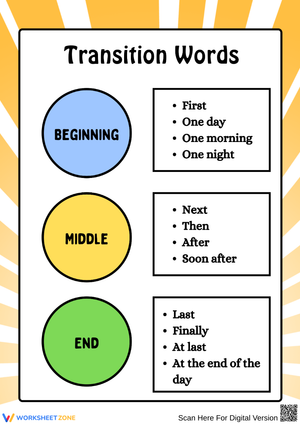
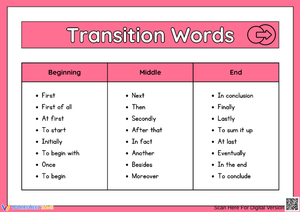
- Underlining sequence signal words — first, next, then, after that, finally — and explaining what they signal
- Sorting sentence strips into a logical sequence and annotating with signal word choices
- Writing a 3–4 sentence retelling that follows event order without skipping mid-sequence steps
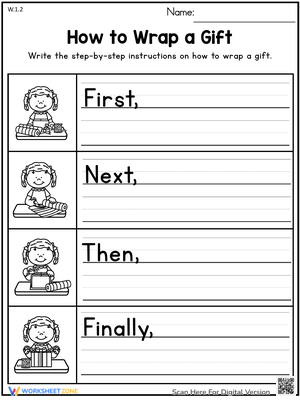
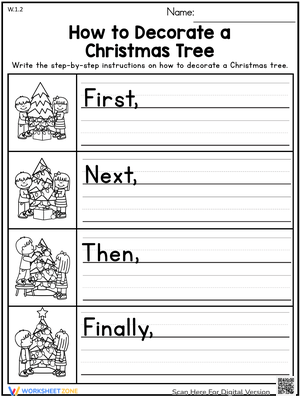
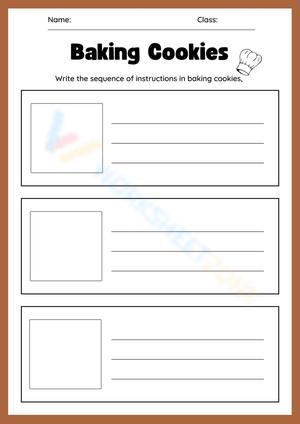
- Completing a how-to sequence for a familiar procedure, then comparing it with a partner's version
The written retelling component deserves mention on its own. A student can correctly number four events and still write a retelling that opens with the most emotionally striking moment — usually the climax. Including a short writing task on the same worksheet catches that gap in ways a pure ordering exercise does not.
Sequencing Errors Worth Watching For and Correcting
The most predictable problem at this grade level isn't confusion about what sequencing means — most third graders understand that stories have a beginning, middle, and end. The difficulty is in the details. Students anchor on dramatic moments. Ask a class to put five events in order and several will place the scene where the character cries or wins or gets caught at position one, regardless of where it falls in the text. When you see this pattern, it points to a reader who is retelling by emotional salience rather than textual order.
A related error involves the word then. Many students treat it as a default label for any event that isn't obviously first or last. A student completing a writing prompt will place "then" before events two, three, and four rather than selecting the more precise signal word each position calls for. On these worksheets, the signal word fill-in tasks surface this habit clearly — students who understand the distinctions choose different words for different positions; students who don't write "then" three times in a row.
Procedural texts produce a third error pattern. When students sequence a how-to passage — planting a seed, conducting a simple experiment, making something in steps — they routinely skip implied steps. The worksheet response reads: "First, gather materials. Then, the plant grows." Everything in the middle disappears. This isn't carelessness; it reflects a genuine comprehension gap about which steps carry causal weight. Working through one example aloud before students complete a procedural sequencing worksheet closes that gap faster than marking the worksheet and returning it the next day.
Building These Worksheets Into Your ELA Week
The strongest placement for these worksheets is right after a read-aloud or shared reading, in the 10–12 minutes before the block transitions. Students have the story fresh, the signal words are still visible on chart paper or the board, and the worksheet extends discussion rather than replacing it. Handing one out at that moment gives every student something active to do with the text — not just the four students who raised their hands during conversation.
Monday morning warm-ups are another reliable slot. If students read a short passage for homework over the weekend, a sequencing worksheet at the start of Monday's class functions as spaced retrieval — students pull the text back from memory and reconstruct its order, which is a stronger comprehension test than summarizing a passage immediately after finishing it.
For literacy centers, the format works best when you add a physical marking task: students circle signal words in one color and number events in another before filling in the ordering boxes. The marking slows down the visual scan-and-fill habit and gives you something to check at a glance. For intervention groups, read the passage aloud together first, then have students complete the worksheet while you observe where they pause or second-guess themselves — those hesitation points tell you more than the final answers do.
Before sending any worksheet home or leaving one for a substitute, check that the passage is fully self-contained and that the directions include a worked example. Third graders working without a teacher nearby will abandon an ambiguously worded task quickly, and a missing example is usually the culprit.
Adjusting the Set for a Range of Learners in the Same Room
The sequencing concept stays constant across ability levels; what changes is text complexity, the number of events, and how much writing support students receive. For students still solidly in the developing-reader range, cut the event count to three, pre-highlight signal words in the passage before printing, and read the text aloud together before anyone picks up a pencil. The goal at that level is accurate ordering — the writing extension can wait until that foundation is steady.
On-level students work well with four to six events and a brief retelling prompt at the bottom of the worksheet. Adding the retelling creates a production demand that transfers directly to writing workshop. A student who can order five events and then write "First, Rosa found the letter. Then, she hid it under her mattress. Finally, her brother discovered it" is practicing the exact sentence rhythm that narrative paragraphs require.
For students who finish quickly and accurately, extend the thinking rather than the quantity. Ask them to identify the one event that, if removed, would most disrupt the sequence — the pivot event that makes everything after it make sense. Or have them write their own four-event passage, strip the signal words out, and trade with a partner to sequence. If you use 3rd grade sequencing worksheets for this swap activity, it requires no extra materials and runs about 15 minutes from start to finish, long enough to keep an advanced third grader genuinely occupied.
Standard Alignment
These worksheets address three CCSS standards that appear across Grade 3 reading and writing instruction. RL.3.3 asks students to describe characters and explain how their actions contribute to the sequence of events — event-ordering tasks built around fictional passages map directly to this standard. RI.3.3 requires students to describe the relationship between a series of events, scientific ideas, or procedural steps using time and sequence language — the informational and how-to worksheets address this standard specifically. W.3.3 asks students to write narratives with a clear event sequence — the retelling and narrative-completion tasks build toward that writing expectation.
In unit planning terms, RL.3.3 and RI.3.3 often fall in the same instructional window because both require students to distinguish sequence from other text elements. Running a sequencing worksheet after an informational read-aloud one day and after a story the next gives students practice recognizing how those two text types organize events differently — a distinction that pays off on both reading comprehension and writing assessments.
Frequently Asked Questions
When in a unit should I introduce sequencing worksheets?
Introduce them after at least one whole-group lesson where you model identifying signal words and ordering events together — students need to see the thinking made visible before they're ready to work independently. Once that explicit model is in place, you can use each worksheet for guided practice, independent work, or center rotation without re-teaching the concept from scratch each time.
My students keep placing the climactic event first. What's the fix?
This is one of the most consistent patterns in Grade 3 sequencing work. Ask students to locate textual evidence for their ordering before writing anything down — not the event they remember most vividly, but the one that appears earliest and that the events following it depend on. Running this verification step as a class, pointing to specific sentences in the same passage, usually resets the habit within the lesson. The key phrase to give students is: "Where in the text do you see this happening first?"
Can these worksheets support writing instruction, or are they only useful for reading?
The connection to writing is direct. When students complete a sequencing task in reading — ordering events, identifying what happens first and why — they rehearse the same structure they need for narrative and procedural writing. A teacher who uses 3rd grade sequencing worksheets during the reading block and then references the same signal word list during writing workshop creates a visible link between the two disciplines. Students hold onto that connection more reliably than they hold onto rules introduced in writing workshop alone.
How do I use these worksheets with students working well below grade level?
Reduce the variables: fewer events, simpler sentence structure, and pre-marked signal words. Read the passage aloud together. Let students use a finger to physically track from the text to the ordering boxes. The underlying skill — understanding that events have a logical order that matters — is accessible to most third graders at some level of text complexity. The key is matching the text demand to where the student actually reads, not skipping sequencing instruction entirely. For the most intensive support, work through a 3rd grade sequencing worksheets task in a small group of two or three students where you can narrate the thinking in real time and catch ordering errors before they become habits.












 Interactive Worksheet Maker
 Quiz Maker
 Word Search Maker
 Crossword Puzzle Maker
 Word Scramble Generator
 Sentence Scramble Generator
 Handwriting Worksheet Generator
 Name Tracing Generator
 Fill In The Blank Generator