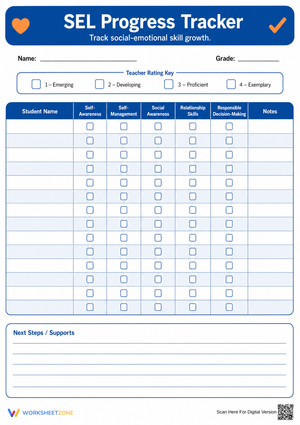
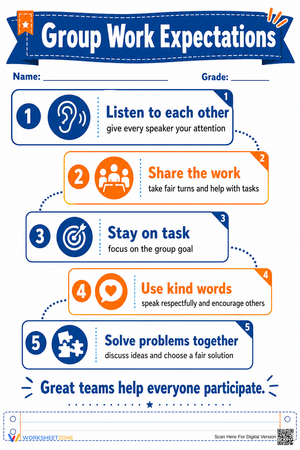
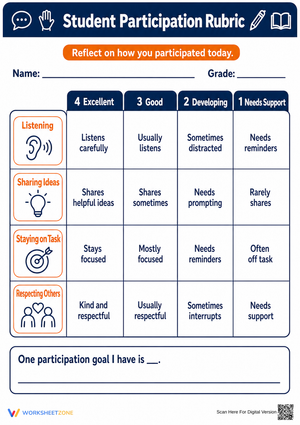
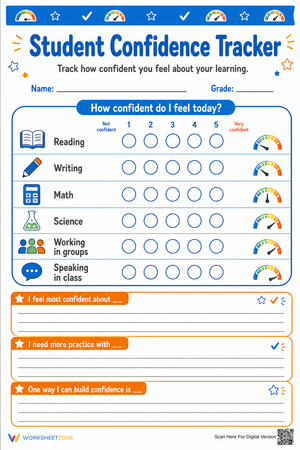
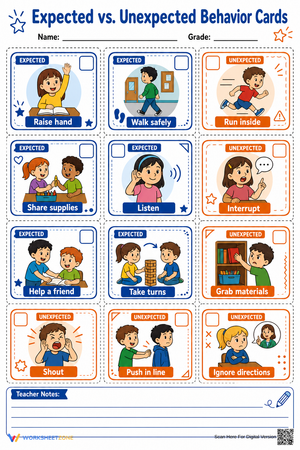
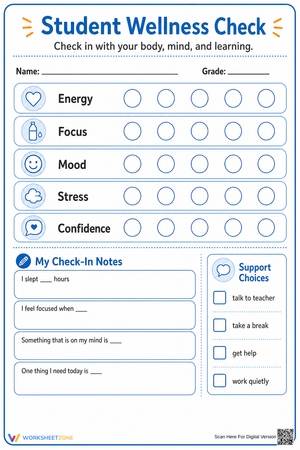
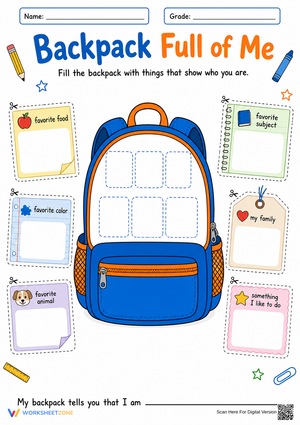
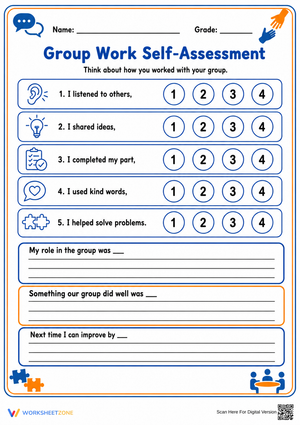
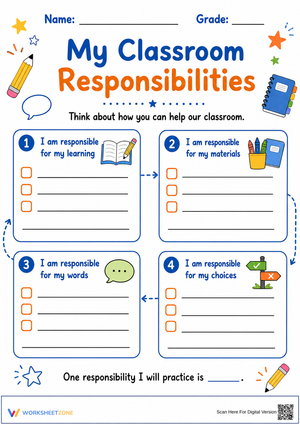
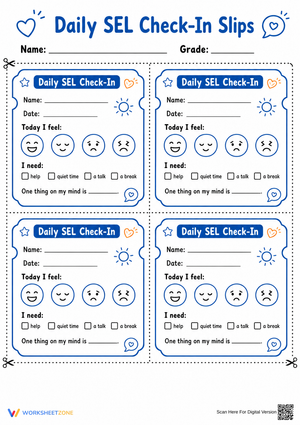
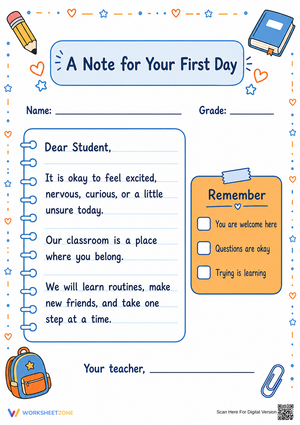
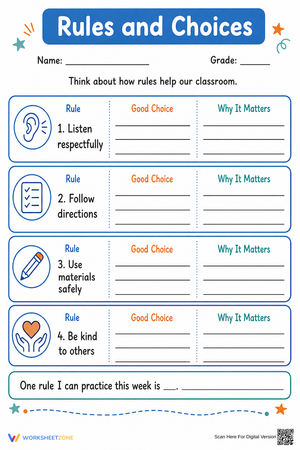
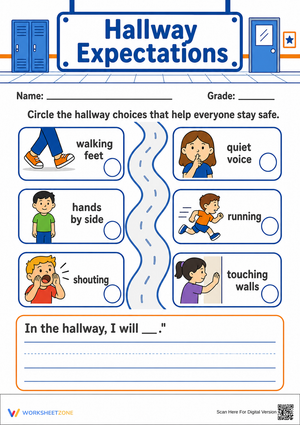
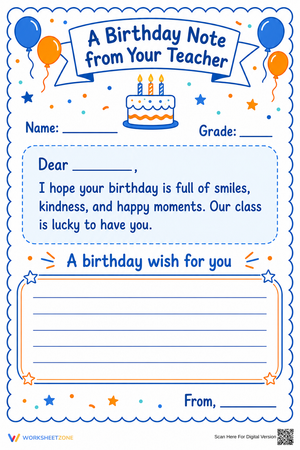
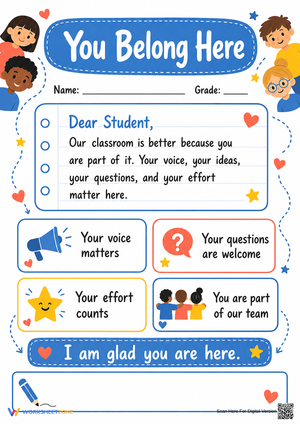
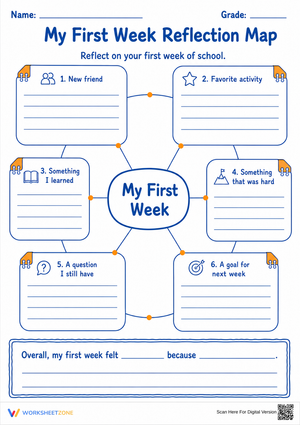
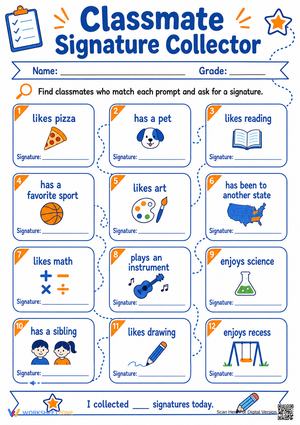
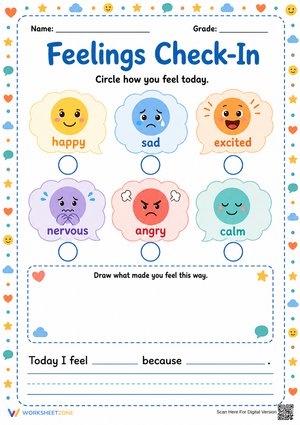
These 3rd grade social emotional learning worksheets resources put five CASEL-aligned skill areas into student hands through printable formats that fit into routines teachers already run — feelings check-ins during morning meeting, conflict-resolution practice after a rough recess, and coping-strategy work in a calm-down corner. Each worksheet works for independent student completion, and the formats stay consistent enough across the set that students learn the routine quickly and can focus on the skill rather than figuring out the task.
The Specific Skills Targeted
Third grade sits at a real developmental threshold. Students this age are building genuine perspective-taking capacity — they can hold two viewpoints at once in a way that most first and second graders cannot — but they still need concrete language and school-context anchoring to do anything productive with that capacity. These worksheets work inside that window.
The five skill areas covered across the set:
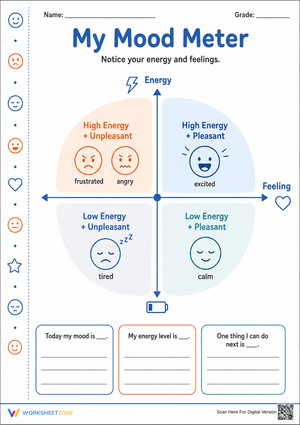
- Emotion identification: Students practice naming feelings beyond "happy," "sad," and "mad," working with vocabulary like disappointed, frustrated, nervous, proud, overwhelmed, and hopeful. Each worksheet pairs the emotion word with a school-based context so students can connect the label to something real.
- Empathy and perspective-taking: Short peer scenarios ask students to identify what another person might be feeling and cite the evidence from the situation. Prompts stay grounded — what do you notice, what clue told you that, what is one thing you could say.
- Conflict resolution: Students read a disagreement over materials, a game, or group roles, then choose or write a response that walks through three steps: name the problem, consider both sides, decide on a respectful next move.
- Self-management and coping strategies: Students match feelings to strategies, sequence the stop-and-think steps, or complete a personal calm-down plan that identifies two go-to strategies for two different types of difficult feelings.
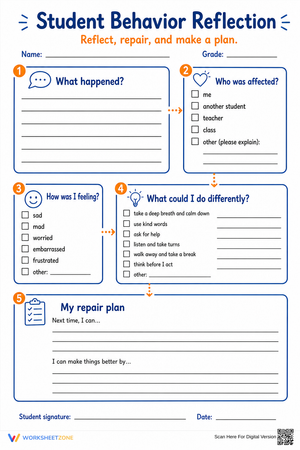
- Responsible choice and reflection: These worksheets work especially well after behavior incidents or partner-work breakdowns. Students describe what happened, what they chose, and what they would do differently — on paper first, which lowers the pressure compared to a verbal conversation in front of peers.
Mistakes Students Make That These Worksheets Help You Catch
The most consistent pattern in third-grade SEL work is that students perform on paper without genuinely processing the prompt. On an empathy worksheet that asks "What might Jada be feeling when no one picks her for the team?" students frequently write "sad" and stop — even when the scenario contains cues for embarrassment or quiet anger that are more specific and more instructive. They grab the most familiar emotion word rather than reading the situation carefully. A brief whole-class model of how to read scenario cues before independent work closes that gap faster than repetition alone.
A second pattern shows up consistently on coping-strategy worksheets. Students know "take deep breaths" sounds like the right answer, so they write it regardless of the type or intensity of feeling in the prompt. Low-stakes nervousness before a presentation and the anger of feeling publicly humiliated are different problems, but students flatten them to the same solution. The worksheets address this by varying the scenarios deliberately, but teachers should still expect that debrief question — "Why did you choose that strategy for that specific feeling?" — to be necessary the first several times through the set.
How to Work These Worksheets Into Your Weekly Lesson Plans
The biggest structural choice is whether to use these as a scheduled routine or a responsive tool. Both serve different goals, and the best practice is to have both available. A Monday morning feelings check-in creates predictable language practice and gives teachers a quick read on who arrived dysregulated before whole-group instruction begins. A responsive pull — grabbing a conflict-resolution worksheet after a hard recess — gives students a structured channel to process what happened without requiring the teacher to run a full class discussion when the day is already behind schedule.
Teachers who keep 3rd grade social emotional learning worksheets materials organized by skill area — rather than by week or unit — find them faster when a moment calls for one. Three placement strategies that come up most often in practice:
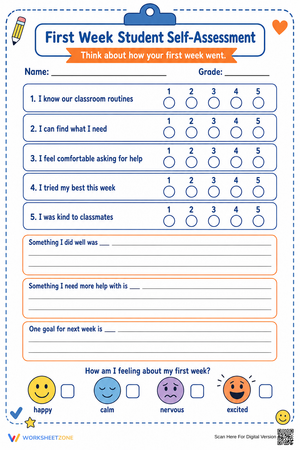
- Morning meeting anchor: Open the meeting with a check-in worksheet, give students four minutes to complete it independently, then transition directly into partner share. The written step helps quieter students put words to feelings they would not volunteer aloud in a whole-group setting.
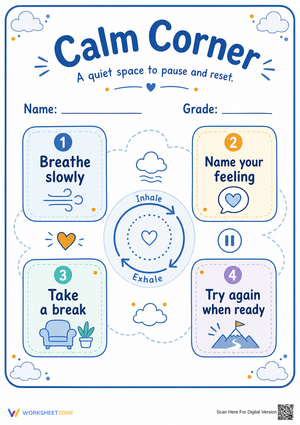
- Reset space resource: Keep two or three worksheets in a calm-down corner. When a student takes a break there, the worksheet gives them a concrete task — name the feeling, choose a strategy, decide on a next step — rather than leaving the time unstructured.
- Small-group conflict follow-up: After a peer conflict, pull the students involved and use a conflict-resolution worksheet as a conversation starter. Students respond to the written prompts first, then share aloud. That sequence reduces defensiveness more reliably than jumping straight into verbal processing.
For sub plans, any worksheet in the set works without additional teacher explanation. After a few uses, students know the format well enough that a substitute can facilitate the activity without needing background knowledge in SEL content.
Standard Alignment
These worksheets align with the CASEL 5 core competency framework, which most U.S. state SEL standards reference directly. Self-awareness and self-management competencies run through the emotion-identification and coping-strategy worksheets. Social awareness and relationship skills anchor the empathy and conflict-resolution materials. Responsible decision-making is the through-line in reflection and scenario-response worksheets.
For states with explicit K–12 SEL standards — Illinois, Washington, California, and Ohio each include grade-band indicators at the third-grade level — these worksheets address benchmarks that typically require students to identify and accurately label a range of emotions, recognize that others may feel differently in the same situation, apply a sequential problem-solving approach to peer conflicts, and identify self-management strategies matched to specific types of feelings. Each completed worksheet functions as a concrete record of student practice against those benchmarks, which matters when a district requires documentation of SEL instructional time.
Differentiating the Worksheets Across Skill Levels
The formats here support both students who need additional structure and those ready to push further. For students who struggle with reading fluency or expressive writing, pairing each worksheet with a visible word bank or reading the scenario aloud before independent work keeps the cognitive demand on the SEL skill rather than on decoding. On reflection worksheets, sentence starters printed below each prompt give hesitant writers a launching point without removing the thinking.
For students who move quickly and tend toward surface-level responses, the extension is straightforward: ask them to generate their own scenario that matches the feeling or conflict type on the worksheet, then trade with a partner. This keeps the format familiar while shifting from recognition to production. Asking these students to add a second response option — "What's another way to handle this?" — surfaces whether they're applying flexible thinking or just identifying the obvious answer.
Students with IEPs or 504 plans that address social-emotional goals often benefit from the predictable format of 3rd grade social emotional learning worksheets practice. When the same worksheet type is used consistently across the year, it becomes a baseline measure: what emotion words does this student reach for in September compared to March, and are they connecting feelings to strategies in more specific and flexible ways over time? That longitudinal look can inform goal updates at annual review meetings.
Frequently Asked Questions
Can these worksheets replace a full SEL curriculum?
No — and they shouldn't try to. These worksheets work best as repeated practice within a broader classroom culture that includes modeling, discussion, and direct instruction in social-emotional skills. A standalone worksheet without teacher facilitation produces filled-in answers, not genuine skill development. Use them as one consistent thread in a larger fabric of SEL practice.
How often should third graders work with SEL worksheets?
Two to three times per week is a workable frequency for most classrooms — enough to build familiarity and language without crowding other instructional priorities. Daily check-in worksheets can be briefer, while empathy or conflict-resolution worksheets work better at a slower cadence that allows time for class discussion after completion.
What if students rush through and write the first answer they think of?
This is the norm early in the year, not the exception. Students treat SEL worksheets like task completion until the teacher establishes that the quality of thinking matters. One concrete fix: after students finish, ask two or three volunteers to share their response, then ask the class "Did anyone think of a different answer?" That five-minute exchange, done consistently after each worksheet, shifts how students approach the task over time.
Are these worksheets appropriate for students receiving counseling services or targeted SEL support?
These 3rd grade social emotional learning worksheets resources work well as a conversation-starting tool in counseling check-ins and social skills groups. School counselors often use a feelings check-in or scenario worksheet at the beginning of a small-group session to see where students are and surface what needs direct attention that day. For students with more significant social-emotional needs, these worksheets complement — they do not replace — individualized support.












 Interactive Worksheet Maker
 Quiz Maker
 Word Search Maker
 Crossword Puzzle Maker
 Word Scramble Generator
 Sentence Scramble Generator
 Handwriting Worksheet Generator
 Name Tracing Generator
 Fill In The Blank Generator