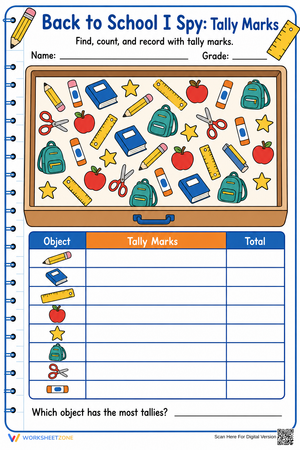
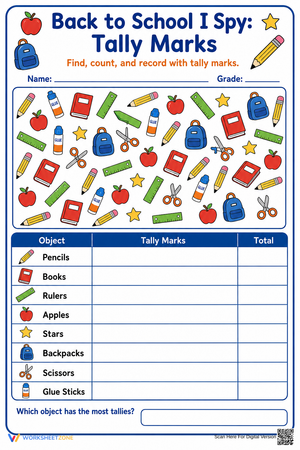
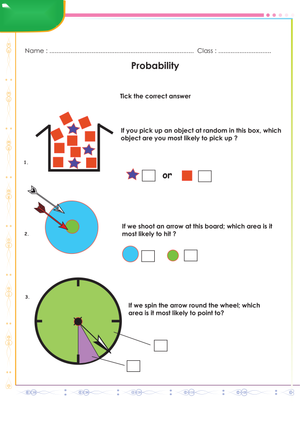
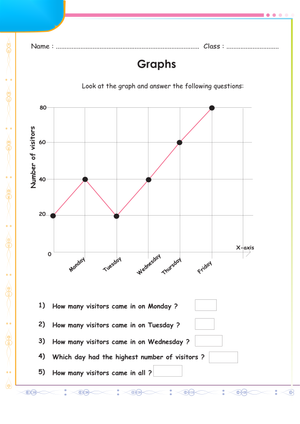
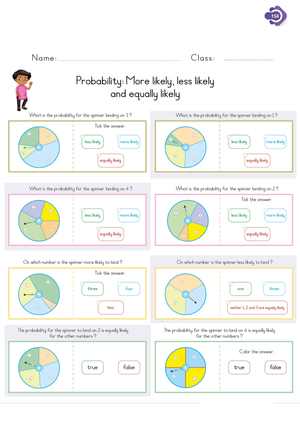
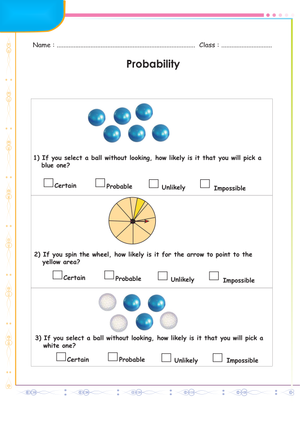
These 2nd grade statistics worksheets address all three data representation formats in the Common Core Measurement and Data cluster — picture graphs, bar graphs, and line plots — with each worksheet pushing students past simple symbol-counting into the comparison and difference questions the standard actually requires. The set covers both 2.MD.D.10 and 2.MD.D.9, giving teachers targeted practice for picture and bar graph work as well as the measurement-to-line-plot sequence.
The Specific Skills Each Worksheet Targets
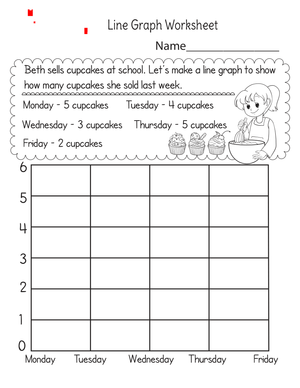
Picture graph worksheets ask students to read a key, count symbols, and answer questions about the data — including questions that require adding two categories together. The more demanding exercises show a key where one symbol represents two items rather than one, which catches students off guard the first time they encounter it. Students who breeze through one-to-one picture graphs often arrive at exactly half the correct answer on these, because they count symbols without converting. Bar graph worksheets build on categorical data by requiring students to read a numbered scale along the vertical axis and calculate how many more items one category contains than another — subtraction with a real-world context instead of an abstract number sentence. Line plot worksheets present a different kind of challenge entirely: students measure a set of objects using a ruler and mark each measurement with an X above a number line. The measuring and the plotting are two separate cognitive tasks, and the worksheets sequence them explicitly so students don't conflate generating the data with representing it.
Common Errors Worth Watching For and Addressing
The most persistent picture graph mistake surfaces the moment the key shows one symbol equals two items. Students who read graphs fluently at the one-to-one level will count every symbol individually regardless of what the key says, landing on an answer that is exactly half of what is correct. Writing "each picture = 2" in large print at the top of the graph does not reliably fix this — students genuinely need repeated practice converting symbol counts before they answer any question, not just a reminder to look at the key.
On bar graphs, the common error is reading the top of a bar without checking where it falls on the scale. When a bar stops between two gridlines, most second graders read the nearest labeled number rather than interpreting the space between. On line plots, the error pattern is different and easy to miss: a student who measures a pencil at 7 centimeters will often place the X correctly above 7, then count it as part of the 6-centimeter group during the follow-up interpretation question because the X sits visually close to that label. Naming this error explicitly during whole-group instruction — before students work independently — saves significant re-teaching time.
Building These Worksheets Into Your Weekly Lesson Plan
The most practical entry point is a quick whole-class data collection at the start of a lesson. A three-minute show-of-hands survey about favorite lunch items, preferred math tools, or pet ownership gives students a data set they actually care about. Build the tally on the board together, then distribute the worksheet matching that graph type. Students transfer numbers they just helped generate into the format on paper, which removes the barrier of unfamiliar data and directs all their attention to the graphing mechanics rather than to decoding context.
2nd grade statistics worksheets work well at math centers once a graph type has been introduced whole-group. A measurement station where students use a ruler to measure a set of five crayon stubs and record findings on a line plot worksheet runs independently once students know the routine — freeing the teacher to pull a small group. Picture graph and bar graph worksheets that use categorical data work well for structured partner practice: one student reads the graph aloud, the other records the answer, then they swap roles for the next question. This format surfaces errors that written individual responses don't always reveal, particularly the scale-reading mistakes described above.
Standard Alignment
2.MD.D.10 requires students to draw picture graphs and bar graphs with up to four categories and solve put-together, take-apart, and compare problems using data from those graphs. The worksheets covering this standard move students through a clear progression: filling in a pre-drawn graph, then answering single-category reading questions, then multi-step comparison questions — the piece of the standard that trips up students who can graph but have not practiced interpreting. 2.MD.D.9 connects linear measurement to data representation: students generate length measurements and display them on a line plot using a whole-number scale. Instructionally, most teachers address 2.MD.D.9 after students have had several weeks of ruler practice, because plotting data they measured themselves is considerably harder when measuring with a ruler is still uncertain. Rushing this sequence tends to produce line plots full of errors that reflect measurement confusion rather than data reasoning.
Adjusting the Worksheets Across a Range of Learners
For students who are not yet reading a bar graph scale reliably, use the worksheets that keep scale at one-to-one correspondence and pair them with linking cubes. The student builds a physical column of cubes above each category card, counts the cubes, and records the number before drawing the bar on paper. That physical step makes the connection between bar height and quantity concrete without requiring a separate materials kit — linking cubes are already in most second-grade classrooms.
Students who move quickly through on-grade material benefit from a different kind of challenge: give them an unlabeled graph and a data set, and ask them to choose the categories, determine the scale, and label everything before answering questions. This reverses the usual direction — instead of reading someone else's graph, they build one from scratch. 2nd grade statistics worksheets that include an open-ended graphing section alongside guided questions support this without requiring a separate printout. For students who struggle with the writing demands, the interpretation questions can be answered verbally while the teacher records, keeping the mathematical focus intact.
Frequently Asked Questions
What types of graphs are covered in 2nd grade statistics?
The set covers picture graphs, bar graphs, and line plots — the three formats specified in the Common Core 2.MD.D standards. Picture graph and bar graph worksheets present up to four categories and progress from reading the graph to answering comparison and difference questions. Line plot worksheets tie directly to measurement practice, asking students to generate the data by measuring objects before they plot anything.
My students can draw the graph but struggle to answer the comparison questions. What helps?
This is the most common sticking point at this grade level. Students frequently treat graphing and interpreting as separate tasks — they finish coloring the bar graph and consider the work complete. Worksheets that place a question directly below each section of the graph, rather than grouping all questions at the bottom, push students back into the data more consistently. Pairing that structure with a brief whole-group model of how to use the graph to answer a subtraction question — narrated aloud and slowly — closes the gap for most students within a week of consistent practice.
How do line plots connect to the rest of 2nd grade math?
Line plots sit at the intersection of measurement and data, which is exactly where the standard places them. Students use a ruler — a skill they have been building since first grade — to generate measurements, then represent those measurements on a number line format they already recognize from addition and place value work. The X marks function as a spatial tally. 2nd grade statistics worksheets that show the ruler measurement and the corresponding line plot placement side by side help students see the line plot as an extension of work they already know rather than an entirely new format, which reduces the resistance that often accompanies its introduction.













 Interactive Worksheet Maker
 Quiz Maker
 Word Search Maker
 Crossword Puzzle Maker
 Word Scramble Generator
 Sentence Scramble Generator
 Handwriting Worksheet Generator
 Name Tracing Generator
 Fill In The Blank Generator