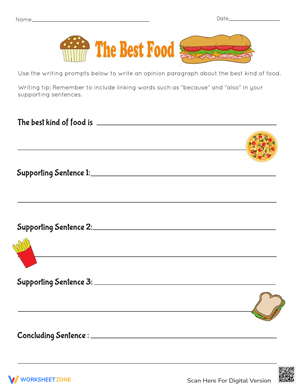
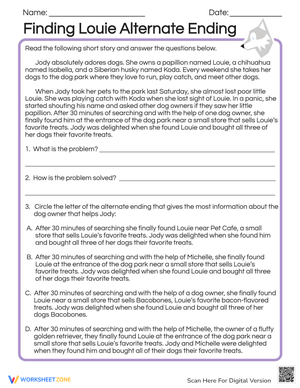
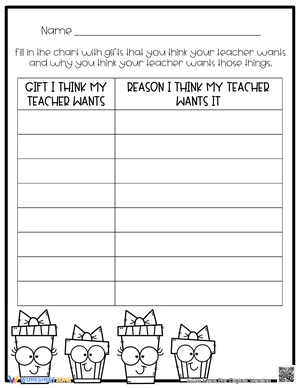
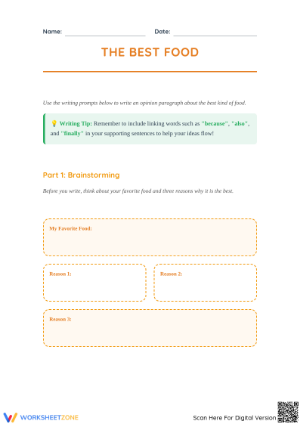
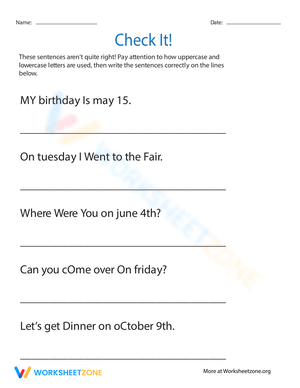
These 2nd grade writing process printable worksheets cover all five stages of the writing cycle — pre-writing, drafting, revising, editing, and publishing — giving teachers a structured set of materials for running writing workshop without building every organizer and checklist from scratch. The set addresses the specific bottleneck most 2nd graders hit around October: they have ideas, but no reliable mental model for how a piece of writing actually gets built.
What Each Worksheet Targets
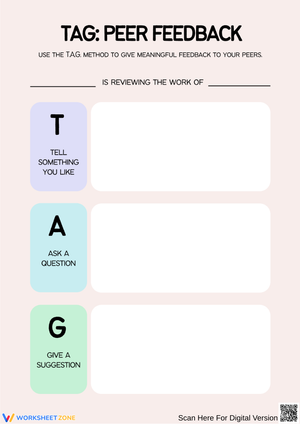
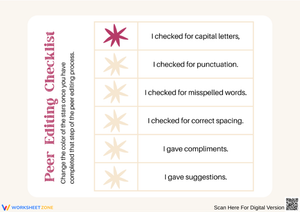
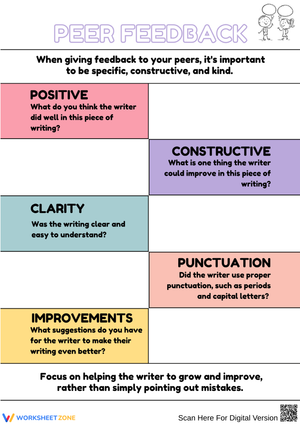
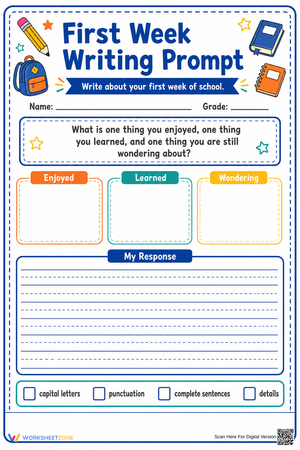
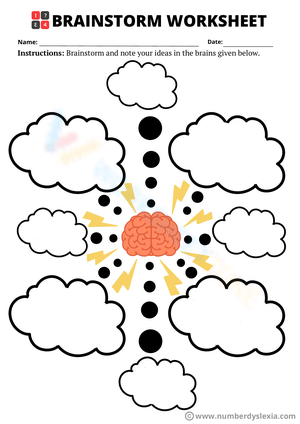
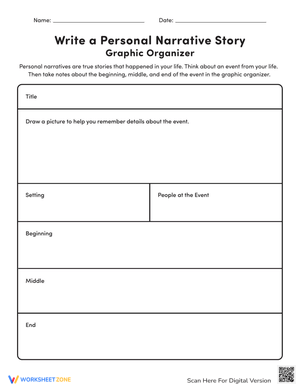
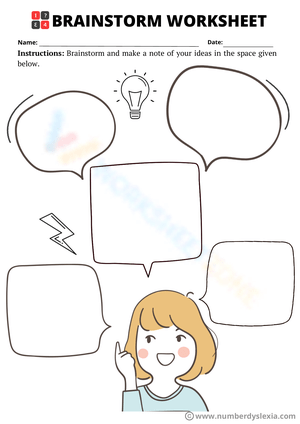
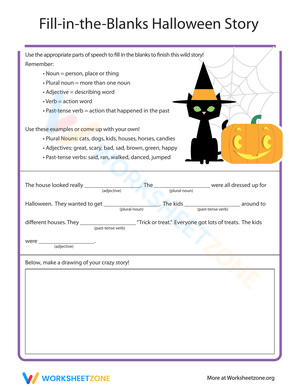
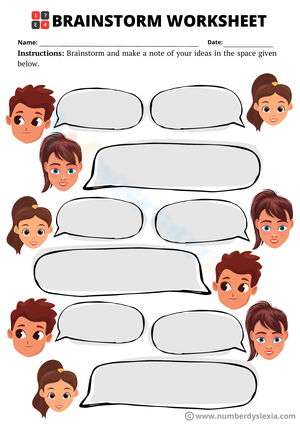
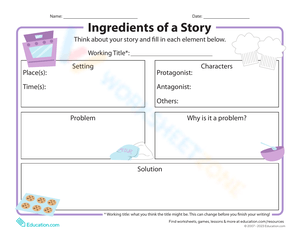
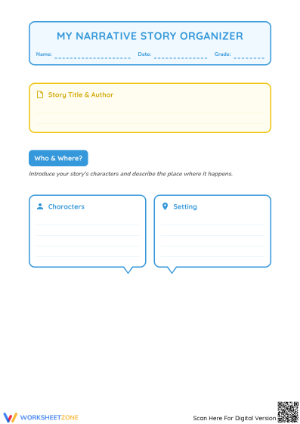
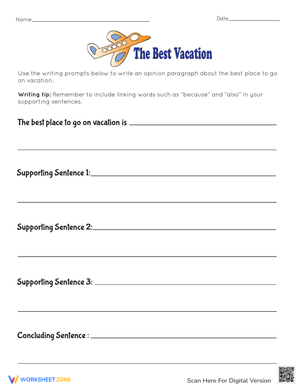
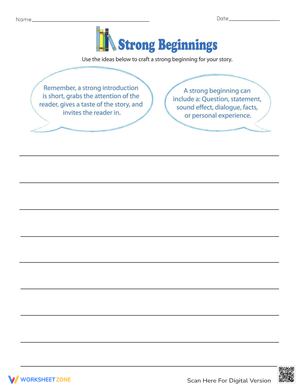
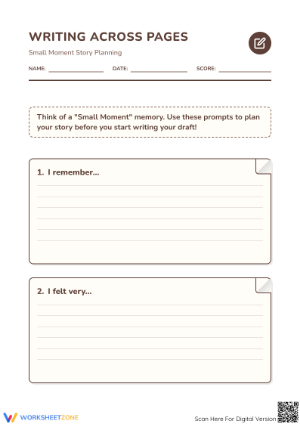
Each worksheet isolates one stage of the writing process so students can give it full attention rather than juggling planning, drafting, and error-correction at the same time. The pre-writing worksheets use a combination of bubble maps and structured story frames — bubble maps work well for narrative brainstorming, while the frames help students writing informational pieces identify a topic and at least two supporting details before they draft a single sentence. Drafting worksheets feature wide-ruled lines with intentional white space between them, and that detail matters more than it sounds: students who skip lines during drafting can insert revisions without recopying the whole piece. The revision worksheet asks only content questions — "Does my beginning grab the reader?" and "Did I give at least one detail for each idea?" — because mechanical questions belong on the editing worksheet, not here. That separation is the key instructional move the set makes. The editing worksheet uses the CUPS framework (Capitalization, Usage, Punctuation, Spelling), giving students four discrete categories to check in sequence rather than a vague instruction to look for mistakes. The publishing worksheet provides lined paper with a header for title and author, treating the final draft as something worth presenting — which, at this age, it genuinely is.
Mistakes Students Make That These Worksheets Help You Catch
The most persistent confusion at this grade level is treating revision and editing as a single step. When students receive one combined checklist that mixes "add more details" with "check your capitals," they default to fixing capitals and call it done. The detail-adding — the harder, more cognitively demanding task — goes untouched. Separating these into two distinct worksheets with two separate completion dates forces the distinction. Over a full unit, teachers reliably see sentence variety and supporting detail improve in ways a combined checklist never produces.
The other predictable error happens during pre-writing. Students who skip the planning worksheet and jump straight to drafting almost always produce a piece that starts strong for one paragraph and then drifts — they run out of ideas precisely because they never inventoried them. The pre-writing organizer isn't a bureaucratic hurdle; it gives a 7-year-old enough working memory capacity to hold the whole piece in mind while writing any individual part of it. One thing to watch: students who fill out the organizer and then close it before drafting lose most of the benefit. The organizer should stay open beside the draft the entire time.
How to Work These Worksheets Into Your Writing Workshop Week
Most 2nd grade writing workshop blocks run 35 to 45 minutes. A workable rhythm is to open with a 7 to 10 minute mini-lesson targeting one specific skill tied to whichever stage most of the class is in, then release students to independent work while you confer. The 2nd grade writing process printable worksheets sequence supports this structure naturally because each worksheet gives students a defined task to complete independently — they are not staring at a blank line wondering what to do while you are sitting with another student. The tracking problem gets easier when students keep all their worksheets for a single piece in one folder; a quick scan of each folder tells you immediately which stage each writer is at and whether they are stuck or ready to move forward.
The revision and editing stages work particularly well as two-day blocks. On the first day, students work through the revision worksheet. On the second day — after at least one night away from the piece — they move to editing. The distance matters. Students who revise and edit in the same sitting are essentially just editing; they cannot see their writing freshly enough to question its content.
Standard Alignment
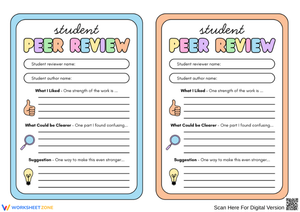
These worksheets align to CCSS.ELA-LITERACY.W.2.5, which requires 2nd graders to develop and strengthen writing through planning, revising, and editing with adult guidance and peer support. That standard sits at the intersection of process and quality — it is not about learning steps in the abstract, but about using those steps to produce better work. The pre-writing and revision worksheets address the planning and revision requirements directly. The editing worksheet supports the "with guidance and support" language of the standard by providing explicit, structured criteria that students can internalize over time rather than relying on a teacher prompt every session. By the end of 2nd grade, students are expected to apply this process with increasing independence, which is why the CUPS editing checklist is formatted for solo use from the start.
Adjusting the Set for a Range of Learners
For students who are still building stamina for extended writing, the pre-writing bubble map is the most important worksheet in the set — completing it thoroughly reduces the total amount of new writing required at each later stage. These students benefit from verbal rehearsal before drafting: talking through the piece using the organizer before committing anything to the draft. For students ready to push beyond grade-level expectations, the revision worksheet is a starting point rather than a ceiling. Ask them to add a second pass focused specifically on sentence beginnings, so that no two consecutive sentences in a paragraph open the same way. That one constraint produces noticeable improvements in voice without requiring additional materials.
ELL students benefit most from the structured frames in the pre-writing worksheets, where sentence starters reduce the language production demand during planning and let students concentrate on organizing ideas. Those same frames reduce hesitation at the drafting stage because students already have a sentence structure to follow, not just a blank line and a vague expectation.
Frequently Asked Questions
Does every piece of writing need to go through all five stages?
No. Quick writes, journal entries, and short constructed responses don't need a pre-writing organizer or a publishing worksheet. Reserve the full five-stage cycle for major narrative and informational pieces that will be shared with an audience. A realistic pace is one complete writing process cycle every three to four weeks, with shorter informal writing filling the days in between. That frequency is enough for students to internalize the steps without making every writing assignment feel like a long project.
How do I handle students who finish quickly and students who work slowly?
The folder system helps here. Fast finishers move to the next worksheet independently while you confer elsewhere. Build in a clear expectation: a student who says they are done with a draft moves immediately to the revision worksheet — not to free time. For slow writers, reduce the required length per stage rather than the number of stages. Three sentences in the draft instead of five still gives students the experience of moving through the full process. The 2nd grade writing process printable worksheets format makes this adjustment easy because students work on one worksheet at a time and teachers can set a shorter minimum without modifying the resource itself.
What's the best way to introduce the writing process to students who have never used a structured approach before?
Start with the pre-writing worksheet alone, before any mention of drafting or revision. Spend one full lesson completing it together as a class around a shared topic — what happened at recess, or a class pet the students know well. When students see that filling in the bubbles takes only a few minutes and produces a clear plan they can actually follow, the anxiety around starting a piece drops. The 2nd grade writing process printable worksheets set works best when introduced one stage at a time across the first few weeks of writing workshop, rather than presenting all five worksheets at once and explaining where each fits in the sequence.












 Interactive Worksheet Maker
 Quiz Maker
 Word Search Maker
 Crossword Puzzle Maker
 Word Scramble Generator
 Sentence Scramble Generator
 Handwriting Worksheet Generator
 Name Tracing Generator
 Fill In The Blank Generator