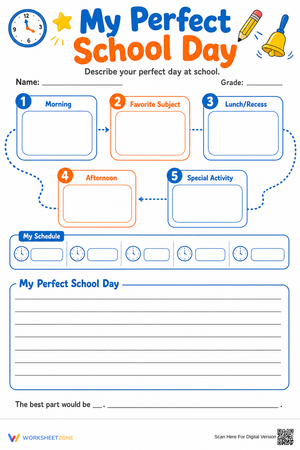
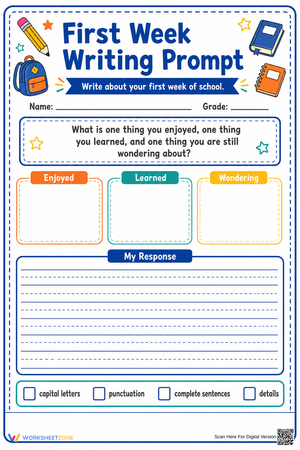
These 2nd grade prewriting worksheets give teachers a ready-to-print set of planning organizers students complete before drafting — covering brainstorming, story mapping, sequential ordering, and topic-plus-details planning for both narrative and informational writing. Every worksheet targets the stage where most second-grade writers stall: the gap between "I have an idea" and "I know what to write first." Print and hand them out the day before a writing session and the blank-page paralysis that stops most 7-year-olds before a word hits the paper becomes a much smaller problem.
What Each Worksheet Asks Students to Do
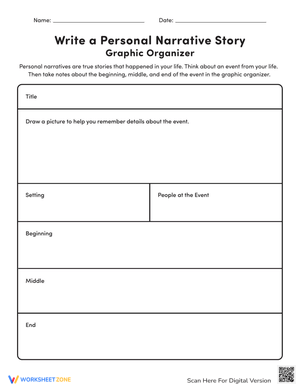
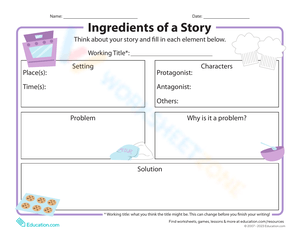
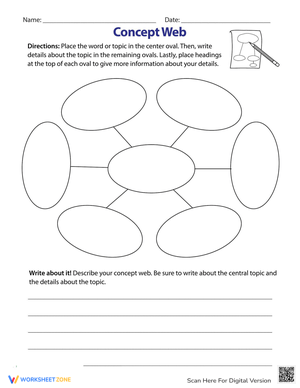
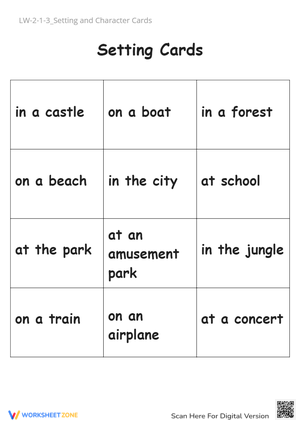
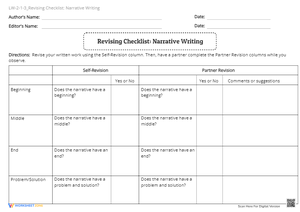
The organizers work across the two primary writing genres second graders produce. For narrative writing, students use a story map to identify the setting, characters, central problem, and resolution before they draft. A separate sequence chart asks them to fill in what happens at the beginning, middle, and end — simple enough to seem obvious, but filling it out forces students to commit to an order rather than inventing events mid-sentence. For informational writing, a main-idea-and-details chart gives students a place to park supporting facts before deciding which ones are strong enough to use. The set also includes a brainstorming web where students jot related ideas around a central topic, and a 5W chart (who, what, where, when, why) that works especially well as a pre-check before students draft informational paragraphs. Download the 2nd grade prewriting worksheets and there is a planning format for every major writing task your class encounters this year.
Mistakes Students Make That These Worksheets Surface
The most consistent problem we see in second-grade drafts isn't spelling or punctuation — it's that students have no mental map of where their piece is going. They write the first thing that comes to mind, then the next, and the piece ends when they run out of time rather than when the story does. These organizers make that planning gap visible before it becomes a drafting problem.
A sharper error shows up when students treat the brainstorming web as a vocabulary list. A student writes "fluffy," "fast," and "brown" in the bubbles for a dog character, then produces sentences like "My dog is fluffy. My dog is fast. My dog is brown." — a literal transcription of labels rather than a story. The web worked as intended; the follow-up instruction needs to show students explicitly that those bubbles are starting points for sentences, not the sentences themselves. That translation step is where the real teaching happens, and the organizer makes the problem easy to spot during a quick conference before drafting begins.
Watch also for students who speed through the story map in five minutes and then stall during drafting. When a student writes "problem: got lost" in the conflict box, ask them one more question out loud — "What happened right when the character got lost?" — before they move to the draft. The organizer captures the label; oral elaboration fills it out enough to actually write from.
Fitting These Worksheets Into Your Writing Workshop Week
The most natural home for these organizers is the launch portion of writing workshop, before students move to independent writing. A 15-minute prewriting block on Monday morning — right after morning meeting, before the week's writing assignment begins — gives students enough time to complete an organizer thoughtfully without burning the energy they need for drafting. Separating the planning task from the drafting task reduces the simultaneous demands on working memory; students who plan beforehand produce more coherent first drafts even when their planning notes look sparse. If your schedule runs tight, the organizers also work as a take-home task the night before a major writing day — students arrive with their ideas already sorted, and the conference time that would otherwise go toward "what should I write about?" goes toward actual drafting support instead.
The first time you introduce any new organizer format, model it under a document camera with a topic of your own. Think aloud through the decisions: "I'm going to put 'recess' in the middle bubble. What do I know about recess? What happens there? What does it feel like?" Students learn the process of using the tool, not just its shape. That 10-minute demonstration on day one pays off for every subsequent use. Teachers who find students rushing through the 2nd grade prewriting worksheets often trace the problem back to skipping this initial modeling step.
Standard Alignment
These worksheets align most directly to CCSS.ELA-LITERACY.W.2.5, which calls for second graders to plan, focus on a topic, and strengthen their writing with guidance from adults and peers. The planning step is the one most often skimmed in practice because it produces no visible finished product — but W.2.5 places it first for a reason. Students who plan produce more coherent drafts, which means the revision and editing work downstream is more focused and productive. The organizers also support W.2.3 (narrative writing) and W.2.2 (informative/explanatory writing) by giving students the structural thinking behind each genre before they attempt to execute it.
Adjusting the Set for a Range of Writers in the Room
For students who finish quickly and produce thin brainstorming webs, add a prompt on the back: "Circle your strongest idea. Write two sentences about why that idea is worth writing about." That extra step builds the evaluative habit that stronger writers use automatically but that developing writers need explicitly taught. For students who freeze when they see a blank graphic organizer — and there are always a few who do — pre-fill the center circle with the topic before handing the worksheet over. Removing that one decision point is often enough to get them started.
ELL students frequently do better when drawing counts as a valid first pass at the brainstorming web. A sketch of the setting inside a story-map box communicates the same planning information as a written word. Once the drawing is there, a brief verbal check-in — "Tell me what's happening here" — transfers the idea into language the student can then write. Students who are far above grade level in writing fluency benefit from using the story map to plan a multi-scene narrative rather than a single event, which challenges them to think about pacing and sequence without any change to the worksheet format itself.
Frequently Asked Questions
What types of graphic organizers are included in the set?
The set includes a brainstorming web, a narrative story map, a beginning-middle-end sequence chart, a main-idea-and-details organizer for informational writing, and a 5W planning chart. Each worksheet addresses a different writing structure or genre, so they are not redundant — teachers select the format that matches the current assignment rather than working through all of them in order.
Can these be used across both narrative and informational writing units?
Yes. The story map and sequence chart are built for narrative work; the main-idea-and-details chart and 5W organizer target informational writing. The brainstorming web is genre-neutral and works as a first step for either. Most second-grade teachers keep the full set of 2nd grade prewriting worksheets on hand and rotate through formats as their writing units shift across the year.
What should I do when a student completes the organizer but still can't start drafting?
This usually means the organizer was filled in with labels rather than ideas. Sit down with the student, point to the first box, and say: "Read me what you wrote here. Now tell me what that means in a full sentence." Have them say it out loud, then direct them to write exactly that sentence. Most second graders can say what they mean before they can write it, and one spoken sentence is enough to break the logjam. After two or three of those moments in a guided writing setting, students begin doing this self-talk on their own without the prompt.












 Interactive Worksheet Maker
 Quiz Maker
 Word Search Maker
 Crossword Puzzle Maker
 Word Scramble Generator
 Sentence Scramble Generator
 Handwriting Worksheet Generator
 Name Tracing Generator
 Fill In The Blank Generator