The Role of Consonant Blends in Phonics Instruction
Teaching foundational literacy requires a systematic approach to decoding, and consonant blends represent a significant milestone in that journey. When young learners move beyond basic consonant-vowel-consonant (CVC) words, they encounter consonant blends. These are groups of two or three consonants located adjacent to one another within a word, where each individual letter retains its own distinct sound. Unlike other phonetic patterns that merge to form entirely new sounds, blends require students to rapidly sequence individual consonant sounds together. This rapid sequencing is a critical component of reading fluency and directly impacts reading comprehension.
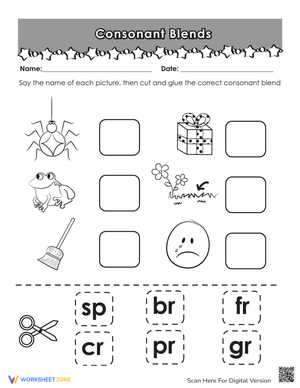
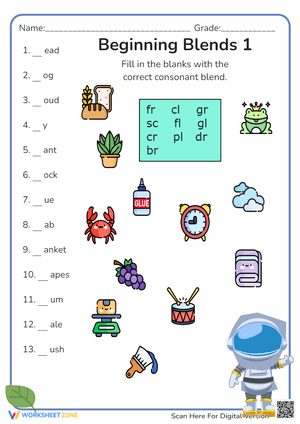
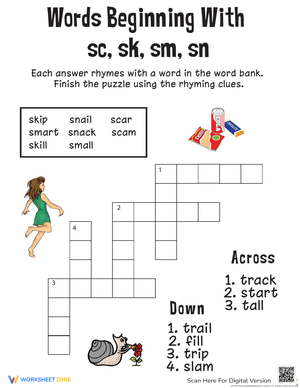
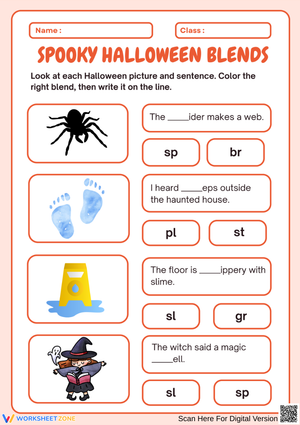
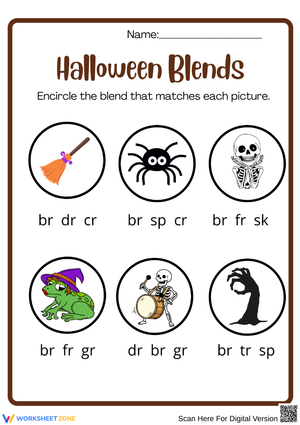
For teachers, providing targeted practice is essential. Using a well-structured word blends worksheets allows teachers to offer systematic, repeated exposure to these letter combinations. Without this deliberate practice, students may struggle to decode multisyllabic words later in their academic careers. The ability to quickly identify and vocalize a blend like "br" or "st" reduces the cognitive load required for decoding, freeing up mental resources for understanding the text. Consonant blends act as the bridge between simple phonics and advanced word recognition, making them an indispensable focus area for primary school teachers.
Distinguishing Consonant Blends from Digraphs
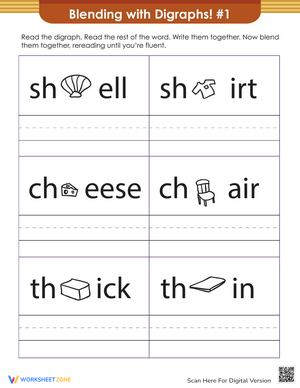
One of the most common hurdles in early phonics instruction is the confusion between consonant blends and digraphs. While both consist of multiple consonants placed together, their phonetic functions differ entirely. In a consonant blend, such as the "fl" in "flag" or the "str" in "string," every letter's sound is pronounced. The student must articulate both the /f/ and the /l/ in rapid succession. Conversely, a digraph consists of two consonants that combine to produce a single, distinct sound that does not resemble the individual letters. Classic examples of digraphs include the "sh" in "ship," the "ch" in "chat," and the "th" in "thin."
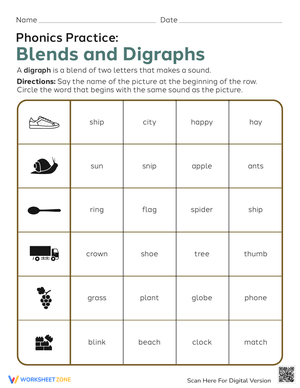
Teachers must make this distinction exceptionally clear to prevent decoding errors. When students mistake a blend for a digraph, they may attempt to invent a new sound for the letter pair, leading to frustration and mispronunciation. To clarify this concept, teachers often use visual aids and auditory exercises that emphasize the separate sounds in a blend. Utilizing a dedicated word blends worksheets that explicitly contrasts blends and digraphs can reinforce this understanding. Worksheets that ask students to sort words into blend and digraph categories provide the necessary repetition to solidify this concept in young minds.
Key Categories of Blends: L, R, S, and Final Sounds
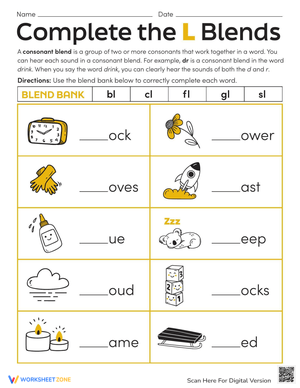
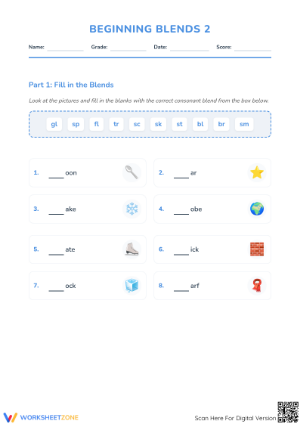
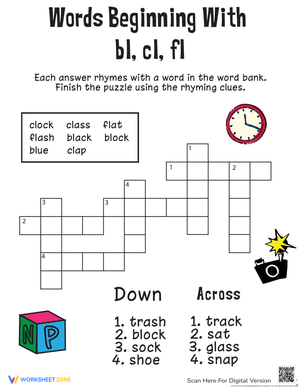
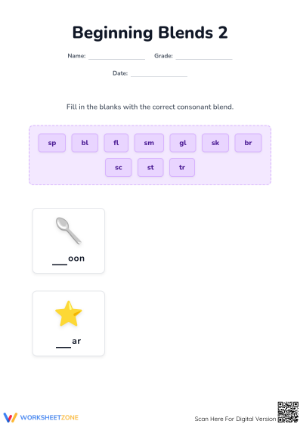
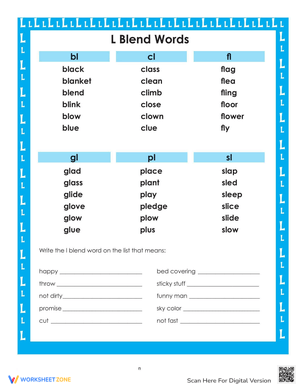
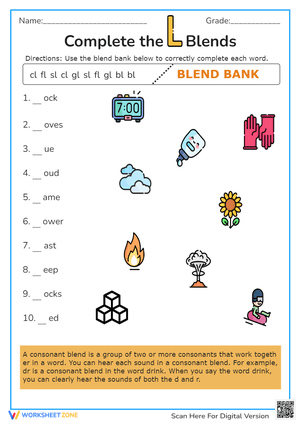
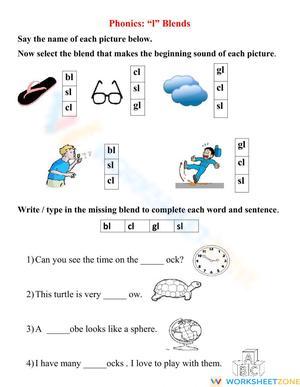
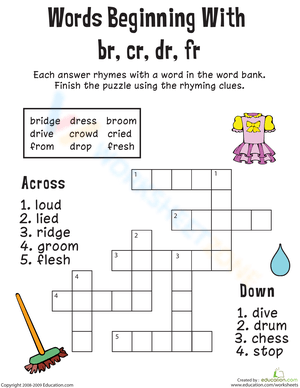
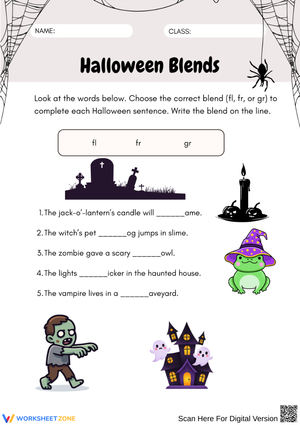
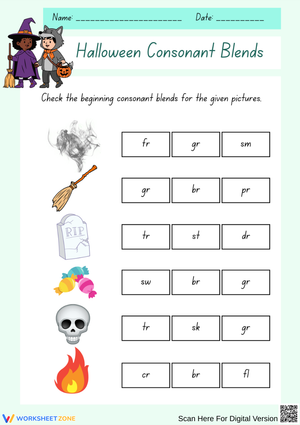
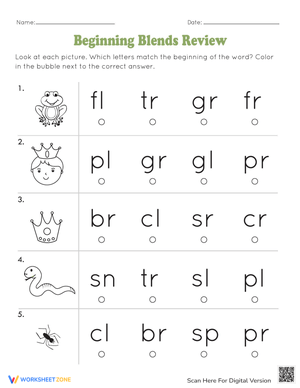
Consonant blends are generally categorized by the dominant letter or their position within a word. The three most frequently taught initial blend groups are L-blends, R-blends, and S-blends. L-blends include combinations such as "bl," "cl," "fl," "gl," "pl," and "sl." These are often introduced early because the /l/ sound is relatively continuous and easy for children to slide into from the preceding consonant. Words like "block," "clip," and "flag" serve as excellent starting points for primary learners. R-blends consist of pairs like "br," "cr," "dr," "fr," "gr," "pr," and "tr." These can be slightly more challenging due to the phonetic nature of the /r/ sound, which often distorts the preceding consonant.
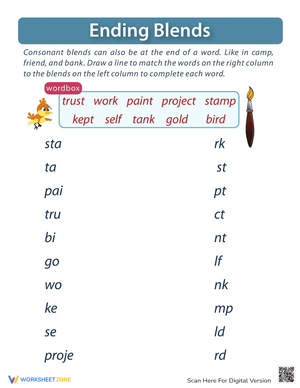
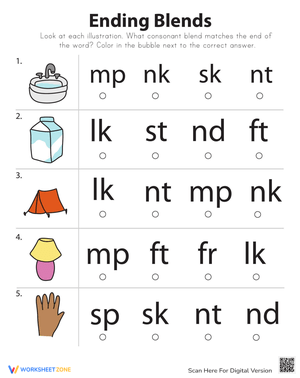
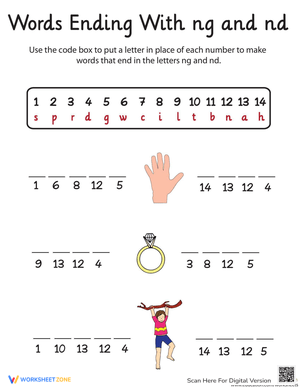
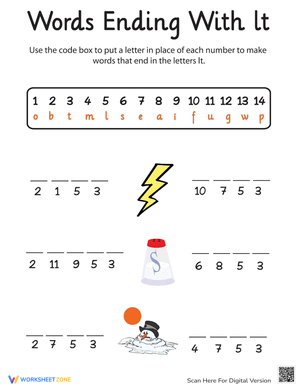
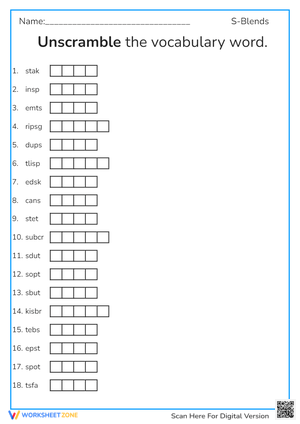
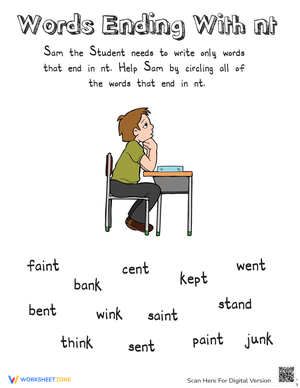
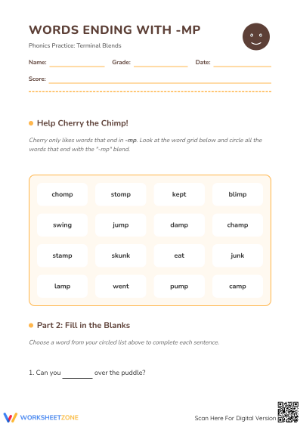
Beyond initial blends, students must also master final blends, which appear at the end of syllables or words. Common examples include "nd" as in "sand," "st" as in "fast," "nt" as in "tent," and "mp" as in "camp." Teaching final blends requires students to pay close attention to the end of the word, a habit that improves spelling accuracy. A comprehensive word blends worksheets should cover all these categories, providing isolated practice for each group before mixing them into comprehensive review activities. This systematic progression guarantees that no phonemic pattern is overlooked.
Why Teachers Need High-Quality Word Blends Worksheets
In the dynamic environment of a primary classroom, having immediate access to reliable instructional materials is an absolute necessity. A high-quality word blends worksheets serves as an indispensable tool for delivering targeted, independent practice. During small group reading rotations, while the teacher is providing intensive instruction to a handful of students, the rest of the class requires meaningful activities that reinforce prior learning. Phonics worksheets perfectly fill this operational need, offering students a structured format to practice identifying, decoding, and writing words with consonant blends.
According to the resource guide "Teaching Phonics: Blends", incorporating visual, auditory, and kinesthetic practice is essential when students learn complex consonant sequences, ensuring they recognize the individual phonetic components within varied contexts. Quality worksheets integrate these varied instructional modalities by combining tracing exercises, picture matching, and word searches. This variety keeps young learners engaged and ensures that the material caters to diverse learning styles, ultimately making the abstract concept of phonics concrete and understandable.
Classroom Implementation
Effectively integrating a word blends worksheets into daily instruction requires strategic planning. The most successful implementations do not use worksheets as busy work but rather as an extension of explicit, teacher-led instruction. A typical lesson should begin with a whole-group auditory exercise, where the teacher models the sound of a specific blend and asks students to repeat it. Once the auditory foundation is established, the teacher can introduce the visual representation of the letters, using manipulatives like magnetic letters or flashcards to demonstrate how the individual sounds combine.
Following this direct instruction, guided practice allows the teacher to observe students as they apply the new concept. This is the optimal time to introduce the worksheet. Teachers should model how to complete the first few exercises, emphasizing the strategy of sounding out each letter before blending them together. As students transition to independent practice, the worksheet serves as a formative assessment tool, revealing which students have grasped the concept and which require additional intervention.
A highly effective, yet often underutilized strategy is the "backward blending" technique. Instead of asking students to sound out words from left to right, teachers can have students identify the vowel and the final consonants first, and then attach the initial consonant blend at the very end of the decoding process. This reduces working memory strain for early readers, allowing them to process complex phonetic structures with significantly higher accuracy and less frustration during independent worksheet tasks.
Supporting At-Home Phonics Practice
The learning process does not stop when the school bell rings, and parent involvement is a major determinant of early literacy success. Homeschooling parents and literacy tutors often seek out clear, actionable resources to support their children's reading development. Sending a word blends worksheets home is an excellent way to bridge the gap between classroom instruction and home practice. However, it is important that parents understand how to use these resources effectively, rather than treating them as a simple test of knowledge.
According to the literacy resource "What Are Consonant Blends?", consonant blends are groups of two or three consonants in words that make a distinct consonant sound, such as the "bl" in "black" or the "spl" in "splash." Parents who understand this definition are better equipped to correct their children gently when they mistakenly blend letters into a single digraph sound. Providing parents with these straightforward, printable resources empowers them to become active participants in their child's educational journey, reinforcing the foundational skills necessary for fluent reading.
Frequently Asked Questions
1. How are consonant blends different from digraphs?
Consonant blends consist of two or three letters where every individual sound is pronounced, such as the /s/ and /t/ in "stop." In contrast, digraphs are letter pairs that merge to create one entirely new sound, like the "sh" in "ship" or the "ch" in "chat." Understanding this distinction is vital for accurate early decoding.
2. What are the best strategies for teaching blends to children?
The most effective strategies involve explicit, multi-sensory instruction. Start with auditory discrimination exercises, move to visual letter manipulation, and follow up with systematic independent practice using a targeted word blends worksheets. Incorporating visual aids and practicing continuous blending helps children sequence the sounds smoothly.
3. Are there fun activities to practice blends at home?
Yes, parents can easily turn worksheet practice into engaging games. Try having children hunt for items around the house that start with the blend featured on their worksheet, or play auditory blending games where the parent segments a word and the child guesses it. These interactive methods reinforce learning while maintaining a positive environment.












 Interactive Worksheet Maker
 Quiz Maker
 Word Search Maker
 Crossword Puzzle Maker
 Word Scramble Generator
 Sentence Scramble Generator
 Handwriting Worksheet Generator
 Name Tracing Generator
 Fill In The Blank Generator