Mastering Phonics with Onset and Rime Resources
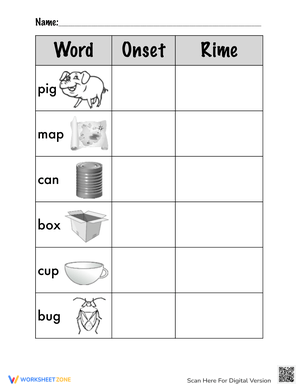
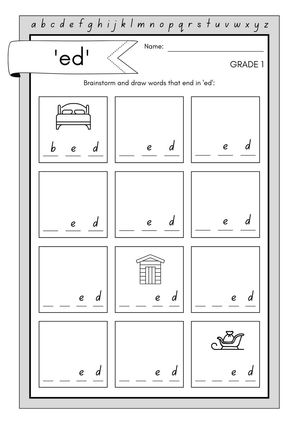
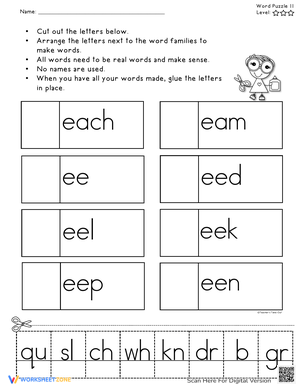
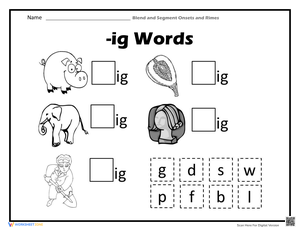
By breaking words down into smaller, predictable chunks, teachers can help students transition from sounding out individual letters to recognizing familiar patterns. An onset is the initial consonant or consonant blend at the beginning of a single syllable, such as the "c" in the word "cat" or the "bl" in "block." The rime is the vowel and any following consonants that make up the rest of the syllable, like the "at" or "ock." Providing students with an onsets and rimes worksheets allows for targeted practice, helping them internalize these linguistic structures. These printables are designed specifically for classroom instruction, offering teachers, ESL instructors, and intervention specialists practical tools to support literacy development.
When young learners interact with onsets and rimes, they begin to notice how words are related. This instructional method bridges the gap between basic phonological awareness and successful word decoding. By recognizing the rime, students no longer need to decode every single sound in a word. Instead, they can blend the onset with the familiar rime to read new vocabulary quickly. Utilizing a high-quality onsets and rimes worksheets in the classroom provides the repetition necessary for this skill to become automatic. Teachers can use these materials during whole-group lessons, reading rotations, or as independent activities.
Bridging Phonological Awareness and Decoding
Phonological awareness is a foundational skill that precedes formal reading instruction, focusing on the ability to recognize and manipulate sounds in spoken language. As students progress toward reading text, they must apply these auditory skills to printed letters. Instruction centered on onset and rime acts as a powerful bridge between hearing sounds and decoding text. When teachers utilize an onsets and rimes worksheets, they provide visual representation for these auditory patterns, giving students concrete examples to interact with.
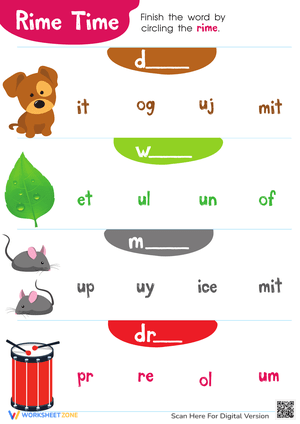
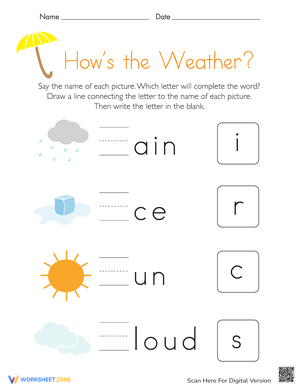
Students who struggle with blending individual phonemes often find success when words are broken into onsets and rimes. For example, blending "s" and "un" to make "sun" is cognitively less demanding than blending the isolated sounds "s-u-n." This approach reduces the cognitive load on early readers, allowing them to experience immediate success. This success builds confidence, encouraging further engagement with texts. Worksheets that isolate these components help students visually separate the onset from the rime, reinforcing the concept that words are built from manageable blocks of sound rather than just long strings of isolated letters.
Explicitly teaching onset and rime patterns significantly accelerates word recognition rates among beginning readers by shifting their focus from letter-by-letter decoding to orthographic chunking. When students process text in chunks rather than individual phonemes, their working memory is freed up to focus on reading comprehension rather than just mechanical decoding.
Building Word Families for Fluent Reading
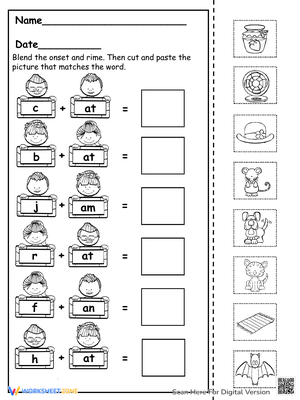
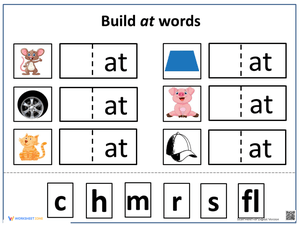
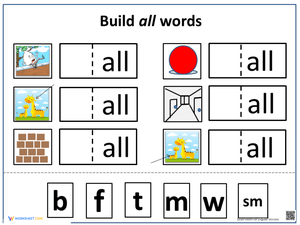
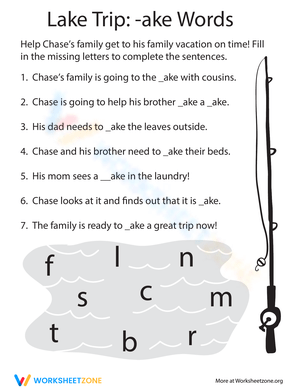
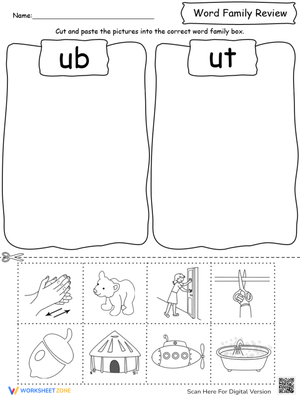
One of the primary benefits of teaching rimes is the natural progression into learning word families. A word family consists of words that share the same rime but have different onsets. For instance, the "-at" family includes words like cat, bat, sat, mat, and flat. By recognizing that the rime stays constant while the onset changes, students can rapidly expand their reading vocabulary. An onsets and rimes worksheets often includes specific exercises dedicated to these word families, making reading much more predictable and significantly less intimidating for beginners.
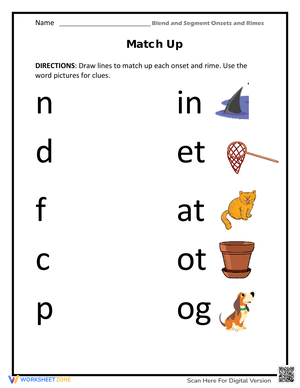
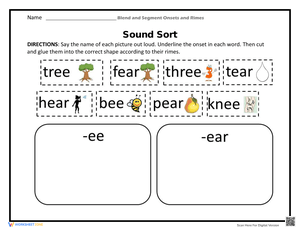
When teachers introduce a new word family, they can use printable worksheets to provide extensive practice. Students might match different onsets to a specific rime, sort pictures based on their word family, or generate their own lists of rhyming words. This extensive interaction with word families directly supports reading fluency. As students repeatedly encounter these familiar patterns in print, their recognition speed increases. This rapid pattern recognition is a hallmark of fluent reading, allowing students to read connected text with proper pacing and expression rather than halting at every unknown word.
Targeted Practice for Phonics Mastery
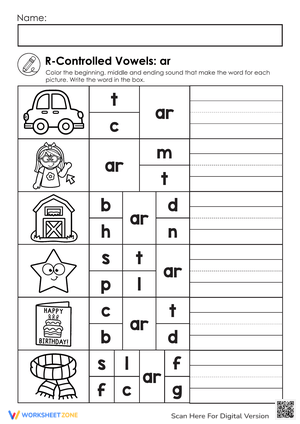
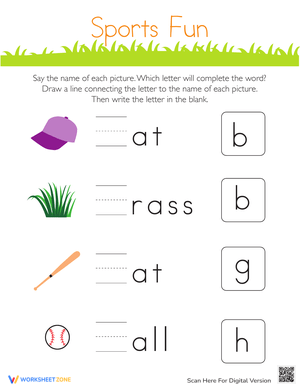
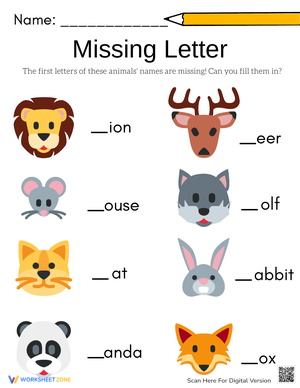
To achieve true mastery of phonics patterns, students need varied and targeted practice opportunities. A comprehensive onsets and rimes worksheets should include multiple activity types to keep students engaged while addressing different learning styles. Some students benefit from visual sorting activities where they categorize words based on their rime, while others might prefer writing exercises where they combine a given onset with various rimes to create a list of rhyming vocabulary words.
These printables can easily be integrated into daily classroom routines. Teachers might use a quick matching worksheet as a morning warm-up activity, or provide a more complex word-building exercise during literacy centers. The flexibility of an onsets and rimes worksheets means that teachers can select the exact activity needed to support their current instructional goals. Furthermore, these resources can be sent home for family engagement, providing parents with a clear, structured way to support their child's phonics development outside of the classroom environment.
Research-Based Instructional Strategies
According to researchers at Reading Rockets, teaching children about onset and rime helps them quickly recognize common chunks within reading vocabulary words, which can increase their decoding speed by up to forty percent during specialized early literacy interventions inside the primary classroom environment.
Because this method emphasizes predictable phonetic patterns, it provides a structured framework that can demystify the English spelling system. For struggling readers, working with an onsets and rimes worksheets breaks the overwhelming task of reading into manageable, achievable steps. By focusing on familiar rimes, these students can leverage what they already know to decode unfamiliar vocabulary, reducing frustration and building reading stamina.
Classroom Implementation
Effective implementation of onset and rime instruction requires thoughtful planning and consistent execution. When integrating an onsets and rimes worksheets into your lesson plans, consider starting with explicit teacher modeling. Demonstrate how to break a word apart into its onset and rime, and then how to blend them back together. Use oversized printable cards or a smartboard to ensure the whole class can see the visual separation of the word parts before moving on to individual paper practice.
During small-group instruction, teachers can use these printables to target specific student needs. If a group of students has mastered short vowel rimes but struggles with blends, the teacher can select specific pages from the onsets and rimes worksheets that address that exact deficit. This targeted intervention is much more effective than assigning generalized phonics practice. Additionally, consider using these worksheets as formative assessments. By observing how quickly and accurately a student can complete an onset-rime matching activity, teachers can easily gauge their current level of phonological processing and adjust future instruction accordingly.
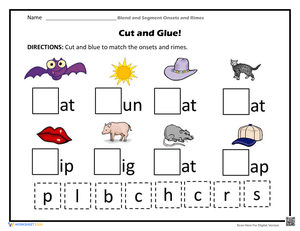
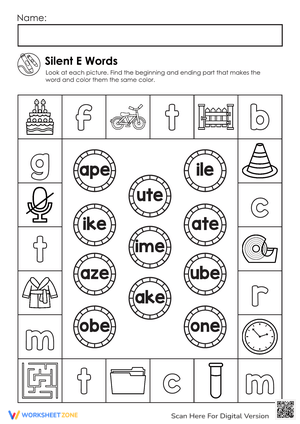
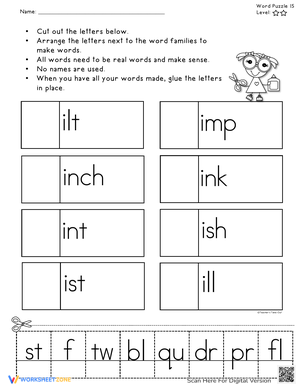
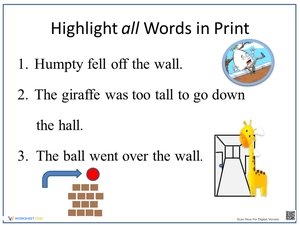
To maximize engagement, teachers can adapt standard worksheets into hands-on activities. For instance, teachers can cut out the onsets and rimes from a worksheet and have students physically manipulate the pieces to build words on their desks. This tactile approach is highly beneficial for kinesthetic learners and adds a gamified element to basic phonics practice. Another effective strategy is to have students use highlighters to color-code the onset and rime within a list of words on the worksheet, reinforcing the visual distinction between the two parts of the syllable.
Frequently Asked Questions
1. Why is onset-rime important for reading success?
Onset-rime instruction is highly important for reading success because it teaches students to recognize familiar chunks within words. This chunking strategy allows early readers to decode words much faster than sounding out every individual letter, which directly improves reading fluency, spelling accuracy, and overall comprehension skills.
2. How can I teach onset and rime to a reluctant reader?
To teach onset and rime to a reluctant reader, make the process interactive and hands-on. Instead of relying solely on traditional paper-and-pencil tasks, try cutting an onsets and rimes worksheets into puzzle pieces for the student to assemble. Using manipulatives, color-coding, or turning the blending process into a matching game can significantly increase engagement.
3. What are some common word families based on rimes?
Common word families based on rimes include the "-at" family (cat, hat, bat), the "-op" family (hop, pop, top), and the "-ink" family (pink, sink, think). Focusing on these highly predictable families helps students quickly build a large repertoire of recognizable words, making early reading experiences much more successful.












 Interactive Worksheet Maker
 Quiz Maker
 Word Search Maker
 Crossword Puzzle Maker
 Word Scramble Generator
 Sentence Scramble Generator
 Handwriting Worksheet Generator
 Name Tracing Generator
 Fill In The Blank Generator