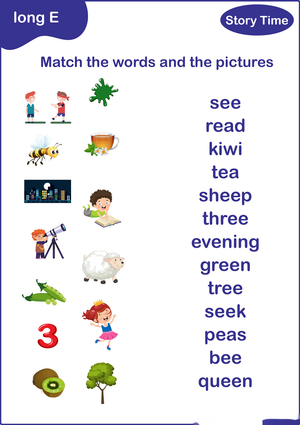
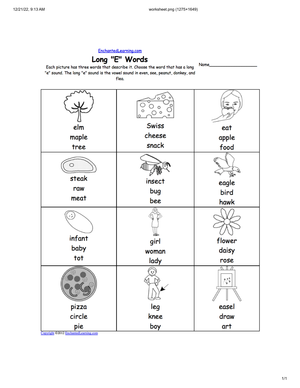
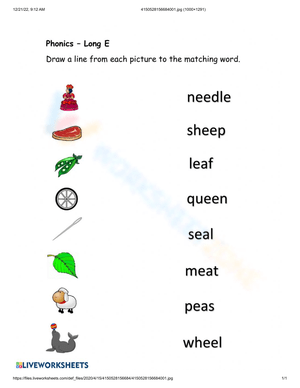
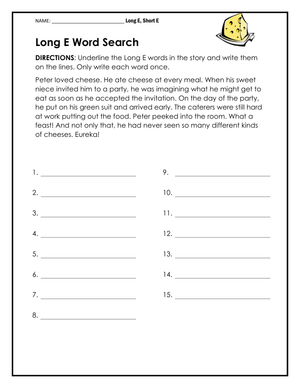
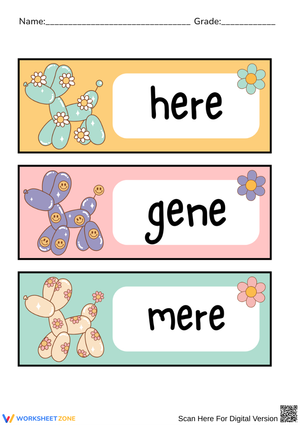
The long e sound can be surprisingly tricky for young readers. It may appear in words like tree, beach, key, baby, and field, but each word uses a different spelling pattern. That is why long e worksheets are so useful in early phonics instruction. They give students repeated, focused practice with the sound while helping them notice how different letter combinations can create the same vowel sound.
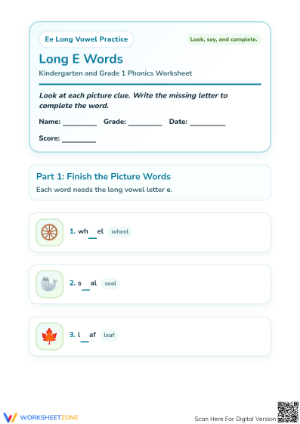
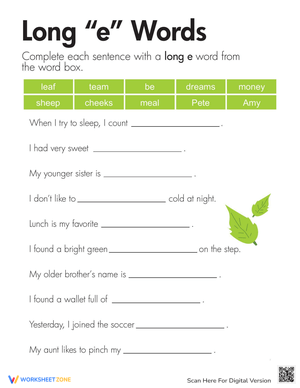
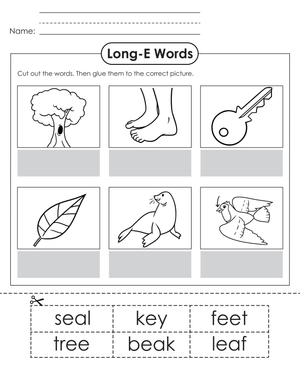
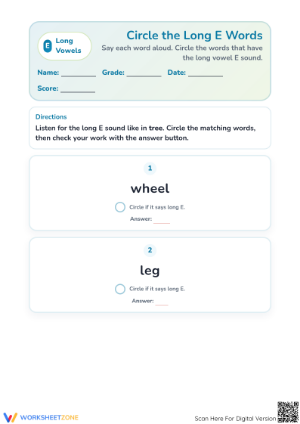
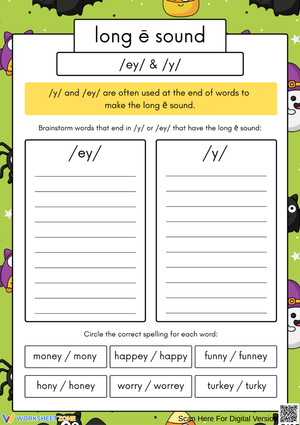
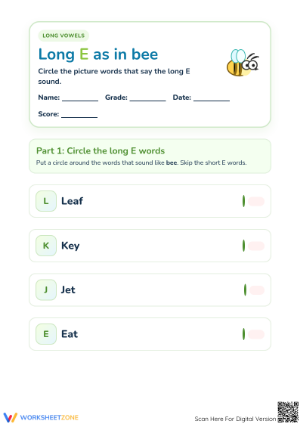
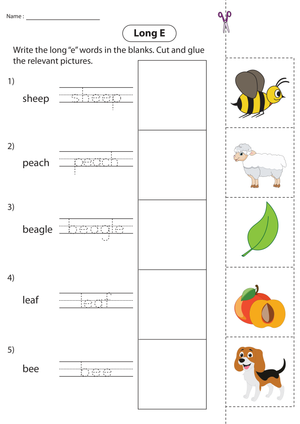
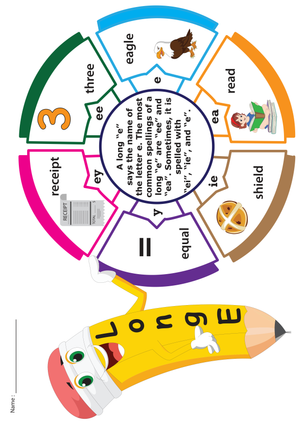
A good long e lesson does not ask children to memorize every pattern at once. Instead, it introduces one spelling pattern at a time, such as ee, ea, e_e, y, ey, or ie. Students might sort words, circle the long e sound, complete missing letters, match words to pictures, or read short sentences. These activities help learners connect spelling, sound, and meaning in a way that feels manageable. For broader vowel work, teachers can also explore this complete vowel pattern collection.
Long e worksheets are especially helpful because this sound appears often in early reading materials. When students can quickly recognize words like see, green, eat, team, and happy, they read with better fluency and less guessing. The worksheets also support spelling development. A child may know how to say a word but feel unsure whether to use ee or ea. Repeated word work gives students more exposure to common patterns, helping them make stronger spelling choices over time.
Teachers can use these worksheets in small groups, phonics centers, morning work, intervention lessons, homework, or review sessions. Some pages may focus on decoding, while others support writing, vocabulary, or sentence reading. To build contrast, teachers can also pair long vowel practice with lessons on short vowel sounds, such as this guide to decoding short vowel patterns. Comparing bed and bead, or met and meet, helps students hear how one vowel change can completely change a word.
Worksheetzone’s long e worksheets are designed to make phonics practice simple, visual, and classroom-ready. Students can work through familiar word families, picture clues, spelling patterns, and sentence examples at a steady pace. With consistent practice, they begin to recognize long e words more automatically, read with greater confidence, and apply vowel patterns in their own writing. Whether used for first instruction, extra support, or literacy review, these worksheets give young readers a clearer path toward stronger decoding skills.
Frequently Asked Questions
Question 1: What spelling patterns are included in long e worksheets?
Long e worksheets often include patterns such as ee, ea, e_e, ie, ey, and y at the end of words. Students may practice words like tree, read, theme, chief, key, and happy. These patterns help learners understand that the same vowel sound can be spelled in several different ways.
Question 2: What grade levels are long e worksheets best for?
These worksheets are most useful for kindergarten, first grade, and second grade students, though older learners who need phonics review can also benefit. Younger students may begin with picture matching and word sorting, while more advanced readers can practice sentences, spelling patterns, and short reading passages.
Question 3: How do long e worksheets support reading fluency?
Long e worksheets help students recognize common vowel patterns quickly. When learners no longer need to pause and guess every long e word, they can read sentences more smoothly. This improves fluency, accuracy, and confidence during independent reading.
Question 4: How can teachers use long e worksheets in phonics lessons?
Teachers can use them for direct instruction, small-group reading, literacy centers, morning work, homework, intervention, or quick review. They work especially well when paired with word reading, spelling practice, picture clues, and sentence-level activities.












 Interactive Worksheet Maker
 Quiz Maker
 Word Search Maker
 Crossword Puzzle Maker
 Word Scramble Generator
 Sentence Scramble Generator
 Handwriting Worksheet Generator
 Name Tracing Generator
 Fill In The Blank Generator