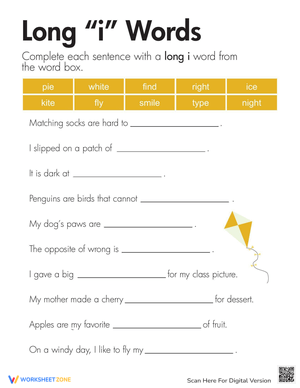
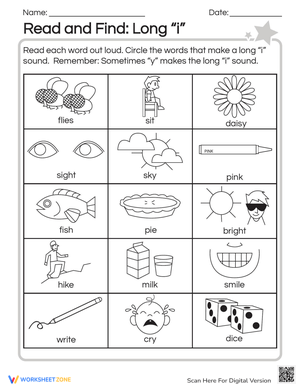
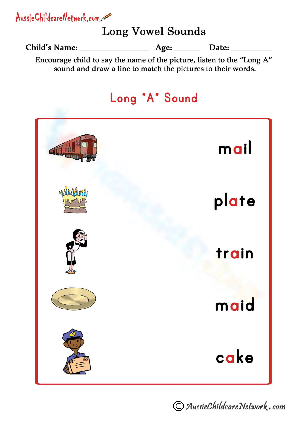
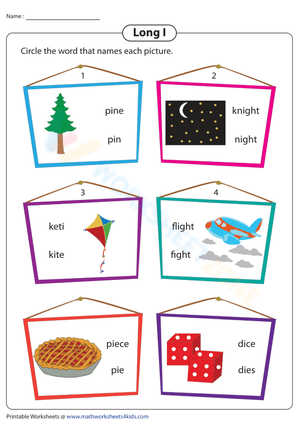
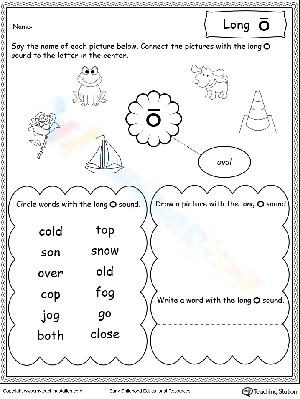
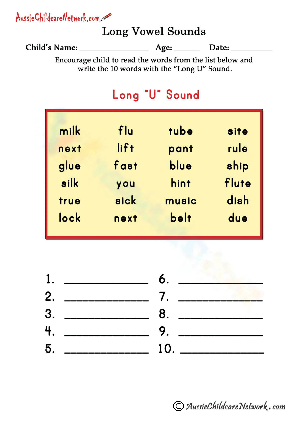
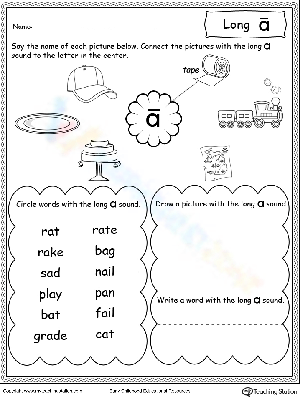
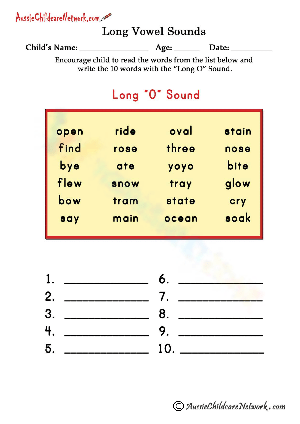
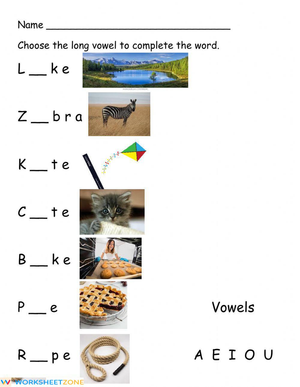
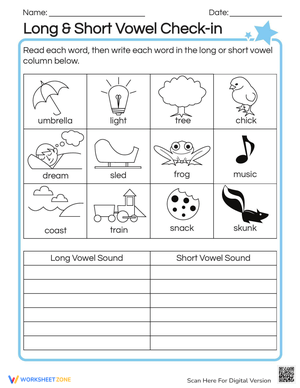
Long vowel instruction is not just a classroom tradition; it is grounded in decades of reading research. Teachers planning a phonics unit can lean on this evidence to justify time spent on explicit, sequenced instruction rather than incidental exposure.
The National Reading Panel (2000) found that systematic phonics instruction produces an overall mean effect size of plus 0.41, with significant benefits for children from kindergarten through sixth grade. That effect size places phonics instruction among the more reliable levers available to classroom teachers, and it is a big reason many literacy coaches push back against unstructured, discovery-based approaches to vowel patterns.
The panel also found that the greatest reading gains come from phonics instruction that follows a planned sequence of elements, rather than incidental exposure while reading connected text. This finding directly supports using long vowels worksheets as part of a deliberate scope and sequence instead of scattering vowel-pattern practice across unrelated activities.
Sequencing Long Vowel Patterns: Silent E, Vowel Teams, and Open Syllables
Most research-based scope-and-sequence approaches recommend teaching one long vowel spelling pattern at a time, starting with explicit instruction before moving into mixed practice. A common and effective order looks like this:
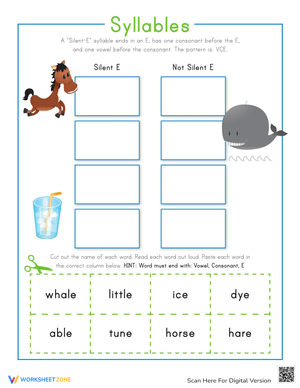
- Silent e (CVCe) words such as cake, bike, and hope
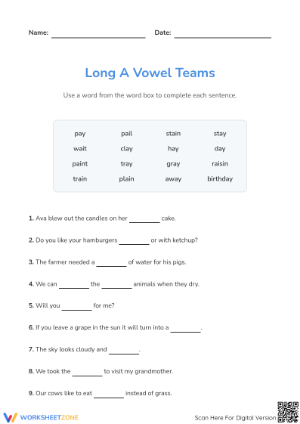
- Vowel teams such as ai, ay, ee, ea, oa, and ow
- Open syllables, where a single vowel at the end of a syllable says its name, as in the first syllable of paper or the word she
Introducing silent e first gives students an anchor pattern that is visually consistent and easy to spot. Once that pattern is automatic, vowel teams add complexity because multiple spellings can represent the same sound. Open syllables come later because they require students to notice syllable structure, not just letter combinations. Long vowels worksheets organized by pattern, rather than mixed randomly, let you control which skill students practice on a given day.
Pairing Worksheets With Decodable Text for Transfer
Worksheets alone will not create readers. Literacy specialists following Science of Reading approaches recommend pairing explicit long vowel instruction with decodable text practice so students transfer spelling-pattern knowledge to authentic reading, not just isolated word lists.
A practical routine: teach the pattern, practice it on a worksheet, then hand students a decodable passage loaded with that same pattern. Ask them to underline every long vowel word they find before reading the passage aloud. This bridges the gap between recognizing a pattern in isolation and applying it while reading connected text, which is the actual instructional goal.
Classroom Implementation
Here is a simple weekly cadence for using long vowels worksheets without overloading your lesson plans:
- Monday: Introduce the new pattern with direct instruction and a guided worksheet
- Tuesday: Independent worksheet practice with a partner check
- Wednesday: Small-group reteaching using worksheet data from Tuesday
- Thursday: Decodable text practice paired with the same spelling pattern
- Friday: Mixed review worksheet combining the new pattern with previously taught ones
This cadence keeps worksheet use purposeful. Each day has a clear instructional job, and Friday's mixed review gives you a quick snapshot of retention before moving to a new pattern the following week.
Frequently Asked Questions
1. What grade level typically focuses on long vowel sounds and spelling patterns?
Long vowel instruction is a core focus in kindergarten through second grade, with silent e patterns often introduced in kindergarten or first grade and vowel teams and open syllables building through second grade.
2. What is the difference between a long vowel and a short vowel for classroom instruction purposes?
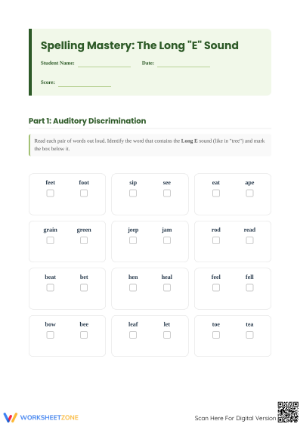
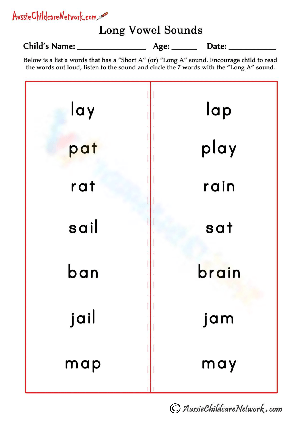
A long vowel sound says the letter name, as in the a in cake, while a short vowel sound is the clipped sound heard in cat. Teaching students to spot spelling patterns like silent e or vowel teams helps them predict when a vowel will be long.
3. How often should teachers use long vowel worksheets during a phonics unit?
Most units benefit from daily, short worksheet practice tied to that day's specific pattern, with a mixed-review worksheet at the end of the week to check retention across patterns taught so far.
4. How can long vowel worksheets support small-group reading intervention?
Worksheets used as quick warm-ups in small groups reveal exactly which students still confuse a pattern, letting teachers reteach in real time rather than waiting for a formal assessment.
5. What long vowel spelling patterns should be taught first, silent e or vowel teams?
Silent e is typically taught first because it follows a consistent visual rule, giving students a reliable anchor before they tackle vowel teams, which involve multiple spellings for the same sound.












 Interactive Worksheet Maker
 Quiz Maker
 Word Search Maker
 Crossword Puzzle Maker
 Word Scramble Generator
 Sentence Scramble Generator
 Handwriting Worksheet Generator
 Name Tracing Generator
 Fill In The Blank Generator