Vocabulary activities are interactive educational exercises that help students bridge the gap between basic word recognition and fluent usage. These activities refer to word mapping, synonym matching, and contextual storytelling designed for students in grades PreK–12. Worksheetzone provides these resources to ensure young learners develop the linguistic precision and confidence required for long-term academic and social success.
30+ vocabulary activities
Below is a curated list of more than 30 vocabulary activities designed to make word learning more engaging, interactive, and effective for learners of all levels.
1. Flashcards
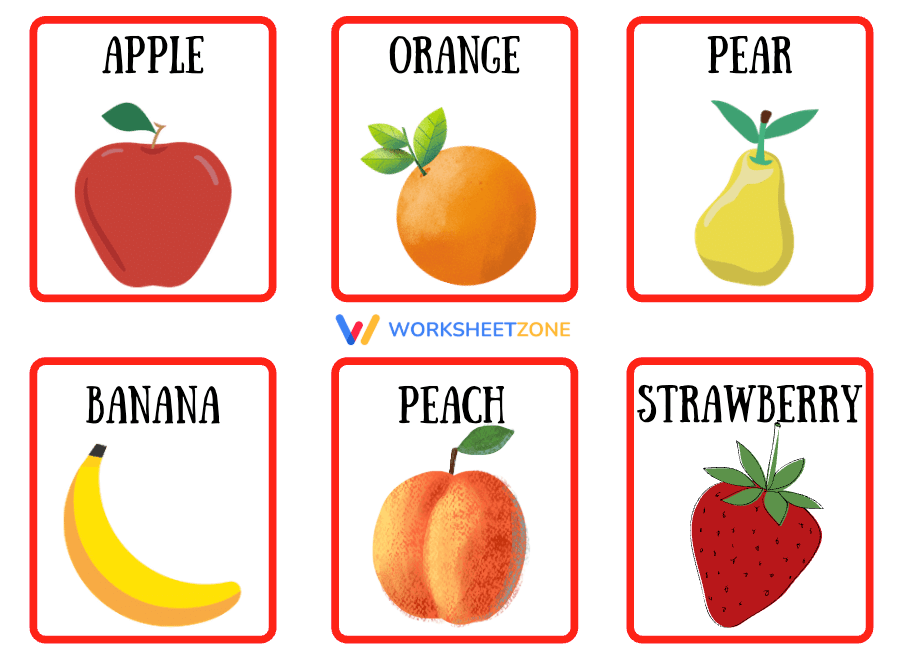
Flashcards remain a staple for a reason. By pacing a target word on one side and its definition, a sample sentence, or an image on the other, you leverage active recall. This method is highly portable and perfect for quick study sessions during commutes or breaks.
2. Word mapping
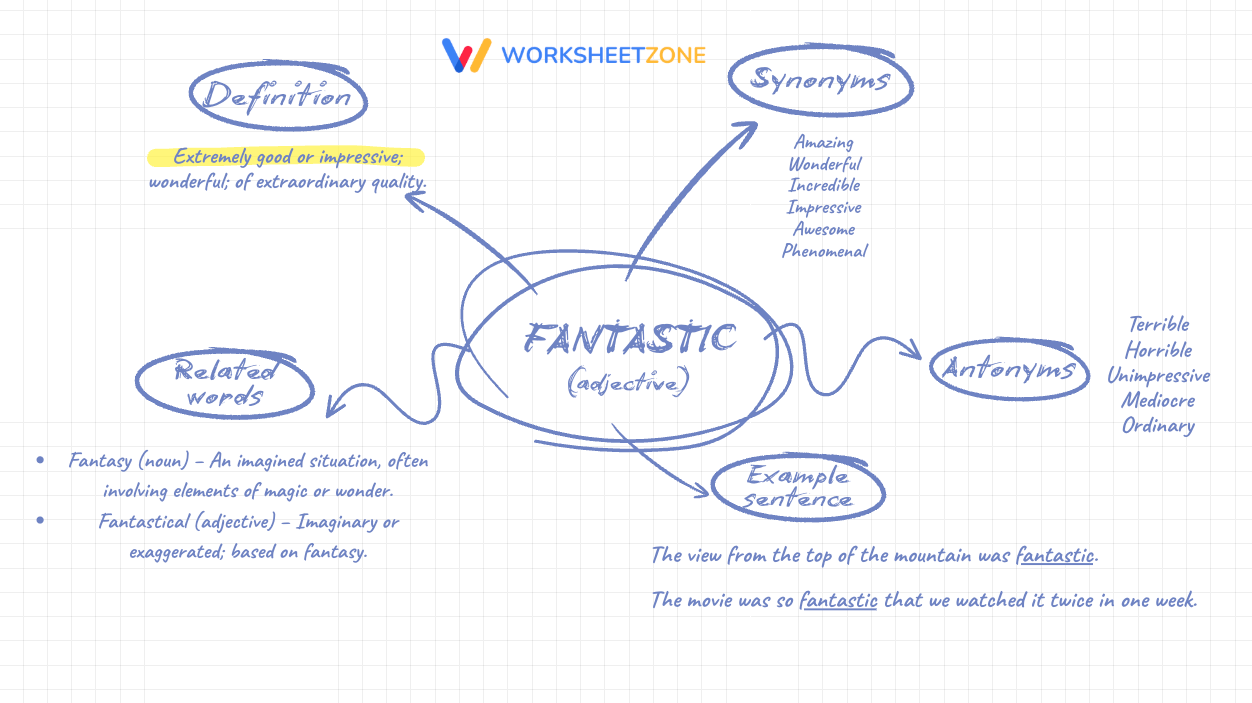
Word mapping is a visual strategy that helps learners understand the relationship between words. You start with a central word and branch out to its definition, synonyms, antonyms, and even its root or suffixes. This creates a mental web that makes the word easier to retrieve.
3. Synonym/antonym matching

This activity challenges you to find “word siblings” and “word opposites.” By matching a new term with words you already know, you build a bridge between your current knowledge and new information, helping you understand the subtle nuances of meaning.
4. Word association game
In this fast-paced game, one person says a word, and the next person must immediately say the first word that comes to mind. It’s a fantastic way to see how words are interconnected in the brain and can lead to interesting discussions about why certain words “feel” like they belong together.
5. Word search
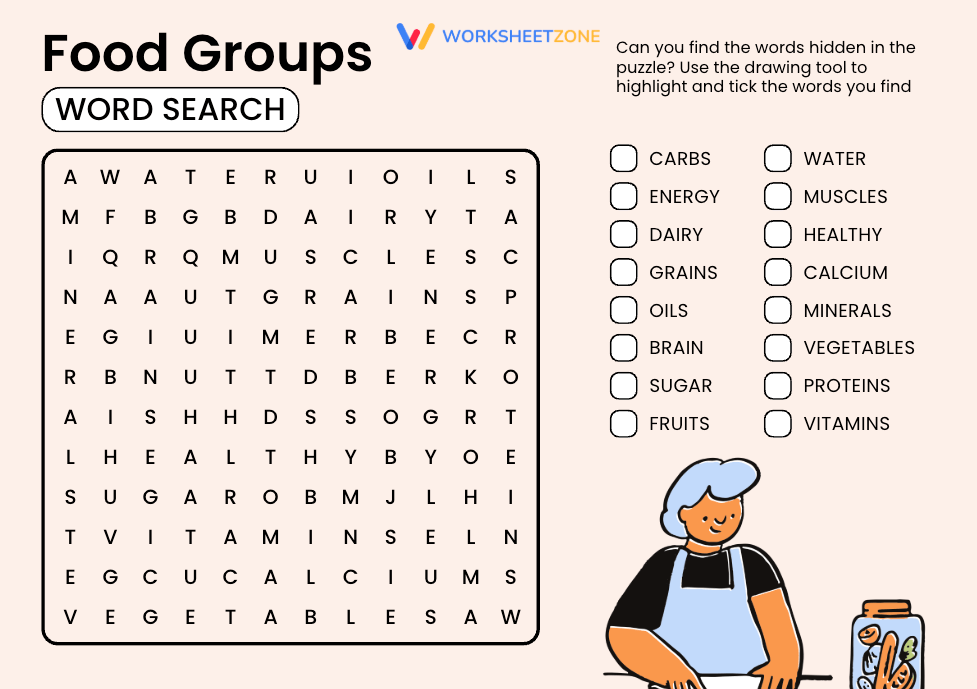
Traditional word searches are excellent for visual recognition and spelling. By hunting for hidden terms within a grid of letters, learners become more familiar with the sequence of characters in complex vocabulary words, reinforcing their orthographic memory.
If you want to create your own custom word search, use the Word Search Generator to design puzzles tailored to your vocabulary needs and enhance your learners’ word recognition skills!
6. Hangman
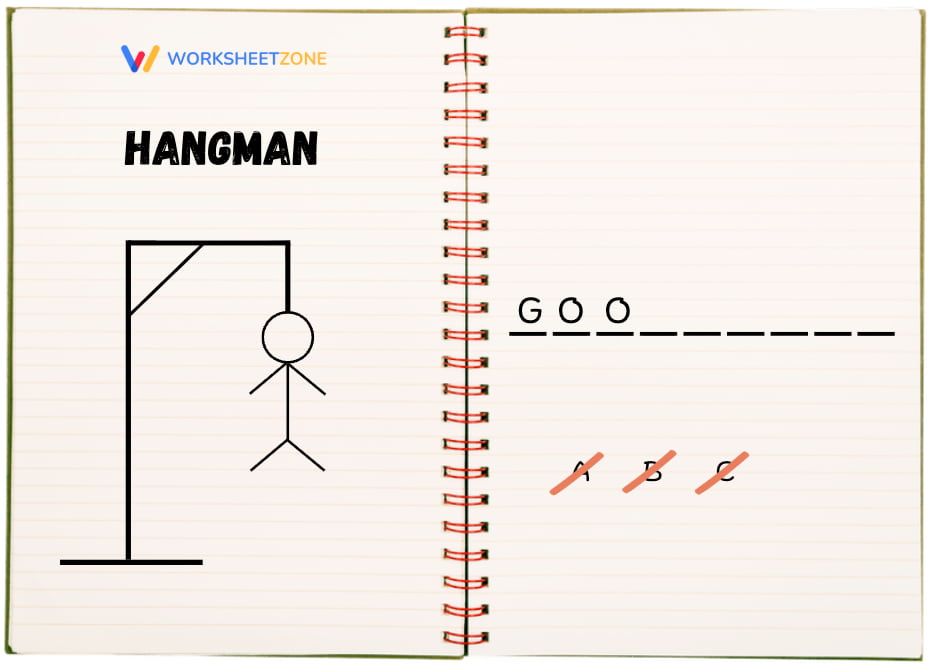
Hangman is a classic classroom favorite that focuses on spelling and letter frequency. It adds a layer of suspense and healthy competition, forcing players to think critically about which letters are most likely to appear in a mystery vocabulary word.
7. Word ladder game

In a word ladder, you start with one word and change it into a target word by swapping one letter at a time at each step. This activity highlights the structural similarities between words and is a great exercise for logical thinking and phonics.
8. Rhyme time
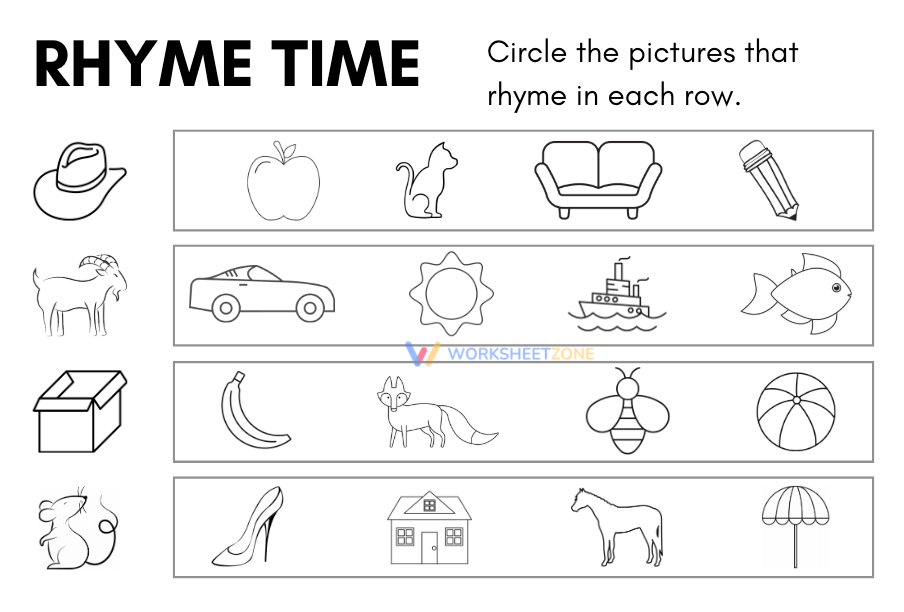
Rhyme time involves finding as many words as possible that rhyme with a target term. This is particularly helpful for auditory learners and poets, as it builds an awareness of word endings and phonetic patterns.
9. Vocabulary bingo

Bingo is an adaptable tool where the “numbers” are replaced with vocabulary words. The caller reads out definitions, and players must identify the correct word on their card. It’s a high-energy way to practice listening comprehension and definition recognition.
10. Word scramble
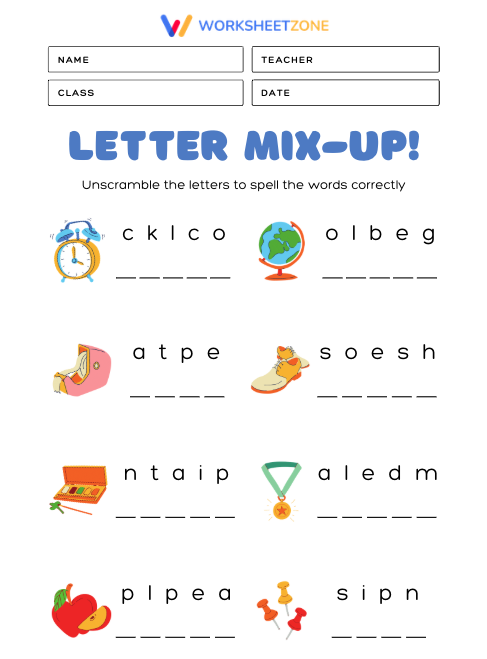
Unscrambling a jumble of letters to find a vocabulary word requires a deep familiarity with its spelling. This activity is a great “brain teaser” that can be used as a warm-up or a quick exit ticket in a learning environment.
Try using the Word Scramble Generator to create custom puzzles that reinforce spelling and vocabulary in a fun, engaging way!
11. Vocabulary tic-tac-toe

To claim a square in this version of the game, a player must correctly define the word in that square or use it in a sentence. It turns a simple game of strategy into a functional assessment of word usage.
12. Spelling bee
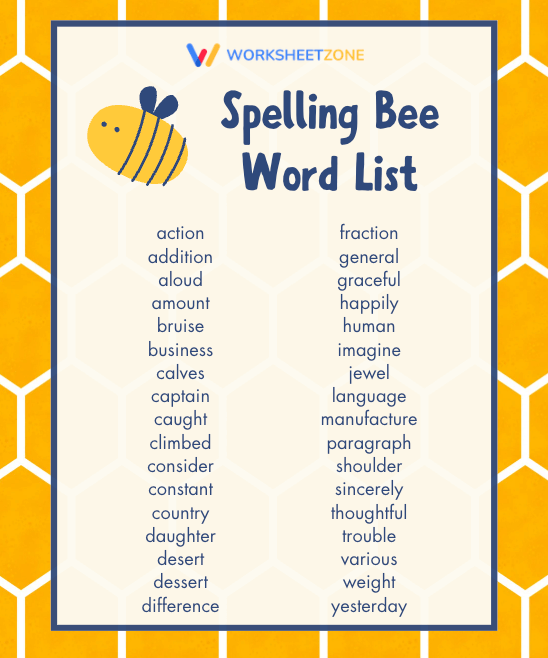
The spelling bee is the ultimate test of phonetic and structural word knowledge. Beyond just spelling, it often involves learning the word’s origin and part of speech, providing a comprehensive understanding of the lexicon.
13. Vocabulary memory match
By placing cards face down, players must flip two at a time to find a matching pair – typically a word and its corresponding definition. This activity builds both vocabulary knowledge and short-term visual memory.
14. Word chain game
In a word chain, the last letter of one word must be the first letter of the next (e.g., “Apple” to “Elephant”). To make it more challenging, you can restrict the chain to specific categories or parts of speech.
15. Crossword
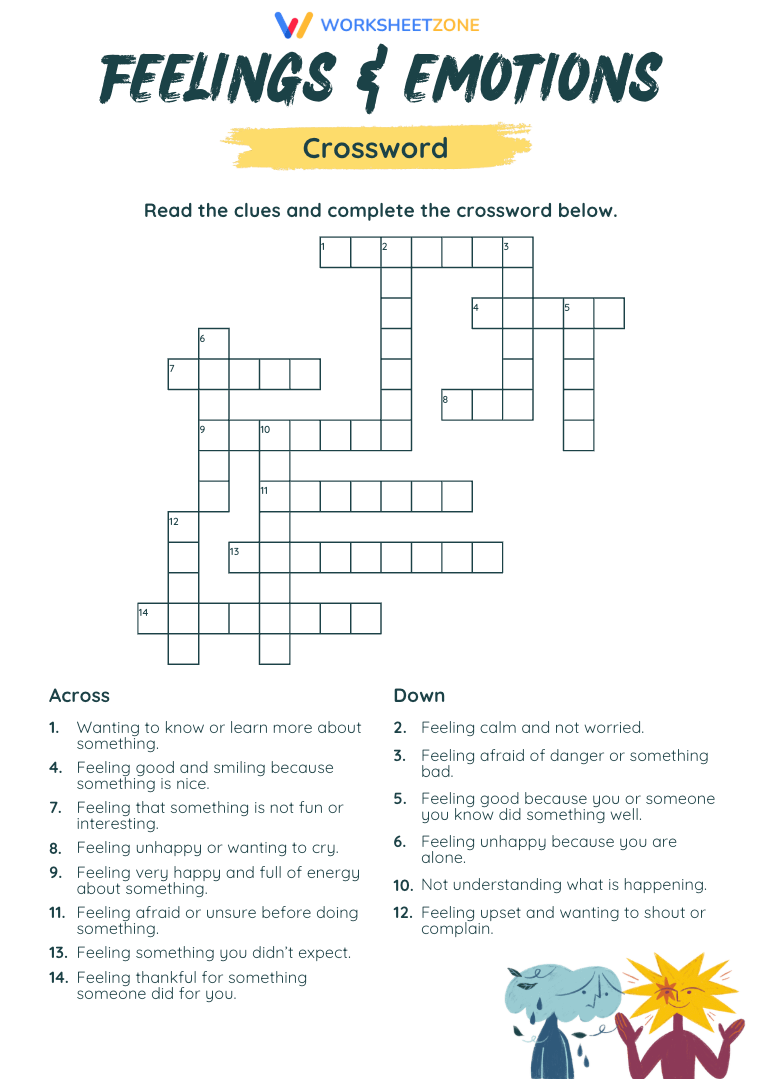
Crosswords are sophisticated puzzles that require learners to use context clues and definitions to fill a grid. They are excellent for building “lateral thinking” skills, as many clues require looking at a word from a different perspective.
Want to create your own custom crossword? Use the Crossword Puzzle Maker to design puzzles that challenge learners to use context clues and build lateral thinking skills!
16. Write a poem using new vocabulary
Creative writing, such as crafting a Haiku or an acrostic poem, forces you to consider the rhythm and emotional weight of words. Using new vocabulary in a poetic context helps solidify its meaning through creative expression.
17. Sentence completion
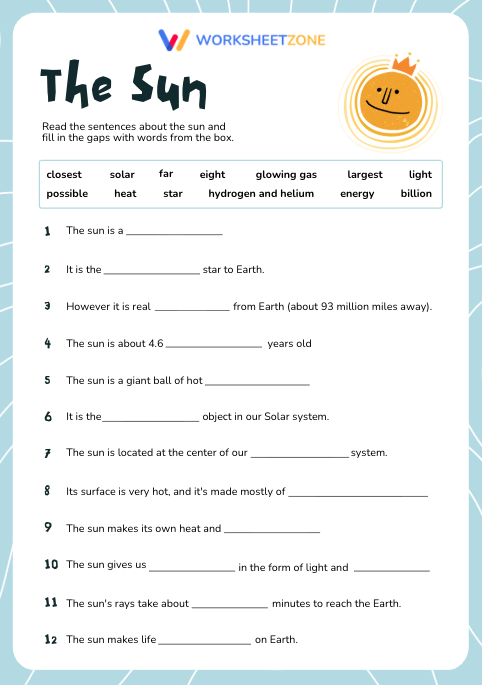
Sentence completion tasks provide a “blank” that must be filled with the most appropriate vocabulary word. This is a standard but effective way to ensure a learner understands the context and “collocation” (which words naturally go together).
18. Pictionary (draw and guess words)
Drawing a word’s meaning without using letters or speech engages the visual and kinesthetic parts of the brain. It’s often hilarious and memorable, making the “image” of the word stick much longer than a written definition might.
19. Story completion
In this activity, you are given the start of a story and a list of “must-use” vocabulary words to finish it. It encourages narrative flow and ensures that words are used in a logical, cohesive sequence.
20. Write sentences using target words
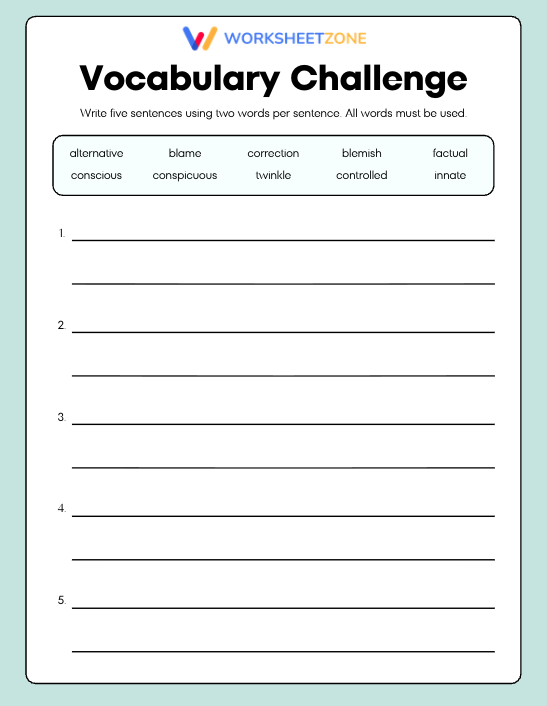
This is a “bread and butter” of vocabulary practice. Writing original sentences ensures that the learner can transition a word from their “passive” vocabulary (understanding it) to their “active” vocabulary (being able to use it).
Writing original sentences is the ultimate test of word mastery. We recommend pairing this with the AI Writing Feedback Suggestion tool to help students refine their usage.
21. Boggle (find words in a grid)
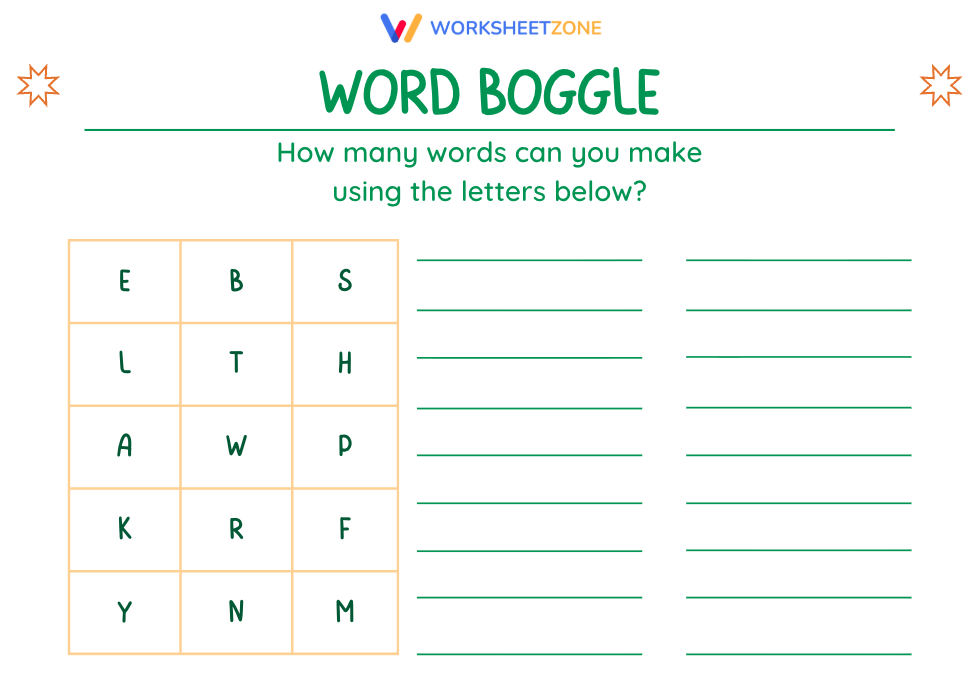
Boggle challenges players to find as many words as possible in a randomized grid of letters. It’s a brilliant exercise for scanning and recognizing smaller word parts or “morphemes” within larger sequences.
22. Scrabble
The quintessential word game, Scrabble, combines vocabulary knowledge with mathematical strategy. It encourages learners to think about high-value letters and how to build upon existing words to maximize their “word power.”
23. Guess the word (based on clues)
Similar to “Headbands” or “20 questions,” one person has a word they can’t see and must ask questions to figure out what it is. This forces the player to think about categories, functions, and descriptions of the target word.
24. Clue word search (find words based on descriptions)

Unlike a standard word search, a clue word search doesn’t give you the list of words to find. Instead, it gives you definitions or riddles, and you must first identify the word before hunting for it in the grid.
25. Word definition scavenger hunt
Hide definitions or word origins around a room or outdoor space. Learners must find the clues and match them back to a master list of words. This adds a physical, kinesthetic element to the learning process.
26. Vocabulary storytelling
In a group, each person adds one sentence to a growing story, but they must include a specific vocabulary word assigned to them. It’s a collaborative and often funny way to see how words can be used in different contexts.
27. Vocabulary flashcard drill with randomization
By shuffling flashcards and varying the “prompt” (sometimes showing the word, sometimes the definition), you prevent the brain from memorizing the order of the cards and ensure it is actually learning the content.
28. Write a short dialogue using new vocabulary

Drafting a conversation between two characters allows you to practice “register” – understanding whether a word is formal, informal, or slang. It’s excellent for preparing for real-world social interactions.
29. Speed word definition challenge
Set a timer for 60 seconds and see how many words from a list you can accurately define. This builds “fluency,” which is the ability to access word meanings quickly and without significant effort.
30. Word guessing game (charades)

Acting out a word (like “exasperated” or “rejuvenate”) requires a deep understanding of the emotion or action behind the term. It is a high-energy activity that makes the learning process feel like a party.
31. Alphabet word challenge
Pick a theme (like “nature” or “business”) and try to find a relevant vocabulary word for every letter of the alphabet. This is a great way to push past common words and find more unique terminology.
32. Concentration game (memory matching)
This is a variation of the memory match where the focus is on the “concentration” required to remember the location of specific word/definition pairs. It’s a great quiet-time activity for building focus.
33. Group word definition quiz

Divide a group into teams and host a “game show” style quiz. Teamwork encourages peer-to-peer learning, as students often explain the meanings to one another in their own words, which is often more effective than a teacher’s explanation.
Frequently Asked Questions (FAQs)
1. How often should I include these in my lesson plans?
We recommend using at least one vocabulary activity daily. Short, 10-minute bursts of engagement are more effective than long, infrequent sessions. Consistency is key to moving words from short-term memory to long-term mastery.
2. Can these be used for homeschooling?
Absolutely. Most Worksheetzone vocabulary tasks require minimal materials and are perfect for one-on-one instruction. They turn “study time” into “game time,” which significantly reduces academic anxiety for young learners.
3. Do these activities help with standardized tests?
Yes. By building a deep understanding of word meanings and contextual usage, these activities directly support the skills required for standardized literacy assessments. Students who practice varied vocabulary tasks are better prepared for the rigors of formal testing.
Final thoughts
Vocabulary activities foster children’s communicative curiosity and focus through active word exploration. In a classroom setting, these strategies work best when they move beyond dry memorization to foster true mastery. According to research from the Harvard Graduate School of Education, varied engagement with new words is the most effective way to ensure long-term retention and flexible usage.
Looking for more? Explore our related guides on Grammar Activities, and Literacy Games for Kids.