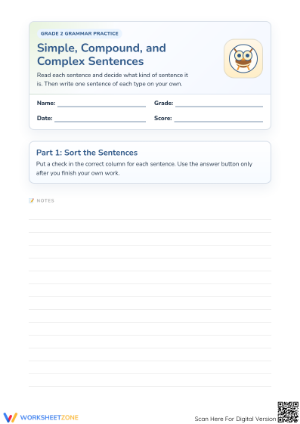
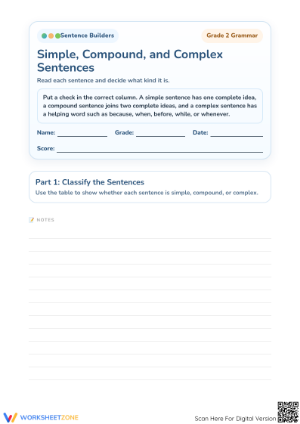
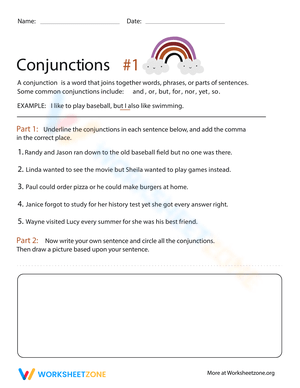
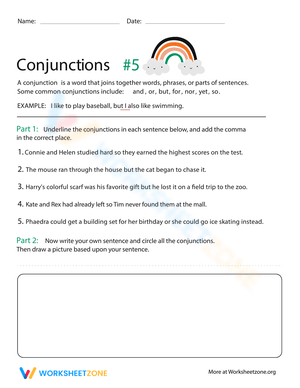
Writing is often compared to architecture. Just as a building requires a variety of materials—beams, bricks, and glass—to remain functional and aesthetically pleasing, a piece of writing requires a mix of sentence structures to convey meaning effectively. In the middle school classroom, transitioning students from basic declarations to sophisticated prose involves mastering the three fundamental types of sentences: simple, compound, and complex. By providing targeted simple compound and complex sentences worksheets resources, teachers can help students identify these patterns and use them to enhance their creative and expository writing.
Defining the Foundation: The Simple Sentence
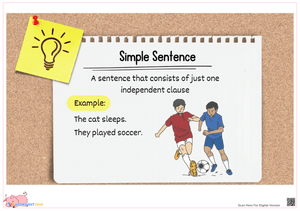
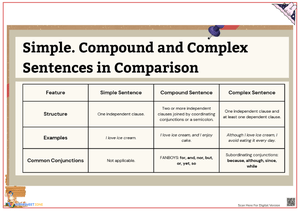
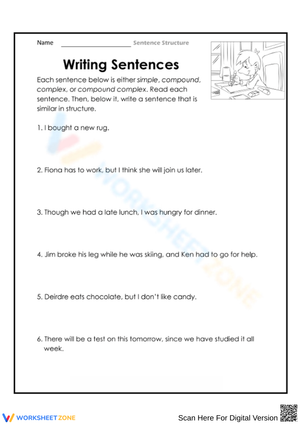
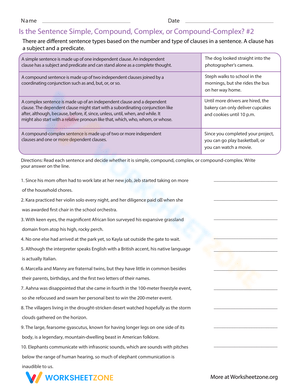
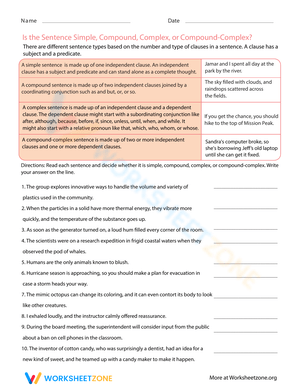
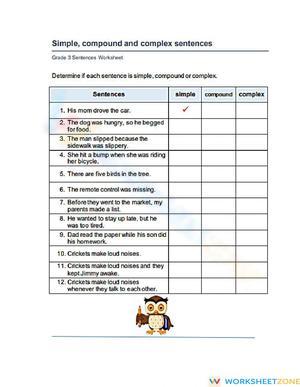
At its core, a simple sentence contains one independent clause. This means it has a subject and a verb and expresses a complete thought. While the name suggests brevity, a simple sentence can be surprisingly descriptive. It might include prepositional phrases, adjectives, and adverbs, but as long as it contains only one independent clause, it remains simple. For example, "The energetic golden retriever barked loudly at the mail carrier in the morning" is a simple sentence because it contains a single subject-verb relationship.
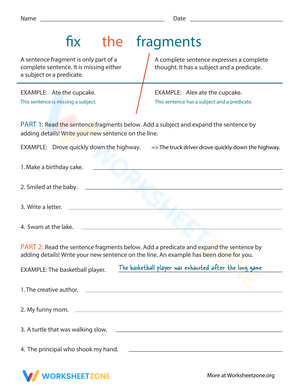
For students in grade 4, the focus is often on ensuring that a simple sentence is not a fragment. It must stand alone. In Worksheetzone materials, we emphasize that simple sentences are powerful tools for clarity. They provide punchy, direct information and can be used to emphasize a point after a series of longer, more winding sentences. Teaching students to recognize the subject and the predicate within these structures is the first step toward grammatical fluency.
Building Bridges with Compound Sentences
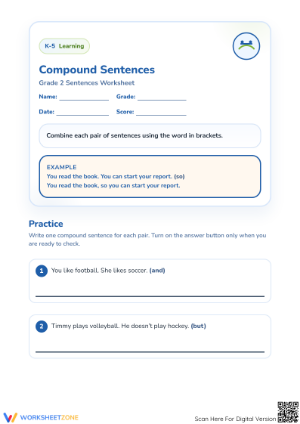
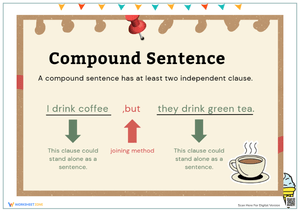
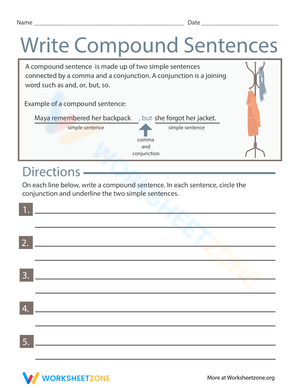
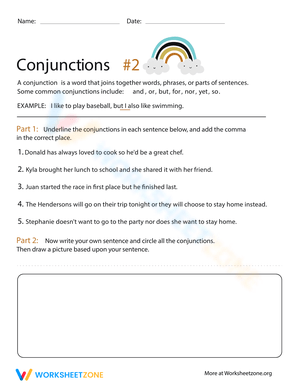
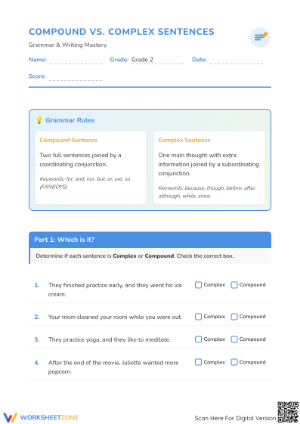
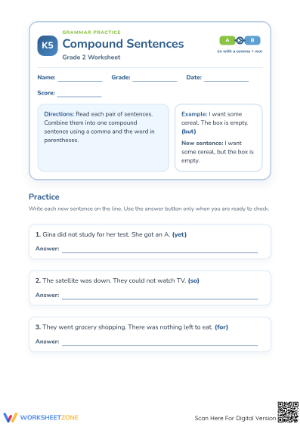
A compound sentence consists of two or more independent clauses joined together. These clauses are typically linked by a coordinating conjunction or a semicolon. The most common method of connection is the use of a comma followed by one of the seven coordinating conjunctions, easily remembered by the acronym FANBOYS: For, And, Nor, But, Or, Yet, So.
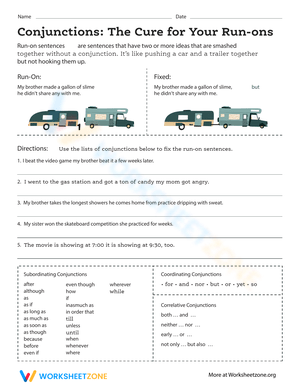
Each conjunction serves a specific logical purpose. "And" shows addition, "but" shows contrast, and "so" shows result. When students use simple compound and complex sentences worksheets, they practice choosing the correct conjunction to show the relationship between two equally important ideas. For instance, "The sun was setting, yet the hikers continued their journey" uses "yet" to show a surprising contrast. Without the comma and conjunction, this would result in a run-on sentence, a common error for developing writers.
Adding Depth with Complex Sentences
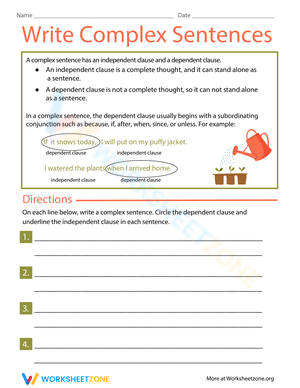
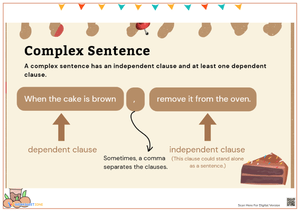
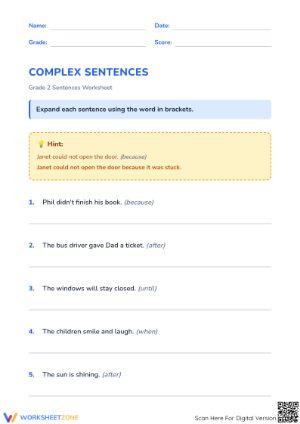
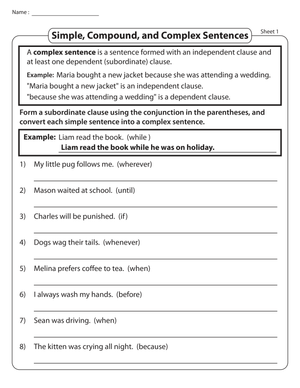
Complex sentences introduce a level of sophistication by combining an independent clause with at least one dependent clause. A dependent clause contains a subject and a verb but cannot stand alone because it begins with a subordinating conjunction—words like because, although, if, since, and while. These sentences allow writers to show complex relationships such as causality, time, and condition.
One of the most essential rules for complex sentences involves punctuation. If the dependent clause comes first, a comma is required before the independent clause: "Because it was raining, the game was canceled." However, if the independent clause comes first, a comma is usually unnecessary: "The game was canceled because it was raining." Mastering this distinction is a hallmark of middle school writing standards, specifically CCSS.ELA-LITERACY.L.7.1.B, which requires students to choose among simple, compound, and complex sentences to signal differing relationships among ideas.
The Role of Conjunctions in Sentence Architecture
Conjunctions are the glue of the English language. Without them, our writing would be a series of disconnected, choppy thoughts. In Worksheetzone exercises, we categorize conjunctions to help students understand their function. Subordinating conjunctions are particularly important because they transform an independent thought into a dependent one, forcing it to lean on another clause for meaning.
- Time Conjunctions: After, before, since, until, while.
- Reason/Cause Conjunctions: Because, since, as.
- Condition Conjunctions: If, unless, even if.
- Contrast Conjunctions: Although, though, whereas.
By experimenting with these words, students learn how to subordinate less important information to the main point of the sentence, creating a logical hierarchy that guides the reader through their argument or narrative.
Research-Based Strategies for Sentence Combining
Grammar instruction is most effective when applied to active writing. According to Reading Rockets, sentence combining is a proven technique for students in grades 3 through 12. Research suggests that teaching students to synthesize ideas into compound and complex structures significantly enhances clarity and stylistic variety compared to rote memorization of grammatical rules.
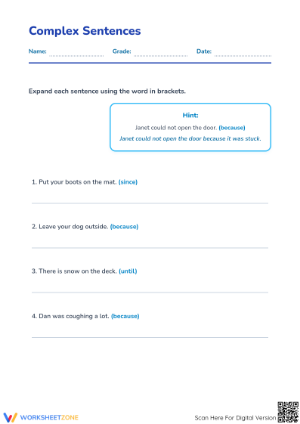
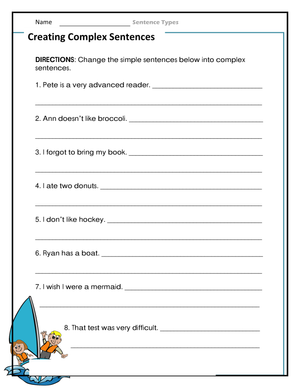
Implementing this in the classroom involves providing students with pairs or triplets of simple sentences and asking them to merge them. This exercise encourages students to think about the relationship between ideas. Should they use a coordinating conjunction to show equality, or a subordinating one to show cause and effect? This active decision-making process is far more effective than simply circling subjects and verbs on a page.
Classroom Implementation and Teacher Tips
When introducing these concepts, it is helpful to use mentor texts. Show students examples from their favorite books and have them identify the sentence types. You will often find that action-oriented scenes use shorter, simple sentences to increase the pace, while descriptive or reflective passages use complex structures to provide detail and nuance.
Professional teachers understand that sentence structure is not merely a set of rules but a tool for pacing and rhetorical strategy. Simple sentences provide punch and clarity, while complex structures allow for the expression of nuance and causality. Balancing these forms is what separates functional writing from engaging, authoritative prose. When students realize that they can control the "speed" of their reader's experience through sentence length and complexity, their engagement with grammar transforms from a chore into a creative power.
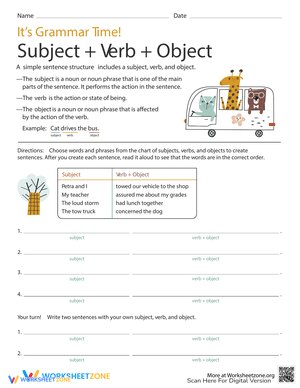
To support this, teachers should encourage the use of "sentence menus." During the drafting phase, ask students to ensure that at least 20% of their sentences are complex. This constraint forces them to move beyond the repetitive "subject-verb-object" pattern and start exploring the various ways ideas can be linked.
Troubleshooting Common Sentence Errors
As students move toward more intricate writing, they often encounter two major obstacles: fragments and run-on sentences. A fragment often occurs when a student writes a dependent clause but fails to attach it to an independent one. For example, "Although the mountain was steep" is a fragment that leaves the reader hanging.
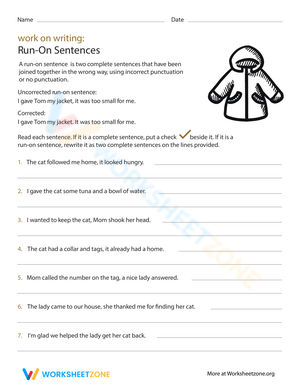
Run-on sentences, on the other hand, occur when two independent clauses are fused together without proper punctuation. A common version of this is the "comma splice," where a writer uses only a comma to join two independent thoughts. "The bell rang, the students left" is a comma splice. Students must learn that they need a conjunction (The bell rang, and the students left) or a semicolon (The bell rang; the students left) to fix this error. Using simple compound and complex sentences worksheets provides the repetitive practice needed to internalize these corrections.
Frequently Asked Questions
1. How do I distinguish between compound and complex sentences?
The easiest way to tell them apart is to look at the conjunctions. Compound sentences use coordinating conjunctions (FANBOYS) to join two independent clauses. Complex sentences use subordinating conjunctions (like because, although, if) to join a dependent clause to an independent one. If you can remove the conjunction and both parts still make sense as standalone sentences, it is likely compound.
2. What are the most common subordinating conjunctions?
Common subordinating conjunctions include after, although, as, because, before, if, since, though, unless, until, when, where, and while. These words always signal that a dependent clause is beginning.
3. Can a sentence be both compound and complex?
Yes, these are called compound-complex sentences. They contain at least two independent clauses and at least one dependent clause. An example would be: "Although I like books, I haven't had much time to read lately, and I have a lot of work to do."
4. Why is varied sentence structure important for student writing?
Sentence variety prevents writing from becoming monotonous or "choppy." It allows the writer to emphasize certain ideas over others and clearly shows the relationship between thoughts, which is essential for persuasive and narrative writing.
5. What grade levels should focus on these sentence types?
Basic sentence structures are introduced in early elementary, but the formal distinction and use of complex sentences are central to the Grade 4 through Grade 8 curriculum. Middle school is the ideal time to refine these skills as students begin writing more complex essays and reports.












 Interactive Worksheet Maker
 Quiz Maker
 Word Search Maker
 Crossword Puzzle Maker
 Word Scramble Generator
 Sentence Scramble Generator
 Handwriting Worksheet Generator
 Name Tracing Generator
 Fill In The Blank Generator