The Foundational Role of Parts of Speech in Literacy Development
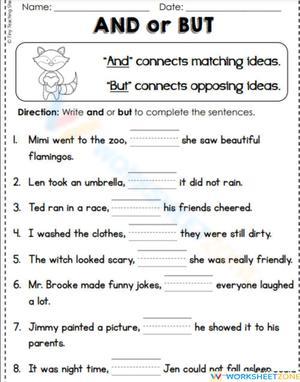
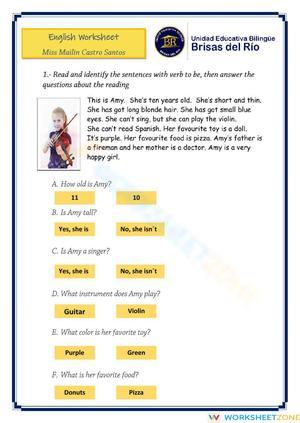
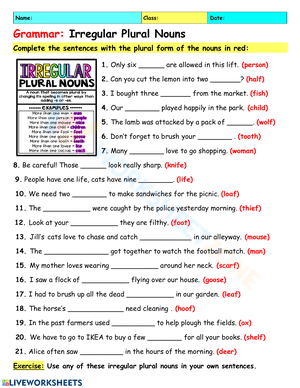
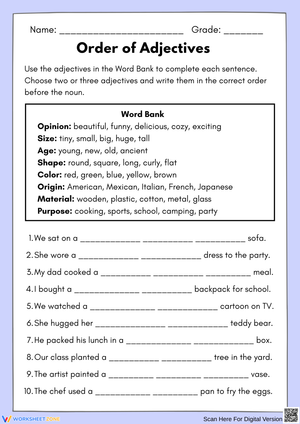
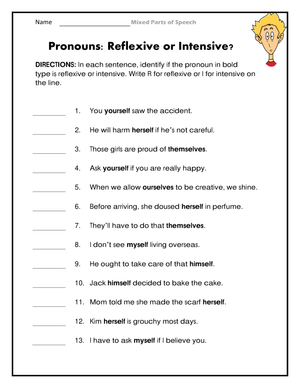
English grammar serves as the blueprint for effective communication, and at the heart of this structure lie the eight parts of speech. For teachers in grades 2 through 6, ensuring that students can accurately identify and apply these categories is a primary goal of the English Language Arts curriculum. When students understand the function of nouns, verbs, and adjectives, they gain the tools necessary to construct clear and sophisticated sentences. Using a parts of speech worksheets provides a tangible way for students to practice these skills in a structured environment, allowing for both guided and independent learning opportunities in the classroom. Explicit practice through targeted worksheets allows students to focus specifically on the mechanics of language. By isolating the parts of speech, learners can better understand how each word contributes to the overall meaning of a sentence. This foundational knowledge is not just about labeling words; it is about recognizing the relationships between ideas. For instance, understanding how a prepositional phrase modifies a noun helps students decode more complex texts and express their own thoughts with greater precision.
Understanding the Eight Essential Categories of English Grammar
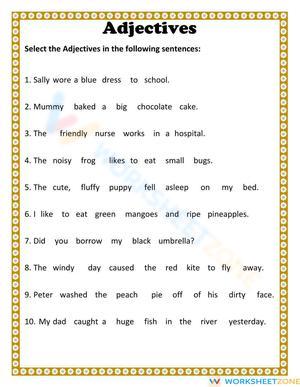
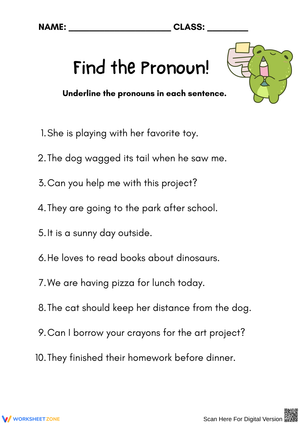
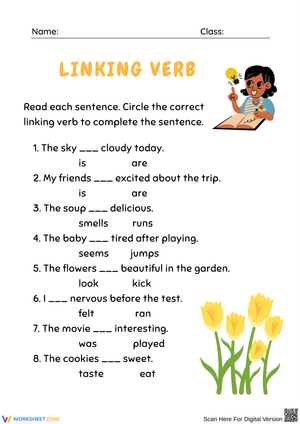
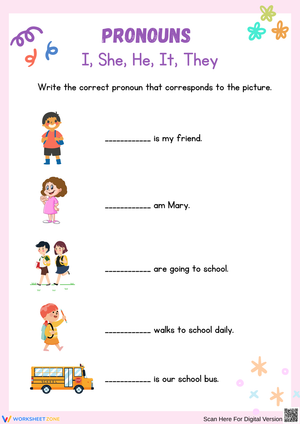
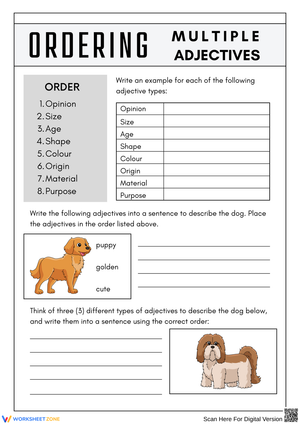
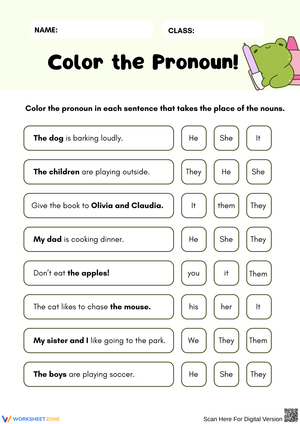
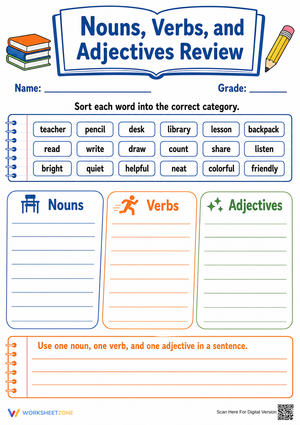
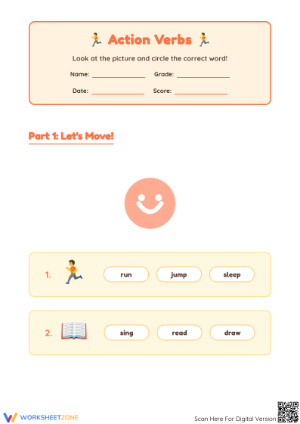
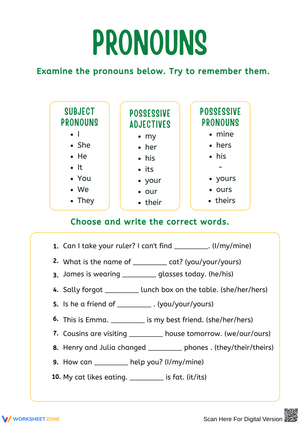
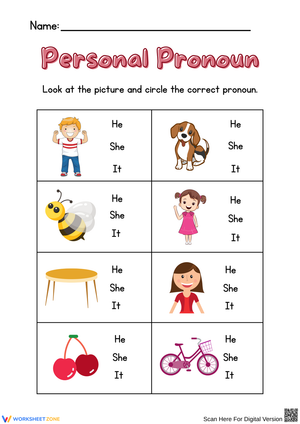
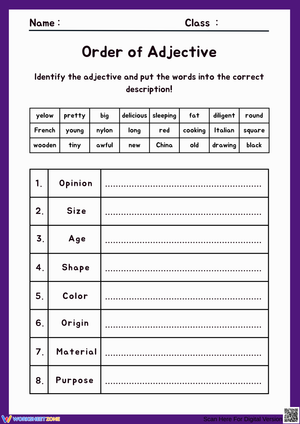
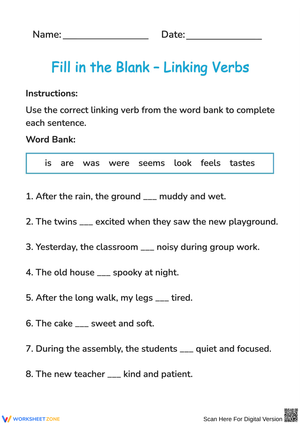
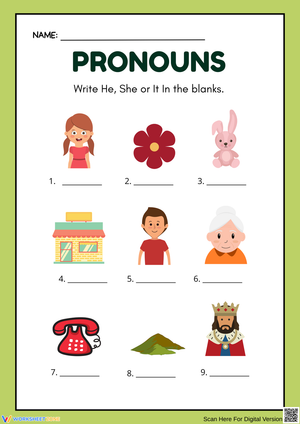
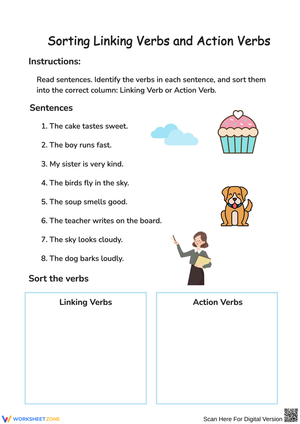
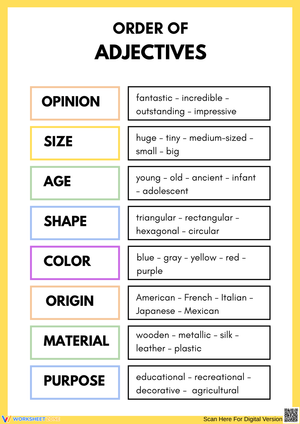
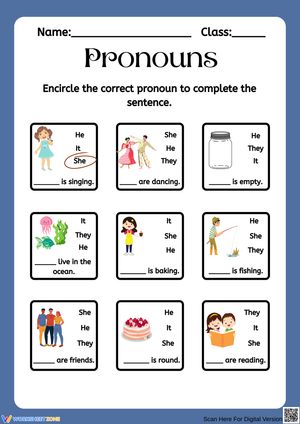
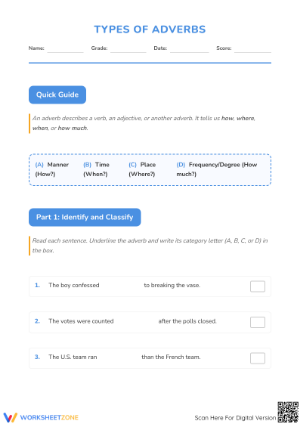
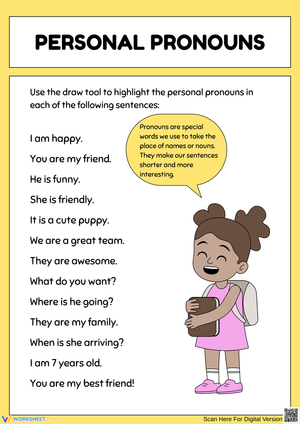
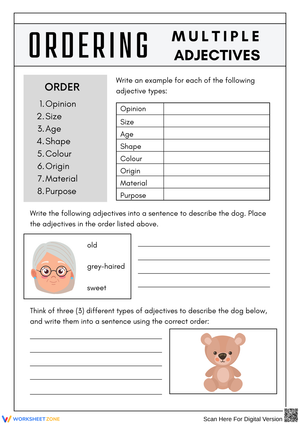
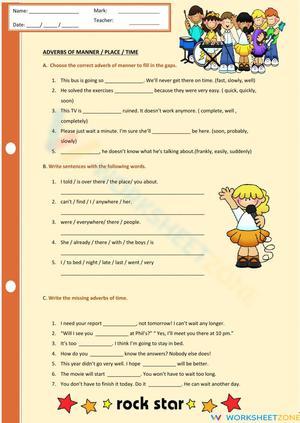
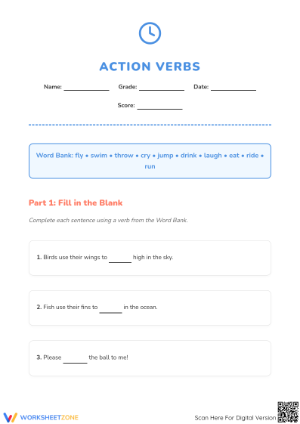
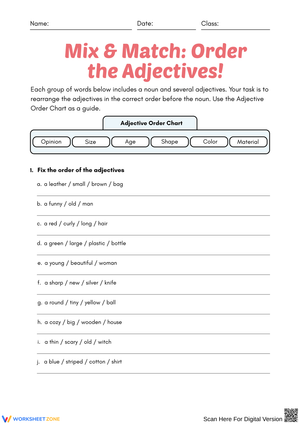
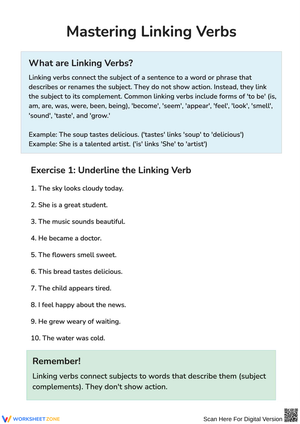
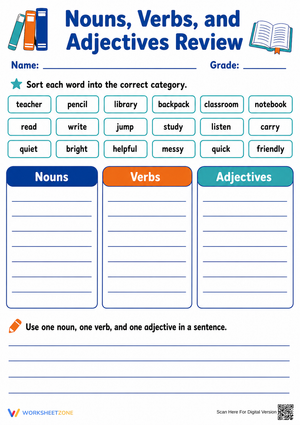
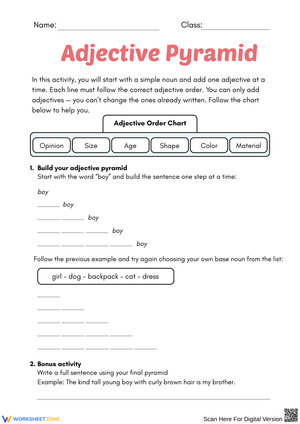
To effectively use grammar resources, students must first become comfortable with the primary categories that define the English language. These include nouns, pronouns, verbs, adjectives, adverbs, prepositions, conjunctions, and interjections. Each category plays a distinct role in sentence construction. Nouns and pronouns act as the subjects and objects, providing the 'who' or 'what' of the sentence. Verbs are the engines of the sentence, expressing action or state of being. Without a clear grasp of these core elements, students struggle to form even the simplest complete thoughts. Our parts of speech worksheets collection is designed to help students master these distinctions through focused practice. Beyond the core subjects and actions, modifiers like adjectives and adverbs add detail to writing. Adjectives describe nouns, while adverbs provide information about verbs, adjectives, or other adverbs. Prepositions establish relationships in space and time, while conjunctions connect words and phrases. Finally, interjections express strong emotion. Mastery of these eight categories allows students to move beyond simple structures and into the realm of descriptive writing.
Teacher Tips: Maximizing Impact with Parts of Speech worksheets
Integrating grammar worksheets into a busy classroom schedule requires a strategic approach to ensure that practice leads to genuine understanding. One effective method is to use these resources as part of a daily grammar warm-up. At the start of an ELA block, providing students with a short worksheet focused on a specific part of speech helps to keep these concepts fresh. This consistent practice builds fluency and confidence. Additionally, teachers should encourage students to apply what they have learned on the worksheet directly to their current writing projects, bridging the gap between isolated practice and authentic application in their daily work. Another tip for classroom implementation is to use worksheets for collaborative learning. Try a partner check system where students complete a section of the worksheet and then discuss their answers with a peer. This interaction requires students to justify their choices, which deepens their comprehension of the grammatical rules involved. This collaborative approach turns a standard worksheet into a dynamic tool for critical thinking and collaborative problem solving.
Scaffolding Grammar Instruction for Diverse Learning Levels
In a typical classroom, students will have varying levels of familiarity with grammatical concepts. Scaffolding is therefore a vital component of successful instruction. For students in grade 2, worksheets should focus on basic distinctions, such as identifying common nouns and action verbs. As students progress into grades 4, 5, and 6, the worksheets can introduce more nuanced concepts, such as identifying abstract nouns and recognizing the function of subordinating conjunctions. This developmental progression ensures that students are continually challenged without becoming overwhelmed by the complexity of the grammar material they are expected to master. Research from K5 Learning indicates that approximately 74% of elementary teachers prioritize parts of speech identification as a foundational skill for reading comprehension. This emphasis ensures that students can decode complex sentence structures by recognizing how different words function together to convey specific meanings and relationships within a text. By selecting worksheets that align with the specific needs of each grade level, teachers can provide the targeted support necessary for every student to succeed.
Formative Assessment Strategies Using Printable Grammar Resources
Worksheets are not only tools for practice but also excellent instruments for formative assessment. By reviewing students' completed parts of speech worksheets, teachers can quickly identify common misconceptions or areas where the entire class may need additional instruction. This data-driven approach allows for more efficient use of instructional time and ensures that no student falls behind in their grammatical development. Consider using them at different stages of the learning cycle, from pre-assessment to post-unit checks. Because PDF worksheets are easily reproducible, they offer a low-cost way to gather this information regularly. While many teachers focus on identification, the true value of parts of speech worksheets lies in their ability to facilitate syntactic manipulation, where students move beyond labeling to actively reconfiguring sentence structures to change meaning or emphasis. This higher-level application is the ultimate goal of grammar instruction. When students understand how to manipulate the parts of speech, they become more than just correct writers; they become effective communicators who can adapt their style to any purpose.
Enhancing Student Writing Through Explicit Grammar Practice
The primary reason for teaching parts of speech is to improve the quality of student writing. When students have a strong command of grammar, they can vary their sentence structures and use more precise vocabulary. Explicit practice through worksheets helps to internalize the rules of language, making them second nature during the writing process. Instead of struggling to remember mechanics, students can focus their mental energy on developing their arguments and engaging their readers. This shift from mechanical struggle to creative expression is a significant milestone in a student's academic journey as they develop their unique voice. Using a parts of speech worksheets also helps students become better editors of their own work. When they understand the function of each word, they can more easily identify errors in their drafts. They might notice that they have used too many pronouns or that their sentences lack variety. Grammar worksheets provide the correctness baseline that students need to evaluate their own writing objectively. Over time, this self-correction leads to more polished and professional assignments, preparing students for the rigorous writing demands of higher education.
Frequently Asked Questions
1. What are the eight main parts of speech covered in these worksheets?
The eight main parts of speech are nouns, pronouns, verbs, adjectives, adverbs, prepositions, conjunctions, and interjections. Most comprehensive worksheets will cover each of these categories to ensure that students have a full understanding of English sentence structure. These categories are the building blocks of the language and are essential for mastery in all grade levels. Mastery of these eight categories is the first step toward effective communication.
2. How can parts of speech worksheets help students improve their writing?
These worksheets provide structured practice that helps students internalize grammatical rules. When students can automatically identify and use different parts of speech, they can create more varied and precise sentences. This leads to clearer communication and more sophisticated writing overall. It also makes the editing and revision process much easier for students to handle on their own, helping them grow as independent learners.
3. Are these PDF worksheets suitable for ESL and EFL learners?
Yes, parts of speech worksheets are highly effective for students learning English as a second or foreign language. Because they break the language down into its core components, they provide a manageable way for language learners to understand how English sentences are built. They are often used as a staple in ESL curriculum to help students gain confidence in their new language skills.
4. Do the parts of speech worksheets include answer keys?
Most high-quality worksheet resources include answer keys to facilitate quick grading and self-assessment. Answer keys are useful in the classroom, as they allow teachers to provide immediate feedback to students. They also enable students to work independently and check their own progress, which is a great way to build confidence in their grammar skills.
5. What grade levels should focus on parts of speech identification?
While the basics are introduced in early elementary, the identification and application of parts of speech remain a focus through the end of elementary school. Grades 2-6 are the primary years for mastering these concepts, with the complexity increasing as the student progresses. Continuous practice ensures that these skills are fully integrated into their writing repertoire.












 Interactive Worksheet Maker
 Quiz Maker
 Word Search Maker
 Crossword Puzzle Maker
 Word Scramble Generator
 Sentence Scramble Generator
 Handwriting Worksheet Generator
 Name Tracing Generator
 Fill In The Blank Generator